
Every dollar you spend on ads should be traceable to results. But with campaigns running across Meta, Google, TikTok, LinkedIn, and more, knowing which ads actually drive revenue—not just clicks—has become increasingly complex.
iOS privacy changes, cookie deprecation, and fragmented customer journeys make native platform reporting unreliable at best. Ad performance tracking software bridges this gap by connecting your ad spend to real business outcomes.
This guide covers the top tools for tracking ad performance in 2026, from comprehensive attribution platforms to specialized analytics solutions. Whether you're an in-house marketer managing six-figure budgets or an agency handling multiple client accounts, you'll find a tool that fits your needs.
1. Cometly
Best for: Marketers who need AI-powered multi-platform attribution with accurate revenue tracking
Cometly is a marketing attribution platform that tracks the complete customer journey from first ad click to final conversion across every channel.
 9 Best Ad Performance Tracking Software Tools in 2026
Where This Tool Shines
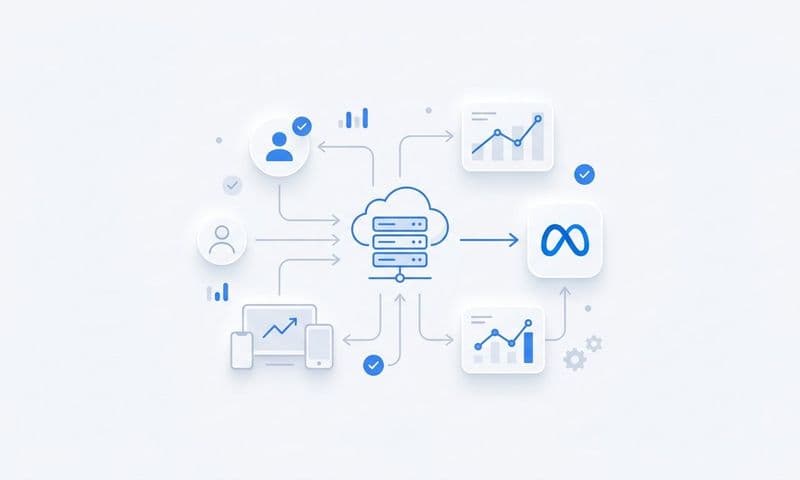
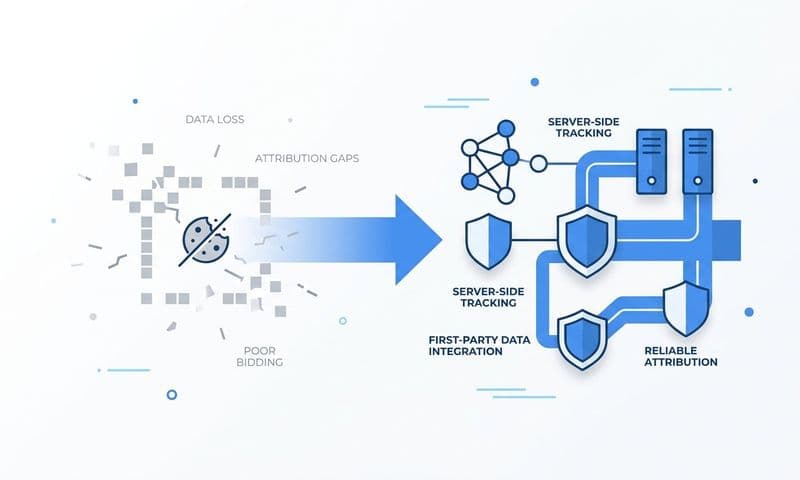
Cometly stands out for its ability to bypass iOS tracking limitations through server-side tracking. While most platforms struggle with data accuracy after Apple's privacy updates, Cometly captures conversion events directly from your server, giving you reliable attribution data regardless of browser restrictions.
The AI-powered optimization recommendations analyze your campaign performance and suggest specific actions to improve ROI. Instead of just showing you data, the platform tells you which campaigns to scale, which to pause, and where to reallocate budget.
Key Features
Multi-Touch Attribution: Track every customer touchpoint across all ad platforms to understand the complete conversion path.
Server-Side Tracking: Capture accurate conversion data that bypasses iOS limitations and cookie restrictions.
AI Ads Manager: Get specific optimization recommendations based on real-time performance analysis across all channels.
Conversion Sync: Feed enriched conversion data back to Meta, Google, and other platforms to improve their AI optimization.
Real-Time Analytics Dashboard: Monitor campaign performance across all channels in a unified interface with instant updates.
Best For
Digital marketers and agencies running multi-platform campaigns who need to connect ad spend to actual revenue. Particularly valuable for businesses struggling with attribution accuracy after iOS privacy changes or those scaling campaigns across multiple ad platforms simultaneously.
Pricing
Custom pricing based on monthly ad spend volume. Demo available to explore features before committing.
2. Triple Whale
Best for: Shopify-based DTC brands needing unified ecommerce analytics
Triple Whale is an analytics platform built specifically for direct-to-consumer ecommerce businesses running on Shopify.
 11 Best Paid Advertising Analytics Tools to Maximize Your Ad ROI in 2026
Where This Tool Shines
Triple Whale's native Shopify integration means setup takes minutes instead of hours. The platform automatically pulls product data, order information, and customer details directly from your store, creating a unified view of your ecommerce metrics without complex configuration.
The creative performance analytics feature helps DTC brands understand which ad creatives drive purchases, not just clicks. This is particularly valuable for brands testing multiple creative variations across Meta and TikTok.
Key Features
Native Shopify Integration: Automatic data sync with your Shopify store for instant setup and real-time metrics.
Unified DTC Dashboard: See all critical ecommerce metrics—CAC, LTV, ROAS, AOV—in one centralized view.
First-Party Pixel Tracking: Deploy Triple Whale's pixel to capture conversion data directly, improving attribution accuracy.
Creative Performance Analytics: Track which ad creatives drive the most revenue across all platforms.
Customer Journey Tracking: Visualize the path from first touch to purchase for Shopify customers.
For a deeper dive into this space, see our guide to cookie deprecation solutions.
Best For
DTC brands and ecommerce marketers running primarily on Shopify who need quick setup and ecommerce-specific metrics. Less suitable for service businesses or companies without Shopify infrastructure.
Pricing
Starts around $129 per month for smaller stores, with pricing scaling based on order volume and features needed.
3. Northbeam
Best for: Mid-market to enterprise teams needing machine learning-powered attribution modeling
Northbeam is an attribution platform that uses machine learning to model customer journeys and predict marketing impact.
 9 Best Accurate Conversion Tracking Solutions for Marketers in 2026
Where This Tool Shines
Northbeam's machine learning algorithms go beyond simple last-click or first-click attribution. The platform analyzes historical conversion patterns to build predictive models that estimate the true impact of each marketing touchpoint, even when direct tracking isn't possible.
The media mix modeling capability helps larger advertisers understand how different channels work together. Instead of viewing each platform in isolation, you can see how your Meta ads influence Google search behavior or how podcast advertising impacts direct traffic.
Key Features
ML-Based Attribution Modeling: Machine learning algorithms predict marketing impact based on historical patterns and conversion data.
Media Mix Modeling: Understand how different channels influence each other and contribute to overall performance.
Cross-Device Tracking: Follow customer journeys across mobile, desktop, and tablet to capture complete conversion paths.
Incrementality Testing: Run controlled experiments to measure the true incremental impact of your marketing spend.
Channel Performance Forecasting: Predict future performance based on historical trends and planned budget allocations.
Best For
Mid-market to enterprise marketing teams with complex multi-channel strategies and the budget for sophisticated attribution modeling. Requires meaningful ad spend volume to generate accurate ML predictions.
Pricing
Custom enterprise pricing. Contact Northbeam directly for a quote based on your ad spend and feature requirements.
4. Hyros
Best for: High-ticket businesses and long sales cycle products requiring call tracking attribution
Hyros is an attribution platform designed for businesses where conversions happen over weeks or months rather than minutes.
 8 Best Northbeam Alternatives for Marketing Attribution in 2026
Where This Tool Shines
Hyros excels at tracking conversions that don't happen immediately after an ad click. If your customers research for weeks, take sales calls, and convert through multiple touchpoints, Hyros connects those delayed conversions back to the original ad that started the journey.
The call tracking attribution feature is particularly valuable for businesses where phone calls drive revenue. Hyros can attribute phone conversions back to specific ads, keywords, and campaigns—something most platforms struggle with.
For step-by-step instructions, see our guide on how to make UGC ads with AI.
Key Features
Call Tracking Attribution: Connect phone call conversions back to the specific ads and keywords that generated them.
Long Sales Cycle Tracking: Track customer journeys that span weeks or months from first click to final conversion.
Print Tracking for Offline: Attribute offline conversions from direct mail and print advertising to your marketing efforts.
AI Ad Optimization: Get recommendations for scaling campaigns based on true revenue attribution, not just platform metrics.
For a deeper dive into this space, see our guide to automated ad optimization tools.
Multi-Step Funnel Tracking: Monitor performance at each stage of complex sales funnels with multiple conversion points.
Best For
Businesses selling high-ticket products or services with longer sales cycles, especially those relying on phone calls or consultations to close deals. Less relevant for impulse-purchase ecommerce.
Pricing
Starts around $99 per month for basic features, with pricing scaling based on tracking volume and advanced capabilities.
5. Rockerbox
Best for: Enterprise brands running omnichannel campaigns including TV, podcast, and direct mail
Rockerbox is an attribution platform that unifies digital advertising with traditional media channels like television and radio.
 8 Best Attribution Software Alternatives to Google Analytics in 2026
Where This Tool Shines
Rockerbox's ability to track TV and podcast advertising alongside digital channels sets it apart from digital-only platforms. If you're running Super Bowl commercials or sponsoring popular podcasts, Rockerbox can measure how those investments influence online conversions and complement your digital efforts.
The marketing data warehouse feature gives enterprise teams a centralized repository for all marketing data. Instead of data scattered across platforms, everything lives in one place for advanced analysis and custom reporting.
Key Features
Omnichannel Attribution: Track performance across digital, TV, podcast, radio, and direct mail in a unified platform.
Marketing Data Warehouse: Centralize all marketing data in one repository for advanced analysis and custom reporting.
Journey Analytics: Visualize complete customer journeys across online and offline touchpoints.
Budget Optimization Tools: Get recommendations for reallocating budget across channels based on true performance data.
Custom Attribution Models: Build attribution models tailored to your specific business and customer journey.
Best For
Enterprise marketing teams running significant omnichannel campaigns that include traditional media alongside digital advertising. Requires substantial budget to justify the platform investment.
Pricing
Enterprise pricing model. Contact Rockerbox for a custom quote based on your channel mix and data volume.
6. Segment
Best for: Technical teams building custom tracking infrastructure with extensive integration needs
Segment is a customer data platform that serves as the foundation for collecting and routing event data across your marketing stack.
 7 Google Analytics Alternatives That Actually Track Attribution Accurately
Where This Tool Shines
Segment functions as the central hub for all your customer data. Instead of implementing tracking code for every individual tool, you implement Segment once, and it routes data to 300+ destinations. This dramatically simplifies your tracking infrastructure and ensures data consistency.
The identity resolution capability connects user actions across devices and sessions. When someone visits on mobile, then converts on desktop, Segment ties those events to a single customer profile for accurate attribution.
Key Features
Event Tracking and Data Collection: Capture user actions across web, mobile, and server-side with a unified API.
300+ Integrations: Send data to analytics tools, ad platforms, CRMs, and data warehouses with pre-built connectors.
Identity Resolution: Connect user actions across devices and sessions to build complete customer profiles.
Data Governance Tools: Control data quality, manage privacy compliance, and enforce tracking standards.
Real-Time Data Streaming: Route customer data to destinations in real-time for immediate action and personalization.
Best For
Companies with technical resources who need flexible, custom tracking infrastructure. Requires developer involvement for setup and ongoing management, making it less suitable for non-technical marketing teams.
Pricing
Free tier available for up to 1,000 monthly tracked users. Paid plans start at $120 per month and scale with tracked users and features.
7. Google Analytics 4
Best for: Budget-conscious teams primarily running Google Ads with basic attribution needs
Google Analytics 4 is Google's event-based analytics platform with native integration to Google Ads.
 11 Best Conversion Optimization Tools to Boost Your ROI in 2026
Where This Tool Shines
GA4's biggest advantage is that it's free and already integrated with Google Ads. For businesses running primarily on Google's advertising platform, the native connection provides reliable conversion tracking without additional cost or complex setup.
The predictive metrics feature uses machine learning to forecast which users are likely to convert or churn. This helps you identify high-value audiences and optimize campaigns toward users most likely to generate revenue.
Key Features
Event-Based Tracking Model: Track any user action as an event, providing flexibility beyond traditional pageview-based analytics.
Native Google Ads Integration: Seamlessly connect conversion data to Google Ads for accurate campaign optimization.
Predictive Metrics: Machine learning models predict purchase probability and potential revenue for user segments.
Cross-Device Reporting: Track user journeys across mobile and desktop when users are signed in to Google accounts.
Custom Event Creation: Define and track custom events specific to your business without developer involvement.
Best For
Small to mid-size businesses running primarily Google Ads with limited budgets for paid attribution tools. Less effective for multi-platform campaigns across Meta, TikTok, and other non-Google channels.
Pricing
Completely free for standard GA4. Enterprise version (GA4 360) available with advanced features and support for large-scale operations.
8. Supermetrics
Best for: Data analysts building custom dashboards and reports in spreadsheets or BI tools
Supermetrics is a data pipeline tool that automatically pulls advertising performance data into Google Sheets, Excel, Looker, and data warehouses.
Where This Tool Shines
Supermetrics excels at eliminating manual data exports. Instead of logging into each ad platform to download reports, Supermetrics automatically pulls data on a schedule you define. This saves hours of repetitive work and ensures your dashboards always reflect current performance.
The flexibility to send data to multiple destinations—spreadsheets, BI tools, or data warehouses—makes it valuable for teams with specific reporting requirements that off-the-shelf dashboards can't meet.
Key Features
100+ Data Source Connectors: Pull data from major ad platforms, analytics tools, and social media channels automatically.
Automated Data Pulls: Schedule regular data refreshes to Google Sheets, Looker, Power BI, and other destinations.
Data Warehouse Destinations: Send raw marketing data to BigQuery, Snowflake, or other warehouses for advanced analysis.
Custom Metric Calculations: Create calculated fields and custom metrics within your data pulls.
Multi-Account Management: Pull data from multiple ad accounts and clients into centralized reports.
Best For
Data analysts and technical marketers who build custom reports and dashboards. Requires comfort with spreadsheets or BI tools—not a plug-and-play solution for non-technical users.
Pricing
Starts at $39 per month per data source connector. Pricing increases based on number of connectors and destination types.
9. Whatagraph
Best for: Marketing agencies managing multiple client accounts with white-label reporting needs
Whatagraph is a visual reporting platform designed specifically for agencies that need to create client-facing performance reports.
Where This Tool Shines
Whatagraph's white-label reporting capabilities let agencies brand reports with their own logo and colors. Clients receive professional-looking reports that feel like custom deliverables, not generic third-party dashboards.
The visual drag-and-drop builder makes it easy to create attractive reports without design skills. You can build polished client reports in minutes instead of spending hours formatting spreadsheets or designing slides.
Key Features
White-Label Client Reports: Customize reports with your agency branding, logos, and color schemes.
Visual Drag-and-Drop Builder: Create professional reports without design or technical skills using pre-built widgets.
Multi-Client Management: Manage reporting for dozens of clients from a single platform with template reuse.
Automated Report Scheduling: Send reports to clients automatically on weekly or monthly schedules.
Cross-Channel Data Integration: Pull data from major ad platforms, analytics tools, and social channels into unified reports.
Best For
Marketing agencies and freelancers managing multiple client accounts who need to deliver regular performance reports. Less valuable for in-house teams without client reporting requirements.
Pricing
Starts around $199 per month for basic agency features, with pricing scaling based on number of clients and data sources.
Finding Your Perfect Match
Choosing the right ad performance tracking software depends on your specific needs and marketing complexity. For comprehensive multi-platform attribution with AI-powered optimization recommendations, Cometly delivers accurate revenue tracking across all your ad channels while feeding better conversion data back to improve platform algorithms.
Ecommerce brands heavily invested in Shopify may prefer Triple Whale's native integration and DTC-focused metrics. Enterprises running omnichannel campaigns that include TV and podcast spend might lean toward Rockerbox's unified approach. Budget-conscious teams running primarily Google Ads can start with Google Analytics 4, though they'll sacrifice cross-platform accuracy and advanced attribution modeling.
The key is matching your tool to your attribution complexity. Simple single-platform campaigns need different solutions than multi-touch journeys spanning paid, organic, email, and offline touchpoints. A local business running only Facebook ads has vastly different requirements than a DTC brand scaling across Meta, Google, TikTok, and influencer partnerships.
Start by auditing where your current tracking falls short. Are you struggling to connect ad spend to actual revenue? Do platform-reported conversions not match what you see in your CRM? Are iOS privacy changes making your Meta attribution unreliable? Identify your specific pain points, then prioritize tools that address those gaps.
Consider your technical resources as well. Tools like Segment offer tremendous flexibility but require developer involvement. Platforms like Whatagraph prioritize ease of use for non-technical marketers. Match the tool's complexity to your team's capabilities.
Ready to elevate your marketing game with precision and confidence? Discover how Cometly's AI-driven recommendations can transform your ad strategy—Get your free demo today and start capturing every touchpoint to maximize your conversions.