Marketing teams are drowning in data but starving for insights. You've got campaign metrics from Facebook, conversion data from Google Analytics, attribution touchpoints from your CRM, and revenue numbers from your sales team—but making sense of it all feels impossible when you're staring at endless spreadsheets and disconnected dashboards.
The problem isn't lack of data; it's the inability to visualize that data in ways that reveal actionable patterns. When your CEO asks which campaigns are actually driving revenue, or when you need to justify budget allocation across channels, raw numbers don't tell the story. You need visualization tools that can transform complex marketing data into clear, compelling visuals that drive confident decision-making.
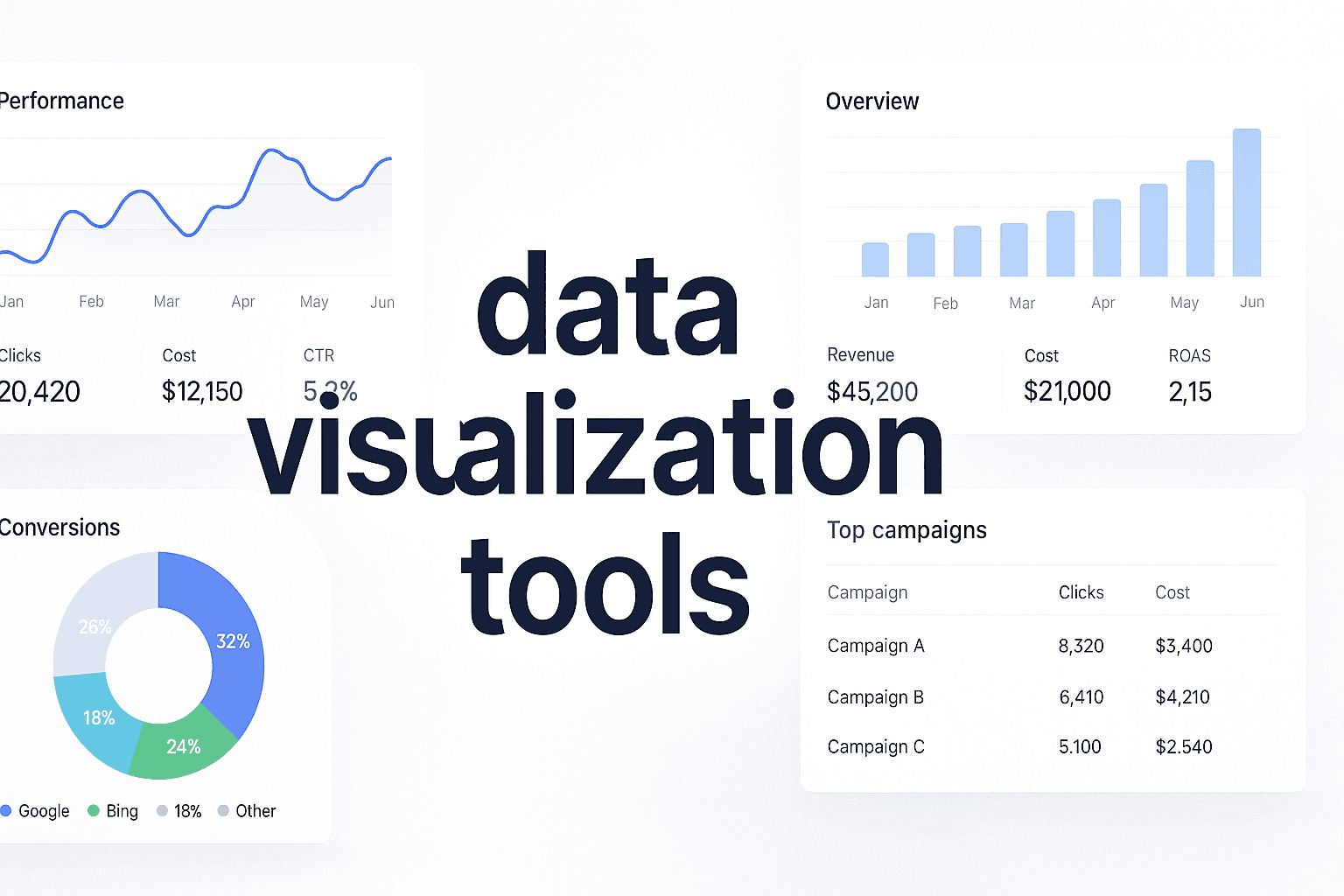
Modern data visualization tools have evolved far beyond basic charts and graphs. Today's platforms offer real-time attribution mapping, AI-powered insight detection, and interactive dashboards that help marketing teams spot trends, identify opportunities, and communicate results effectively.
Here are eight powerful data visualization tools built for marketing teams who need to turn complex data into actionable insights.
1. Cometly
Best for: Marketing attribution visualization and real-time campaign performance tracking
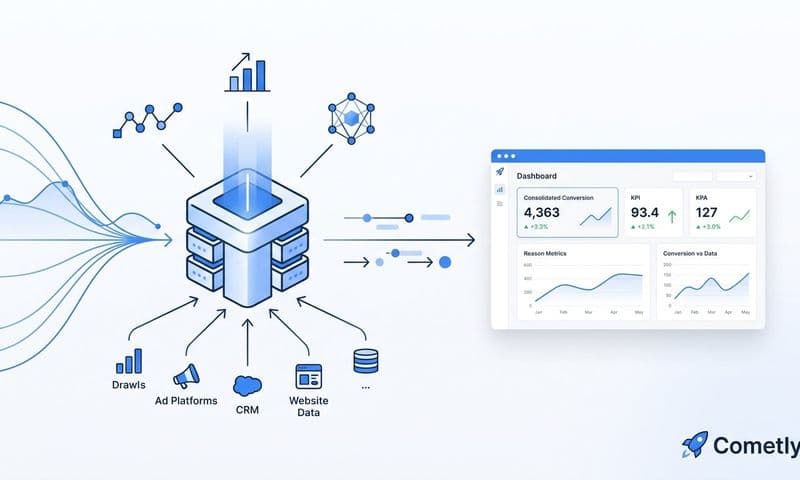
Cometly is a marketing attribution platform that transforms complex multi-touch attribution data into clear, actionable visualizations showing exactly which ads and channels drive conversions and revenue across your entire customer journey.
 8 Best Data Visualization Tools For Marketing Teams In 2026
Where This Tool Shines
Cometly excels at visualizing multi-touch attribution data in real-time, making it immediately clear which specific ads, channels, and campaigns contribute to revenue. Unlike generic visualization tools that require you to manually connect data sources and build attribution logic, Cometly is purpose-built for marketing teams who need to understand complex customer journeys across multiple touchpoints.
The platform's AI-powered insights are displayed through intuitive charts and graphs that automatically highlight high-performing campaigns and identify optimization opportunities. You don't need technical expertise to interpret the visualizations—the dashboards are designed specifically for marketers who need to make fast budget allocation decisions based on what's actually driving results.
Key Features & Capabilities
Real-Time Attribution Visualization: Customizable dashboards that update as conversions happen, showing which touchpoints contributed to each sale.
Multi-Touch Customer Journey Mapping: Visual representations of complete customer paths from first ad click through conversion, with attribution credit distributed across touchpoints.
AI-Powered Campaign Recommendations: The platform's AI analyzes your attribution data and surfaces actionable insights in clear visual formats, identifying which campaigns to scale and which to pause.
Cross-Platform Data Integration: Automated connections to ad platforms, CRM systems, and analytics tools that feed unified attribution visualizations without manual data exports.
Revenue Attribution Tracking: Drill-down capabilities that let you trace revenue back to specific ads, campaigns, and channels with complete transparency.
Best For / Ideal Users
Marketing teams and agencies running multi-channel campaigns who need clear visibility into which touchpoints actually drive conversions. Particularly valuable for performance marketers managing significant ad spend across platforms like Facebook, Google, and TikTok simultaneously.
Businesses struggling with attribution confusion or those wanting to move beyond simplistic last-click attribution models will find Cometly's specialized approach more actionable than building custom dashboards in general business intelligence tools.
Pricing
Contact Cometly for custom pricing based on your data volume and attribution complexity requirements.
2. Tableau
Best for: Enterprise-level business intelligence and complex data storytelling
Tableau is the enterprise standard for transforming raw marketing data into sophisticated interactive dashboards that reveal patterns hidden in complex datasets.
 7 Best Analytics Tools for Marketing Teams in 2026
Where This Tool Shines
Tableau handles massive datasets with ease while maintaining lightning-fast performance. Marketing teams can connect data from ad platforms, CRM systems, web analytics, and sales databases simultaneously to create unified views of campaign performance.
The platform's real power emerges when analyzing complex attribution scenarios. You can visualize customer journeys across dozens of touchpoints, build cohort analyses that reveal retention patterns, and create predictive models that forecast campaign outcomes. Unlike simpler tools that force you into pre-built templates, Tableau gives you complete creative control over how your data story unfolds.
Key Features & Capabilities
Advanced Drag-and-Drop Builder: Create everything from basic bar charts to complex heat maps and geographic visualizations without writing code.
Real-Time Data Connections: Connect directly to marketing platforms and databases for live dashboard updates as campaigns run.
Interactive Drill-Down: Click any data point to explore underlying details and uncover the "why" behind performance trends.
Statistical Analysis Tools: Built-in capabilities for cohort analysis, funnel visualization, and trend forecasting.
Mobile-Responsive Design: Dashboards automatically adapt to any screen size for executive reporting on the go.
Best For / Ideal Users
Large marketing organizations with dedicated analysts who manage multi-million dollar budgets across numerous channels. Teams that need to create custom attribution models or analyze complex customer behavior patterns will find Tableau's flexibility invaluable.
The platform suits organizations willing to invest time in learning its advanced features. While the drag-and-drop interface is intuitive for basic charts, mastering calculated fields and complex visualizations requires training.
Pricing
Starting at $75 per user monthly for Creator licenses, with additional costs for Tableau Server deployment and advanced enterprise features.
3. Microsoft Power BI
Best for: Microsoft ecosystem integration and cost-effective enterprise business intelligence
Microsoft Power BI delivers enterprise-grade visualization capabilities at a fraction of traditional BI platform costs, making sophisticated marketing analytics accessible to teams of any size.
 8 Best Data Visualization Tools For Marketing Teams In 2026
Where This Tool Shines
Power BI's seamless integration with Microsoft's ecosystem means marketing teams already using Excel, SharePoint, or Office 365 can start visualizing data immediately without learning entirely new workflows. The platform's natural language query feature—called Q&A—lets you type questions like "show me conversion rates by channel last month" and instantly generates appropriate visualizations.
The automated insights engine continuously analyzes your marketing data in the background, surfacing anomalies and trends you might miss manually. When campaign performance suddenly drops or a particular audience segment starts converting at higher rates, Power BI flags these patterns automatically.
Key Features & Capabilities
Native Microsoft Integration: Direct connections to Excel spreadsheets, SharePoint lists, Dynamics 365, and Office 365 data sources without middleware.
Natural Language Queries: Ask questions about your data in plain English and receive instant visualizations without building complex queries.
AI-Powered Quick Insights: Automated pattern detection that identifies trends, outliers, and correlations in campaign performance data.
Custom Visual Marketplace: Access hundreds of specialized visualizations including marketing-specific charts for funnel analysis and attribution mapping.
Real-Time Dashboard Updates: Live data connections ensure your marketing dashboards reflect current performance without manual refreshes.
Mobile-First Design: Native iOS and Android apps provide full dashboard functionality optimized for phone and tablet viewing.
Collaborative Workspaces: Share dashboards with team members, set up automated report distribution, and enable commenting directly on visualizations.
Best For / Ideal Users
Marketing teams embedded in Microsoft's ecosystem who need professional-grade visualization without Tableau's complexity or price point. Particularly valuable for organizations with existing Excel-based reporting workflows looking to upgrade to interactive dashboards.
Mid-market companies seeking enterprise BI capabilities on departmental budgets will find Power BI's pricing structure enables broader team access compared to per-user costs of competing platforms.
Pricing
Power BI Pro starts at $10 per user monthly, with Premium capacity options available for larger deployments requiring advanced features and higher data volumes.
4. Google Data Studio
Best for: Free marketing reporting and Google ecosystem integration
Google Data Studio delivers professional visualization capabilities without requiring any budget investment, making it the go-to choice for teams heavily invested in Google's advertising and analytics platforms.
 7 Best Enterprise Marketing Analytics Tools To Prove Marketing ROI
Where This Tool Shines
Data Studio excels at creating automated marketing reports that pull directly from Google Ads, Analytics, Search Console, and YouTube with zero setup friction. The platform's native integration with Google's ecosystem means your campaign data flows automatically into visualizations without complex API configurations or middleware.
The tool's template library includes pre-built marketing dashboards specifically designed for common reporting needs—campaign performance tracking, conversion funnel analysis, and multi-channel attribution views. These templates can be customized with your brand colors, logos, and specific metrics in minutes rather than hours.
Key Features & Capabilities
Direct Google Platform Connections: Native integrations with Google Ads, Analytics 4, Search Console, YouTube Analytics, and Google Sheets eliminate data export workflows.
Real-Time Collaboration: Multiple team members can edit reports simultaneously with stakeholder access controls that determine who can view versus edit dashboards.
Automated Report Scheduling: Set up email delivery of PDF reports on daily, weekly, or monthly schedules for clients and executives who prefer static reports.
Mobile-Optimized Rendering: Reports automatically adapt to mobile screens, making them accessible for client presentations and executive reviews on tablets and phones.
Community Connector Marketplace: Extend beyond Google platforms with third-party connectors for Facebook Ads, LinkedIn, Shopify, and hundreds of other marketing tools.
Best For / Ideal Users
Small to medium marketing teams running campaigns primarily through Google Ads and tracking performance in Google Analytics who need professional reporting capabilities without budget allocation.
Agencies managing multiple client accounts who require white-label reporting with automated updates and stakeholder sharing controls.
Marketing managers who need to create executive dashboards quickly using pre-built templates rather than building custom visualizations from scratch.
Pricing
Completely free with any Google account, making it accessible for startups, small businesses, and enterprise teams alike without procurement processes or budget approvals.
5. Looker Studio
Best for: Enterprise-grade data modeling and governed self-service analytics
Looker Studio provides enterprise-level data modeling with self-service visualization capabilities for sophisticated marketing analysis.
 8 Best Data Visualization Tools For Marketing Teams In 2026
Where This Tool Shines
Looker Studio's unique approach centers on creating a semantic layer that defines business metrics once and ensures consistency across all marketing reports. This prevents the common problem of different teams calculating conversion rates or customer acquisition costs differently.
The platform's Git-based version control ensures that changes to marketing metrics are tracked and approved. When your analytics team updates how CAC is calculated, that change propagates across every dashboard automatically, eliminating the confusion of multiple versions of truth.
Key Features & Capabilities
LookML Modeling Language: Define marketing metrics consistently using code-based data modeling that ensures everyone uses the same calculations.
Git-Based Version Control: Track all changes to metric definitions with collaborative approval workflows for data governance.
Embedded Analytics Platform: Build white-label dashboards that can be embedded directly into client-facing applications.
Role-Based Access Controls: Advanced data governance with granular permissions controlling who can view specific marketing data.
API-First Architecture: Comprehensive APIs enable custom integrations with proprietary marketing tools and data sources.
Best For / Ideal Users
Data-driven marketing organizations with technical resources who need governed self-service analytics and consistent metric definitions across teams.
Particularly valuable for agencies managing multiple client dashboards or enterprise marketing teams where data accuracy and governance are critical compliance requirements.
Pricing
Contact Looker for enterprise pricing based on user count and data volume requirements.
6. Chartio
Best for: SQL-based visualization and flexible data exploration for technical marketing teams
Chartio is a cloud-based business intelligence platform that bridges the gap between SQL power and visual simplicity, enabling marketing teams to explore data without sacrificing analytical depth.
 8 Best Data Visualization Tools For Marketing Teams In 2026
Where This Tool Shines
Chartio's visual SQL interface stands out for marketing teams who need more flexibility than pre-built dashboards offer but don't want to write complex queries from scratch. The platform translates drag-and-drop actions into SQL automatically, letting you see the underlying query logic while building visualizations.
This approach excels when investigating campaign performance anomalies or testing attribution hypotheses that don't fit standard report templates. You can quickly pivot from high-level campaign metrics to granular cohort analysis without switching tools or waiting for data team support.
Key Features & Capabilities
Visual SQL Query Builder: Drag-and-drop interface that generates SQL code automatically while allowing manual query editing for advanced users.
Interactive Data Exploration: Click any data point to drill down into underlying details, creating ad-hoc analysis paths based on what you discover.
Collaborative Query Library: Share SQL queries with team members who can clone, modify, and comment on analytical approaches.
Automated Anomaly Detection: Set up alerts that notify you via Slack or email when campaign metrics deviate from expected patterns.
White-Label Embedding: Embed dashboards in client portals or internal tools with custom branding for professional reporting.
Best For / Ideal Users
Marketing analysts and growth teams comfortable with database concepts who need to move beyond the limitations of pre-configured dashboards. Particularly valuable for agencies managing multiple clients who require custom reporting configurations.
Teams running complex attribution analysis or cohort studies will appreciate the ability to write custom queries while maintaining visual accessibility for stakeholders who don't read SQL.
Pricing
Pricing starts at $30 per user monthly, with additional costs for advanced features and connecting multiple data sources. Enterprise plans include priority support and enhanced security features.
7. Sisense
Best for: AI-powered insights and embedded analytics for complex marketing datasets
Sisense is an AI-powered analytics platform that transforms complex marketing data into actionable insights through embedded visualizations and intelligent automation.
 8 Best Data Visualization Tools For Marketing Teams In 2026
Where This Tool Shines
Sisense stands out by making sophisticated data analysis accessible to marketing teams without requiring data science expertise. The platform's AI-powered Intelligence suite continuously monitors your marketing data to surface trends, anomalies, and optimization opportunities automatically—meaning you don't have to manually hunt for insights buried in spreadsheets.
What makes Sisense particularly valuable for marketing teams is its embedded analytics capability. You can build custom dashboards that integrate directly into your existing workflows, whether that's your CRM, project management tools, or client-facing reporting portals. This means insights live where your team actually works, not in a separate platform they need to remember to check.
Key Features & Capabilities
AI-Powered Analytics Suite: Automated insight discovery that identifies performance patterns and alerts you to significant changes in campaign metrics.
Embedded Analytics Platform: Build custom visualizations that integrate directly into your existing marketing tools and client dashboards.
Flexible Development Options: Choose between pro-code, low-code, or no-code approaches depending on your team's technical capabilities.
Assistant and MCP Tools: AI-powered assistants that help you create visualizations faster and guide users to better decisions within the platform.
Cross-Industry Data Modeling: Pre-built templates and modeling capabilities designed for specific industries including financial services, healthcare, and manufacturing.
Best For / Ideal Users
Enterprise marketing teams managing complex, multi-source datasets who want AI to do the heavy lifting of insight discovery. Particularly valuable for agencies that need to embed white-label analytics into client portals, or marketing departments that want to integrate visualizations directly into their existing workflow tools rather than switching between platforms.
Pricing
Contact Sisense directly for custom enterprise pricing based on your specific data volume, user requirements, and embedded analytics needs.
8. Qlik Sense
Best for: Associative data modeling and intuitive self-service discovery
Qlik Sense uses associative technology that allows marketers to explore data relationships intuitively without predefined drill-down paths.
 8 Best Data Visualization Tools For Marketing Teams In 2026
Where This Tool Shines
Qlik Sense's associative engine reveals hidden relationships in marketing data by highlighting connected and unconnected data points as users make selections. Unlike traditional query-based tools that force you down predetermined paths, the associative model lets you click on any data point and instantly see what's related and what's not—making it particularly powerful for attribution analysis where understanding touchpoint relationships is crucial.
The platform's responsive design ensures visualizations work seamlessly across desktop, tablet, and mobile devices. Marketing teams can build dashboards once and have them automatically adapt to any screen size, which is essential for executives who need campaign performance insights while traveling or in meetings away from their desks.
Key Features & Capabilities
Associative Data Model: Reveals hidden marketing relationships by showing which data points connect as you explore.
Smart Search Functionality: Natural language queries let you ask questions about your data and get instant visual answers.
Responsive Design: Visualizations automatically optimize for desktop, tablet, and mobile without rebuilding dashboards.
Advanced Analytics Integration: Connect R and Python scripts directly for predictive modeling and statistical analysis.
Self-Service Creation: Marketing teams can build and modify visualizations without waiting for IT support.
Best For / Ideal Users
Marketing organizations needing flexible data discovery capabilities where analysts explore data relationships without knowing exactly what they're looking for upfront. Particularly valuable for teams with mobile executives who need dashboard access across devices.
Companies with complex attribution scenarios benefit from the associative model's ability to reveal unexpected connections between campaigns, channels, and conversion events that traditional drill-down tools might miss.
Pricing
Starting at $30/user/month for basic features, with enterprise pricing available for advanced capabilities and larger deployments.
Making the Right Choice for Your Marketing Team
Selecting the right data visualization tool depends on your team's specific needs, technical capabilities, and budget constraints. Each platform offers unique strengths that align with different marketing scenarios and organizational requirements.
For marketing teams focused specifically on attribution and campaign performance, Cometly's specialized approach provides purpose-built visualizations that directly address the challenges of multi-touch attribution tracking. The platform's AI-powered insights and real-time attribution mapping make it ideal for teams who need immediate clarity on which campaigns drive revenue.
Enterprise marketing organizations with complex data needs should consider Tableau or Power BI, depending on their existing technology stack. Tableau offers unmatched flexibility for custom visualizations, while Power BI provides excellent value for Microsoft-centric environments. Budget-conscious teams can achieve professional results with Google Data Studio, especially when heavily invested in Google's advertising ecosystem.
Technical teams comfortable with SQL should explore Chartio or Looker Studio for maximum flexibility in data exploration and custom metric creation. These platforms excel when marketing teams need to go beyond pre-built templates and create sophisticated attribution models.
The key is starting with your specific use case and trying multiple platforms through free trials. Most marketing teams benefit from combining specialized tools like Cometly for attribution visualization with broader platforms for general business intelligence. Get your free demo to see how purpose-built marketing attribution visualization can transform your campaign decision-making and drive measurable ROI improvements.