
You're staring at three different numbers for the same campaign: Facebook Ads Manager shows 127 conversions, Google Analytics reports 89, and your CRM logged 156 actual sales. Which one do you trust when deciding whether to scale or kill this campaign?
This isn't just frustrating—it's expensive. Facebook ads reporting discrepancies have exploded since iOS 14.5 launched, with many advertisers seeing 30-50% variance between platforms. The culprit? Privacy updates, cross-device tracking limitations, attribution window differences, and cookie restrictions that leave even experienced marketers questioning their data.
But here's the reality: you can't optimize what you can't measure accurately. Every day you operate with fragmented data is another day of scaling the wrong campaigns, pausing profitable ads, and making decisions based on incomplete information.
These seven battle-tested strategies will help you eliminate reporting discrepancies, establish single-source-of-truth attribution, and finally make confident optimization decisions. From implementing server-side tracking to choosing the right attribution model, you'll discover exactly how to bridge the gap between what Facebook reports and what actually drives revenue for your business.
1. Set up Facebook Conversions API
Best for: Businesses experiencing iOS tracking limitations and pixel data loss
Facebook Conversions API is a server-side tracking solution that bypasses browser-based limitations to ensure accurate conversion data.
iOS privacy changes have crippled Facebook's pixel-based tracking, creating massive blind spots in your conversion data. When users opt out of tracking or use Safari's Intelligent Tracking Prevention, your Facebook pixel misses conversions entirely—sometimes up to 30-50% of actual events. This isn't just a reporting problem; it's an optimization crisis that feeds Facebook's algorithm incomplete data, leading to poor targeting decisions and wasted ad spend.
Server-side tracking fundamentally changes how conversion data reaches Facebook. Instead of relying on JavaScript code executing in a user's browser (which can be blocked by privacy settings, ad blockers, or iOS restrictions), your web server communicates directly with Facebook's Conversions API. This server-to-server connection bypasses all browser-based limitations, ensuring Facebook receives conversion signals regardless of user privacy settings.
How Server-Side Tracking Actually Works
Traditional pixel tracking depends on the user's browser successfully loading Facebook's tracking code, setting cookies, and sending data back to Facebook's servers. Every step in this chain can fail due to privacy restrictions, slow page loads, or user settings. Server-side tracking eliminates these vulnerabilities by moving data collection to your backend infrastructure.
When a conversion occurs on your website, your server captures the event details—purchase amount, product information, customer data—and sends this information directly to Facebook through the Conversions API. This happens independently of what's occurring in the user's browser, creating a reliable data pipeline that privacy restrictions can't interrupt.
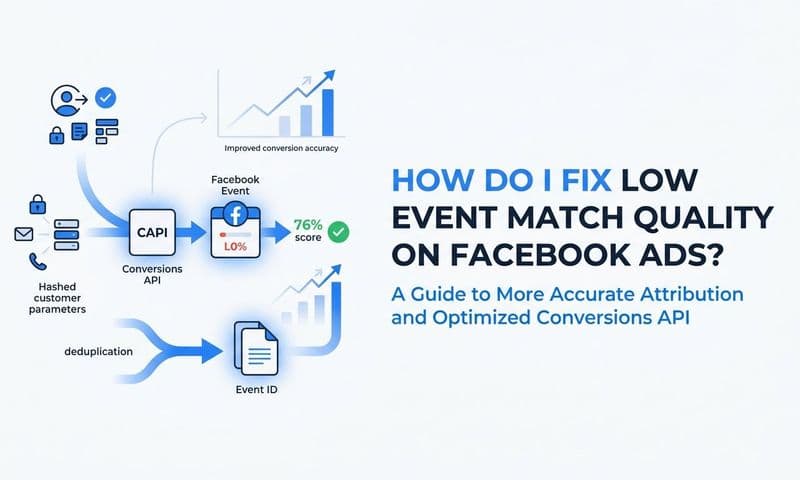
The most effective approach combines both pixel and server-side tracking in a hybrid configuration. The pixel continues capturing browser-based events while your server sends the same events through the API. Facebook automatically deduplicates these events using event_id parameters, ensuring conversions aren't double-counted while maximizing data capture across all scenarios.
Implementation Steps That Actually Work
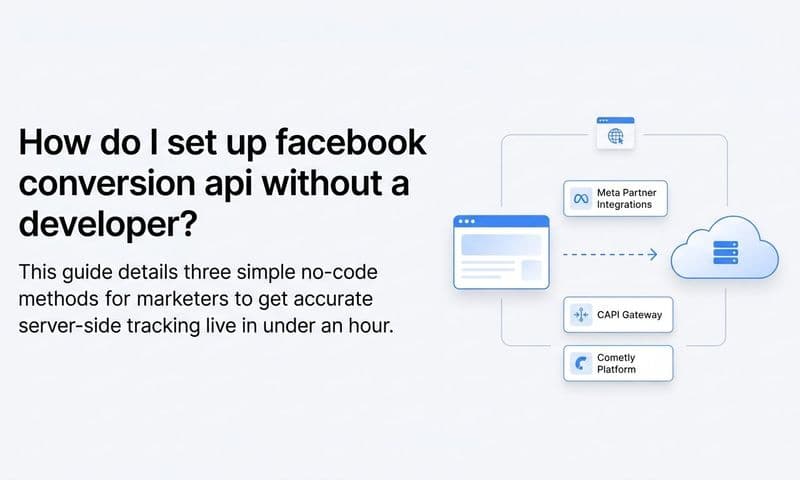
Start by assessing your current technical infrastructure. E-commerce platforms like Shopify offer built-in Conversions API integrations through their Facebook channel, making implementation straightforward for non-technical marketers. Custom websites require developer involvement to set up the server-side connection and configure proper event tracking.
Configure your server to capture key conversion events—purchases, lead submissions, sign-ups—and format them according to Facebook's API requirements. Each event needs specific parameters including event name, timestamp, and customer information (email, phone number, or other identifiers) hashed according to Facebook's specifications for privacy compliance.
Event deduplication is critical for accurate reporting. Assign identical event_id values to matching pixel and server events so Facebook recognizes them as the same conversion. Without proper deduplication, you'll see inflated conversion counts that make optimization decisions impossible. Test this thoroughly using Facebook's Test Events tool before trusting the data for campaign decisions.
Advanced attribution platforms like Cometly.com automate this entire server-side implementation process, handling event formatting, deduplication, and data enrichment without requiring developer resources. These platforms capture every customer touchpoint and send enriched conversion data to Facebook's API while maintaining complete tracking accuracy across all channels.
Data Enrichment Opportunities
Server-side tracking enables sending customer data that browser pixels can't access. Include customer lifetime value with purchase events to help Facebook's algorithm prioritize high-value customers. Add product categories, SKUs, and custom parameters relevant to your business model for more sophisticated targeting and optimization.
Integrate your CRM data with server-side tracking to send conversion events that occur offline or outside your website. When a lead converts to a customer weeks after the initial ad interaction, your server can send this conversion back to Facebook with the original click ID, ensuring proper attribution even for long sales cycles.
Avoiding Common Implementation Mistakes
Don't disable your pixel when implementing server-side tracking. The hybrid approach provides maximum data capture and redundancy. Keep both systems active with proper deduplication to ensure you're not missing conversions from either tracking method.
2. Standardize Attribution Windows Across All Platforms
Best for: Businesses comparing performance data across multiple analytics platforms
Attribution window standardization is the process of aligning conversion timeframes across all marketing platforms to enable accurate cross-platform comparison.
Your Facebook Ads Manager shows 127 conversions with a 7-day attribution window. Google Analytics reports 89 conversions using last-click attribution. Your CRM logged 156 actual sales. Which number do you trust when deciding whether to scale your campaign or cut the budget?
This isn't a tracking error—it's the inevitable result of platforms using completely different attribution windows and methodologies. Facebook's default 7-day click, 1-day view window captures conversions that Google Analytics' stricter last-click model excludes entirely. The mathematical impossibility of these numbers ever matching creates the illusion of poor tracking when the real problem is comparing apples to oranges.
Why Attribution Window Misalignment Creates Artificial Discrepancies
Attribution windows define the timeframe during which a platform can claim credit for a conversion. When a user clicks your Facebook ad on Monday and purchases on Wednesday, Facebook counts that conversion within its 7-day window. But if Google Analytics uses a 1-day attribution window, that same conversion gets attributed to whatever channel drove traffic on Wednesday—creating an instant discrepancy.
The problem compounds with view-through attribution. Facebook includes users who saw your ad but didn't click, then converted within 24 hours. Google Analytics typically excludes view-through conversions entirely. This single difference can account for 20-40% variance in reported conversions, especially for awareness campaigns with high impression volume.
Different data processing timelines add another layer of confusion. Facebook may report a conversion immediately while your CRM takes 24-48 hours to process the same transaction. Comparing these platforms on the same day guarantees discrepancies that have nothing to do with tracking accuracy.
Implementing Standardized Attribution Windows Across Your Stack
Start by auditing your current attribution settings. Log into Facebook Ads Manager and check your attribution setting under the account settings menu. Note whether you're using 1-day, 7-day, or 28-day windows for both click and view attribution. Then review Google Analytics conversion settings and your CRM's attribution logic to identify the gaps.
Choose a standard attribution window that matches your business model. E-commerce brands selling impulse-purchase products typically use 7-day click, 1-day view windows for balanced optimization speed and conversion capture. B2B companies with longer sales cycles often extend to 28-day windows to capture the full consideration period.
Configure Facebook Attribution Settings: Navigate to Ads Manager settings and select your chosen attribution window. This change applies to future reporting only—historical data remains unchanged. Consider setting this at the account level for consistency, though you can adjust at the ad set level for specific campaign needs.
Align Google Analytics Conversion Windows: Access your GA4 property settings and configure conversion event lookback periods to match Facebook's timeframe. For Universal Analytics users, adjust goal settings to use comparable attribution windows. This requires admin-level access and affects how conversions are counted going forward.
Update CRM Attribution Logic: Work with your operations team to ensure your CRM attributes conversions using the same time-based logic. This may require custom field configuration or integration adjustments to capture the original ad interaction timestamp and apply consistent attribution rules.
Choosing the Right Attribution Window for Your Business
Shorter attribution windows (1-7 days) provide faster optimization signals, making them ideal for direct response campaigns requiring quick feedback. If you're testing creative variations or new audiences, shorter windows help you identify winners faster and reallocate budget efficiently. The tradeoff is potentially undercounting conversions from users with longer consideration periods.
Longer attribution windows (28+ days) capture more comprehensive conversion data, especially valuable for high-consideration purchases or B2B sales cycles. SaaS companies often use extended windows because prospects research extensively before converting.
3. Implement Event Deduplication to Prevent Double-Counting Between Pixel and Server Events
Best for: Businesses running hybrid tracking with both Facebook Pixel and Conversions API
Event deduplication is the process of preventing the same conversion from being counted twice when using both pixel and server-side tracking.
You've finally implemented server-side tracking through Facebook's Conversions API, congratulating yourself on solving your iOS tracking problems. Then you check your conversion numbers and panic—Facebook suddenly reports 180% more conversions than yesterday. Your campaigns didn't magically improve overnight. You're now counting every conversion twice: once from your pixel and once from your server.
This is the hidden trap that catches even experienced marketers when implementing hybrid tracking setups. Without proper event deduplication, you're feeding Facebook's algorithm inflated conversion data that destroys optimization accuracy and makes every performance metric completely unreliable.
Understanding the Double-Counting Problem
When you run both Facebook Pixel and Conversions API simultaneously, both systems attempt to report the same conversion event. A customer clicks your ad, completes a purchase, and two separate tracking mechanisms fire:
Your browser pixel detects the conversion and sends the event to Facebook. Simultaneously, your server captures the same purchase and sends it through the Conversions API. Without deduplication logic, Facebook counts this as two separate conversions from two different customers.
The impact extends beyond inflated reporting numbers. Facebook's optimization algorithm receives false signals about campaign performance, leading to poor budget allocation decisions and targeting that optimizes for phantom conversions rather than real customer behavior.
How Event Deduplication Actually Works
Facebook's deduplication system relies on a simple but critical parameter called event_id. This unique identifier acts as a fingerprint for each conversion event, allowing Facebook to recognize when the pixel and server are reporting the same action.
When both your pixel and server send events with matching event_id values within a 48-hour window, Facebook automatically keeps only one conversion and discards the duplicate. The system prioritizes server-side events when deduplicating, as these typically contain more accurate and complete customer data.
The eventid must be identical across both tracking methods for the same conversion. If your pixel sends eventid "12345" and your server sends "purchase_12345" for the same transaction, Facebook treats these as separate events and counts both conversions.
Implementation Requirements and Technical Setup
Generate Unique Event IDs: Create a system that generates a unique identifier for each conversion event at the moment it occurs. Most e-commerce platforms use order IDs or transaction IDs as event_id values, ensuring consistency across tracking methods.
Pass Event IDs to Your Pixel: Modify your Facebook Pixel code to include the event_id parameter in the conversion event. This requires adding the eventID field to your fbq('track') calls, typically through dynamic insertion from your backend system.
Include Event IDs in Server Events: Configure your Conversions API implementation to send the same event_id value that your pixel uses. This synchronization is critical—the IDs must match exactly, including capitalization and formatting.
Implement Consistent Event Naming: Both pixel and server must use identical event names (Purchase, Lead, CompleteRegistration) with matching capitalization. Inconsistent naming prevents deduplication even when event_id values match correctly.
Test Deduplication Logic: Use Facebook's Events Manager Test Events tool to verify that duplicate events are being properly deduplicated. Send test conversions through both pixel and server, then confirm Facebook only counts one conversion in the test interface.
Common Deduplication Mistakes That Break Tracking
The most frequent error involves generating different event_id values for pixel and server implementations. This happens when frontend and backend systems don't communicate properly, creating separate ID generation logic that produces non-matching values.
4. Establish First-Party Data Collection and Enrichment Systems
Best for: Businesses looking to improve attribution accuracy in a privacy-first advertising landscape
First-party data collection is the process of gathering customer information directly through your owned channels to improve tracking accuracy and targeting precision.
Third-party cookies are vanishing, iOS restrictions block traditional tracking, and Facebook's algorithm is starving for the customer data it needs to optimize your campaigns effectively. This data poverty creates a vicious cycle: incomplete tracking leads to underreported conversions, which feeds Facebook's algorithm incomplete signals, resulting in poor targeting decisions and even more inaccurate reporting.
The solution isn't fighting privacy restrictions—it's building robust first-party data systems that collect customer information directly through your owned channels. When you capture data through your website, email campaigns, and customer interactions, you own it completely. This enriched data feeds back to Facebook through the Conversions API, providing the algorithm with detailed customer profiles that improve both targeting accuracy and conversion attribution.
Why First-Party Data Solves Attribution Problems
First-party data creates deterministic matches between your customers and Facebook's user base. When you send enriched conversion events containing email addresses, phone numbers, and customer preferences, Facebook can accurately attribute conversions even when browser tracking fails. This direct matching eliminates the guesswork of probabilistic attribution models.
The data enrichment advantage extends beyond attribution accuracy. Facebook's algorithm uses this detailed customer information to find similar high-value prospects, optimize ad delivery to users most likely to convert, and provide more relevant ad experiences. Better data creates better targeting, which generates better results, which produces more accurate reporting—a virtuous cycle that compounds over time.
Building Your Data Collection Infrastructure
Progressive Profiling Strategy: Instead of overwhelming visitors with lengthy forms, collect customer information gradually across multiple touchpoints. Start with email capture, then gather additional details through post-purchase surveys, account creation, and preference centers. Each interaction adds another data point to the customer profile you'll send to Facebook.
Strategic Lead Magnets: Offer valuable content, tools, or discounts in exchange for customer information. E-commerce brands use discount codes, while B2B companies leverage whitepapers, calculators, or free trials. The key is providing clear value that justifies the data exchange in the customer's mind.
Post-Purchase Data Capture: The moment after purchase represents your highest-engagement opportunity for data collection. Deploy brief surveys asking about purchase motivations, product discovery methods, and demographic information. Customers are most willing to share when they've just received value from your business.
Email Engagement Tracking: Monitor email opens, clicks, and engagement patterns to understand customer interests and intent signals. This behavioral data enriches customer profiles and provides Facebook with additional context about user preferences and purchase readiness.
Enriching and Activating Your Data
Raw data collection is only the first step—the real power comes from enrichment and activation. Integrate your CRM with Facebook's Conversions API to automatically send enriched conversion events whenever customers take valuable actions. Include customer lifetime value, product categories purchased, and any custom parameters relevant to your business model.
Data validation and cleaning processes ensure accuracy before sending information to Facebook. Standardize email formats, verify phone numbers, and remove duplicate records. Poor data quality creates matching problems that reduce attribution accuracy rather than improving it.
Customer segmentation based on first-party data enables sophisticated targeting strategies. Create custom audiences from high-value customers, then build lookalike audiences that Facebook's algorithm uses to find similar prospects. This targeting precision, powered by your first-party data, dramatically improves campaign performance and attribution accuracy.
Implementation Without Overwhelming Users
Balance data collection ambitions with user experience realities. Asking for too much information too soon creates friction that reduces conversion rates. Start with essential fields only, then expand data collection as customer relationships deepen and trust builds.
5. Configure Multi-Touch Attribution Models for Accurate Channel Credit
Best for: Businesses with complex customer journeys involving multiple touchpoints before conversion
Multi-touch attribution is a methodology that distributes conversion credit across all customer touchpoints rather than giving 100% credit to a single interaction.
Your Facebook Ads Manager shows 127 conversions. Your analytics platform reports 89. Your CRM logged 156 actual sales. Which number tells the truth about Facebook's performance?
The answer is: none of them—and all of them. Each platform measures Facebook's contribution differently because they use fundamentally different attribution models. Facebook's default last-click attribution gives full credit to the final touchpoint before conversion, completely ignoring the awareness ad that introduced your brand three weeks ago or the retargeting ad that rekindled interest five days later.
This creates a massive blind spot in your reporting. When you only see last-click data, you're essentially judging Facebook's performance by watching only the final scene of a movie. You miss the entire story of how that customer discovered, researched, and decided to buy from you.
Why Last-Click Attribution Fails Modern Marketing
Modern customer journeys are complex. A typical buyer might see your Facebook awareness ad on mobile during their morning commute, click a retargeting ad on desktop during lunch, receive an email reminder that evening, and finally convert through a Google search the next day.
Last-click attribution gives Google 100% of the credit. Facebook gets zero. Your email gets zero. This fundamentally misrepresents reality and leads to catastrophic optimization decisions.
The problem intensifies with longer sales cycles. B2B companies and high-ticket e-commerce brands often see 7-14 touchpoints before conversion. Giving all credit to the last click ignores the awareness campaigns, educational content, and nurture sequences that actually drove the decision.
Understanding Multi-Touch Attribution Models
Multi-touch attribution distributes conversion credit across all customer touchpoints based on their influence on the purchase decision. Instead of binary credit (100% or 0%), each interaction receives partial credit reflecting its contribution to the conversion.
Linear Attribution: Distributes credit equally across all touchpoints. If a customer had five interactions before converting, each receives 20% credit. This model works well when you believe all touchpoints contribute equally, though it may overvalue minor interactions.
Time-Decay Attribution: Gives more credit to touchpoints closer to conversion. The awareness ad from three weeks ago receives less credit than yesterday's retargeting ad. This model reflects the reality that recent interactions often have stronger influence on purchase decisions.
Position-Based Attribution: Assigns 40% credit to first touchpoint, 40% to last touchpoint, and distributes remaining 20% across middle interactions. This model recognizes that awareness (first touch) and conversion (last touch) are typically most valuable, while still acknowledging the nurture journey.
Data-Driven Attribution: Uses machine learning to analyze actual conversion patterns and assign credit based on statistical impact. This sophisticated approach requires significant data volume but provides the most accurate representation of touchpoint value.
Implementing Multi-Touch Attribution
Start by mapping your typical customer journey. Review your analytics to understand how many touchpoints customers experience before converting. Look at the channels involved, the sequence of interactions, and the time between touchpoints.
Choose an attribution model that reflects your business reality. E-commerce brands with short consideration periods often prefer position-based models emphasizing first and last touch. B2B companies with longer sales cycles typically benefit from time-decay models that recognize the full nurture sequence.
Configure your analytics platform to apply your chosen attribution model consistently. Most advanced marketing analytics tools and attribution platforms allow you to select different models and compare results. Set up reporting dashboards that show both last-click and multi-touch attribution side-by-side.
The comparison reveals Facebook's true value beyond last-click metrics, helping you make more informed budget allocation decisions based on comprehensive channel contribution rather than incomplete attribution data.
Putting It All Together: Your Attribution Accuracy Action Plan
The path to accurate Facebook ads reporting isn't about implementing every strategy at once—it's about building a systematic approach that eliminates discrepancies and provides trustworthy data for optimization decisions. Start with server-side tracking through Facebook's Conversions API, as this foundational change delivers immediate improvements in data accuracy by bypassing iOS limitations and browser restrictions.
Standardizing attribution windows across platforms and implementing cross-device identity resolution should follow next, creating the consistent measurement framework your optimization decisions require. These three strategies alone typically reduce reporting discrepancies by 40-60% for most businesses.
For businesses spending over $10,000 monthly on Facebook ads, investing in comprehensive attribution platforms like Cometly.com often provides the fastest path to accurate reporting and improved campaign performance. These platforms automate server-side tracking, cross-device matching, and multi-touch attribution while continuously validating data accuracy across all your marketing channels—eliminating the technical complexity and ongoing maintenance burden.
The cost of inaccurate attribution extends far beyond reporting discrepancies. It impacts every optimization decision, budget allocation, and scaling opportunity. When you're making decisions based on incomplete data, you're essentially flying blind with your ad spend.
Ready to eliminate Facebook ads reporting discrepancies and start making optimization decisions with confidence? Get your free demo and discover how AI-powered attribution can transform fragmented data into the accurate insights your profitable growth demands. The businesses winning in 2026's privacy-first advertising landscape aren't just running better ads—they're measuring them correctly.