
Modern marketers face an impossible challenge: making million-dollar budget decisions based on incomplete data. With iOS privacy changes fragmenting tracking and multi-channel customer journeys becoming the norm, traditional analytics tools leave massive blind spots in campaign performance measurement.
The cost of poor attribution is staggering. Marketing teams waste budget on channels that appear successful but don't actually drive revenue, while underinvesting in touchpoints that create real business impact. Meanwhile, competitors with superior marketing data solutions gain unfair advantages through precise attribution insights and AI-powered optimization recommendations.
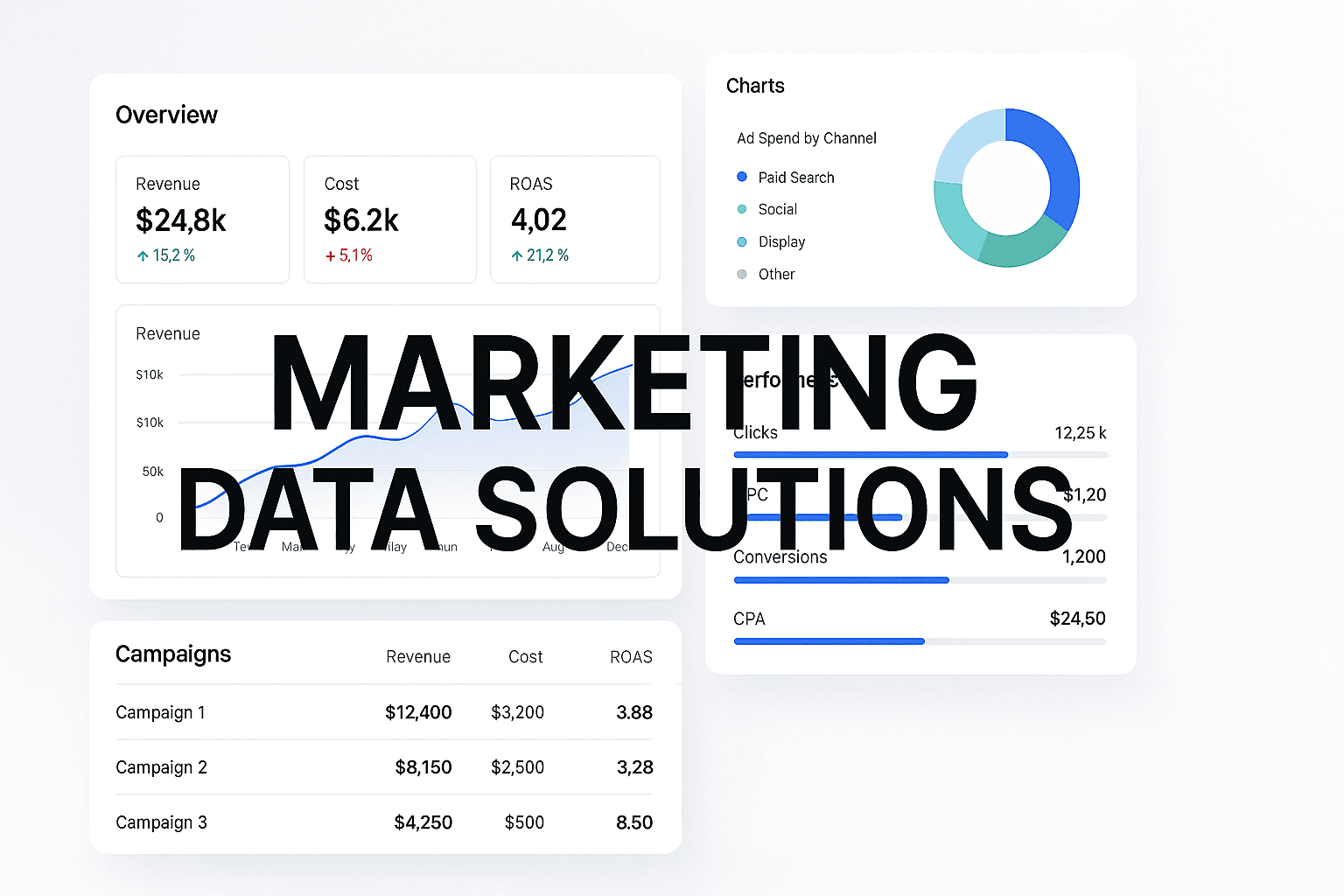
Today's marketing data landscape demands platforms that go beyond surface-level metrics. The right solution connects every touchpoint—from first ad impression to final purchase—creating a unified view of campaign performance. These platforms don't just collect information; they transform raw interactions into actionable intelligence that drives measurable ROI improvements.
Leading brands use comprehensive marketing attribution platforms to identify which channels drive real revenue, optimize budget allocation in real-time, and feed enriched conversion data back to ad platforms for improved targeting. The difference between guessing and knowing can transform your entire marketing operation.
Here are the top marketing data solutions that forward-thinking marketers use to gain competitive advantages through superior attribution and analytics.
1. Cometly
Best for: AI-powered attribution and cross-platform campaign optimization for performance marketers
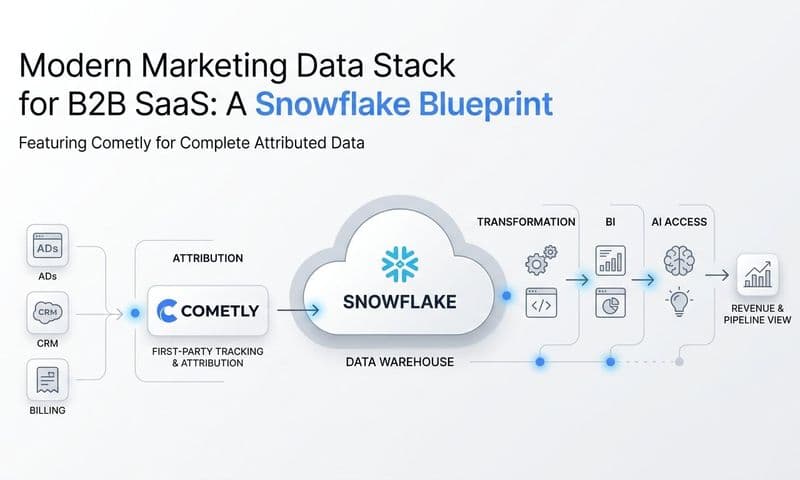
Cometly is a marketing attribution platform that connects your entire marketing ecosystem—from ad platforms to CRM systems—providing real-time visibility into every customer touchpoint that drives revenue.
 8 Best Marketing Data Solutions To Maximize ROI In 2026
Where This Tool Shines
Cometly excels at solving the attribution puzzle that plagues modern marketers running multi-channel campaigns. The platform captures every interaction across your marketing funnel, from initial ad clicks through CRM events, creating an enriched view of complete customer journeys that most analytics tools miss entirely.
What sets Cometly apart is its AI engine that analyzes this complete dataset to identify high-performing campaigns and provide specific optimization recommendations across all channels. Rather than just showing you data, it tells you what to do with it—which campaigns to scale, where to cut budget, and how to improve targeting.
The platform's server-side tracking approach bypasses iOS limitations and browser restrictions that create blind spots in traditional analytics. This means you maintain accurate attribution data even as privacy regulations tighten and tracking becomes more challenging across the industry.
Key Features & Capabilities
Multi-Touch Attribution Models: Compare first-click, last-click, and custom attribution models side-by-side to understand true campaign impact across your entire funnel.
Server-Side Tracking: Bypass iOS limitations and tracking restrictions for accurate data collection that maintains visibility despite privacy changes.
AI-Powered Recommendations: Get specific suggestions for budget optimization and campaign scaling based on actual performance patterns the AI identifies.
Conversion Sync Technology: Feed enriched conversion data back to Meta, Google, and other ad platforms to improve their targeting algorithms and campaign performance.
Real-Time Dashboard: Monitor campaign performance and attribution insights as they happen, enabling faster optimization decisions.
CRM Integration: Connect sales data to marketing touchpoints for complete revenue attribution that shows true ROI, not just conversion metrics.
Cross-Platform Analytics: Unified reporting across all marketing channels and touchpoints eliminates data silos and provides a single source of truth.
Best For / Ideal Users
Cometly is ideal for digital marketing teams, agencies, and e-commerce businesses running multi-channel campaigns who need accurate attribution data to optimize ad spend effectively. Performance marketers managing significant budgets across platforms like Meta, Google, and TikTok will find the AI-powered insights particularly valuable for scaling profitable campaigns.
The platform is especially valuable for companies struggling with iOS tracking limitations or those managing complex customer journeys across multiple touchpoints. If you're making budget decisions based on incomplete data or can't confidently identify which channels drive real revenue, Cometly addresses these specific challenges.
Pricing
Starts with a free trial, with plans scaling based on tracked events and advanced features needed.
2. HubSpot Marketing Analytics
Best for: All-in-one marketing and sales attribution with integrated CRM capabilities
HubSpot Marketing Analytics provides comprehensive campaign tracking and attribution within an integrated CRM ecosystem, making it seamless to connect marketing efforts directly to sales outcomes.
Where This Tool Shines
HubSpot excels at providing end-to-end visibility from marketing campaigns through sales closure. The platform automatically tracks every interaction a prospect has with your brand—from email opens to website visits to sales calls—creating a complete timeline that sales and marketing teams can use to understand which touchpoints contribute most to revenue.
The seamless integration between marketing tools and CRM data eliminates the typical disconnect between marketing metrics and actual sales results. Custom attribution models allow businesses to match their unique sales cycles, while the contact-centric approach ensures every interaction gets properly credited in the customer journey.
Key Features & Capabilities
Contact Timeline Tracking: Complete interaction history for every prospect and customer across all channels.
Multi-Touch Revenue Attribution: Connect marketing activities directly to closed deals and actual revenue.
Campaign ROI Reporting: Detailed performance metrics for every marketing campaign with financial outcomes.
Lead Source Analysis: Understand which channels generate the highest-quality leads that actually convert.
Custom Attribution Models: Create attribution rules that match your specific sales cycle and business model.
Integrated Email and Social Analytics: Track performance across all marketing channels in one unified platform.
Sales and Marketing Alignment: Shared dashboards and reporting that both teams can use for decision-making.
Best For / Ideal Users
HubSpot is perfect for B2B companies with longer sales cycles who need to track prospects through multiple touchpoints before conversion. It's especially valuable for organizations wanting to align sales and marketing teams around shared attribution data.
The platform works best for businesses that value an integrated ecosystem over specialized point solutions, and for teams that need comprehensive contact-level tracking without complex technical implementation.
Pricing
Free tier available with basic features, with paid plans starting around $45/month for marketing tools, scaling based on contact volume and advanced capabilities needed.
3. Google Analytics 4
Best for: Free comprehensive web analytics with enhanced measurement and machine learning insights
Google Analytics 4 represents Google's next-generation analytics platform, offering improved cross-platform tracking and AI-powered insights for businesses of all sizes seeking robust analytics capabilities without additional cost.
 7 Best Enterprise Marketing Analytics Tools To Prove Marketing ROI
Where This Tool Shines
GA4's strength lies in its sophisticated measurement capabilities and machine learning features that work within privacy-first frameworks. The platform uses advanced modeling to fill data gaps caused by privacy restrictions, providing more complete insights than traditional analytics approaches can deliver.
Its event-based tracking system captures user interactions more comprehensively than page-view models, while enhanced measurement features automatically track important actions like file downloads, video engagement, and scroll depth without additional setup. The seamless integration with Google's advertising ecosystem provides direct optimization opportunities for campaigns running on Google Ads and Display Network.
Key Features & Capabilities
Enhanced Measurement: Automatic tracking of key interactions without manual configuration or code implementation.
Cross-Platform Analytics: Unified reporting for web and mobile app data in a single interface.
Machine Learning Insights: Predictive metrics and anomaly detection that surface opportunities automatically.
Custom Attribution Models: Compare different attribution approaches to understand which best reflects your business reality.
Audience Builder: Create detailed segments based on behavior patterns and demographic characteristics.
Integration with Google Ads: Seamless connection to Google's advertising ecosystem for campaign optimization.
Privacy-Focused Design: Built to work within evolving privacy regulations and consent requirements.
Best For / Ideal Users
GA4 is ideal for businesses already using Google's ecosystem who want comprehensive analytics without additional cost. It's particularly valuable for companies needing detailed website analytics with attribution capabilities and those prioritizing privacy compliance in their measurement strategy.
The platform works well for organizations transitioning from Universal Analytics or those wanting to avoid vendor lock-in with paid platforms while still accessing sophisticated analytics features.
Pricing
Free for most businesses, with Google Analytics 360 available for enterprise organizations requiring advanced features, higher data limits, and dedicated support.
4. Adobe Analytics
Best for: Enterprise-level analytics with advanced segmentation and real-time processing capabilities
Adobe Analytics provides sophisticated data analysis capabilities designed for large organizations requiring detailed customer journey insights and advanced attribution modeling at scale.
Where This Tool Shines
Adobe Analytics excels in handling complex, high-volume data scenarios that enterprise organizations face daily. The platform's Attribution IQ feature allows marketers to apply multiple attribution models to the same dataset simultaneously, comparing how different approaches affect campaign valuation without switching between views or exporting data.
Its real-time analytics capabilities process millions of interactions instantly, enabling immediate optimization decisions during critical campaign periods. The advanced segmentation tools help identify micro-audiences and their unique conversion paths, revealing patterns that broader analytics miss completely.
The platform's integration with Adobe's marketing cloud creates powerful cross-channel optimization opportunities that extend beyond basic attribution. When combined with Adobe Target for personalization or Adobe Campaign for orchestration, the unified data environment enables sophisticated marketing strategies impossible with disconnected tools.
Key Features & Capabilities
Attribution IQ: Compare multiple attribution models simultaneously on the same data to understand how different approaches affect channel valuation and budget decisions.
Real-Time Analytics: Process and analyze data as interactions happen, enabling immediate campaign adjustments during critical periods.
Advanced Segmentation: Create complex audience segments based on behavior patterns, demographics, and custom variables for precise targeting.
Cross-Channel Analytics: Unified reporting across all digital touchpoints including web, mobile, social, and offline interactions.
Predictive Analytics: Machine learning models for forecasting customer behavior and identifying optimization opportunities before they're obvious.
Custom Variables and Events: Flexible tracking configuration for unique business requirements beyond standard e-commerce or lead generation models.
Data Warehouse Integration: Connect with enterprise data systems and workflows for comprehensive business intelligence beyond marketing metrics.
Best For / Ideal Users
Adobe Analytics is designed for enterprise organizations with complex analytics needs, large data volumes, and dedicated analytics teams. Companies processing millions of daily interactions across multiple business units benefit most from its sophisticated capabilities.
It's particularly valuable for organizations requiring advanced attribution modeling where understanding the nuanced impact of different touchpoints directly affects multi-million dollar budget decisions. Businesses with unique tracking requirements that standard analytics platforms cannot accommodate find the customization capabilities essential.
Pricing
Enterprise-level pricing typically starts around $48,000 annually, with costs varying significantly based on data volume, features, and implementation complexity. Custom quotes reflect specific organizational needs and scale.
5. Mixpanel
Best for: Product analytics and granular user behavior tracking for SaaS companies and digital products
Mixpanel is a product analytics platform that specializes in event-based tracking, providing detailed insights into how users interact with digital products and respond to marketing campaigns.
 8 Best Marketing Data Solutions To Maximize ROI In 2026
Where This Tool Shines
Mixpanel's event-based tracking approach captures user behavior at a granular level that traditional page-view analytics completely miss. Instead of just knowing someone visited your pricing page, you'll see exactly which features they explored, which buttons they clicked, and where they abandoned the conversion process.
The platform excels at funnel analysis that reveals precise drop-off points in your conversion paths. You can track specific user actions—feature adoption, button clicks, purchase steps—creating detailed conversion funnels that show exactly where prospects disengage and why. This level of detail helps product and marketing teams identify optimization opportunities that broader analytics tools overlook.
Mixpanel's cohort analysis capabilities provide crucial insights for campaign optimization by identifying which marketing channels bring users who engage long-term versus those who churn quickly. This distinction between acquisition quality and quantity helps marketers allocate budget toward channels that drive sustainable growth rather than vanity metrics.
Key Features & Capabilities
Event-Based Tracking: Monitor specific user actions and interactions in detail, from button clicks to feature usage patterns.
Funnel Analysis: Identify conversion bottlenecks and optimization opportunities by tracking user progression through defined steps.
Cohort Analysis: Track user behavior patterns and retention over time, segmented by acquisition source or user characteristics.
A/B Testing Integration: Test and measure campaign variations effectively with built-in experimentation capabilities.
Real-Time Data Processing: Instant insights into user behavior as it happens, enabling rapid response to trends.
Custom Dashboards: Build reports tailored to specific business needs and stakeholder requirements.
Mobile and Web Analytics: Unified tracking across all digital touchpoints for complete user journey visibility.
Best For / Ideal Users
Mixpanel is ideal for SaaS companies, mobile apps, and digital products that need detailed user behavior insights beyond basic web analytics. It's particularly valuable for product teams optimizing feature adoption and user engagement.
The platform works best for businesses with defined conversion funnels and specific user actions to track. Companies running growth experiments or optimizing product-led growth strategies will find Mixpanel's granular tracking capabilities essential for data-driven decision-making.
Pricing
Free tier available for up to 20 million monthly events, with paid plans starting around $20/month and scaling based on data volume and advanced features needed.
6. Salesforce Marketing Cloud Intelligence
Best for: Enterprise marketing attribution with deep CRM integration and AI-powered insights
Salesforce Marketing Cloud Intelligence (formerly Datorama) delivers comprehensive marketing analytics specifically engineered for enterprise organizations operating within the Salesforce ecosystem.
 8 Best Marketing Data Solutions To Maximize ROI In 2026
Where This Tool Shines
This platform excels at connecting marketing data with sales outcomes through native Salesforce CRM integration that creates attribution visibility most standalone tools cannot match. The AI-powered insights engine automatically surfaces trends, anomalies, and optimization opportunities across all marketing channels without requiring manual analysis or custom reporting.
Its real strength emerges when handling complex, multi-touch B2B customer journeys that span months and involve dozens of interactions across email, events, content, and advertising. The platform provides clear visibility into how marketing efforts contribute to pipeline generation and revenue acceleration—critical metrics for enterprise marketing leaders justifying budget allocations.
The data harmonization capabilities solve a persistent enterprise challenge: bringing together disparate marketing data sources into unified, actionable reporting that executives actually trust and use for decision-making.
Key Features & Capabilities
AI-Powered Insights Engine: Automated trend detection and optimization recommendations that surface opportunities without manual analysis.
Multi-Touch Attribution Models: Advanced frameworks connecting marketing touchpoints to pipeline and revenue outcomes across extended sales cycles.
Data Harmonization Technology: Unifies data from multiple marketing platforms into consistent, standardized reporting structures.
Native Salesforce Integration: Deep connection with sales data, opportunity stages, and revenue workflows that other platforms require complex custom integrations to achieve.
Custom Dashboard Builder: Flexible reporting tailored to different stakeholder needs, from CMO-level summaries to campaign manager details.
Budget Optimization Recommendations: AI-driven suggestions for intelligent spend allocation based on performance patterns and predictive modeling.
Best For / Ideal Users
Perfect for enterprise B2B organizations already using Salesforce who need sophisticated marketing attribution and analytics capabilities. The platform delivers particular value for companies with complex, multi-touch sales cycles requiring detailed pipeline attribution that connects marketing activities to actual revenue outcomes.
Marketing operations teams managing large budgets across multiple channels will appreciate the unified reporting and AI-powered optimization recommendations that reduce manual analysis time.
Pricing
Enterprise-level pricing typically starts around $3,000 per month, with costs varying based on data volume, feature requirements, and integration complexity.
7. Triple Whale
Best for: E-commerce brands needing specialized attribution and profit tracking designed specifically for online retail challenges
Triple Whale is a marketing attribution platform built exclusively for e-commerce businesses, providing specialized tools that address the unique tracking and profitability challenges online retailers face in today's privacy-restricted advertising landscape.
 11 Best Marketing Attribution Companies to Track Your Ad ROI in 2026
Where This Tool Shines
Triple Whale tackles the attribution problems that keep e-commerce marketers up at night—particularly the iOS tracking limitations that have decimated traditional pixel-based measurement. The platform combines first-party data collection with advanced modeling techniques to maintain attribution accuracy even when browser-based tracking fails completely.
What sets Triple Whale apart is its laser focus on metrics that matter specifically to online retailers. While general analytics platforms track page views and sessions, Triple Whale tracks product-level attribution, customer lifetime value by acquisition source, and true profitability after accounting for product costs and advertising spend. This e-commerce-specific approach means you're not adapting a general tool to retail needs—you're using a platform designed from the ground up for how online stores actually operate.
Key Features & Capabilities
E-commerce Attribution Models: Specialized tracking designed specifically for online retail customer journey patterns and purchase behaviors.
Product-Level Analytics: Understand which specific products drive the most value and which acquisition channels bring customers who buy your highest-margin items.
Customer Lifetime Value Tracking: Monitor long-term customer value segmented by acquisition channel to identify which sources bring repeat buyers versus one-time purchasers.
Shopify and Platform Integrations: Native connections with Shopify, WooCommerce, and major advertising platforms that e-commerce businesses actually use daily.
Creative Analytics: Analyze ad creative performance across channels and audiences to identify which images, videos, and messaging drive conversions.
Profit Tracking: Monitor true profitability by campaign and channel after accounting for product costs, shipping, and advertising spend—not just revenue.
iOS-Resistant Tracking: Maintain attribution accuracy despite Apple's privacy changes through server-side tracking and advanced modeling techniques.
Best For / Ideal Users
Triple Whale is designed specifically for direct-to-consumer e-commerce brands and online retailers running paid advertising across multiple channels like Meta, Google, and TikTok. It's particularly valuable for Shopify stores struggling with attribution accuracy after iOS changes and businesses that need to understand true profitability beyond surface-level revenue metrics.
Pricing
Plans typically start around $120/month for smaller stores, with pricing scaling based on monthly order volume, revenue, and advanced features needed for larger operations.
8. Ruler Analytics
Best for: Phone call tracking and offline conversion attribution for lead-based businesses
Ruler Analytics specializes in connecting offline conversions—particularly phone calls and in-person sales—back to their original marketing sources, solving attribution gaps that most platforms ignore.
 8 Best Enterprise Marketing Attribution Tools To Track Complex B2b Journeys
Where This Tool Shines
Ruler Analytics excels at bridging the gap between digital marketing efforts and offline conversions that happen through phone calls, store visits, or sales meetings. The platform uses dynamic number insertion and call tracking technology to connect phone inquiries back to specific marketing campaigns, keywords, and touchpoints.
This capability is crucial for businesses where significant revenue comes through phone-based sales processes that traditional analytics platforms cannot track or attribute properly. The platform automatically reveals which marketing channels drive the best leads by tracking every touchpoint from initial ad click through phone call to final sale, creating a complete attribution picture that includes offline conversions most tools miss entirely.
Key Features & Capabilities
Multi-Touch Attribution: Track the complete customer journey from first website visit through phone call to closed sale.
Dynamic Call Tracking: Assign unique phone numbers to different marketing sources for precise attribution.
Impression Attribution: Connect phone calls back to display ads and other impression-based campaigns.
Marketing Mix Modelling: Understand how different marketing channels work together to drive conversions.
Lead Management: Track calls, forms, and live chat interactions in one unified platform.
CRM Integration: Sync call data with existing customer relationship management systems to close the loop between marketing and revenue.
Keyword-Level Attribution: Identify which specific search terms drive phone conversions for PPC optimization.
Best For / Ideal Users
Ruler Analytics is perfect for service-based businesses, B2B companies, and local businesses where phone calls represent a significant portion of lead generation and sales conversion. It's particularly valuable for industries like legal services, home services, healthcare, real estate, and financial services where phone consultations are critical to the sales process.
The platform works especially well for companies running search advertising campaigns who need to prove which keywords and ads drive actual phone leads, not just website clicks.
Pricing
Plans typically start around $100/month for basic call tracking, with advanced attribution features available at higher tiers based on call volume and integration needs.
Making the Right Choice for Your Marketing Data Needs
Selecting the right marketing data solution depends on your specific business model, technical requirements, and attribution complexity. E-commerce businesses benefit most from platforms like Cometly or Triple Whale that handle product-level attribution and iOS tracking challenges. B2B organizations with longer sales cycles should prioritize solutions like HubSpot or Salesforce Marketing Cloud Intelligence that excel at multi-touch attribution and CRM integration.
For businesses just starting with advanced attribution, Google Analytics 4 provides a solid foundation without additional cost, while enterprise organizations handling massive data volumes will find Adobe Analytics or Salesforce Marketing Cloud Intelligence worth the investment. Companies with significant phone-based sales should consider Ruler Analytics to capture offline conversions that other platforms miss entirely.
The key is choosing a platform that not only tracks your current marketing channels but can scale with your attribution needs as your campaigns become more sophisticated. The best marketing data solution transforms raw interaction data into actionable insights that directly improve your campaign ROI and business growth.
Ready to see how comprehensive attribution can transform your marketing performance? Get your free demo to discover how Cometly's AI-powered attribution platform can help you identify which campaigns drive real revenue and optimize your marketing spend with confidence.