Running paid ads without accurate tracking is like driving blindfolded—you're moving forward, but you have no idea where you're going or what's working. Most marketing teams rely on platform dashboards that show clicks and impressions, but they can't connect those metrics to actual revenue. When attribution breaks down, you're left guessing which campaigns deserve more budget and which ones are burning cash.
The problem isn't just missing data—it's fragmented data. Your ad platforms, CRM, website analytics, and sales tools all track different pieces of the customer journey, but none of them talk to each other. Without a unified view, you can't see which touchpoints actually drive conversions, which channels work together, and where your highest-value customers come from.
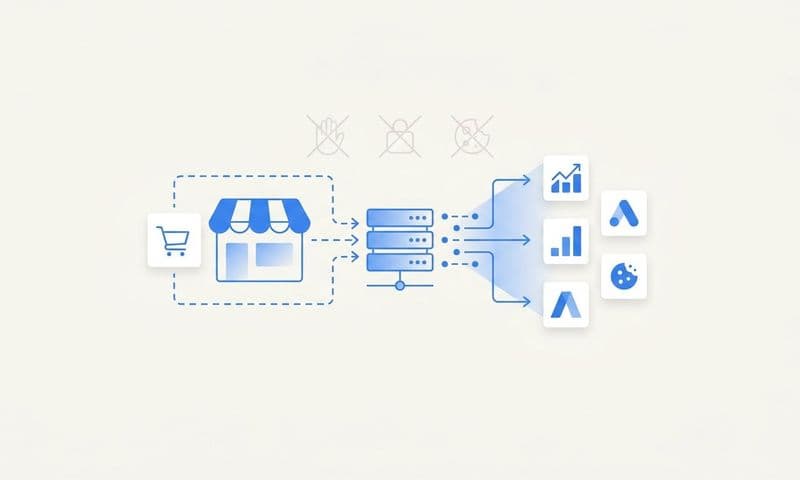
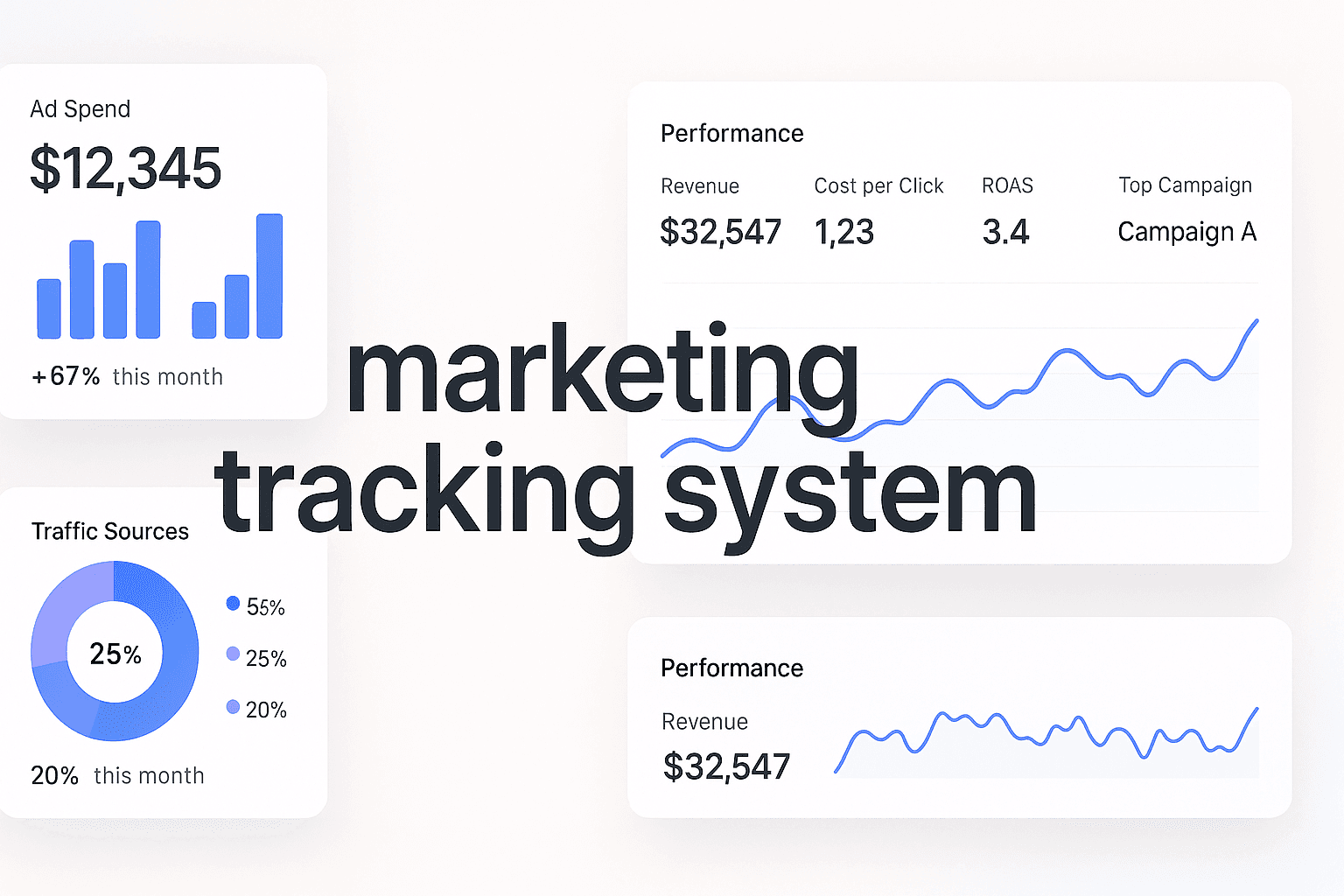
A marketing tracking system solves this by connecting every data source into one platform. It captures every click, form fill, phone call, and purchase, then maps those events back to the original ad, keyword, or campaign. The best systems use AI to analyze patterns, recommend optimizations, and even send enriched conversion data back to ad platforms to improve their targeting algorithms.
Here are the leading marketing tracking systems that give you the visibility you need to scale profitably.
1. Cometly
Best for: Marketers and agencies who need AI-powered attribution and real-time revenue tracking across all ad platforms.
Cometly is a marketing attribution platform built to show exactly which ads and channels drive leads and revenue.
 Top 7 Marketing Tracking System Tools To Maximize ROI
Where This Tool Shines
Cometly captures every touchpoint in the customer journey—from the first ad click to the final CRM event—and uses AI to identify which campaigns actually convert. Unlike basic analytics tools that only track website behavior, Cometly connects ad spend to revenue by tracking conversions across multiple sessions, devices, and channels.
It enriches your data with first-party tracking, then sends that information back to Meta, Google, and TikTok to improve their optimization algorithms. This creates a feedback loop where your ad platforms get better data, target more accurately, and deliver higher ROI. Cometly also supports multiple attribution models, so you can compare first-click, last-click, and AI-weighted attribution side by side to understand which touchpoints matter most.
Key Features & Capabilities
AI-Powered Attribution: Identifies high-performing ads and campaigns across every channel using machine learning.
Real-Time Revenue Tracking: Connects ad clicks to CRM conversions and sales for complete visibility.
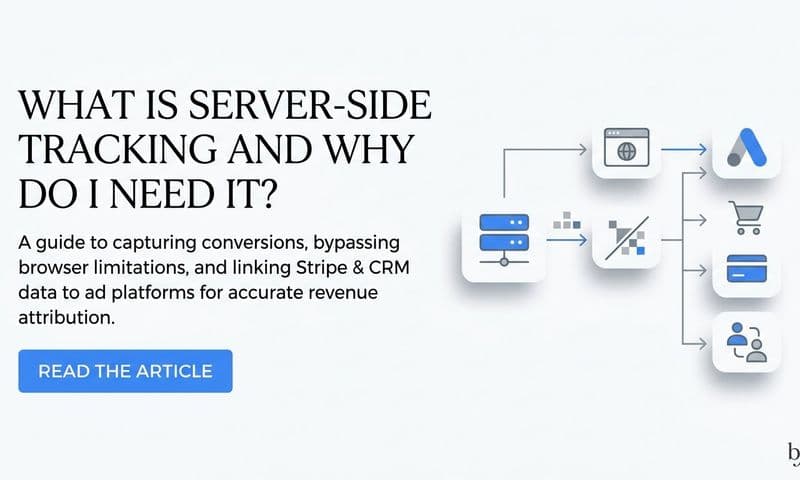
Server-Side Tracking: Conversions API integration ensures accurate data even with iOS restrictions and ad blockers.
Multi-Touch Attribution Models: Compare first-click, last-click, linear, time-decay, and AI-weighted attribution.
Unified Dashboard: Consolidates data from Meta, Google, TikTok, LinkedIn, and more in one place.
Enriched Event Data: Sends conversion data back to ad platforms to improve targeting and optimization.
Custom Conversion Tracking: Track calls, form fills, purchases, and offline events specific to your business.
Best For / Ideal Users
Cometly is ideal for performance marketers, growth teams, and agencies managing multi-channel campaigns. It's built for teams who need more than surface-level metrics and want to see which ads drive actual revenue.
If you're scaling paid ads and need accurate attribution to make confident budget decisions, Cometly gives you the visibility and AI recommendations to optimize faster. The platform works particularly well for businesses running campaigns across multiple platforms who struggle to connect ad spend to revenue in their current analytics setup.
Pricing
Cometly offers tiered pricing based on tracked conversions and integrations. Plans start with essential attribution features and scale to include advanced AI recommendations, white-label reporting for agencies, and priority support. Contact their team for custom pricing based on your ad spend and data volume.
2. Google Analytics 4
Best for: Businesses that want free, comprehensive website analytics with basic cross-platform tracking.
Google Analytics 4 is Google's latest analytics platform that tracks user behavior across websites and apps using an event-based model.
 10 Best Enterprise Channel Analytics Software To Maximize Marketing ROI
Where This Tool Shines
GA4 represents a fundamental shift from pageview tracking to event tracking, giving you granular visibility into specific user actions like video plays, file downloads, and scroll depth. The platform uses machine learning to automatically surface insights and predict user behavior patterns, helping you identify trends without manual analysis. Its native integration with Google Ads creates a seamless connection between campaign performance and on-site behavior, making it straightforward to optimize bidding strategies based on actual user engagement.
The platform excels at cross-platform tracking, following users as they move between your website and mobile app. However, GA4's attribution defaults to last-click, which means it credits only the final touchpoint before conversion. This limitation becomes problematic when you need to understand how earlier interactions influence purchase decisions. Additionally, connecting GA4 data to offline conversions or CRM records requires custom development work that most teams aren't equipped to handle.
Key Features & Capabilities
Event-Based Tracking: Measure specific user actions beyond pageviews for deeper behavioral insights.
Cross-Platform Measurement: Track users across websites and mobile apps in a unified view.
Predictive Metrics: Machine learning identifies purchase probability and churn risk automatically.
Google Ads Integration: Native connection for campaign tracking and optimization.
Custom Reports: Build dashboards tailored to your specific business metrics.
Free Tier: Generous data limits at no cost for most businesses.
Best For / Ideal Users
GA4 works well for small to mid-sized businesses running primarily Google Ads campaigns who need basic website analytics. It's a solid entry point for teams new to tracking and analytics. The free tier makes it accessible for businesses just starting to measure their marketing performance.
However, if you're running campaigns across multiple platforms beyond Google's ecosystem, GA4's single-platform focus becomes limiting. Performance marketers who need multi-touch attribution, revenue tracking across channels, or integration with CRM data will quickly outgrow GA4's capabilities and require more advanced solutions.
Pricing
Google Analytics 4 is free for most businesses with generous data collection limits. Google Analytics 360, the enterprise version, starts at $50,000 annually and includes unsampled reports, BigQuery integration, and dedicated support.
3. HubSpot Marketing Analytics
Best for: B2B companies using HubSpot CRM who want marketing attribution tied directly to sales pipeline.
HubSpot Marketing Analytics connects your marketing campaigns to CRM data, showing which channels and content drive leads, opportunities, and closed deals.
 6 Best Attribution Modeling For Marketing Platforms That Track Real ROI
Where This Tool Shines
HubSpot's strength is its native integration with the HubSpot CRM. Every contact's journey is tracked automatically—from the first website visit to email opens, form submissions, and sales calls. This eliminates the data fragmentation that plagues most marketing teams.
The platform offers multi-touch attribution reports that show how different touchpoints influence conversions. You can compare first-touch, last-touch, linear, and time-decay models side by side to understand which interactions actually move prospects through your pipeline. However, its attribution is limited to HubSpot-tracked activities. If you're running ads on platforms outside the HubSpot ecosystem, you'll need third-party integrations to get complete visibility.
Key Features & Capabilities
Native CRM Integration: Tracks leads from first touch to closed deal without manual data connections.
Multi-Touch Attribution Reports: Compare first touch, last touch, linear, and time decay models.
Campaign Performance Tracking: Monitor email, social, ads, and content performance in one dashboard.
Revenue Attribution: Connect marketing spend directly to sales pipeline and closed revenue.
Custom Dashboards: Build reports for specific KPIs and campaign ROI metrics.
Contact-Level Journey Tracking: View complete timeline of every interaction for each contact.
Best For / Ideal Users
HubSpot Marketing Analytics is ideal for B2B companies already using HubSpot CRM who want to measure marketing's impact on pipeline and revenue. It's a strong choice for inbound marketing teams running content-driven strategies.
Performance marketers running paid ads across multiple platforms will find its attribution limited compared to dedicated tracking systems. The platform excels at tracking owned channels (email, content, website) but requires additional setup for comprehensive paid advertising attribution.
Pricing
HubSpot Marketing Analytics is included in Marketing Hub Professional (starting at $800/month) and Marketing Hub Enterprise (starting at $3,600/month). Pricing scales based on the number of contacts in your CRM.
4. Ruler Analytics
Best for: Agencies and businesses that need call tracking and offline conversion attribution alongside digital campaigns.
Ruler Analytics is a marketing measurement platform that closes the loop between marketing activities and revenue by tracking calls, forms, live chat, and offline conversions across the entire customer journey.
 Top 7 Marketing Tracking System Tools To Maximize ROI
Where This Tool Shines
Ruler Analytics excels at tracking conversions that happen outside your website—particularly phone calls, which many attribution platforms overlook entirely. It assigns dynamic tracking numbers to specific campaigns, so when a prospect calls after clicking your Google Ad, you know exactly which keyword drove that call. The platform then matches those calls to CRM records to calculate actual revenue, not just lead volume.
What makes Ruler particularly valuable is its ability to send conversion data back to ad platforms like Google Ads and Facebook. When a phone call converts to a sale three weeks later, Ruler reports that conversion back to Google, improving the platform's optimization algorithms. This creates a feedback loop where your ad targeting gets smarter over time, even for conversions that happen offline.
Key Features & Capabilities
Call Tracking with Dynamic Number Insertion: Automatically displays unique phone numbers based on the marketing source, so you can attribute calls to specific campaigns, keywords, or ad groups.
Offline Conversion Tracking: Tracks in-person sales, phone orders, and other offline events, then connects them back to the original marketing touchpoint.
Multi-Touch Attribution Models: Compare first-click, last-click, linear, and other attribution models to understand which touchpoints drive the most value across the customer journey.
CRM Integration: Syncs with popular CRMs to match leads and calls to closed revenue, showing true marketing ROI rather than just lead volume.
Conversion Data Export: Sends enriched conversion data back to Google Ads and Facebook Ads to improve their targeting and bidding algorithms.
Marketing Mix Modeling: Analyzes performance across all channels to identify which combinations of marketing activities drive the best results.
Best For / Ideal Users
Ruler Analytics is built for businesses where phone calls and offline conversions represent a significant portion of revenue. Legal firms, healthcare providers, home services companies, and B2B businesses with sales teams will find the most value here. If your campaigns drive calls or in-person visits rather than immediate online purchases, Ruler gives you the visibility to track and optimize those outcomes.
It's also a strong fit for agencies managing clients in high-touch industries. The platform's white-label reporting and multi-client dashboard make it easy to prove ROI across accounts where traditional web analytics fall short.
5. Mixpanel
Best for: Product-led SaaS companies that need event-based analytics to track user behavior and product engagement.
Mixpanel is an event-based analytics platform designed to track how users interact with your product, from sign-up to activation to retention.
 Top 7 Marketing Tracking System Tools To Maximize ROI
Where This Tool Shines
Mixpanel tracks individual user actions (events) rather than aggregated sessions, giving you granular visibility into how people use your product. You can build funnels to see where users drop off, create cohorts to analyze behavior by segment, and run A/B tests to measure feature impact.
The platform excels at retention analysis, showing which actions correlate with long-term engagement. However, it's not designed for marketing attribution—it focuses on post-signup behavior rather than tracking which ads or campaigns drive conversions. If you're optimizing a SaaS product or mobile app, Mixpanel is powerful. If you're tracking marketing ROI, you'll need a different tool.
Key Features & Capabilities
Event-Based Tracking: Track specific user actions like button clicks, feature usage, and workflow completions with unlimited custom events.
Funnel Analysis: Identify exactly where users drop off in multi-step processes like onboarding, checkout, or feature adoption.
Cohort Segmentation: Group users by behavior, acquisition source, or custom properties to compare engagement patterns across segments.
Retention Reports: Measure how often users return and which actions predict long-term engagement and reduced churn.
A/B Testing Integration: Test feature variations and measure their impact on key metrics like activation rate and feature adoption.
Best For / Ideal Users
Mixpanel is ideal for product managers, growth teams, and SaaS companies that need to understand how users interact with their product. It's not a marketing attribution tool—it's built for post-conversion analysis.
If you're optimizing onboarding flows, feature adoption, or retention, Mixpanel provides the insights you need. If you need to track which ads drive signups, pair it with a dedicated attribution platform like Cometly.
Pricing
Mixpanel offers a free plan for up to 100,000 tracked users per month. Paid plans start at $20/month for additional users and scale based on data volume, with enterprise pricing available for advanced features and higher limits.
6. Segment
Best for: Engineering-led teams that need a customer data platform to route tracking data to multiple analytics and marketing tools.
Segment is a customer data platform that collects tracking data from your website, mobile app, and servers, then distributes it to hundreds of downstream tools in real time.
 Top 7 Marketing Tracking System Tools To Maximize ROI
Where This Tool Shines
Segment solves the "too many tracking scripts" problem. Instead of adding separate code snippets for Google Analytics, Facebook Pixel, your CRM, email platform, and every other tool, you implement Segment once. It captures all your tracking events, then routes that data to every connected tool automatically. This means consistent data across your entire stack—no more discrepancies between what Facebook sees and what your CRM records.
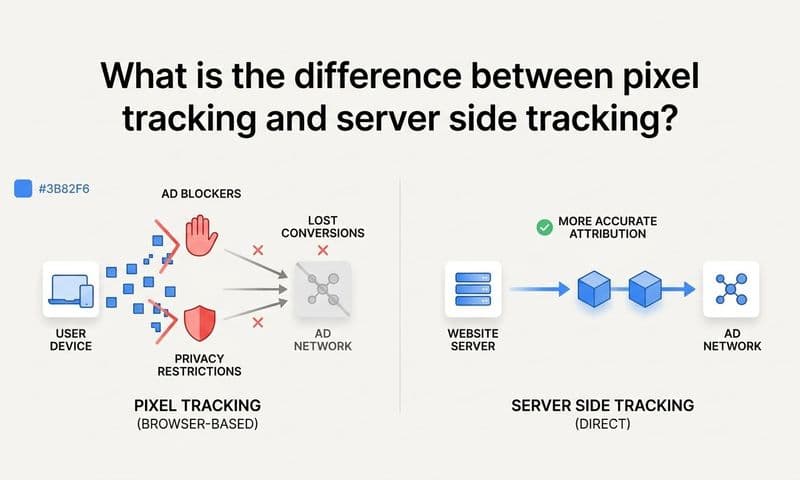
The platform excels at server-side tracking, which bypasses browser restrictions like ad blockers and iOS privacy settings. When users block cookies or opt out of tracking, client-side scripts miss conversions. Segment's server-side implementation captures those events because the data flows through your servers, not the user's browser. This dramatically improves accuracy for businesses dealing with iOS 14+ attribution challenges.
Key Features & Capabilities
Single Implementation Across 300+ Tools: Write tracking code once, and Segment sends data to Google Analytics, Facebook, HubSpot, Salesforce, and hundreds of other platforms automatically.
Server-Side Tracking: Capture conversion data even when users block cookies or disable tracking, improving accuracy by 20-40% compared to client-side scripts.
Real-Time Data Streaming: Events flow to your analytics, marketing, and data warehouse tools instantly, enabling real-time reporting and personalization.
Data Governance Controls: Set rules for which data goes where, ensuring compliance with privacy regulations and preventing sensitive information from reaching the wrong tools.
Event Validation and Debugging: Built-in tools help you verify tracking is working correctly before data reaches downstream platforms, catching errors early.
Best For / Ideal Users
Segment is built for technical teams that manage complex marketing stacks. If you're using five or more analytics and marketing tools, Segment eliminates the nightmare of maintaining separate tracking implementations for each one. It's particularly valuable for companies that frequently test new tools—you can connect or disconnect platforms without touching your website code.
However, Segment is a data pipeline, not an analytics platform. It doesn't provide attribution modeling, reporting dashboards, or conversion analysis. You'll still need tools like Cometly or Google Analytics to actually analyze the data Segment collects. Think of it as the plumbing that connects your data sources to your analysis tools.
Pricing
Segment offers a free plan for up to 1,000 monthly tracked users. Paid plans start at $120/month and scale based on tracked users and data volume, with custom enterprise pricing for large-scale implementations requiring advanced features and dedicated support.
7. Improvado
Best for: Enterprise marketing teams that need automated data aggregation from dozens of ad platforms and marketing tools.
Improvado is a marketing data aggregation platform that pulls data from 500+ sources into a unified dashboard or data warehouse.
 Top 7 Marketing Tracking System Tools To Maximize ROI
Where This Tool Shines
Improvado solves the data consolidation problem that enterprise marketing teams face when managing campaigns across dozens of platforms. Instead of logging into separate dashboards for Google Ads, Facebook, LinkedIn, TikTok, and your CRM, Improvado automatically extracts data from all these sources and centralizes it in one place.
The platform's real strength is data normalization. When Facebook calls something "link clicks" and Google calls it "clicks," Improvado standardizes these metrics so you're comparing apples to apples. This eliminates the manual work of reconciling different naming conventions and metric definitions across platforms.
Improvado also includes AI Agents that automate up to 99.5% of routine analytics tasks—like generating reports, identifying anomalies, and flagging performance changes. This means your team spends less time pulling data and more time acting on insights.
However, Improvado is a data pipeline, not an attribution platform. It shows you what happened across all your channels, but it doesn't track individual customer journeys or connect specific ad clicks to revenue. For attribution modeling, you'd pair Improvado with a tool like Cometly that specializes in tracking conversions back to their original source.
Key Features & Capabilities
Automated Data Extraction: Pulls data from 500+ marketing platforms, ad networks, CRMs, and analytics tools without manual exports or custom API development.
Data Normalization: Standardizes metrics across platforms so "clicks" means the same thing whether it comes from Facebook, Google, or LinkedIn.
Pre-Built Connectors: Includes ready-to-use integrations for major platforms like Google Ads, Meta, TikTok, Salesforce, HubSpot, and more.
BI Tool Integration: Sends unified data to Tableau, Looker, Power BI, or custom dashboards for visualization and analysis.
Data Warehouse Support: Connects to BigQuery, Snowflake, and Redshift for long-term data storage and advanced analytics.
AI-Powered Automation: Uses AI Agents to automate report generation, anomaly detection, and routine analytics tasks.
Best For / Ideal Users
Improvado is built for enterprise marketing teams and agencies managing large-scale campaigns across many platforms. If you're spending hours each week manually exporting CSVs, reconciling metrics, and building reports, Improvado eliminates that work entirely.
It's particularly valuable for teams with complex marketing stacks—multiple ad platforms, several CRMs, various analytics tools—that need everything consolidated into one reporting layer. However, if you're a small business running campaigns on just a few platforms, simpler tools will likely meet your needs at a lower cost.
Keep in mind that Improvado focuses on data aggregation and reporting, not attribution. You'll see comprehensive performance data across all channels, but you won't get customer journey tracking or multi-touch attribution without integrating a dedicated attribution platform.
Pricing
Improvado uses custom pricing based on the number of data sources, data volume, and required integrations. Enterprise plans typically start around $2,000 per month and scale based on usage, features, and support level.
Making the Right Choice
The right marketing tracking system depends on what you're actually trying to measure. If you're running multi-channel paid campaigns and need to connect ad spend to revenue, Cometly gives you AI-powered attribution and real-time tracking across every platform. For businesses already using HubSpot CRM, their native analytics tie marketing directly to pipeline. If phone calls drive your conversions, Ruler Analytics tracks those alongside digital touchpoints.
Google Analytics 4 works for basic website tracking, but it won't show you which specific ads drive revenue. Mixpanel and Segment are powerful for product teams analyzing user behavior, but they're not built for marketing attribution. Improvado and Wicked Reports excel at data aggregation—pulling campaign data into one place—but you'll still need attribution logic to understand what's working.
Most performance marketers need a system that tracks the full customer journey, connects ad clicks to actual revenue, and sends enriched data back to ad platforms for better optimization. That's where Cometly stands out—it's built specifically for marketers who need accurate attribution to scale profitably. Get your free demo to see how AI-powered tracking can transform your campaign decisions.