Most marketers obsess over traffic while ignoring the visitors already on their site. The reality: doubling your conversion rate has the same impact as doubling your traffic—but costs a fraction of the effort.
Yet many CRO efforts fail because they focus on surface-level tweaks rather than understanding what actually drives purchase decisions. Button color tests and headline variations might move the needle slightly, but they don't address the fundamental barriers preventing conversions.
This guide covers eight proven conversion rate optimization techniques that go beyond basic cosmetic changes. Each technique addresses a specific conversion barrier and includes implementation steps you can execute this week.
Whether you're optimizing landing pages, checkout flows, or lead generation forms, these strategies help you extract more revenue from your existing traffic. The compound effect of small improvements at each stage multiplies across your entire funnel—and it all starts with understanding where your current process breaks down.
1. Map Your Conversion Funnel Leaks with Attribution Data
The Challenge It Solves
You can't optimize what you can't measure. Most businesses know their overall conversion rate, but they have no idea where visitors actually drop off in the journey. Without visibility into each touchpoint, you're essentially guessing which pages need improvement.
Traditional analytics tools show you page views and session duration, but they don't connect those metrics to actual revenue. You might see that 60% of visitors leave after viewing your pricing page, but you don't know if those are qualified prospects or tire-kickers who would never convert anyway.
The Strategy Explained
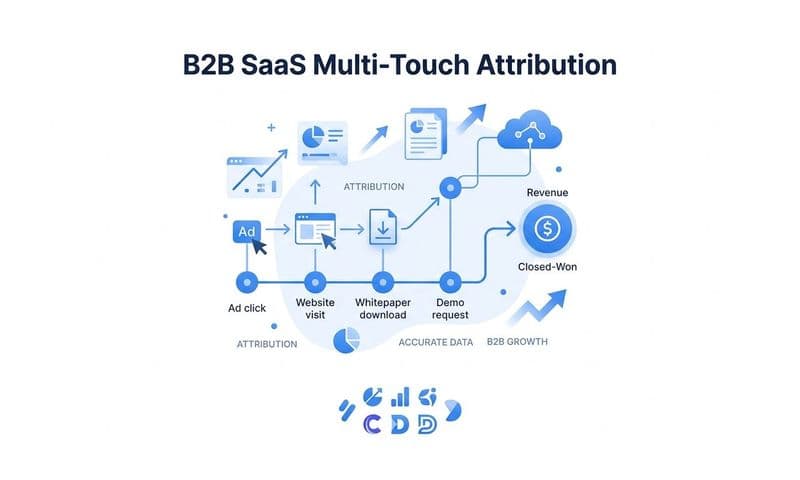
Multi-touch attribution gives you a complete view of every interaction a visitor has before converting—or dropping off. Instead of crediting only the last click before purchase, you see the entire path: which ad they clicked, what blog posts they read, which emails they opened, and where they ultimately made a decision.
This visibility reveals patterns you'd never spot otherwise. You might discover that visitors who engage with comparison content convert at 3x the rate of those who don't. Or that people from certain traffic sources consistently abandon at the same checkout step.
The key is connecting every touchpoint to revenue outcomes, not just engagement metrics. Page views mean nothing if they don't lead to conversions.
Implementation Steps
1. Set up tracking across all customer touchpoints—website visits, ad clicks, email opens, CRM interactions, and conversion events. Ensure your tracking captures both anonymous visitors and identified leads.
2. Map your actual conversion funnel stages based on how customers really move through your process. Don't force them into a linear path if your data shows they jump between stages.
3. Identify your biggest drop-off points by analyzing where qualified prospects exit the funnel. Focus on high-intent visitors who engage deeply but don't convert, not casual browsers.
4. Segment your funnel analysis by traffic source and visitor type. B2B visitors might convert differently than B2C, and paid traffic behaves differently than organic.
Pro Tips
Start with your highest-value conversion paths. If 80% of your revenue comes from a specific customer segment or traffic source, optimize that journey first. Don't waste time improving paths that rarely lead to meaningful conversions.
Look for unexpected patterns in your attribution data. Sometimes the touchpoints you think matter most have minimal impact on actual conversions.
2. Implement Intent-Based Page Personalization
The Challenge It Solves
Generic landing pages treat all visitors the same, even though someone clicking a Facebook ad has completely different intent than someone searching for your specific solution. This mismatch between visitor expectations and page messaging kills conversions before they start.
When your messaging doesn't align with why someone arrived on your page, they bounce immediately. They came looking for an answer to a specific question, and your generic value proposition doesn't address it.
The Strategy Explained
Intent-based personalization customizes your landing page messaging based on how visitors arrived and what they're trying to accomplish. Someone clicking an ad about reducing cart abandonment sees different content than someone searching for general e-commerce analytics.
This goes beyond simple dynamic text replacement. You're matching the entire page experience—headline, subheadline, social proof, and call-to-action—to the visitor's specific intent signal.
The most powerful intent signals come from traffic source, ad campaign, search query, and referring page. Each tells you something different about what the visitor needs to see to move forward.
Implementation Steps
1. Audit your top traffic sources and identify the distinct intent behind each. Group them into categories: problem-aware (searching for solutions), solution-aware (comparing options), and product-aware (evaluating your specific tool).
2. Create personalized variations of your key landing pages for each intent category. Focus on your highest-traffic pages first—homepage, main product page, and top-performing ad landing pages.
3. Match your headline and opening copy to the visitor's awareness stage. Problem-aware visitors need education about solutions. Solution-aware visitors need comparison points. Product-aware visitors need specific feature details and proof.
4. Test your personalized variations against your control page, measuring not just conversion rate but quality of leads. Higher conversion rates mean nothing if the leads don't close.
Pro Tips
Don't personalize everything at once. Start with your headline and primary call-to-action, then expand to other elements once you validate the impact. Over-personalization can backfire if the experience feels disconnected or inconsistent.
Pay special attention to paid traffic sources where you control the messaging. Your ad and landing page should feel like a continuous conversation, not a jarring transition.
3. Reduce Form Friction with Progressive Profiling
The Challenge It Solves
Long forms kill conversions, but you need detailed information to qualify and nurture leads effectively. This creates a painful tradeoff: sacrifice conversion rates for data quality, or accept low-quality leads you can't effectively market to.
The problem intensifies in B2B contexts where you genuinely need company size, industry, and use case details to route leads appropriately. But asking for ten fields upfront makes your form feel like an interrogation.
The Strategy Explained
Progressive profiling collects lead information gradually across multiple interactions instead of demanding everything at once. Your initial form asks only for essential information—typically name and email. Then, on subsequent visits or interactions, you request additional details.
This approach recognizes that trust builds over time. Someone willing to download a guide might share their email address but not their phone number. After they've engaged with your content and seen value, they're more willing to provide additional information.
The technique works because each interaction feels like a fair exchange: you provide value, they share a bit more about themselves. By the time they reach your sales team, you have a complete profile without ever presenting an intimidating form.
Implementation Steps
1. Identify the minimum information you need for initial lead capture. For most businesses, this is just email address and perhaps name. Anything beyond that should be progressive.
2. Map out your typical lead journey and identify natural points to request additional information. After someone downloads content, watches a demo, or returns to your site multiple times, they're more willing to share details.
3. Configure your forms to hide fields where you already have data and show new questions instead. If someone already gave you their email, ask for company size or role on their next interaction.
4. Prioritize which additional fields to request based on how you'll use the data. Don't ask for information you won't actually use for segmentation or personalization.
Pro Tips
Make the value exchange explicit. When asking for additional information, clearly state why you need it and what benefit the visitor receives. "Help us personalize your experience" is vague. "Tell us your industry so we can show relevant case studies" is specific and valuable.
Track form abandonment rates at each step of your progressive profiling sequence. If a particular question consistently causes drop-offs, either remove it or delay asking until later in the journey.
4. Deploy Exit-Intent Offers Based on Page Behavior
The Challenge It Solves
Visitors leave your site for dozens of reasons, but generic exit-intent popups treat all departures the same. Someone who spent ten minutes reading your pricing page has completely different needs than someone who bounced after five seconds on your homepage.
Worse, most exit-intent offers feel desperate or manipulative—like the website equivalent of a salesperson chasing you out of the store. This damages trust rather than building it.
The Strategy Explained
Behavior-based exit-intent offers trigger different messages depending on what the visitor actually did on your site. Someone who viewed multiple product pages but didn't start a trial might see a personalized demo offer. Someone who only viewed a single blog post might see a related content recommendation.
The key is matching your offer to their demonstrated intent. If they spent time on pricing but didn't convert, they likely have budget concerns or comparison questions. Your exit offer should address that specific barrier, not just throw a generic discount at them.
This approach turns exit-intent from an annoyance into a helpful intervention. You're not begging them to stay—you're offering a relevant next step based on what they've already shown interest in.
Implementation Steps
1. Segment your exit-intent triggers by page type and visitor behavior. Create different offers for high-intent pages (pricing, product pages, comparison pages) versus low-intent pages (blog posts, general information pages).
2. Design offers that address specific objections or needs based on page context. Pricing page exits might need a cost calculator or ROI guide. Feature page exits might need a comparison chart or demo video.
3. Set behavioral thresholds before triggering exit-intent. Don't interrupt someone who just arrived—wait until they've spent at least 30 seconds on the page or scrolled past a certain point.
4. Test different offer types: content downloads, demo requests, comparison guides, or simple email capture for future nurturing. Track not just popup conversion rate but downstream impact on actual sales.
Pro Tips
Limit exit-intent frequency per visitor. Showing the same popup on every page visit trains people to ignore it. Once per session or once per week is usually sufficient.
For high-intent pages like pricing or checkout, consider exit-intent offers that provide immediate value rather than asking for more information. A pricing calculator or feature comparison helps them make a decision right now.
5. Optimize for Micro-Conversions That Predict Revenue
The Challenge It Solves
Focusing solely on final conversions means you're optimizing in the dark for most of your funnel. If only 2% of visitors convert, you're ignoring the 98% who don't—even though many of them showed meaningful engagement signals.
This creates a data problem: you don't have enough conversion volume to run statistically significant tests, and you can't identify which earlier-stage behaviors actually correlate with eventual purchases.
The Strategy Explained
Micro-conversions are engagement actions that predict eventual revenue even when they don't immediately generate it. These might include watching a demo video, using an interactive calculator, downloading a comparison guide, or viewing multiple product pages in a session.
The goal is identifying which early-stage behaviors correlate with closed deals, then optimizing to increase those behaviors. If you discover that people who use your ROI calculator convert at 5x the rate of those who don't, increasing calculator usage becomes a legitimate conversion goal.
This approach gives you more data to work with and reveals optimization opportunities you'd otherwise miss. You can improve the path to conversion even when final conversion volume is low.
Implementation Steps
1. Identify all meaningful engagement actions visitors can take before converting. List everything from content downloads to tool usage to specific page views.
2. Analyze which micro-conversions actually correlate with revenue. Track users who completed each action and measure their eventual conversion rate and customer value. Focus on behaviors that show strong correlation.
3. Set up tracking and goals for your highest-value micro-conversions. Treat them as legitimate conversion events in your analytics, not just vanity metrics.
4. Optimize your site to increase completion of predictive micro-conversions. If calculator usage predicts revenue, make the calculator more prominent and easier to use.
Pro Tips
Don't assume which behaviors matter—let the data tell you. The engagement actions you think are important might have zero correlation with actual conversions. Test your assumptions.
Track micro-conversion sequences, not just individual actions. Someone who downloads a guide AND watches a demo might convert at much higher rates than someone who does just one. Understanding these patterns reveals your optimal conversion path.
6. Build Social Proof That Matches Visitor Segments
The Challenge It Solves
Generic testimonials and case studies fail because visitors can't see themselves in the success stories. A small business owner doesn't care that you helped a Fortune 500 company—they need proof you've solved problems for businesses like theirs.
This mismatch makes your social proof ineffective or even counterproductive. Showing enterprise case studies to SMB visitors signals that your product isn't built for them.
The Strategy Explained
Segmented social proof displays testimonials, case studies, and customer logos relevant to each visitor's industry, company size, or use case. Someone from e-commerce sees e-commerce success stories. Someone from SaaS sees SaaS examples.
This relevance dramatically increases the impact of your social proof. When visitors see companies similar to theirs succeeding with your product, they can envision the same results. The proof becomes personally applicable rather than abstractly impressive.
The technique works best when you can infer visitor segment from their behavior or stated information. Traffic source, page path, and any form data you've collected all provide segmentation signals.
Implementation Steps
1. Organize your testimonials and case studies by customer segment. Create categories based on industry, company size, use case, or whatever dimensions matter most to your buyers.
2. Identify signals you can use to infer visitor segment. These might include traffic source, pages viewed, content downloaded, or explicit information they've provided through forms.
3. Implement dynamic social proof that displays relevant testimonials based on visitor segment. Start with your highest-traffic pages and most clear-cut segments.
4. Create segment-specific case study landing pages that dive deep into how you've solved problems for similar companies. Link to these from your main product pages when you detect matching visitor characteristics.
Pro Tips
Specificity matters more than impressiveness. A detailed story about solving a specific problem resonates more than vague praise about being "the best solution." Focus on concrete results and relatable challenges.
When you lack enough case studies to segment effectively, use industry-specific language and examples in your copy instead. You can still create relevance through how you describe your solution, even without formal case studies.
7. Create Urgency Through Data-Driven Scarcity
The Challenge It Solves
Fake urgency tactics—countdown timers that reset, invented scarcity, false "limited spots"—have trained visitors to ignore urgency altogether. But genuine urgency remains one of the most powerful conversion drivers when it's authentic.
The challenge is creating real urgency without resorting to manipulative tactics that damage trust. You need scarcity that's both motivating and truthful.
The Strategy Explained
Data-driven scarcity uses actual information about your business operations to create authentic urgency. This might include real inventory levels, genuine enrollment deadlines, actual calendar availability, or truthful pricing changes.
The key is transparency: you're not manufacturing urgency, you're communicating real constraints. If you genuinely only have three consultation slots available this week, saying so creates urgency without dishonesty.
This approach works because modern buyers can spot fake urgency instantly. But when they see real constraints backed by specific data, they understand the genuine need to act now rather than later.
Implementation Steps
1. Identify real scarcity factors in your business. These might include limited service capacity, seasonal pricing changes, beta program enrollment caps, or genuine inventory constraints.
2. Display specific, verifiable scarcity information rather than vague urgency claims. "3 consultation slots remaining this week" is specific. "Limited availability" is vague and suspicious.
3. Update scarcity messaging in real-time based on actual data. If you show available slots, ensure the number decreases as they're booked. Nothing destroys trust faster than urgency claims that never change.
4. Combine urgency with clear value communication. Scarcity alone isn't persuasive—visitors need to understand why acting now matters. Explain what they'll miss if they wait.
Pro Tips
Event-based urgency often feels more authentic than ongoing scarcity. Webinar registrations, seasonal promotions, or beta program launches create natural deadlines that don't require artificial constraints.
Be specific about what happens after the deadline. "Price increases to $X" is more credible than "offer expires." Give visitors concrete information to make an informed decision.
8. Feed Conversion Data Back to Ad Platforms
The Challenge It Solves
Ad platform algorithms optimize based on the conversion data you send them. But if you're only tracking surface-level actions—form submissions or trial signups—the algorithms optimize for volume, not quality. You get more conversions that don't actually generate revenue.
This misalignment between what you measure and what actually matters creates a vicious cycle. Your ad platforms think they're performing well because they're driving conversions, but those conversions aren't turning into customers.
The Strategy Explained
Feeding enriched conversion data back to ad platforms means sending information about actual revenue outcomes, not just initial conversion events. When someone who clicked your Facebook ad eventually becomes a customer, you send that information back to Facebook's algorithm.
This allows the platform's machine learning to optimize for actual business results. Instead of finding people likely to fill out a form, it finds people likely to become valuable customers. The algorithm gets smarter about which audiences and creative approaches drive real revenue.
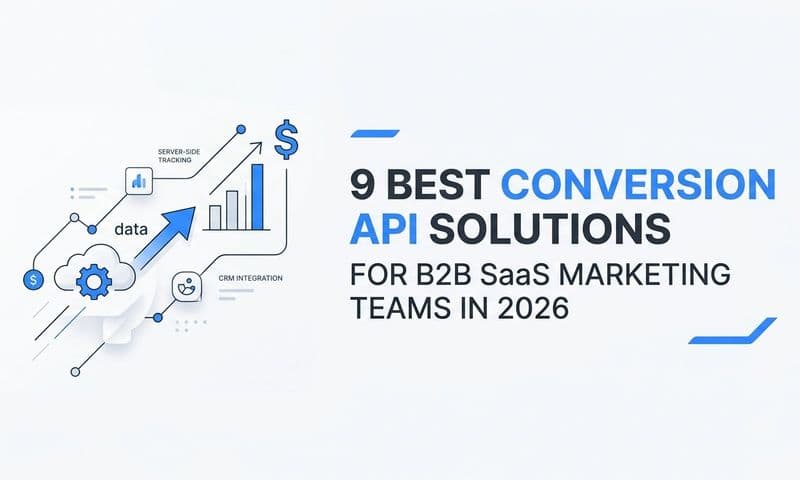
The technique requires connecting your conversion tracking to your CRM or revenue data, then sending that enriched information back through conversion APIs. It's technically more complex than basic pixel tracking, but the improvement in ad performance makes it worthwhile.
Implementation Steps
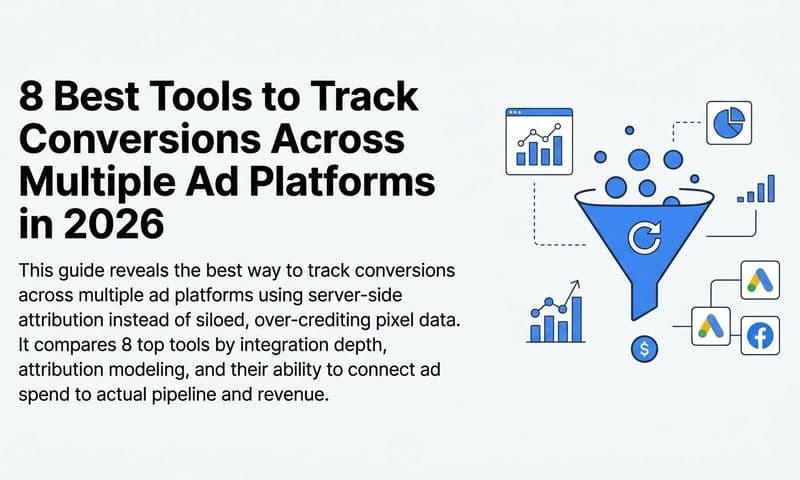
1. Implement server-side conversion tracking that captures the full customer journey from ad click through final purchase. Client-side tracking alone misses too many conversions due to browser limitations and privacy changes.
2. Connect your conversion tracking to your CRM or revenue system so you can attribute closed deals back to original ad interactions. This creates the data foundation for enriched conversion events.
3. Set up conversion APIs with your ad platforms to send back enriched event data. Include revenue values, customer lifetime value predictions, and other signals that indicate conversion quality.
4. Configure your ad campaigns to optimize for these enriched conversion events rather than surface-level actions. Let the algorithm chase revenue, not just form fills.
Pro Tips
Start with your highest-volume ad platforms first. If you're spending significantly on Facebook or Google, improving their optimization will have immediate impact. Expand to other platforms once you've validated the approach.
Track both immediate conversions and delayed conversions. B2B sales cycles mean someone might convert weeks or months after clicking an ad. Capturing these delayed conversions gives platforms crucial data they'd otherwise miss.
Your Implementation Roadmap
Effective conversion rate optimization isn't about running endless tests on button colors—it's about understanding your customer journey and removing barriers at each stage.
Start with technique #1: mapping your funnel leaks with proper attribution. You can't optimize what you can't measure. Once you know where visitors drop off, prioritize the techniques that address your biggest leaks.
For most businesses, that means improving form friction and page personalization before worrying about exit-intent popups. Focus on the fundamentals first—understanding your data, matching messaging to intent, and reducing unnecessary friction.
The compound effect of these techniques is significant. Improving conversion rates by even small percentages at each stage multiplies across your entire funnel. A 10% improvement at three different stages compounds to a 33% overall lift.
The key is having accurate data to guide your decisions—knowing which channels actually drive revenue, not just clicks. Without proper attribution connecting every touchpoint to revenue outcomes, you're optimizing based on incomplete information.
Ready to elevate your marketing game with precision and confidence? Discover how Cometly's AI-driven recommendations can transform your ad strategy—Get your free demo today and start capturing every touchpoint to maximize your conversions.