

Conversion Tracking12 minute read
How to Set Up a Google Ads Conversion API Workflow (Server-Side)
A practical guide to google ads conversion api.

Matt PattoliOctober 2, 2026
Learn how conversion tracking works across ad platforms and how to implement it to see which ads, channels, and actions drive real results.
A practical guide to google ads conversion api.
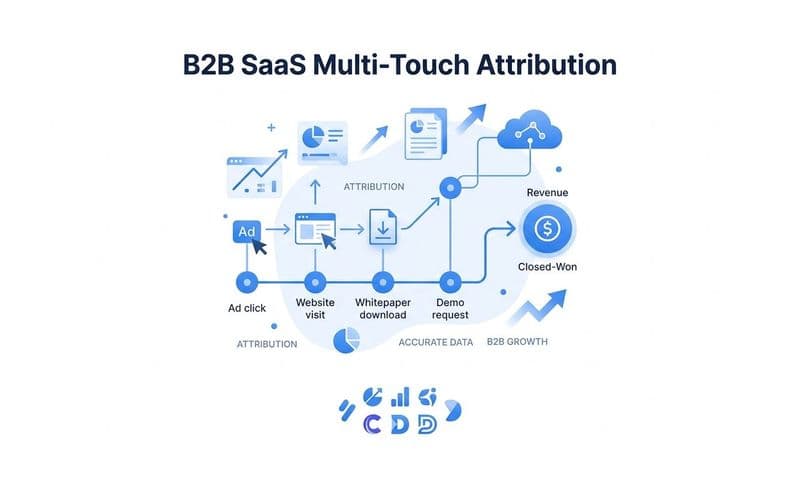
This guide ranks the best multi-touch attribution tools for B2B SaaS based on how accurately they connect ad spend to CRM deal stages and closed-won revenue. It compares nine platforms, including Cometly and Dreamdata, on server-side tracking accuracy and B2B-specific sales cycle fit.
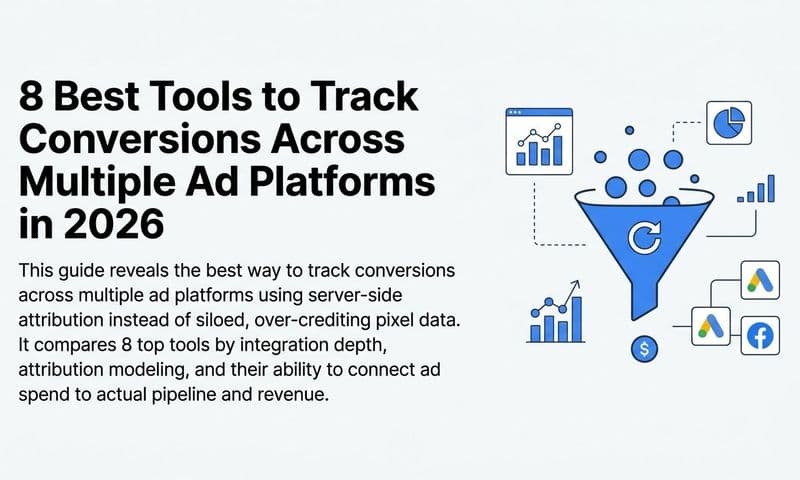
This guide reveals the best way to track conversions across multiple ad platforms using server-side attribution instead of siloed, over-crediting pixel data. It compares 8 top tools by integration depth, attribution modeling, and their ability to connect ad spend to actual pipeline and revenue.
This guide ranks the best conversion API solution options for B2B SaaS marketing teams, comparing Cometly, native ad platform tools, and third-party attribution platforms on server-side tracking accuracy and CRM revenue integration. It's built for teams whose deals close weeks after the ad click, not on the landing page.

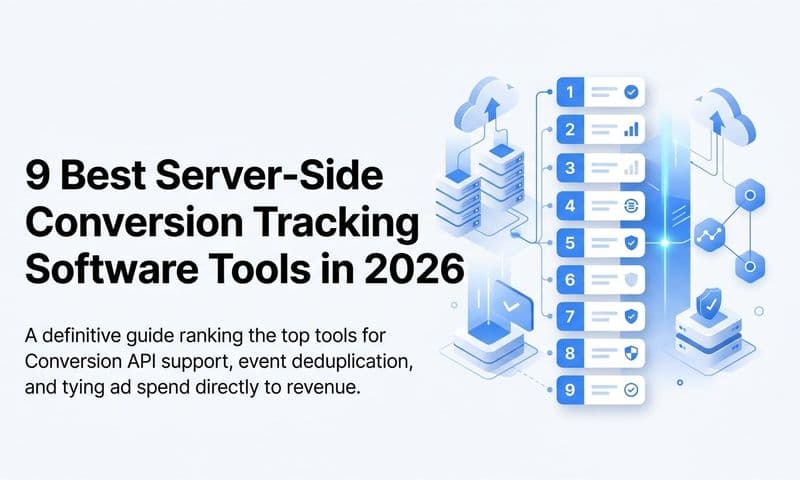
This guide ranks the 9 best server-side conversion tracking software tools of 2026, comparing their Conversion API support, event deduplication accuracy, and ability to tie ad spend directly to revenue rather than just clicks.

This guide answers how do I recover conversions lost to iOS 14 by walking through diagnosing tracking gaps, implementing server-side Conversion APIs, and deduplicating events to restore accurate Meta and Google ad reporting.

This guide explains how do I deduplicate conversions between pixel and server side tracking by sending a shared, unique event ID with both browser and server-side events, then verifying dedup accuracy using a platform like Cometly. It covers setup for Meta and Google, testing for duplicate conversions, and the access and tools you'll need to get it working correctly.

This guide answers how do I set up tiktok events api by walking through generating an access token, connecting it to your Pixel ID, mapping conversion events, and verifying them in Events Manager. It also highlights common funnel mapping and deduplication mistakes B2B SaaS teams make during setup.
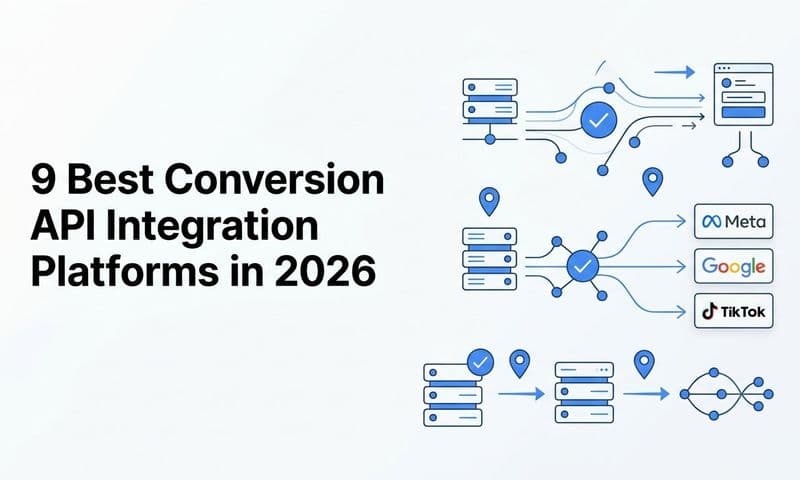
This guide ranks the 9 best conversion API integration platforms in 2026 — including Cometly, Segment, Stape, and RudderStack — evaluating each on server-side event tracking quality, data enrichment, and ad platform compatibility. Whether you're a B2B SaaS team, ecommerce brand, or agency, it helps you choose the right platform to send accurate first-party conversion data to Meta, Google, and TikTok.

Setting up conversion tracking that works with iOS privacy restrictions requires moving beyond browser-based pixels to server-side event tracking paired with Meta's Conversion API or Google's Enhanced Conversions — bypassing ITP and ATT entirely. This guide explains why client-side pixels fail under iOS privacy rules and how to build a layered, privacy-resilient tracking system using tools like Cometly.
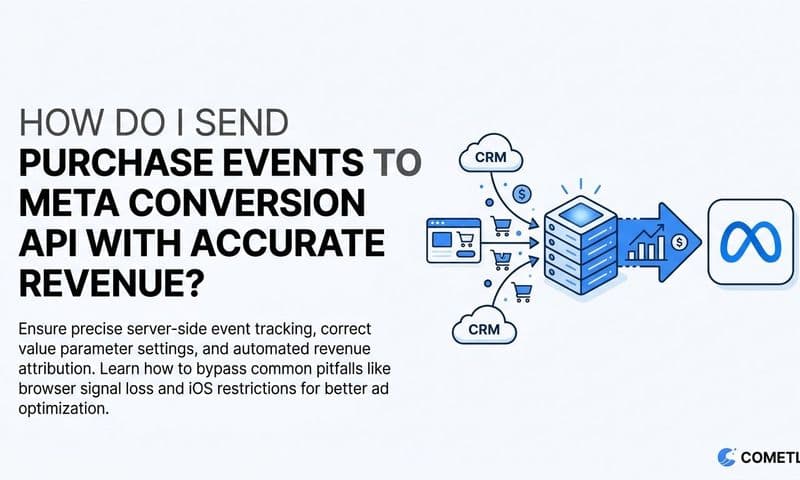
Sending purchase events to the Meta Conversion API with accurate revenue requires server-side event firing after payment confirmation, with correct value and currency parameters sourced from your payment processor or CRM. This guide explains how to avoid common pitfalls like duplicate events, browser-pixel misfires, and iOS tracking restrictions — and how tools like Cometly can automate accurate revenue attribution without custom code.
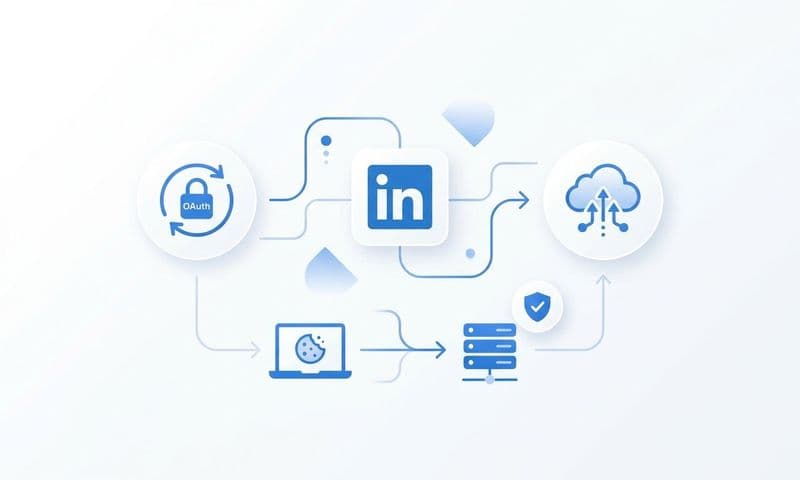
This guide explains how to set up the LinkedIn Conversion API by authenticating with OAuth 2.0, sending server-side conversion events, and deduplicating browser and server data — giving B2B teams cleaner attribution even when ad blockers or cross-device journeys disrupt standard pixel tracking. It also covers how tools like Cometly can streamline the entire process through a native integration.

This guide answers the question of how do I reduce my cost per lead with better conversion tracking by walking B2B SaaS marketers through six concrete steps — from closing server-side tracking gaps to reallocating budget based on accurate attribution data. Accurate conversion signals help ad platforms optimize toward real buyers, not low-intent form fills, driving CPL down sustainably.

Facebook CAPI and Google Enhanced Conversions both solve browser-based tracking limitations by sending first-party conversion data server-side, but they differ in platform, matching signals, and technical setup. This guide breaks down exactly how each technology works and how platforms like Cometly let B2B SaaS teams run both simultaneously.

This guide explains how to set up the Snapchat Conversion API, walking marketers through token generation, server-side event configuration, and verification — and showing how tools like Cometly can automate deduplication, first-party data enrichment, and multi-touch attribution without custom engineering work.

Verifying your Conversion API setup goes beyond confirming events appear in your ad platform — it requires checking event names, volumes, deduplication, and Event Match Quality scores to ensure no conversions are silently lost or double-counted. Tools like Cometly simplify this process by providing a unified server-event log across Meta, Google, and other channels in a single dashboard.