
You're running ads across Meta, Google, and TikTok. You're tracking conversions with pixels. Your dashboard shows 100 conversions, but your ad platforms only see 60. Where did the other 40 go?
This isn't a technical glitch—it's the new reality of browser-based tracking. iOS privacy updates block tracking. Safari restricts cookies. Ad blockers erase your pixels before they fire. Every day, you're losing visibility into the customer journeys that actually drive revenue.
Server-side tracking solves this by moving data collection from the browser to your server. Instead of hoping a pixel fires in someone's browser, you capture conversion data directly on your server and send it to ad platforms via secure APIs. The result? More complete data, better attribution, and ad algorithms that actually know which campaigns are working.
This guide walks you through the complete process of implementing server-side tracking. You'll learn what it does, how to audit your current setup, which implementation approach fits your team, and exactly how to connect everything from your website to your ad platforms. No deep technical expertise required—just clear steps that get you to accurate tracking within days.
Whether you're a solo marketer managing multiple campaigns or leading a team that needs reliable attribution across channels, you'll have a practical roadmap to implement tracking that works in today's privacy-first landscape.
Step 1: Understand What Server-Side Tracking Actually Does (And Why It Matters Now)
Let's start with the basics. Client-side tracking—what most marketers use today—relies on JavaScript code (pixels) that runs in a visitor's browser. When someone clicks your ad and converts, the pixel fires and sends data directly from their browser to the ad platform. Simple, right?
The problem is that browsers have become hostile territory for tracking. Apple's iOS 14.5 update introduced App Tracking Transparency, requiring apps to ask permission before tracking users across other apps and websites. Most users decline. Safari's Intelligent Tracking Prevention limits third-party cookies to seven days and first-party cookies to 24 hours in certain scenarios. Ad blockers strip out tracking scripts before they ever load. Chrome is phasing out third-party cookies entirely.
The result? Your pixels are firing less often, capturing incomplete data, and leaving your ad platforms blind to conversions that actually happened. Understanding the server-side vs client-side tracking differences is essential for modern marketers.
Server-side tracking takes a different approach. Instead of relying on browser pixels, it captures conversion data directly on your server—before it reaches the visitor's browser. When someone converts, your server logs the event, enriches it with additional data from your CRM or database, and sends it to ad platforms via secure APIs like Meta's Conversions API, Google's offline conversions, or TikTok's Events API.
Think of it like this: Client-side tracking is like asking a customer to mail you a postcard confirming their purchase. Server-side tracking is like recording the purchase directly in your point-of-sale system and sending the receipt yourself. One method relies on the customer following through. The other is under your control.
The business impact is significant. You recover conversion data that would otherwise be lost. Your attribution becomes more accurate because you're tracking the full customer journey, not just the touchpoints browsers allow. Ad platform algorithms receive better data, which improves their optimization and targeting. You can match conversions to users even when cookies are blocked or deleted. Learn more about why server-side tracking is more accurate than traditional methods.
This isn't about tracking users more aggressively—it's about accurately measuring the marketing activities you're already running. When your data is incomplete, you make decisions based on partial information. You scale campaigns that look profitable but aren't. You pause campaigns that are actually working but appear to underperform. Server-side tracking gives you the complete picture.
Step 2: Audit Your Current Tracking Setup and Identify Gaps
Before implementing server-side tracking, you need to understand what you're working with. Start by documenting every tracking mechanism currently in place.
Open your website's source code and look for tracking pixels. You'll typically find Meta Pixel code, Google Ads conversion tracking, TikTok Pixel, and possibly others. Note which events each pixel is tracking: page views, add to cart, purchases, form submissions. Check if you're using Google Tag Manager—it's a container that holds multiple tracking tags.
We break down the leading options in our AI UGC for TikTok guide.
Now look for signs that your tracking is underreporting. Compare conversion numbers in your ad platform dashboards against your actual sales data or CRM records. If Meta shows 50 conversions but your CRM logged 75 new leads from the same time period, you have a 33% data gap. That's 25 conversions your ads drove but Meta doesn't know about—meaning its algorithm can't optimize properly. This is a common symptom of losing tracking data from cookies.
Check your attribution reports for missing touchpoints. Can you trace a customer's journey from first click to final purchase? If you see conversions appearing without any prior interaction history, your tracking is missing steps. This is common when users switch devices, clear cookies, or interact across multiple sessions.
Create a simple inventory document. List every ad platform you're running: Meta, Google, TikTok, LinkedIn, Pinterest. For each platform, note which conversion events matter most. Are you tracking purchases, lead form submissions, demo requests, trial signups? Write down the current conversion volume you see in each platform versus what you know actually happened.
Next, document your traffic sources. Which campaigns drive the most conversions? Are you using UTM parameters consistently to track source, medium, and campaign? If your UTM tagging is inconsistent, server-side tracking won't magically fix attribution—you need clean source data going in. Understanding attribution tracking methods helps you identify where gaps occur.
Finally, identify what CRM or sales data you want connected. Do you close deals weeks or months after the initial lead? That delayed conversion data needs to flow back to your ad platforms so they understand which campaigns drive actual revenue, not just form fills. If you're using HubSpot, Salesforce, or another CRM, note which fields contain the data you need: deal value, close date, lead source.
This audit reveals exactly where your tracking breaks down and what you need server-side tracking to solve. You're not implementing technology for its own sake—you're fixing specific, measurable gaps in your data.
Step 3: Choose Your Server-Side Tracking Implementation Approach
You have two main paths to implement server-side tracking: build it yourself or use a platform that handles it for you. Each has clear tradeoffs.
The build-it-yourself approach typically involves Google Tag Manager Server-Side Container. You set up a server container on your own infrastructure (usually Google Cloud Platform), configure it to receive data from your website, and build custom tags that send conversion data to each ad platform's API. This gives you complete control and flexibility. For a detailed comparison, check out Google Analytics vs server-side tracking.
The reality? It's time-intensive and technically demanding. You need developers who understand server infrastructure, API authentication, data mapping, and ongoing maintenance. Every time an ad platform updates its API, you need to update your implementation. When you add a new conversion event, you're writing and testing custom code. For large enterprises with dedicated engineering resources, this works. For most marketing teams, it's a distraction from actual marketing.
The platform approach uses a dedicated attribution and tracking solution like Cometly. You install a single tracking snippet on your website, connect your ad platforms through a dashboard, and the platform handles all the server-side data collection and API connections automatically. When Meta updates its Conversions API, the platform updates its integration. When you want to add TikTok tracking, you click a button.
Consider these factors when choosing your approach. Do you have dedicated engineering resources available for ongoing tracking maintenance? If not, the DIY route will consume time better spent optimizing campaigns. How many ad platforms are you running? Each platform requires separate API integration and maintenance—multiply that complexity by every platform in your stack. How quickly do you need this working? Building custom takes weeks or months. Platform solutions can be live in days. Review the server-side tracking tools compared to make an informed decision.
Most marketing teams choose the platform approach for practical reasons. You get faster implementation, automatic updates, built-in integrations with major ad platforms, and support when things break. You're not building tracking infrastructure—you're using tracking infrastructure so you can focus on marketing strategy and campaign optimization.
If you're a solo marketer or small team running campaigns across multiple platforms, a platform like Cometly makes the most sense. If you're an enterprise with unique tracking requirements and dedicated engineering resources, custom implementation might be worth the investment. For everyone else, the platform approach gets you to accurate data faster and with less ongoing maintenance burden.
Step 4: Connect Your Website and Install Tracking Code
Once you've chosen your implementation approach, it's time to get tracking code on your website. If you're using a platform solution, this is typically a single JavaScript snippet that goes in your website's header section.
The snippet looks similar to other tracking codes you've installed—a few lines of JavaScript that load the tracking library and initialize it with your account identifier. If you're using WordPress, Shopify, Webflow, or another CMS, you'll typically paste this code into a "Custom Code" or "Header Scripts" section in your site settings. If you're working with a developer, send them the snippet with instructions to add it before the closing head tag on every page.
After the code is installed, configure which events you want to track. Start with the fundamentals: page views, button clicks, form submissions, and purchases. Most platforms let you set up event tracking through a visual interface—you point and click on elements you want to track rather than writing custom code. Understanding what server-side event tracking entails helps you configure events correctly.
For e-commerce sites, you'll want to capture the complete purchase flow: product views, add to cart, initiate checkout, and completed purchase. Make sure you're passing transaction value and product details with each event. Ad platforms use this data to optimize for revenue, not just conversion volume. If you're running WooCommerce, explore server-side tracking for WooCommerce specifically.
For lead generation sites, focus on form submissions, demo requests, and content downloads. If you have multi-step forms, track each step so you can see where users drop off. This helps you optimize conversion paths, not just measure final conversions.
Set up first-party data collection to capture visitor information server-side. This typically means collecting email addresses, phone numbers, and other identifiers when users submit forms. The platform hashes this data for privacy, then uses it to match conversions back to specific ad clicks even when cookies are blocked. This is how server-side tracking recovers attribution that browser pixels miss. Learn more about first-party data tracking setup for optimal results.
Now verify everything is working. Most platforms provide a real-time event dashboard where you can see events firing as they happen. Open your website in a new browser window, navigate through a conversion path, and watch events appear in the dashboard. If you see page views but not form submissions, something's misconfigured with your event tracking.
Use browser developer tools for additional verification. Open Chrome DevTools (right-click anywhere and select "Inspect"), go to the Network tab, and filter for requests to your tracking domain. Trigger a conversion event and watch for the corresponding network request. If it fires, your client-side tracking is working. The server-side component is now capturing that data and sending it to ad platforms via API.
Don't try to track everything at once. Start with your most important conversion events, verify they're working, then expand to additional events. It's better to have five events tracking accurately than twenty events tracked inconsistently.
Step 5: Integrate Your Ad Platforms and CRM
With tracking installed on your website, you're capturing conversion data server-side. Now you need to connect that data to your ad platforms so they can use it for optimization and attribution.
Start with Meta. You'll connect Meta's Conversions API, which allows your server to send conversion events directly to Meta's systems. In your tracking platform dashboard, find the Meta integration section. You'll need to authenticate with your Meta Business Manager account and select which ad accounts should receive conversion data. The platform handles the technical API connection—you're just authorizing it to send data on your behalf.
Map your conversion events to Meta's standard event names. If you're tracking "Purchase" events, map them to Meta's "Purchase" event. If you're tracking "Demo Request" submissions, map them to Meta's "Lead" event. This standardization ensures Meta understands what each event represents and can optimize accordingly. Understanding what server-side conversion tracking involves helps you map events correctly.
Repeat this process for Google Ads. You'll connect Google's offline conversions feature, authenticate with your Google Ads account, and map your events to Google's conversion actions. If you're running Google Analytics 4, you can often connect that as well to unify your tracking across Google's ecosystem.
For TikTok, connect the TikTok Events API. The process is similar: authenticate, select your ad account, map events. If you're running campaigns on LinkedIn, Pinterest, or other platforms, connect those integrations as well. Most attribution platforms support the major ad networks with pre-built integrations. Managing attribution tracking for multiple campaigns becomes much simpler with proper integrations.
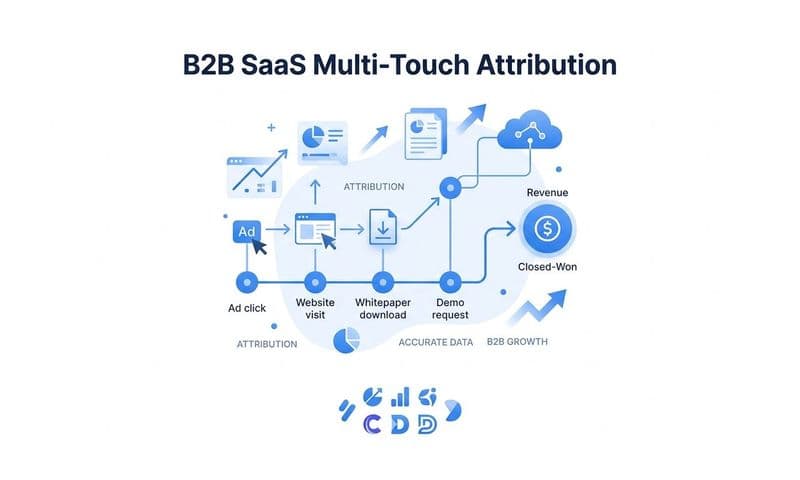
Now link your CRM. This is where server-side tracking becomes especially powerful. When someone fills out a lead form, that data goes into your CRM. Weeks later, your sales team closes the deal. That closed deal—the actual revenue—needs to flow back to your ad platforms so they know which campaigns drive real business outcomes, not just form submissions.
Connect HubSpot, Salesforce, or whichever CRM you use. You'll typically map CRM fields to tracking properties: deal amount maps to conversion value, close date maps to conversion time, deal stage maps to conversion status. When a deal closes in your CRM, the platform automatically sends that conversion data back to Meta, Google, and other ad platforms with full attribution to the original ad click.
Enable conversion sync to feed enriched data back to ad platform algorithms. This is a key feature in platforms like Cometly. Instead of just telling Meta "a conversion happened," you're sending enriched data: this conversion came from a qualified lead who became a customer worth $5,000, and here's their hashed email for better matching. Ad platforms use this enriched data to improve targeting and find more high-value customers.
Set up conversion windows that match your sales cycle. If you typically close deals within 30 days, configure your attribution window to 30 days. If your sales cycle is 90 days, extend the window. This ensures ad platforms get credit for conversions that happen after their default attribution windows expire.
Test each integration by triggering a test conversion and verifying it appears in both your tracking dashboard and the connected ad platform. Check that conversion values are passing correctly, that events are attributed to the right campaigns, and that the timing makes sense. If you see conversions appearing in your dashboard but not in Meta, there's likely a configuration issue with the API connection.
Step 6: Test, Validate, and Monitor Your Data Quality
Your server-side tracking is now live, but implementation is only half the battle. You need to verify data quality and establish ongoing monitoring to catch issues before they impact your campaigns.
Run controlled test conversions to validate end-to-end tracking. Click one of your ads, complete a conversion on your website, and track that conversion through your entire system. It should appear in your tracking dashboard within seconds. Within minutes to hours (depending on API processing time), it should appear in the ad platform's conversion reporting. If it doesn't, troubleshoot the connection.
Compare your new server-side data against your existing pixel data. This reveals how much conversion data you were missing. Look at the same time period—say, the last 7 days—and compare total conversions reported by your old pixel tracking versus your new server-side tracking. Many marketers discover they were underreporting by 20-40% or more, depending on their audience and industry. This directly impacts your ability to improve ROAS with better tracking.
Don't immediately turn off your pixel tracking. Run both systems in parallel for at least two weeks. This gives you a comparison baseline and ensures your server-side tracking is capturing everything before you rely on it exclusively. Some marketers run both permanently—server-side tracking for accuracy and attribution, pixel tracking as a backup and for platform optimization features that still require pixel data.
Set up alerts for tracking issues. Most platforms let you configure notifications when conversion volume drops significantly, when specific events stop firing, or when API connections fail. These alerts catch problems early—like when someone accidentally removes your tracking code during a website update, or when an API authentication token expires.
Establish a weekly data quality check-in. Every Monday, review your conversion data across all platforms. Look for anomalies: sudden drops in conversion volume, mismatched attribution between platforms, or events that stopped tracking. Compare your tracking dashboard numbers against your CRM or sales data to ensure alignment. Leverage conversion tracking analytics to identify patterns and issues quickly.
Monitor your conversion match rates—the percentage of conversions your tracking platform successfully matches back to specific ad clicks. Higher match rates mean better attribution. If your match rate drops, it could indicate issues with first-party data collection, cookie handling, or API connections.
Watch for platform updates that might affect tracking. When Meta releases a new version of the Conversions API or Google updates its offline conversion requirements, make sure your tracking platform implements those changes. If you built custom tracking, you'll need to update your code manually. If you're using a platform solution, they typically handle updates automatically, but verify in release notes.
Review your event mapping periodically. As your business evolves, you might add new conversion types or change how you define success. Make sure your tracking evolves with your business. If you launch a new product line with a different conversion flow, configure tracking for those events.
The goal isn't perfect data—that doesn't exist. The goal is consistent, reliable data that's significantly more accurate than browser-based tracking alone. Server-side tracking gets you there, but only if you actively monitor and maintain it.
Your Server-Side Tracking Launch Checklist
You now have a complete roadmap to implement server-side tracking. Let's recap the six steps as a quick-start checklist you can follow:
Step 1: Understand what server-side tracking does and why browser-based tracking is failing in today's privacy-first landscape.
Step 2: Audit your current tracking setup, document conversion gaps, and identify which platforms and events need accurate tracking.
Step 3: Choose between building custom server-side tracking or using a platform solution based on your technical resources and speed requirements.
Step 4: Install tracking code on your website, configure event tracking, and verify events are firing correctly.
Step 5: Connect your ad platforms via their APIs (Meta Conversions API, Google offline conversions, TikTok Events API) and integrate your CRM for closed-loop attribution.
Step 6: Test conversions end-to-end, compare data quality against old tracking, and establish ongoing monitoring routines.
Server-side tracking isn't optional anymore—it's essential for accurate marketing measurement. Every day you rely solely on browser pixels, you're making decisions based on incomplete data. You're scaling campaigns that might not be profitable. You're pausing campaigns that are actually working. Your ad platforms are optimizing with partial information, which limits their performance.
The ongoing benefits extend beyond just seeing more conversions in your dashboards. Your ad platform algorithms receive better data, which improves their targeting and optimization. You can confidently attribute revenue to specific campaigns, even when customers convert weeks after their first click. You gain visibility into the complete customer journey across devices and sessions. You can scale campaigns knowing your attribution is accurate, not guessing based on partial data.
Most importantly, you regain control over your marketing data. You're not at the mercy of browser updates, cookie restrictions, or platform policy changes. You're capturing conversion data at the source—your server—and distributing it to platforms on your terms.
Ready to elevate your marketing game with precision and confidence? Discover how Cometly's AI-driven recommendations can transform your ad strategy—Get your free demo today and start capturing every touchpoint to maximize your conversions.