Your ad platforms are making decisions with incomplete data. Right now, browser restrictions, ad blockers, and privacy changes are creating blind spots in your tracking—and those gaps are costing you money. Every untracked conversion is a signal your ad algorithms never receive. Every lost touchpoint is attribution you can't verify. The result? You're scaling campaigns based on partial information while your competitors capture the complete picture.
First-party data tracking changes this entirely. Instead of relying on third-party cookies that browsers increasingly block, you collect data directly from your own properties—your website, your CRM, your servers. This approach gives you accurate, reliable tracking that respects privacy regulations while capturing the full customer journey from first click to final purchase.
This guide walks you through building a complete first-party data tracking system from the ground up. You'll learn how to audit your current setup, implement server-side tracking, connect your marketing tools, and validate everything works correctly. By the end, you'll have a robust system that feeds enriched conversion data to your ad platforms, reveals which campaigns actually drive revenue, and gives you the confidence to make smarter budget decisions.
Let's get started with understanding what you're currently tracking—and what you're missing.
Step 1: Audit Your Current Data Collection and Define Tracking Goals
Before you build anything new, you need a clear picture of your existing data landscape. Start by documenting every tool that currently collects customer data. List your website analytics platform, CRM system, email marketing tool, and each ad platform you're running campaigns on. Then map out how these systems connect—or more likely, where they don't connect at all.
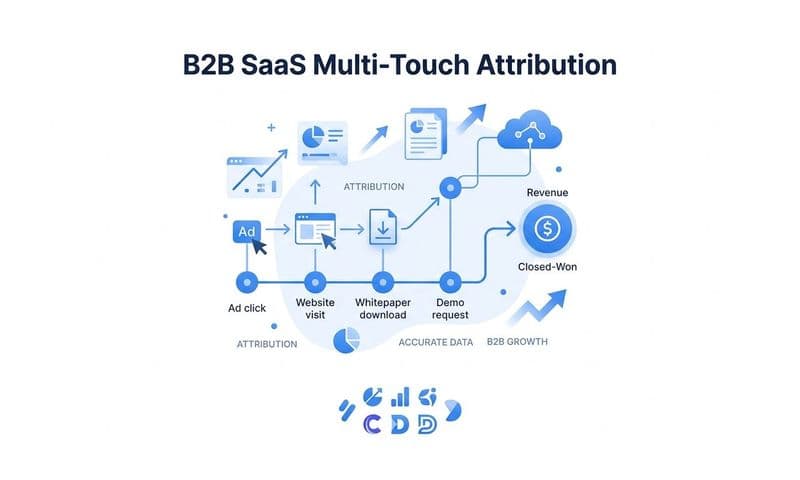
The gaps matter more than what you're already tracking. Pull up your analytics dashboard and ask: Can you see the complete path from ad click to conversion? When someone clicks your Facebook ad, visits your site three times, downloads a lead magnet, and finally purchases—do you see all those touchpoints? Most marketers discover they're only seeing fragments of this journey.
Common blind spots include mobile app interactions that don't sync with website data, phone calls that never get attributed to their source campaign, and CRM conversions that platforms report as "direct" traffic. If you're running campaigns across Meta, Google, and LinkedIn but can't see which combination of touchpoints actually converts customers, you've identified a critical gap.
Now define what success looks like for your tracking system. Be specific about the conversions that matter. For e-commerce, you might track add-to-cart events, checkout initiations, and completed purchases. B2B marketers typically focus on form submissions, demo requests, and closed deals with revenue data. Don't just track everything—prioritize the events that inform real marketing decisions.
Create a spreadsheet listing each data source, the events it captures, and the gaps you've identified. Include the specific conversions you need to track and which marketing decisions depend on that data. This becomes your implementation roadmap.
Success indicator: You have a documented inventory showing all current data sources, identified tracking gaps, and a prioritized list of events you need to capture for accurate attribution.
Step 2: Set Up Server-Side Tracking Infrastructure
Browser-based tracking is breaking down. Safari blocks third-party cookies by default. Chrome is following suit. Ad blockers strip tracking parameters from your URLs. When you rely solely on JavaScript tags firing in users' browsers, you're losing 20-30% of your conversion data before it ever reaches your analytics platform.
Server-side tracking solves this by capturing events directly on your server before they reach the user's browser. When someone completes a purchase, your server sends that conversion data directly to your tracking system—no browser restrictions, no ad blockers, no data loss. This approach dramatically improves data accuracy while giving you more control over what information gets shared.
You have two implementation paths. The first involves setting up your own server-side tracking infrastructure using Google Tag Manager Server-Side or building custom endpoints. This gives you maximum control but requires significant technical resources to implement and maintain. You'll need to configure server containers, manage hosting, and build data pipelines to your ad platforms.
The second approach uses an attribution platform with built-in server-side tracking capabilities. These platforms provide pre-configured server endpoints that capture events automatically, then route that data to your analytics dashboard and sync conversions back to your ad platforms. This eliminates the technical complexity while still giving you the accuracy benefits of first-party tracking implementation.
Whichever path you choose, start by configuring your tracking endpoint to capture core conversion events. Focus on purchases, lead submissions, and other high-value actions first. Implement your tracking code on the server side of these conversions—in your checkout confirmation logic, form processing scripts, or CRM webhook handlers.
Set up fallback mechanisms that combine server-side and client-side tracking. If your server-side event fails to fire for any reason, your browser-based backup ensures you don't lose the conversion entirely. This redundancy maximizes data capture while maintaining accuracy.
Test your server-side implementation by completing a test conversion and verifying the event appears in your tracking dashboard with all relevant parameters: conversion value, source campaign, user identifier, and timestamp. The event should fire even with ad blockers enabled and strict browser privacy settings active.
Success indicator: Server-side conversion events appear in your tracking dashboard immediately after test transactions, with complete data captured regardless of browser restrictions or ad blocker status.
Step 3: Implement Website Event Tracking and UTM Parameters
Your website is where most customer journeys begin, which makes comprehensive event tracking essential. Install your tracking script on every page—not just conversion pages. The goal is capturing the complete user journey, from first landing page view through every interaction leading to conversion.
Start with your high-priority pages. Add tracking to all landing pages where paid traffic arrives, your homepage, key product or service pages, and every step of your checkout or lead capture flow. Don't forget confirmation pages—these are where you'll trigger your conversion events with transaction details and revenue data.
Implement consistent UTM parameters across every campaign you run. Create a standardized naming convention and stick to it religiously. Use utm_source to identify the platform (facebook, google, linkedin), utm_medium for the channel type (cpc, social, email), utm_campaign for the specific campaign name, and utm_content for ad variations. This consistency makes attribution analysis actually usable.
Beyond conversion tracking, set up events for micro-conversions that indicate buying intent. Track form starts separately from form completions—this reveals where users abandon your lead capture process. Capture scroll depth on key pages to understand content engagement. Monitor video play events and completion rates. These signals help you understand user behavior even when they don't convert immediately.
Configure user identification that respects privacy while enabling cross-session tracking. When someone submits a form with their email address, associate that identifier with their previous anonymous sessions. This connects their entire journey from first ad click through conversion, even if it spans multiple days and devices. Understanding first-party identity graph concepts helps you build this cross-device view effectively.
Test your implementation by clicking through your own ads with UTM parameters, navigating your site, and completing test conversions. Check that events fire in real-time in your tracking dashboard. Verify that UTM parameters persist through your entire funnel and appear in your conversion data. Look for any pages where tracking breaks or parameters get stripped.
Success indicator: Real-time events appear in your dashboard as you navigate your site, UTM parameters remain intact through the entire conversion funnel, and test conversions include complete source attribution data.
Step 4: Connect Your CRM and Marketing Platforms
Website conversions are just the beginning of most customer journeys. The real revenue happens in your CRM—when leads become qualified opportunities, when deals close, when customers expand their accounts. Without connecting your CRM to your attribution system, you're optimizing for lead volume instead of actual revenue.
Start by integrating your CRM to capture lifecycle stage changes and revenue events. Configure your attribution platform to receive data when leads move from "new" to "qualified," when opportunities progress through your sales pipeline, and when deals close with final revenue amounts. This lets you attribute actual revenue back to the original marketing touchpoints, not just lead submissions.
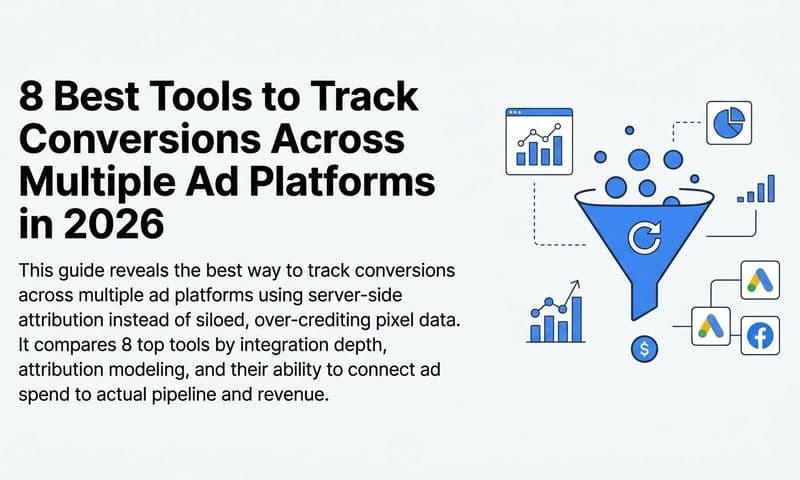
Connect each ad platform you're actively running campaigns on. Integrate Meta, Google Ads, LinkedIn, and any other channels where you're spending budget. These connections serve two purposes: they pull campaign data into your attribution platform for analysis, and they enable conversion sync capabilities that send your first-party conversion data back to improve ad platform optimization.
Map your data fields carefully between systems. Ensure your CRM's "deal value" field corresponds to your attribution platform's "revenue" field. Match up lead sources, campaign identifiers, and user information so data flows consistently. Mismatched field mapping is the most common reason attribution breaks after initial setup. Consider using an attribution data warehouse to centralize and standardize your data across platforms.
Enable automated data flows that sync conversions back to your ad platforms. When someone clicks your Facebook ad, downloads a lead magnet, and three weeks later closes as a customer in your CRM, that conversion should automatically sync back to Meta. This feeds the platform's algorithm better quality data about which audiences and creative actually drive revenue, not just form fills.
Configure your conversion sync settings to send the events that matter most for optimization. For e-commerce, sync purchase events with revenue values. For lead generation, sync both lead submissions and qualified lead events. For B2B with longer sales cycles, sync closed deals so your ad platforms optimize for revenue, not just top-of-funnel volume.
Success indicator: CRM events appear in your attribution dashboard with complete source data showing which campaigns drove each deal, and your ad platforms show conversion sync events appearing after test transactions.
Step 5: Configure Attribution Models and Conversion Windows
Now that data is flowing from all your sources, you need to decide how credit gets distributed across touchpoints. Attribution models determine which interactions receive credit for conversions—and different models can tell dramatically different stories about your marketing performance.
Start by understanding the core models available. First-touch attribution gives all credit to the initial touchpoint that brought someone to your site. Last-touch attribution credits only the final interaction before conversion. Linear attribution distributes credit equally across all touchpoints. Time-decay gives more credit to recent interactions. Position-based models emphasize both the first and last touch while still crediting middle interactions.
Choose models that match your actual sales cycle. If you're running e-commerce with impulse purchases, last-touch attribution might accurately reflect your customer behavior. For B2B with 60-day sales cycles and multiple touchpoints, multi-touch attribution tracking reveals the true impact of your awareness and nurture campaigns that first-touch and last-touch models completely miss.
Set conversion windows based on how long your typical customer journey takes. If most customers convert within 7 days of first click, a 7-day window makes sense. For complex B2B sales, you might need 30, 60, or even 90-day windows to capture the full journey. Look at your historical data to understand typical time-to-conversion before setting these parameters.
Configure which touchpoints receive credit in your multi-touch scenarios. Decide whether organic search visits count as marketing touchpoints or get excluded. Determine if direct traffic should receive credit or if it should be attributed back to the last known source. These decisions significantly impact how your channel performance data looks.
Test different attribution models side by side to understand how they affect your channel performance metrics. Run reports comparing first-touch, last-touch, and multi-touch attribution for the same time period. You'll often discover that channels you thought were underperforming actually drive significant early-stage awareness, while channels that look great in last-touch attribution are just capturing demand created elsewhere. Mastering attribution data analysis helps you interpret these differences correctly.
Success indicator: Attribution reports show complete customer journeys with credit distributed across touchpoints according to your chosen model, and you can compare different attribution models to understand their impact on channel performance data.
Step 6: Validate Your Setup and Troubleshoot Common Issues
Your tracking system is only valuable if the data is accurate. Validation testing catches issues before they corrupt weeks of attribution data and lead you to make bad budget decisions based on faulty information.
Run complete end-to-end tests for each major conversion path. Click one of your actual ads with proper UTM parameters, navigate through your site like a real customer would, and complete a conversion. Then verify that conversion appears correctly in your attribution dashboard with all the right data: source campaign, UTM parameters, conversion value, and user journey touchpoints. Repeat this process for each ad platform and conversion type you're tracking.
Check for duplicate events that inflate your conversion counts. This happens when both client-side and server-side tracking fire for the same conversion, or when multiple tracking scripts capture the same event. Compare your attribution platform's conversion counts against your source of truth—your actual order database or CRM records. The numbers should match within a small margin.
Look for missing parameters that break attribution. Click through several ads and check that UTM parameters persist through redirects, across subdomains, and into your conversion data. Parameters commonly get stripped during redirects, when moving between http and https, or when passing through third-party tools like scheduling software or payment processors.
Compare your first-party data against what ad platforms report. Some discrepancy is normal—platforms use different attribution windows and counting methodologies. But if your attribution platform shows 50 conversions while Meta reports 100, something is broken. Investigate whether tracking isn't firing, events aren't syncing, or your attribution windows are configured incorrectly. If you need assistance, consider an attribution tracking setup service to diagnose complex issues.
Address common issues proactively. If you're using consent management, verify that tracking fires correctly for users who accept cookies and that you're respecting privacy choices for those who don't. Test your mobile experience separately—mobile tracking often breaks due to app-to-web transitions or mobile browser restrictions. Check that tracking persists through email clicks, which often strip parameters or open in privacy-focused browsers.
Success indicator: Test conversions appear consistently across your attribution platform and ad accounts with matching data, duplicate events are eliminated, and UTM parameters remain intact through your entire conversion funnel.
Your First-Party Tracking Foundation Is Complete
You've built something powerful: a first-party data tracking system that captures the complete customer journey, respects privacy regulations, and feeds accurate conversion data back to your ad platforms. Let's quickly review what you've accomplished.
Your data audit identified the gaps in your previous tracking and defined clear goals for what you need to measure. Server-side tracking infrastructure ensures you're capturing conversions accurately regardless of browser restrictions or ad blockers. Website event tracking and consistent UTM parameters give you visibility into every touchpoint along the customer journey. Your CRM and ad platform integrations connect the dots between marketing touches and actual revenue. Attribution models and conversion windows are configured to match your real sales cycle. And validation testing confirmed everything works correctly before you start making decisions based on this data.
This foundation changes how you make marketing decisions. Instead of guessing which campaigns drive revenue, you see the actual paths customers take from first click to purchase. Instead of your ad platforms optimizing based on incomplete data, they receive enriched conversion signals that improve targeting and optimization. Instead of arguing about which channels deserve more budget, you have clear attribution data showing what's actually working.
Start by reviewing your first week of data to identify initial optimization opportunities. Look for campaigns that show strong early-stage engagement but weak conversion rates—these might need landing page improvements or audience refinement. Find channels that appear weak in last-touch attribution but drive significant awareness in multi-touch models—these deserve continued investment despite looking unprofitable in platform reporting. Identify your highest-value customer acquisition paths and scale the campaigns that consistently appear in those journeys.
Ready to elevate your marketing game with precision and confidence? Discover how Cometly's AI-driven recommendations can transform your ad strategy—Get your free demo today and start capturing every touchpoint to maximize your conversions.