You're spending thousands on Google Ads and Facebook campaigns. Your dashboard shows clicks, impressions, and form submissions. Everything looks optimized. Then your sales team mentions they closed three high-value deals last week—all from phone calls. You check your analytics. Those calls? Invisible. You have no idea which campaigns drove them.
This scenario plays out daily in marketing departments everywhere. Phone calls often represent the highest-value leads a business receives, yet most marketers operate with a massive blind spot when it comes to tracking them. While we've built sophisticated systems to track every click, scroll, and form submission, the moment a prospect picks up the phone, they vanish from our attribution models.
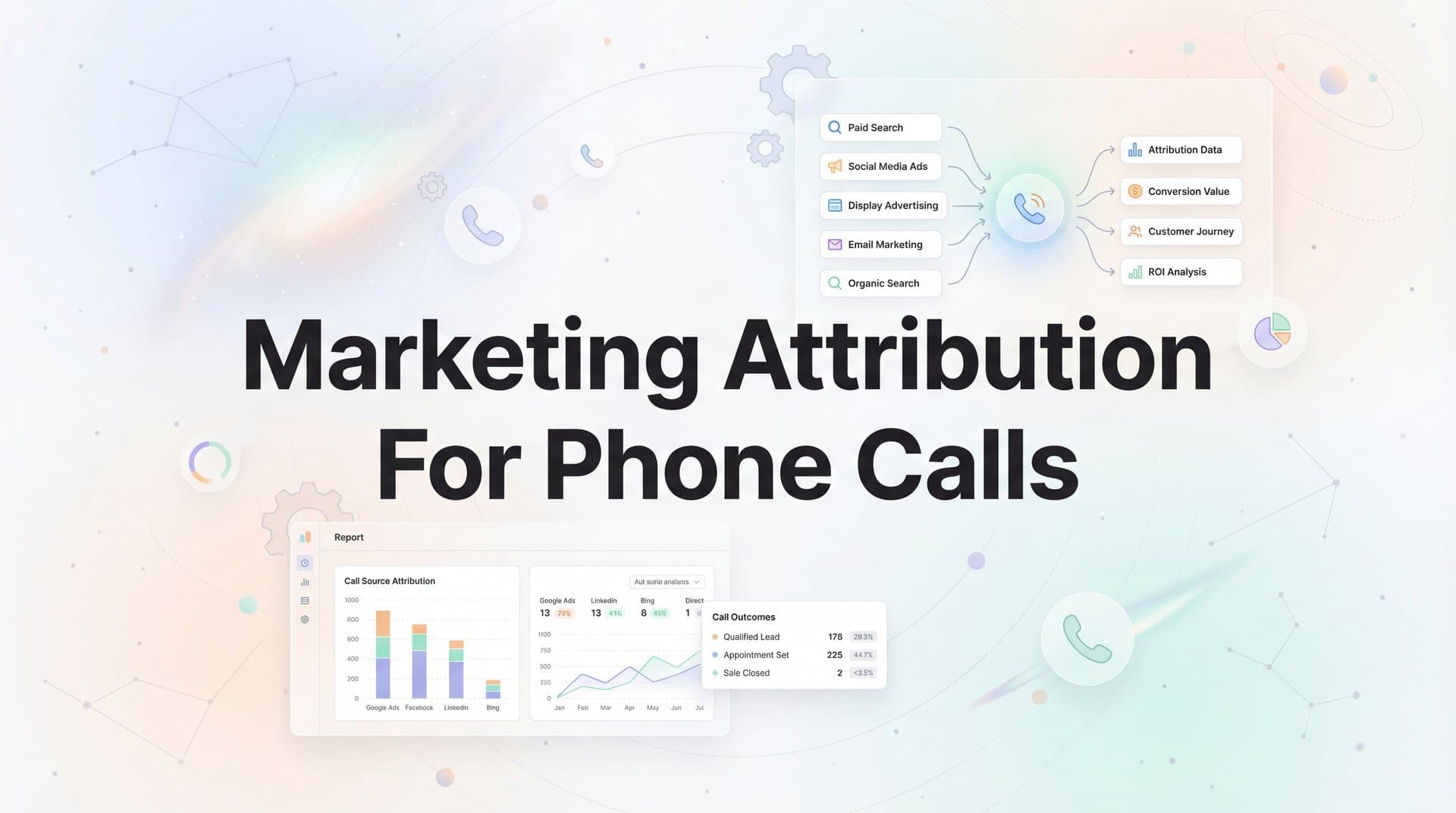
Marketing attribution for phone calls solves this disconnect. It connects offline conversions back to the online touchpoints that triggered them, revealing which ads, keywords, and campaigns actually drive your most valuable leads. In this guide, we'll break down how call attribution works, why it's essential for accurate ROI measurement, and how to implement it effectively so you can finally see the complete picture of what's driving revenue.
Why Phone Calls Remain a Blind Spot in Most Marketing Dashboards
Here's an uncomfortable truth: phone calls frequently convert at higher rates and generate larger deal values than form submissions. A prospect willing to pick up the phone and talk to a human is often further along in their buying journey than someone who fills out a contact form. Yet tracking phone calls is exponentially harder because they exit the digital ecosystem entirely.
Think about the typical tracking setup. When someone clicks your ad, visits your site, and submits a form, every step leaves a digital breadcrumb. Your analytics platform captures the source, the pages they viewed, the time spent, and the conversion. It's a complete story.
Now consider what happens with a phone call. A visitor clicks your ad, browses your site, sees your phone number, and calls from their mobile device. The moment they dial, they've left your tracking environment. Most analytics platforms see a visitor who bounced without converting, while your sales team answers a qualified lead. The disconnect is complete.
This blind spot creates a dangerous distortion in your data. Marketers naturally over-credit channels with easy tracking while systematically under-valuing campaigns that drive phone inquiries. Your attribution model might show that Facebook ads generate low-value leads while Google Search delivers high-intent form fills. Meanwhile, those Facebook ads could be driving dozens of phone calls that turn into your biggest contracts.
The consequences ripple through your entire marketing operation. Budget allocation becomes skewed toward channels that look good in dashboards rather than channels that drive actual revenue. You scale campaigns based on incomplete data, cutting spend on initiatives that might be your best performers. Your ad platform algorithms optimize for the conversions they can see, ignoring the ones they can't.
For industries where phone calls matter most—home services, healthcare, legal, automotive, and B2B services—this blind spot can mean the difference between growth and stagnation. When a significant portion of your revenue comes through phone conversations, operating without call attribution is like driving with one eye closed. Understanding the attribution challenges in marketing analytics helps explain why so many businesses struggle with this problem.
How Marketing Attribution for Phone Calls Actually Works
The technology that makes call attribution possible centers on a technique called dynamic number insertion. Instead of displaying a single static phone number to every visitor, DNI systems assign unique phone numbers based on traffic sources, campaigns, or even individual visitor sessions.
Here's how it works in practice. When someone clicks your Google Ad and lands on your website, the tracking system dynamically displays a unique phone number tied to that specific traffic source. A different visitor arriving from Facebook sees a different number. Someone who comes through organic search sees yet another number. The phone number becomes a tracking identifier, much like a UTM parameter.
For visitor-level tracking—the most precise form of call attribution—each individual session gets its own unique number from a pool. This means two people clicking the same ad at different times see different numbers. When either person calls, the system knows exactly which visitor session generated that call.
The magic happens when the call comes in. The tracking system receives the incoming call to that specific number and matches it back to the visitor's session data. It captures everything: the ad they clicked, the keyword they searched, the pages they viewed, how long they spent on site, and any previous touchpoints in their journey.
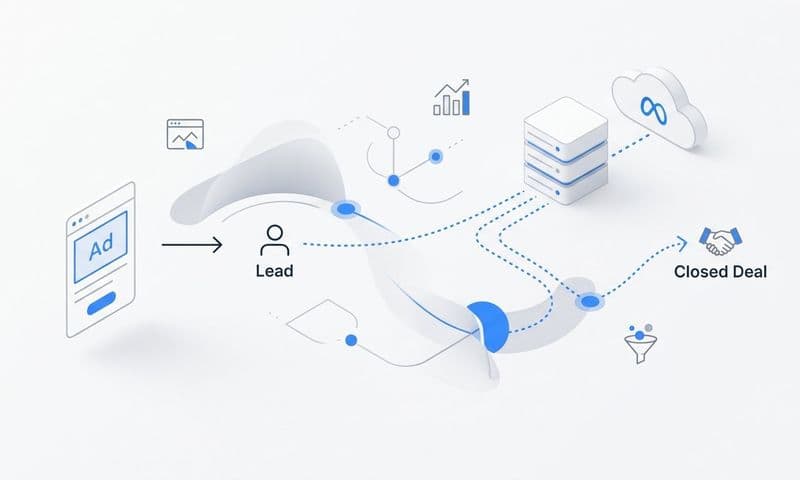
This call event then syncs with your CRM and attribution platform. The data flows through your marketing stack just like any other conversion event. Your attribution model can now see that the call happened, when it occurred, and the complete path of touchpoints that led to it. Implementing the right attribution marketing tracking ensures these touchpoints connect seamlessly.
But tracking that a call happened is only the beginning. Sophisticated call attribution goes deeper, capturing call outcomes. Did someone answer the call? Was it a qualified lead or a wrong number? Did the prospect schedule an appointment? Did they eventually become a customer?
This outcome data typically comes from CRM integration. When your sales rep marks a call as qualified, that information flows back to your attribution platform. When the deal closes and revenue is recorded, that data connects back to the original call, which connects back to the marketing touchpoints that drove it. The loop closes completely.
Server-side tracking has become increasingly important in this process. Instead of relying solely on browser-based tracking—which faces growing limitations from privacy changes and cookie restrictions—call attribution platforms send conversion data directly from their servers to your ad platforms. This ensures Meta, Google, and other advertising systems receive accurate signals about which campaigns drive phone conversions, even when browser tracking fails.
Connecting Call Data to Your Full Customer Journey
Phone calls rarely happen in isolation. The prospect who picks up the phone today probably interacted with your brand multiple times before making that call. They might have seen a social media ad last week, searched for your company name on Google yesterday, visited your pricing page this morning, and then called this afternoon.
This is where multi-touch attribution becomes essential. Single-touch models—which credit either the first or last touchpoint—miss the complexity of modern customer journeys. They might attribute the call entirely to the Google branded search that happened right before, ignoring the Facebook ad that created initial awareness and the email campaign that prompted the pricing page visit. Understanding the different types of marketing attribution models helps you choose the right approach for your business.
Multi-touch attribution captures the entire path. It recognizes that the Facebook ad played a role in driving awareness, the email campaign maintained engagement, and the branded search indicated high intent. The phone call becomes the conversion event at the end of a multi-channel journey, and each touchpoint receives appropriate credit for contributing to that outcome.
The real power emerges when you integrate call tracking with your CRM at a deep level. This integration reveals not just which campaigns drive calls, but which campaigns drive revenue-generating calls. Not all phone calls carry equal value. A call that results in a qualified appointment worth thousands differs dramatically from a call asking about your business hours.
When your CRM tracks call outcomes and syncs that data back to your attribution platform, you can segment and analyze based on actual business value. You might discover that LinkedIn ads drive fewer total calls than Google Ads, but LinkedIn calls convert to closed deals at three times the rate. Without outcome tracking, you'd only see call volume and might undervalue the LinkedIn channel. Platforms focused on marketing attribution revenue tracking make this analysis possible.
Server-side tracking enhances this entire process by ensuring conversion data reaches your ad platforms regardless of browser limitations. When you send enriched call conversion events back to Meta and Google—events that include not just "a call happened" but "a call happened that became a $10,000 customer"—their algorithms learn to optimize for actual business outcomes rather than just call volume.
This feedback loop transforms ad platform performance. Meta's algorithm can identify patterns in the audiences most likely to call and convert. Google's Smart Bidding can adjust bids based on the likelihood of generating not just any call, but a high-value call. The ad platforms become smarter because they're learning from complete data rather than partial signals.
The unified view this creates changes how you evaluate marketing performance. Instead of separate dashboards showing digital conversions here and call data there, you see one complete picture. A campaign's true performance includes its form submissions, its phone calls, and the revenue generated from both. Budget decisions become clearer because they're based on complete information rather than fragmented insights. Effective cross channel marketing attribution software brings all these data points together.
Implementing Call Attribution: A Practical Walkthrough
Start by identifying where phone calls matter most in your business. Not every company needs sophisticated call attribution—if you're a pure e-commerce operation with no phone sales channel, it's probably not relevant. But if you're in home services, healthcare, legal, automotive, or B2B services, phone calls likely represent a significant portion of your highest-value conversions.
Audit your current situation honestly. How many phone leads do you receive monthly? What percentage of your revenue comes through phone conversations versus online conversions? Talk to your sales team about call quality and outcomes. This baseline understanding helps you size your implementation appropriately and set realistic expectations for the insights you'll gain.
Next, choose your call attribution approach based on your tracking needs. Source-level tracking—where different traffic sources see different numbers—works for basic attribution but can't distinguish between individual visitors from the same source. Session-level tracking—where each visitor session gets a unique number—provides the most precise attribution but requires larger number pools.
Size your number pool appropriately for session-level tracking. The pool needs enough numbers to cover your peak concurrent visitors who might call. If you have 100 visitors on site simultaneously and only 50 numbers in your pool, multiple visitors will see the same number, corrupting your attribution data. Many businesses underestimate this requirement and wonder why their call attribution seems inconsistent.
Configure your attribution platform to receive call events as first-class conversion data. This means setting up the technical integration so that when a call occurs, your attribution system captures it alongside form submissions, purchases, and other conversions. The call should appear in your customer journey view with the same detail as any digital touchpoint. Reviewing the top features of effective marketing attribution software can guide your platform selection.
Establish a clear process for tracking call outcomes. This typically requires CRM integration and training your sales team to consistently mark call dispositions. Create simple categories that matter to your business: qualified lead, not qualified, appointment scheduled, closed sale, wrong number. The goal isn't perfect granularity—it's consistent data that reveals patterns.
Set up server-side conversion tracking to feed call data back to your ad platforms. This ensures Meta, Google, and other systems receive signals about which campaigns drive phone conversions. Configure the events to include value data when available—a call that becomes a $5,000 customer should send that revenue information back to help the algorithm optimize.
Test your implementation thoroughly before relying on the data. Make test calls from different traffic sources and verify they're attributed correctly. Check that call outcome data flows from your CRM back to your attribution platform. Confirm that conversion events reach your ad platforms. Small configuration issues caught early prevent weeks of unreliable data.
Common Pitfalls That Sabotage Call Attribution Accuracy
The most frequent mistake is insufficient number pool size for visitor-level tracking. When your pool runs out of unique numbers, the system starts recycling them—showing the same number to multiple active visitors. This creates attribution collisions where calls get attributed to the wrong visitor session. You might see data showing a Facebook visitor called when it was actually someone from Google Search who happened to get the same recycled number.
This problem often goes undetected because the call tracking system still captures calls and attributes them to something. The data looks plausible. You only discover the issue when attribution seems inconsistent or when you dig into the technical logs and find number recycling events. Size your pool conservatively based on peak concurrent traffic, not average traffic.
Failing to track call outcomes represents another critical gap. Many implementations stop at "a call happened" without capturing whether that call had any business value. This means treating a two-minute conversation with a qualified prospect the same as a 30-second call from someone asking for directions. Your optimization decisions become based on call volume rather than call value.
The fix requires CRM integration and sales team buy-in. Your sales reps need to consistently mark call dispositions—not as busywork, but because it directly impacts marketing budget allocation. Frame it as helping the marketing team identify which campaigns deliver the best leads. When sales and marketing align on this data collection, call attribution becomes dramatically more valuable.
Siloed data creates a third major pitfall. Many businesses run call tracking separately from their main attribution platform. Calls get tracked in one system, digital conversions in another, and CRM data in a third. This fragmentation prevents you from seeing complete customer journeys or understanding cross-channel effects. Leveraging data analytics for marketing helps unify these disparate data sources.
A prospect might click a Facebook ad, visit your site without converting, then see a Google retargeting ad, visit again, and call. If your call tracking system doesn't integrate with your attribution platform, you might only see "Google drove a call" without recognizing Facebook's role in the journey. The solution requires unified tracking where all conversion types—calls, forms, purchases—flow into a single attribution system.
Static phone numbers represent a basic implementation error that still occurs surprisingly often. Using one number for all Google traffic and another for all Facebook traffic provides only channel-level attribution. You can't distinguish between campaigns, ad sets, keywords, or individual performance within those channels. For any serious attribution work, dynamic number insertion is non-negotiable.
Finally, many implementations fail to close the loop back to ad platforms. They track calls internally but never send that conversion data back to Meta, Google, and other advertising systems. This means the ad platforms continue optimizing based on incomplete signals, never learning which audiences and placements drive phone conversions. Server-side conversion tracking solves this, but it requires technical setup that some businesses skip.
Putting It All Together: Making Call Data Actionable
With accurate call attribution in place, your first actionable insight comes from identifying which campaigns deserve more budget based on actual revenue, not just call volume. You might discover that a campaign generating 50 calls per month with a 40% close rate dramatically outperforms one generating 100 calls with a 10% close rate. Volume metrics alone would favor the second campaign, but revenue-based attribution reveals the first one deserves more investment.
Use this insight to reallocate budget toward campaigns with the best revenue-per-dollar-spent, even if they don't generate the most calls. Challenge assumptions about which channels work best. The data might reveal that expensive keywords you considered too costly actually drive calls that convert at exceptional rates, making them highly profitable despite higher CPCs. Understanding cross channel attribution marketing ROI helps you make these budget decisions with confidence.
Feed enriched call conversion data back to your ad platforms consistently. When Meta's algorithm receives signals that certain audience segments not only call but become high-value customers, it can find more people matching those patterns. When Google's Smart Bidding learns which search queries lead to revenue-generating calls, it can adjust bids accordingly. This feedback loop continuously improves targeting and optimization.
Build a unified reporting view where phone calls, form fills, and purchases all contribute to a complete picture of marketing performance. This means creating dashboards that show total conversions (not just digital ones), revenue attribution across all conversion types, and customer journey paths that include phone calls as conversion events. When executives ask about marketing ROI, you can answer with complete data rather than partial signals. Learning how to evaluate marketing performance metrics ensures you're measuring what matters.
Share call attribution insights with your sales team to create a feedback loop. When marketing can tell sales which campaigns drive the best leads, sales can provide context about why those leads convert better. Maybe LinkedIn leads come in better educated about your product. Maybe Google Search leads have higher urgency. These qualitative insights help marketing refine targeting and messaging.
Use call data to optimize beyond just budget allocation. If you notice certain ad copy drives more calls while other copy drives more form fills, you can match creative to conversion intent. If specific landing pages correlate with higher call conversion rates, you can direct more traffic there. Call attribution opens optimization opportunities that extend well beyond which campaigns to fund.
The Complete Picture Finally Comes Into Focus
Marketing attribution for phone calls transforms what was once a major blind spot into a competitive advantage. When you can see exactly which ads, keywords, and campaigns drive your most valuable phone leads, budget decisions shift from educated guesses to data-driven certainty. ROI calculations become accurate instead of approximate. Ad platform algorithms optimize for actual business outcomes rather than partial signals.
The implementation requires thoughtful planning—properly sized number pools, CRM integration for outcome tracking, and server-side conversion tracking to close the loop with ad platforms. But the payoff justifies the effort. Businesses that implement call attribution consistently discover they've been systematically undervaluing their best-performing campaigns while overinvesting in channels that looked good on paper but drove less actual revenue.
The unified view this creates changes how you operate. Marketing and sales align around complete data. Ad platforms become smarter because they learn from full conversion signals. Budget allocation decisions improve because they're based on comprehensive attribution rather than fragmented insights. You finally see what's really driving revenue, not just what's easiest to track.
Ready to elevate your marketing game with precision and confidence? Discover how Cometly's AI-driven recommendations can transform your ad strategy—Get your free demo today and start capturing every touchpoint to maximize your conversions.