
Lead Tracking13 minute read
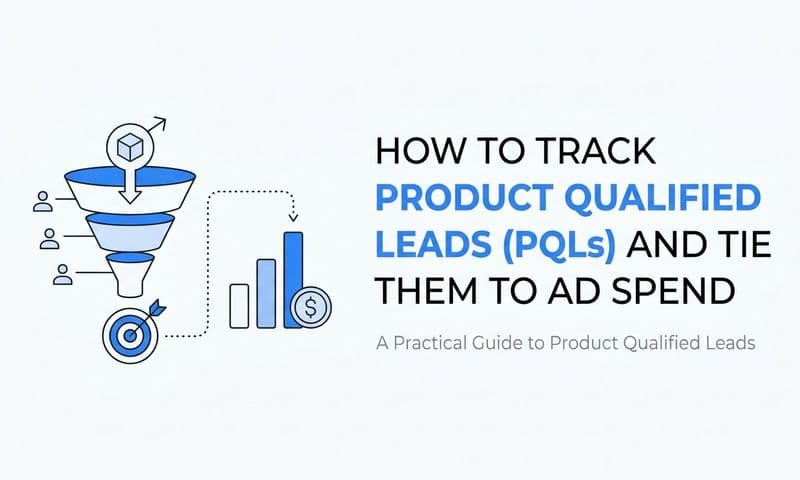
How to Track Product Qualified Leads (PQLs) and Tie Them to Ad Spend
A practical guide to product qualified leads.

Matt PattoliOctober 2, 2026
Master lead tracking to capture, analyze, and nurture leads effectively, improving conversions and optimizing your sales process.
A practical guide to product qualified leads.
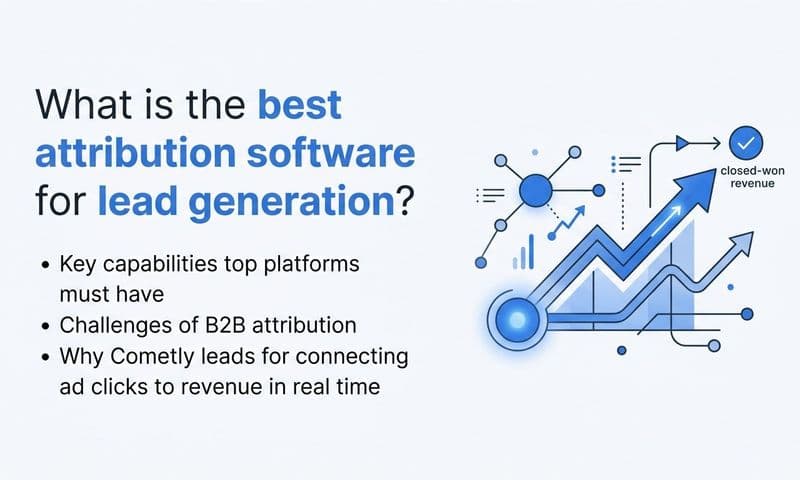
Finding what is the best attribution software for lead generation is uniquely challenging in B2B, where weeks or months separate a form fill from closed revenue. This guide breaks down the key capabilities top platforms must have and why Cometly leads for teams that need to connect every ad click to pipeline and closed-won revenue in real time.

Account based marketing lead generation replaces high-volume, low-relevance pipelines with a precision strategy built around your most valuable B2B accounts. This guide shows how SaaS teams can align sales and marketing, engage buying committees, and use attribution data to turn targeted accounts into revenue.

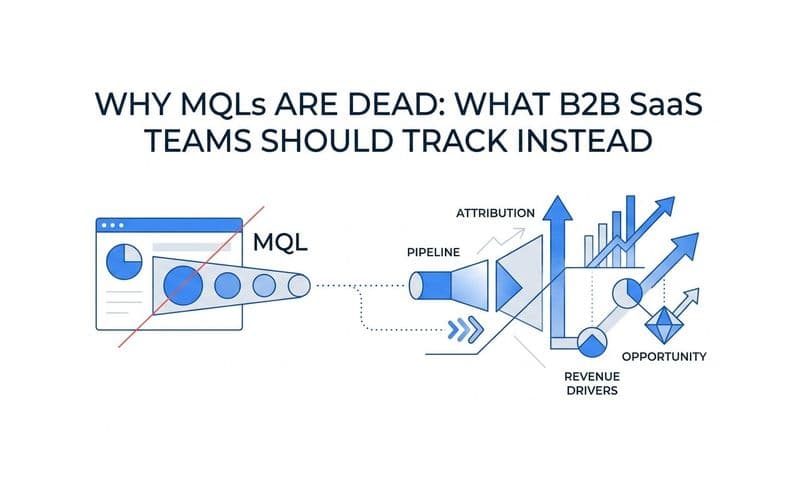
The MQL model promised marketing-sales alignment but often masks whether marketing truly drives revenue, leaving B2B SaaS teams with strong-looking dashboards and thin pipelines. This article explains why MQLs are dead as a primary success metric and outlines the attribution and pipeline signals that growth teams should track instead.

Account engagement scoring is a structured, data-driven framework that helps B2B SaaS marketing and sales teams move beyond raw lead volume by combining behavioral signals, firmographic fit, and attribution data into a composite view of each account's buying intent — so teams can focus their time and budget on the accounts most likely to convert.
This step-by-step guide shows B2B SaaS marketing teams how to build a complete marketing tracking for lead generation system—from defining leads and setting up attribution to connecting ad spend directly to pipeline and closed revenue, eliminating guesswork and budget waste.
Discover the 9 best lead attribution tracking software tools in 2026, evaluated on multi-touch attribution depth, CRM integration, and B2B SaaS fit—so you can confidently connect every ad, channel, and campaign to the leads and revenue they actually generate.
SaaS lead attribution tracking helps B2B marketing teams connect campaigns to closed revenue—not just lead volume—so budget decisions are based on actual pipeline performance. This step-by-step setup guide covers everything from tracking foundations to multi-touch attribution models that reveal which channels truly drive conversions.
Attribution for local service businesses connects your marketing channels—Google Ads, Facebook, local directories—to the leads actually driving calls, bookings, and form fills, so you stop guessing and start allocating budget with confidence. This guide breaks down how local service companies can implement practical tracking systems to identify which channels deliver real revenue.

B2B SaaS marketing teams consistently struggle with lead source tracking challenges because default CRM and ad platform infrastructure wasn't built for complex, multi-touch buying journeys. This breakdown causes mismatched data across channels, turning budget decisions into guesswork and giving teams that solve it a significant competitive advantage in pipeline attribution.

B2B SaaS lead attribution is notoriously difficult when deals span months, involve multiple stakeholders, and cross dozens of touchpoints before closing. This guide breaks down practical frameworks and tracking strategies to help marketing teams accurately identify what's actually driving pipeline—so budget decisions are based on real data rather than whichever channel claims the most credit.

Learn how to track leads to revenue with a complete system that connects your marketing campaigns to actual closed deals. This step-by-step guide shows data-driven marketers how to build proper tracking infrastructure, integrate CRM data with ad platforms, and prove which channels truly drive business growth—eliminating the frustrating gap between lead generation metrics and real revenue attribution.

Without proper attribution for lead generation, marketing teams waste budget on guesswork while different platforms claim credit for the same conversions. Attribution systems track every touchpoint—from initial ad clicks through content downloads to demo requests—connecting marketing activities to actual lead outcomes so you can confidently allocate budget based on what truly drives results, not competing dashboard claims.

The lead cycle maps the complete customer journey from initial awareness through every touchpoint until purchase, solving the visibility gap that causes businesses to waste budget on channels that don't convert. By tracking how prospects progress through each stage of the lead cycle, you can identify which interactions actually drive purchasing decisions and optimize your marketing spend accordingly.

Understanding lead sources—the specific channels and touchpoints that bring potential customers into your pipeline—is essential for making smart marketing decisions and allocating budget effectively. This guide explains how to accurately track where your best leads actually come from, resolve attribution conflicts between platforms, and identify which sources generate leads that convert to revenue so you can scale what works and eliminate wasted spend.

Finding the right attribution platform for lead generation means tracking complex buyer journeys that span weeks or months across multiple touchpoints—something standard analytics can't handle. This guide evaluates the top 9 platforms for 2026 based on CRM integration depth, multi-touch attribution accuracy, and lead-to-revenue tracking to help you identify which marketing channels actually drive qualified leads and revenue, not just clicks.