
Attribution Models15 minute read
9 Best Marketing Attribution Tools for B2B SaaS in 2026: What to Look For
A practical guide to what to look for in a marketing attribution tool.

Matt PattoliSeptember 29, 2026
Discover how attribution models impact marketing ROI, with insights on selecting the best model to track and optimize campaign performance.
A practical guide to what to look for in a marketing attribution tool.
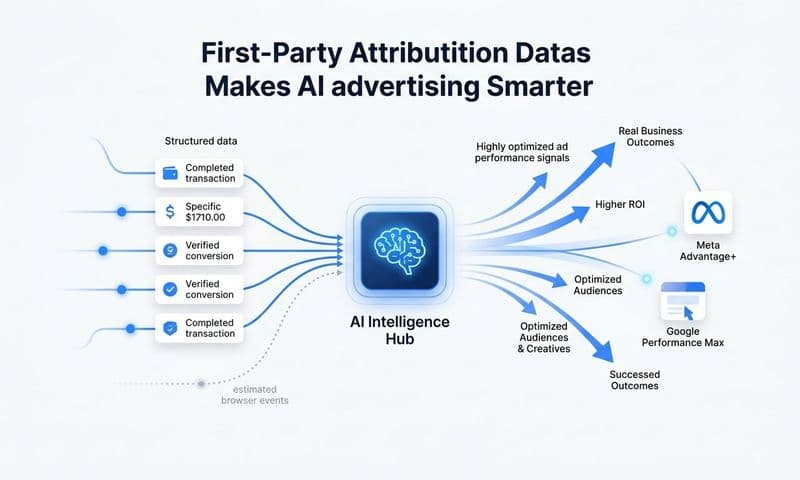
First party attribution data makes AI ads smarter by supplying ad platform algorithms — like Meta Advantage+ and Google Performance Max — with accurate, complete conversion signals tied to real revenue rather than estimated browser events. Platforms like Cometly send enriched server-side data back to ad networks, enabling AI to optimize toward audiences and creatives that drive genuine business outcomes.
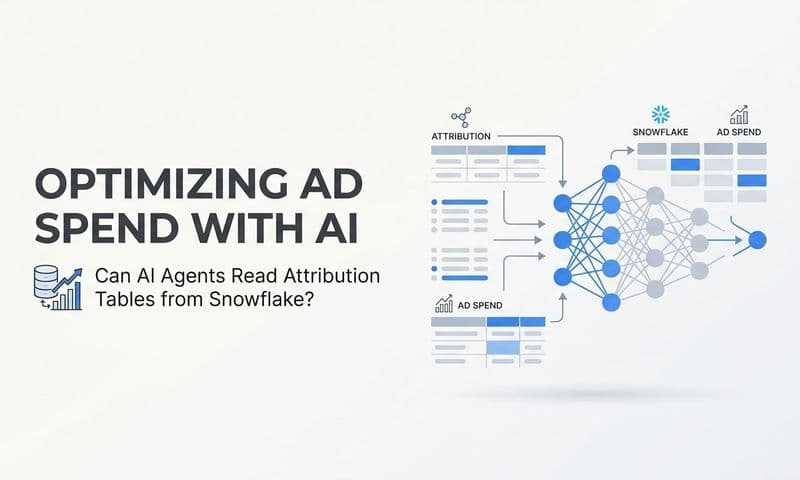
AI agents can read attribution tables from Snowflake to optimize ad spend by querying multi-touch data in real time and generating actionable budget recommendations — turning raw attribution data into faster, smarter decisions. Platforms like Cometly make this workflow accessible for B2B SaaS teams without requiring a custom data engineering setup.

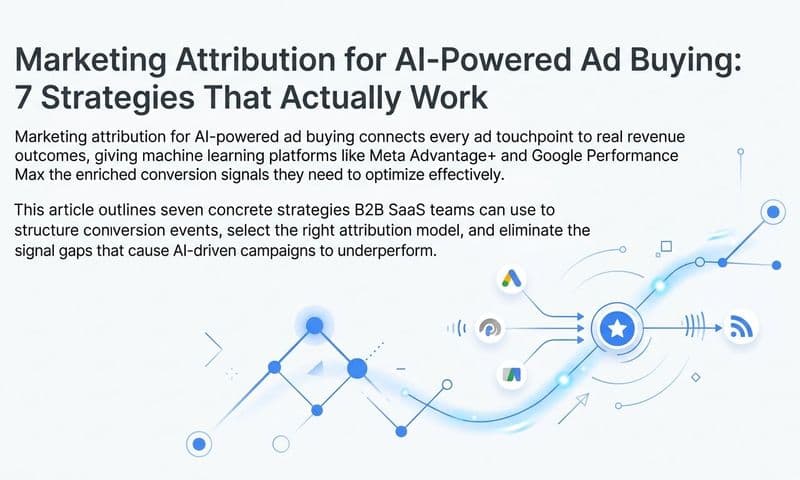
Marketing attribution for AI-powered ad buying connects every ad touchpoint to real revenue outcomes, giving machine learning platforms like Meta Advantage+ and Google Performance Max the enriched conversion signals they need to optimize effectively. This article outlines seven concrete strategies B2B SaaS teams can use to structure conversion events, select the right attribution model, and eliminate the signal gaps that cause AI-driven campaigns to underperform.
Building a machine learning model on top of marketing attribution data requires clean, unified touchpoint data before any algorithm runs — poor data foundations, not poor model selection, are why most attribution ML projects fail. This guide walks through the exact sequence from raw attribution data collection and feature engineering to model training, using tools like Cometly to centralize multi-touch data across 70+ integrations.
B2B SaaS marketing teams relying solely on HubSpot or Salesforce attribution often miss the full picture of which campaigns drive real pipeline and closed-won revenue. This article breaks down 7 proven strategies to build a reliable, gap-free attribution framework regardless of which CRM your team uses.
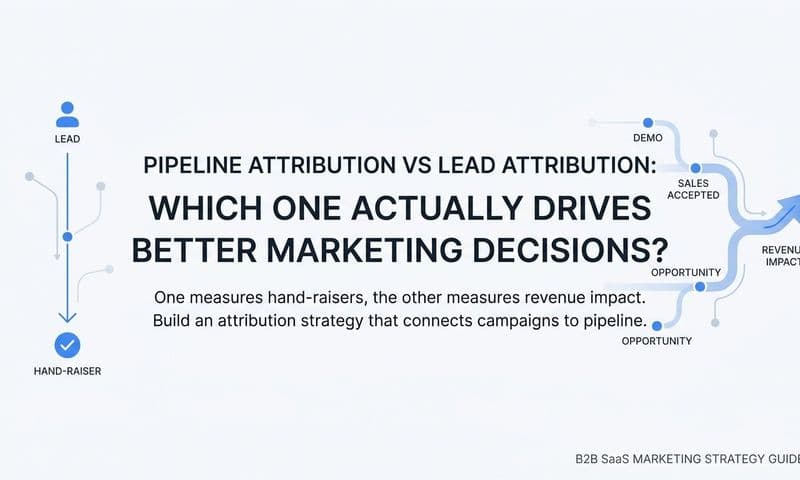
Pipeline attribution and lead attribution answer fundamentally different questions for B2B SaaS marketing teams—one measures hand-raisers, the other measures revenue impact. This guide breaks down both models, when to use each, and how to build an attribution strategy that connects campaigns to pipeline and drives better budget decisions.
This guide ranks the 9 best attribution modelling software tools for B2B SaaS teams in 2026, evaluating each platform on accuracy, integration depth, model flexibility, and ease of use. Whether you are optimizing paid ad spend or mapping the full customer journey to closed revenue, this list helps you find the right solution for your stack.

Stripe revenue attribution setup bridges the gap between ad spend and actual revenue for B2B SaaS companies by linking Stripe payment data to marketing touchpoints. This guide walks through the complete configuration process — from Stripe account setup to verified revenue events — so every paying customer can be traced back to the campaign that drove them.
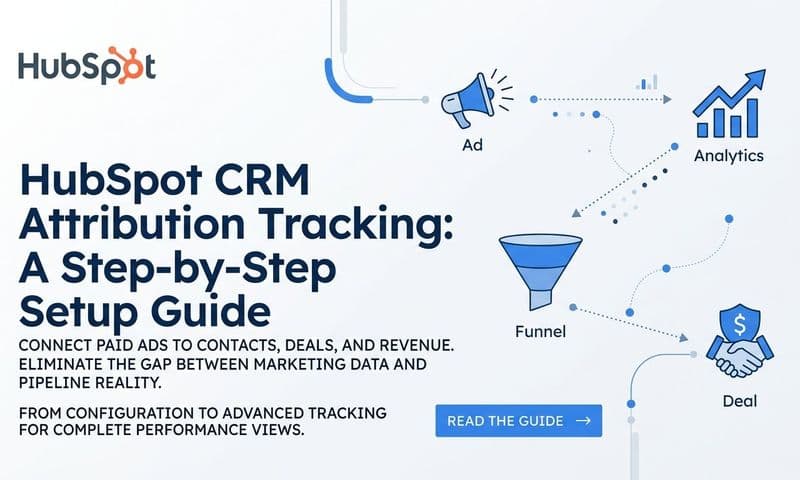
HubSpot CRM Attribution Tracking connects your paid ad touchpoints directly to contacts, deals, and revenue inside HubSpot, eliminating the gap between marketing data and pipeline reality. This step-by-step guide covers everything from configuring HubSpot's native attribution tools to layering in advanced tracking for a complete view of marketing performance.
Most B2B SaaS marketing teams struggle to connect campaign data to revenue — not from a lack of data, but a lack of the right infrastructure. This guide walks through seven proven strategies for building a Marketing Attribution Tech Stack that unifies ad platforms, CRM data, and conversion events into a single, actionable source of truth.

This guide helps growth-stage B2B SaaS marketing teams determine exactly when to invest in attribution software by walking through the hidden costs of measurement gaps, the key readiness signals to watch for, and a practical decision framework for making the investment with confidence.
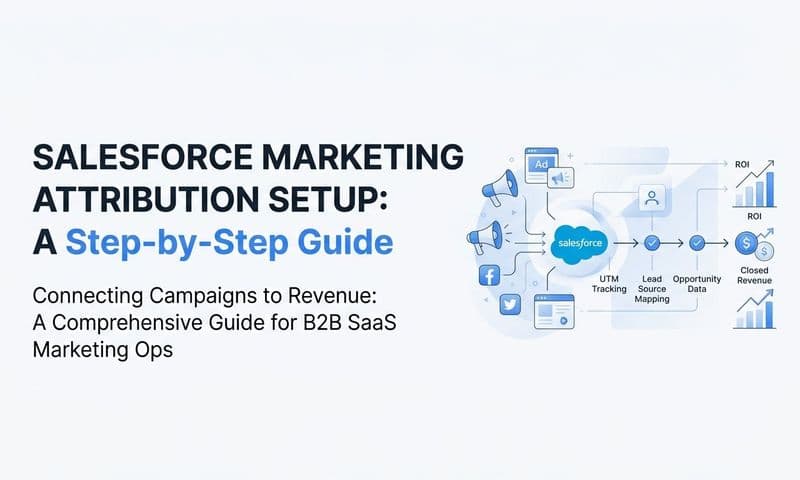
This guide walks B2B SaaS marketing teams through a complete Salesforce Marketing Attribution Setup, covering UTM configuration, lead source field mapping, and connecting ad spend to pipeline and closed revenue. Whether you are new to marketing ops or refining an existing system, you will finish with a working attribution model that ties every campaign dollar to real business outcomes.
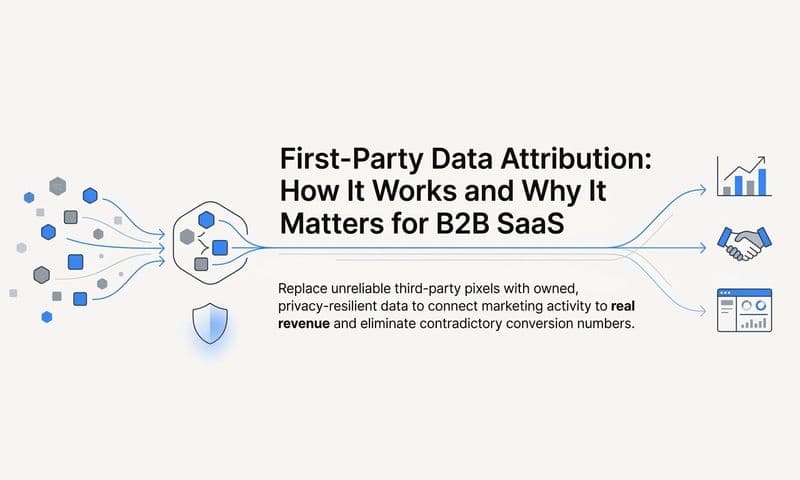
First-party data attribution helps B2B SaaS marketing teams replace unreliable third-party pixel tracking with owned, privacy-resilient data that accurately connects marketing activity to real revenue outcomes. This article explains how the approach works, why it matters in today's privacy-first environment, and how it eliminates the contradictory conversion numbers that lead to misallocated ad spend.
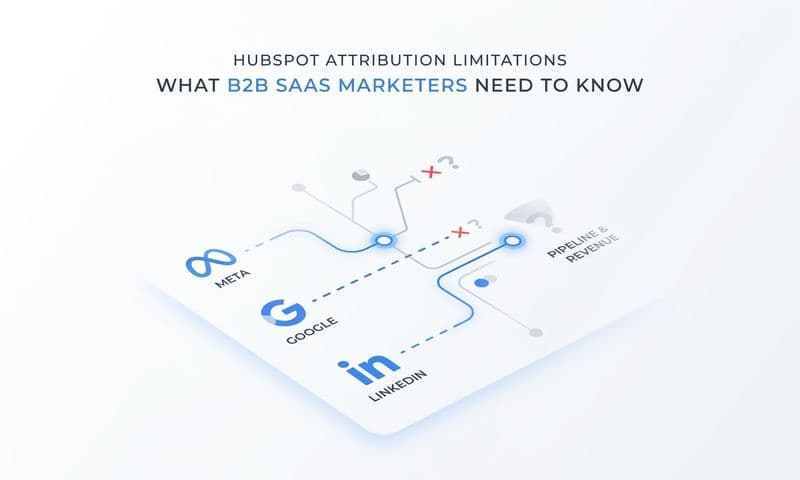
HubSpot is a powerful CRM and inbound marketing platform, but its attribution limitations leave B2B SaaS marketers struggling to connect paid ad spend across Meta, Google, and LinkedIn to real pipeline and revenue. This article breaks down exactly where HubSpot's attribution falls short and what modern growth teams can do about it.
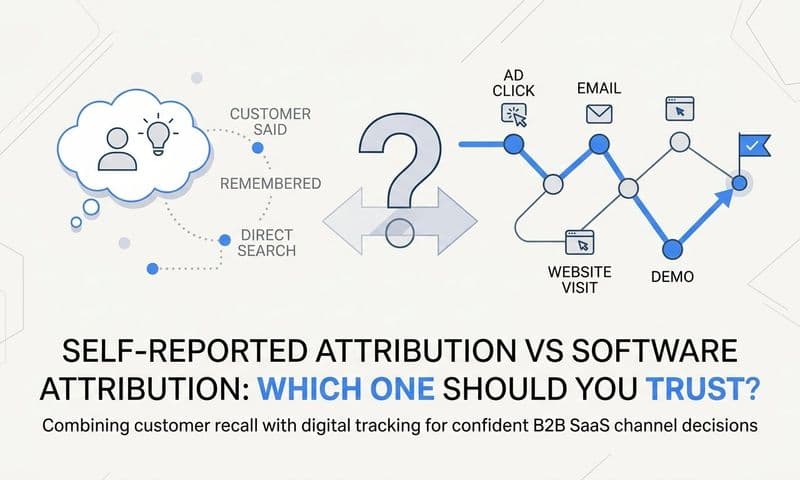
Self-reported attribution captures what customers remember, while software attribution tracks every touchpoint — and the gap between them can lead to serious budget misallocation. This article breaks down how both methods work, where each falls short, and how B2B SaaS marketers can combine them to make more confident, data-driven channel decisions.