
The customer journey isn't a straight line. Think of it less like a direct flight from Point A to Point B and more like a winding road trip with multiple stops, detours, and scenic overlooks along the way. Each stage your customer goes through—from their first inkling of awareness to becoming a die-hard fan—is a distinct phase of this journey.
Getting a handle on these critical phases is the first step to influencing customer behavior and building a predictable growth engine.
Your Roadmap to the Modern Customer Journey
Trying to navigate the modern customer journey without a map is like driving cross-country with no GPS. You’re just guessing which roads lead to revenue and which lead to dead ends. Customer journey mapping is the process of creating that visual roadmap, giving you a chance to see your business through your customer's eyes.
It’s the single most powerful tool for spotting friction, uncovering hidden opportunities, and getting your entire team on the same page about the user experience. This guide will walk you through the five critical phases that make up this journey, showing you why a generic, one-size-fits-all approach just doesn't cut it anymore in a market this crowded.
Why a Clear View Matters
When you can see the entire landscape, no touchpoint gets missed and no interaction is undervalued. You start to see how different marketing efforts—that TikTok ad, the email newsletter, that branded search—all connect and influence each other over time. This holistic view is what turns your strategy from a bunch of disconnected tactics into a cohesive, customer-centric system.
Here's what that clarity unlocks:
- Improved Customer Experience: By finding and fixing the bumps in the road at each stage, you create a smoother, more enjoyable ride that builds serious trust.
- Increased Conversion Rates: When you understand what makes a customer tick right at the moment of decision, you can fine-tune your calls-to-action, messaging, and checkout flow to seal the deal.
- Enhanced Customer Loyalty: A well-managed journey doesn't just stop at the sale. It’s about nurturing that post-purchase relationship, turning one-time buyers into repeat customers and, eventually, your best advocates.
A journey map forces you to challenge your assumptions about where the customer’s experience really begins and ends. It helps you find opportunities for innovation by making sure you don't optimize one phase at the expense of another.
As you start building your own roadmap, a good customer journey mapping template can help organize your thinking. This introduction gives you the foundation you need to master each phase, from a prospect's first glance to a customer's lasting loyalty.
And once your map is drafted, the real magic comes from the data. To see how to bring your map to life with real numbers, check out our deep dive on customer journey analytics.
The Five Core Phases of the Customer Journey
Think of the customer journey like a cross-country road trip. Each phase is a key stop along the way, representing a totally different mindset and set of actions from your customer. Your job is to be the perfect guide for each leg of the journey, making sure they have what they need to move forward with confidence.
These phases aren't always a straight line; people often loop back and forth. But knowing these fundamental stages gives you a powerful framework to organize your marketing and meet customers exactly where they are.
This flow chart breaks down how understanding a customer's path leads directly to analyzing their behavior and, ultimately, driving real business growth.
 Mastering the 5 Customer Journey Phases for Growth
It’s a process, not a single event. Mastering each step is the key to getting the results you want.
To give you a clearer picture, this table breaks down the objective, common actions, and typical channels for each of the five phases.
Key Customer Journey Phases at a Glance
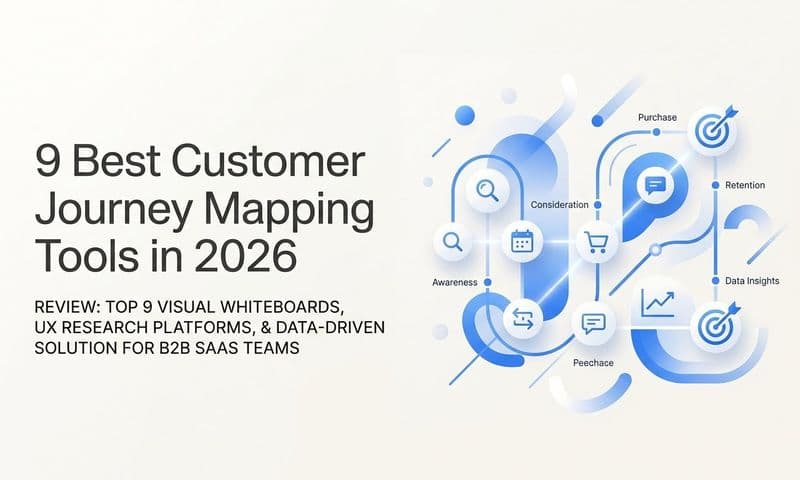
In the Awareness phase, the customer objective is, “I have a problem or a need.” This is where people first discover your brand, usually through channels and touchpoints like social media ads, blog posts, SEO, influencer marketing, and PR.
In the Consideration phase, the customer objective becomes, “I need to find the best solution for my problem.” At this stage, they’re actively evaluating options and typically engage with product pages, reviews, case studies, webinars, and comparison guides.
In the Purchase phase, the customer objective is, “I’m ready to buy this specific product.” This is the decision point, where touchpoints like the checkout page, sales calls, free trials, and email offers play the biggest role in driving the conversion.
In the Retention phase, the customer objective shifts to, “Did I make the right choice? I need support.” The goal here is to build confidence and keep customers engaged through onboarding emails, customer support, community forums, and loyalty programs.
In the Advocacy phase, the customer objective is, “I love this brand and want to tell others.” This is where happy customers turn into promoters through referral programs, user-generated content, and social media mentions.
Now, let's unpack what each of these phases really looks like in action.
Phase 1: Awareness
This is the "lightbulb moment." The awareness phase is where someone first realizes they have a problem or a need. They aren't looking for your product yet; they're just looking for answers related to their challenge.
Imagine someone whose laptop keeps crashing. Their first searches will be for things like, "why is my computer so slow?" or "how to speed up a laptop." They become aware of your brand when your helpful blog post, social media ad, or YouTube video pops up. The goal here isn't a hard sell—it's to be a visible, trusted resource.
Phase 2: Consideration
Once a customer understands their problem and the types of solutions out there, they move into the consideration phase. Now, they're actively weighing their options. This is the research-heavy part of the journey where they compare features, dive into reviews, and look for social proof.
Our laptop user now knows they need a new computer. They'll start searching for "best laptops for remote work" or comparing specific models head-to-head. They’re digging into your product pages, watching video reviews, and asking for opinions online. Your job is to give them the detailed info and trust signals they need to feel confident your solution is the right one.
Phase 3: Purchase
This is the moment of truth. After weighing their options, the customer has decided to buy and is ready to pull the trigger. But don't celebrate just yet. This stage is full of potential friction that can kill a sale at the last minute.
A clunky checkout process, unexpected shipping costs, or a lack of payment options can all lead to cart abandonment. In fact, industry data shows that nearly 70% of online shopping carts are abandoned before the purchase is complete.
This makes a smooth, transparent, and secure transaction process absolutely critical. You have to make it easy for them to give you their money.
Phase 4: Retention
The journey doesn't end after the payment goes through. The retention phase is all about the post-purchase experience. This is where you build lasting loyalty by delivering on your promises, providing excellent support, and continuing to offer value.
A great onboarding experience, helpful follow-up emails, or exclusive access to a community can make a customer feel genuinely valued. This is how you turn a one-time sale into a long-term relationship. Studies consistently show that 65% of a company's business comes from existing customers, proving that keeping a customer is just as important as finding a new one.
Phase 5: Advocacy
Finally, the advocacy phase is the ultimate goal. This is where your satisfied, loyal customers become your most powerful marketers. They start recommending your brand to friends, writing glowing reviews, and sharing their great experiences on social media without you even asking.
This kind of word-of-mouth marketing is pure gold because it’s authentic and highly trusted.
These five phases provide a clear path from turning a complete stranger into a passionate brand champion. To see how these concepts work in the real world, check out our complete guide on the stages of the customer journey.
Measuring What Matters in Each Phase
Without the right metrics, all your customer data is just noise. Measuring success across the customer journey means looking past surface-level numbers and zeroing in on the Key Performance Indicators (KPIs) that truly show you’re making progress. Each phase has its own goal, so it needs its own set of metrics to tell you if you're hitting the mark.
Think of it like a car's dashboard. You wouldn't just stare at the speedometer while ignoring the fuel gauge or engine temperature, right? In the same way, you need a full set of instruments to get a clear, honest picture of what’s working and where you need to focus your efforts for a smooth journey.
 Mastering the 5 Customer Journey Phases for Growth
This approach helps you diagnose problems with precision. Is your brand invisible? Are your product pages failing to convince people? Are customers ditching their carts? The right KPIs will point you straight to the friction.
Awareness Phase KPIs
In the Awareness phase, your main job is to get your brand in front of a new audience. Success isn't about sales here; it's about visibility and sparking initial interest. You’re planting seeds, and your metrics should reflect how far and wide they’re scattered.
- Impressions: This is the total number of times your ad or social media post was displayed. It's your top-level measure of raw reach.
- Reach: This tells you the number of unique individuals who saw your content. It’s the true size of the audience you're connecting with.
- Branded Search Traffic: A spike in people searching for your brand on Google is a rock-solid sign that your awareness campaigns are hitting home.
These numbers show whether you're successfully entering the conversation.
Consideration Phase KPIs
Once someone knows you exist, they slide into the Consideration phase. Here, the game changes from visibility to engagement. You want to see if your audience is actively digging into what you offer, sizing you up against the competition, and showing real intent.
At this stage, you're building a case for your solution. Metrics should reflect how compelling that case is and whether you're holding their attention long enough to build trust.
Key metrics to keep an eye on include:
- Click-Through Rate (CTR): The percentage of people who see your ad or link and actually click it. A high CTR means your message is relevant and compelling.
- Time on Page: How long are visitors sticking around on key pages, like your product descriptions or case studies? More time usually means deeper interest.
- Content Downloads: When people download your guides, whitepapers, or checklists, it’s a clear signal they’re actively researching and see you as a credible source.
Purchase Phase KPIs
This is where the rubber meets the road. In the Purchase phase, success is all about one thing: turning a prospect into a paying customer. The metrics here are direct, unapologetically tied to revenue, and tell you exactly how effective your sales process is at closing the deal.
- Conversion Rate: The percentage of visitors who complete the desired action, like making a purchase. This is the ultimate report card for this phase.
- Average Order Value (AOV): The average amount spent each time a customer buys from you. Pushing this number up is a powerful way to boost revenue without needing more customers.
- Cart Abandonment Rate: The percentage of shoppers who add items to their cart but bail before checking out. A high rate is a massive red flag, often pointing to friction in your checkout flow.
Retention and Advocacy Phase KPIs
The journey doesn't end at the purchase. The final phases, Retention and Advocacy, are all about creating long-term value and turning happy customers into your biggest fans. Measuring this means looking at long-term health and satisfaction. To really nail this, especially retention, understanding key customer retention metrics is non-negotiable.
- Customer Lifetime Value (CLV): The total revenue you can expect from a single customer over their entire relationship with you. This is a critical metric for sustainable, long-term growth.
- Churn Rate: The percentage of customers who stop doing business with you over a certain period. A low churn rate is a sign of a healthy, sticky product or service.
- Referral Rate: The percentage of your customers who refer new business your way. This is the clearest, most honest signal of true brand advocacy.
By tracking these phase-specific KPIs, you get a granular, actionable view of your entire marketing funnel. For a deeper dive, you can learn all about choosing the right digital marketing performance metrics in our detailed guide.
Optimizing Every Step with Marketing Attribution
Knowing the different phases of the customer journey is one thing, but actually improving them is where real growth happens. This is where marketing attribution steps in, bridging the gap between raw data and smart decisions. It’s the science of assigning credit to the different marketing touchpoints that nudge a customer toward a conversion.
For years, marketers got by on a simple but deeply flawed model: last-click attribution. This approach gives 100% of the credit to the very last thing a customer clicked before buying. It’s like giving all the credit for a championship win to the player who scored the final basket, completely ignoring the assists, defensive plays, and coaching that made the shot possible.
This kind of tunnel vision leads to expensive mistakes. You might pour money into bottom-of-the-funnel channels like branded search ads while slashing the budget for the social media campaigns or blog posts that introduced those customers to you in the first place.
Moving Beyond the Last Click
To get the full story, you have to adopt a multi-touch attribution model. This method acknowledges that modern customer journeys aren't a straight line—they’re a winding path with multiple interactions that all play a role in the final decision. It spreads the credit across various touchpoints, giving you a much more honest look at what’s truly driving results.
Imagine a B2B company sees that most prospects convert right after a sales demo (the last click). A last-click model would tell them to spend more on getting demos booked. But with multi-touch attribution, they discover that a huge chunk of those prospects first attended a webinar during the Consideration phase. Suddenly, they see the webinar isn't just a cost center; it's a hidden gem that deserves more investment.
Or think about an e-commerce brand. They might find that a specific TikTok ad they ran in the Awareness phase consistently leads to high-value purchases weeks down the road. This insight lets them pinpoint and scale winning top-of-funnel creative—a move that last-click data would have never supported.
By looking at the entire sequence of events, you can turn raw data into confident, informed decisions. This is how you allocate your budget where it will have the greatest impact across all customer journey phases.
Attribution in Action Across the Journey
Each phase of the journey benefits from a clear attribution strategy, but your focus will shift depending on what you want the customer to do at that stage.
- Awareness: Attribution helps you figure out which top-of-funnel channels (blogs, social ads, PR) are best at bringing in high-quality audiences who actually stick around and move down the funnel.
- Consideration: Here, you can pinpoint which content pieces—like case studies, webinars, or comparison guides—are most influential in building trust and helping prospects make a decision.
- Purchase: Attribution clarifies the final sequence of touchpoints that seal the deal, helping you optimize your checkout-related ads, email offers, and retargeting campaigns for maximum conversions.
This granular view is critical. Today’s journey is overwhelmingly digital, with mobile driving 59% of worldwide website traffic and social media acting as a primary channel for customer conversations. When 68% of US consumers use social media to ask questions before buying, you need to know which of those interactions actually matter.
Turning Attribution Data into Optimization
The ultimate goal of attribution isn’t just to generate fancy reports; it’s to take action. Once you have a clear picture of which touchpoints are pulling their weight, you can start optimizing.
- Reallocate Your Budget: Shift spend away from underperforming channels and campaigns to the ones that are proven to influence conversions at key stages of the journey.
- Refine Your Messaging: Analyze the paths your best customers took. What ad copy and content did they respond to in the early stages? Use those insights to sharpen your creative.
- Personalize the Experience: Use attribution data to understand different customer segments and deliver more relevant content based on their past interactions with your brand.
By implementing a robust attribution strategy, you move from guessing to knowing. You gain the clarity needed to optimize every touchpoint, ensuring a smoother journey for your customers and better results for your business. For a complete overview of how different models work, you can learn more about marketing attribution and find the right fit for your strategy.
How a Unified Platform Improves Your Entire Journey
Knowing the customer journey phases is like having a map of a huge, sprawling city. The map is critical, but you can’t get anywhere fast without a central command center connecting all your transit systems—your marketing channels—in real time. A unified platform like Cometly is that command center, turning fragmented data into a single, high-performance marketing machine.
Trying to manage each phase with separate, disconnected tools is a recipe for disaster. It creates data silos. Your social media team sees one piece of the puzzle, your email team sees another, and your sales team is looking at something else entirely. This fractured view makes it impossible to see how efforts in one phase actually influence outcomes in another, leading to wasted spend and missed opportunities.
 Mastering the 5 Customer Journey Phases for Growth
A unified platform knocks down those walls, creating a single source of truth that gets every team on the same page, looking at the same data and chasing the same goals.
Clarity in Awareness and Consideration
During the early customer journey phases, the name of the game is attraction and engagement. A unified dashboard gives you a real-time, consolidated view of all your top-of-funnel activities. You can see precisely how your Facebook ads, Google campaigns, and organic content are working together to pull new prospects into your orbit.
Instead of guessing which channels introduce the most valuable customers, you get clear, multi-touch attribution data. This lets you:
- Identify Winning Channels: See which platforms are actually best at sparking initial interest that leads to a sale down the line.
- Optimize Creative: Pinpoint the specific ads and content pieces that resonate most with your ideal customers.
- Improve Targeting: Use insights from those first few interactions to sharpen your audience segments for future campaigns.
This holistic view is a game-changer for your budget. You stop funding channels based on gut feelings and start investing in the ones proven to kickstart profitable customer journeys. For a deeper look into this process, check out our guide on marketing data integration.
Accuracy in the Purchase Phase
When a customer is ready to pull the trigger, the last thing you want is for your data to go dark. The Purchase phase is where accuracy is everything, yet it's often the leakiest part of the tracking funnel thanks to ad blockers, browser restrictions, and cookie limitations.
This is where server-side tracking becomes non-negotiable. By sending conversion data directly from your server to your analytics platform, it completely bypasses the browser. This ensures you capture every single conversion accurately, creating a trustworthy dataset for optimization.
This technology isn't a luxury anymore; it’s a necessity for any brand that relies on paid advertising to drive sales. Without it, your ad platforms get incomplete data, which hurts their ability to optimize for future conversions and totally skews your return on ad spend (ROAS) calculations.
Measuring Long-Term Value in Retention and Advocacy
The journey isn't over after the first sale. In the Retention and Advocacy phases, success is all about customer lifetime value (CLV) and brand loyalty. A unified platform with deep integrations lets you connect post-purchase data from your CRM, email platform, and payment processors right back to the original marketing touchpoints.
This capability is what separates good marketing from great marketing. You can finally answer the big questions, like:
- Which ad campaigns bring in customers with the highest CLV?
- Do customers from TikTok have lower churn rates than customers from Google Ads?
- What is the true long-term ROI of our top-of-funnel efforts?
This complete picture is becoming more vital by the day. The global customer journey analytics market, which hit $55.7 billion in 2022, is projected to soar to $287.6 billion by 2031. This explosive growth is driven by businesses racing to map every touchpoint as they face rising consumer expectations for seamless experiences. By unifying your data, you move from just managing campaigns to orchestrating a complete, end-to-end customer experience that drives sustainable growth.
From Mapping to Mastery
Understanding the customer journey is one thing. Turning that knowledge into a repeatable, data-driven system for growth? That's the real goal. This isn't a one-and-done project you can file away; it's an ongoing cycle of mapping, measuring, and tweaking that becomes the very heartbeat of your marketing.
The point is to move past theory and get your hands dirty. It’s about taking control of your data, killing the guesswork that’s been draining your budget, and building a customer-focused engine that drives predictable, sustainable growth. The path from a prospect's first flicker of awareness to their loyal advocacy is winding, but your approach to improving it can be refreshingly straightforward.
Your Action Checklist for Growth
To pull all these ideas together, here's a simple, actionable checklist to get you started. Think of this as your starting line for turning insights into real impact.
- Identify Your Key Touchpoints: Seriously, go through each of the five customer journey phases and list every single place a customer interacts with your brand. Be obsessive—from the first social ad they might see to the post-purchase support email they receive weeks later.
- Define Your Success Metrics: Assign specific KPIs to each stage, just like we discussed earlier. You need to know exactly what a "win" looks like for Awareness (like reach or impressions), Consideration (like click-through rates), and every other phase.
- Re-evaluate Your Attribution Model: Take a hard, honest look at how you're currently measuring what works. If you're still relying on last-click data, you're missing almost the entire story. It’s time to explore a multi-touch model that gives credit where credit is due.
Mastering the customer journey is about a fundamental shift in perspective. Stop asking "What did the customer do last?" and start understanding "What sequence of experiences led them here?" This holistic view is where real optimization begins.
Finally, think about how a unified platform can pull this all together. Integrating your tracking, analytics, and attribution into a single dashboard isn't a luxury anymore—it's the only sane way to manage the modern customer journey. By connecting every single touchpoint, you get the clarity needed to make confident decisions and finally turn your marketing from a cost center into a powerful revenue driver.
Got Questions? We’ve Got Answers.
As you start mapping out the customer journey, some practical questions always come up. Here are a few common ones we hear from marketers trying to get a clearer picture of what’s working.
Which Customer Journey Phase Should I Optimize First?
There's no single right answer here—it all comes down to where your business is bleeding the most. If you're struggling just to get people in the door, your focus should be on the Awareness and Consideration phases. That’s where you’ll fix your lead generation problems.
On the other hand, if you have plenty of traffic but nobody’s buying, your Purchase phase is broken. Something is standing in the way of a conversion, like a clunky checkout process or unclear pricing, and that’s where you need to put your energy first.
And for businesses getting killed by high customer acquisition costs? Go straight to the Retention phase. Keeping an existing customer is always cheaper than finding a new one, so optimizing for loyalty often delivers the biggest bang for your buck. A good analytics tool will show you exactly where people are dropping off, making it obvious where to start.
How Does Server-Side Tracking Make a Difference Across the Journey?
Server-side tracking is a game-changer because it sends data directly from your server to your marketing platforms. This completely bypasses all the usual browser-based issues like ad blockers, cookie restrictions from iOS updates, and spotty network connections. The result is a much cleaner, more complete set of data for every single stage.
In the early Awareness and Consideration phases, this means you’re actually capturing interactions from users with tight privacy settings. And when it comes to the Purchase phase, it guarantees every single conversion gets recorded. No more missed touchpoints, just reliable data you can trust to make smart decisions.
This kind of accuracy is what allows you to do real attribution and allocate your budget with confidence instead of just guessing.
Can I Map the Customer Journey Without an Expensive Analytics Platform?
Absolutely. You can get started by mapping the journey qualitatively. Bust out a spreadsheet, use a flowchart tool, or—even better—just talk to your customers. This is a super valuable exercise for getting your whole team on the same page and building real empathy for the people you’re trying to reach.
But once you’re ready to actually measure and optimize that journey with paid ads, a robust analytics and attribution tool is non-negotiable. Trying to stitch everything together manually from Google Analytics, Facebook Ads, and your CRM is a recipe for errors and data silos. A unified platform automates all of that, giving you the multi-touch attribution insights you need to calculate true ROI and make decisions that actually scale.
Ready to gain a crystal-clear view of every customer journey phase and optimize your marketing with confidence? Cometly provides the unified tracking, attribution, and analytics you need to stop guessing and start growing. See how Cometly can transform your marketing.