
You're staring at your ad dashboard at 2 AM, trying to figure out which campaigns actually drove those 47 conversions last week. Your Facebook Ads Manager shows one number. Google Analytics shows another. Your CRM tells a completely different story. Welcome to the modern marketer's attribution nightmare.
The reality? Most businesses are flying blind, capturing only 60-70% of their actual customer journey data. iOS privacy updates, cookie restrictions, and multi-device behavior have shattered traditional tracking methods. That "last-click" attribution model you've relied on for years? It's costing you thousands in misallocated ad spend every month.
The solution isn't another basic analytics tool—it's choosing a conversion tracking platform built for today's privacy-first, multi-touchpoint reality. You need a system that captures every interaction, connects fragmented data sources, and feeds accurate insights back to your ad platforms for real optimization. Whether you're running complex B2B campaigns or scaling e-commerce ads, precise attribution is the difference between guessing and growing.
Here are the leading conversion tracking platforms that solve the modern attribution puzzle and help you make confident budget decisions in 2026.
1. Cometly
Best for: Marketers seeking AI-powered attribution with real-time optimization recommendations
Cometly stands out as a comprehensive marketing attribution platform that combines advanced tracking with AI-driven insights to show exactly which ads and channels drive real revenue.
 8 Best Top Conversion Tracking Platforms That Actually Solve Attribution In 2026
Where This Tool Shines
Cometly excels at capturing every customer touchpoint from initial ad click to final conversion, providing marketers with an enriched view of the entire customer journey. Its AI-powered recommendations help identify high-performing campaigns across all channels, while server-side tracking ensures data accuracy even with iOS limitations and cookie restrictions.
The platform's ability to feed enriched conversion data back to ad platforms like Meta and Google significantly improves targeting and optimization performance. This creates a feedback loop where better data leads to better ad platform decisions, which in turn drives better results.
Key Features & Capabilities
AI-Powered Attribution: Get intelligent recommendations for scaling winning campaigns across all channels with machine learning insights.
Server-Side Tracking: Bypass iOS limitations and cookie restrictions for accurate data collection that traditional pixel-based tracking misses.
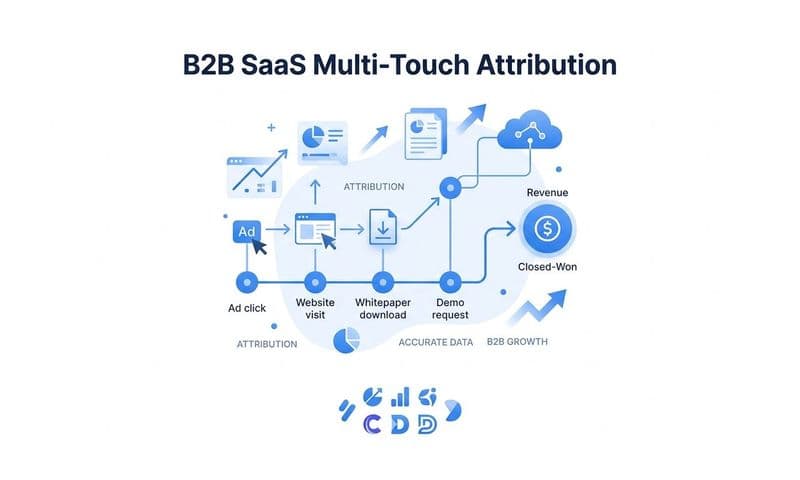
Multi-Touch Attribution: Track complete customer journeys across all touchpoints and devices to understand true marketing contribution.
Conversion Sync: Feed enriched data back to Meta, Google, and other ad platforms for better optimization and targeting performance.
Real-Time Analytics: Monitor campaign performance and budget allocation with instant data updates for immediate optimization decisions.
CRM Integration: Connect sales data for complete revenue attribution and ROI analysis that links marketing spend to actual revenue.
Best For / Ideal Users
Perfect for digital marketing agencies managing multiple client campaigns who need accurate cross-client attribution reporting. E-commerce brands running multi-channel paid advertising will find the revenue tracking particularly valuable.
Especially valuable for companies struggling with iOS tracking limitations or those needing to prove marketing ROI to stakeholders with accurate revenue attribution that connects every dollar spent to actual business outcomes.
Pricing
Offers flexible pricing plans based on monthly tracked conversions, with custom enterprise solutions for larger organizations requiring advanced features and dedicated support.
2. Google Analytics 4
Best for: Businesses wanting comprehensive free analytics with advanced machine learning insights
Google Analytics 4 represents Google's next-generation analytics platform, built specifically for the privacy-first era with event-based tracking and predictive capabilities that go far beyond traditional pageview analytics.
 10 Best Enterprise Channel Analytics Software To Maximize Marketing ROI
Where This Tool Shines
GA4 excels at providing comprehensive website and app analytics through its fundamentally redesigned event-based tracking model. Unlike traditional analytics that focus on pageviews, GA4 treats every user interaction—from scrolls to video plays to form submissions—as trackable events with customizable parameters.
The platform's built-in machine learning models predict user behavior patterns, including purchase probability and churn risk, helping marketers identify high-value segments before they convert. Enhanced measurement automatically tracks key interactions like file downloads, outbound clicks, and video engagement without requiring additional code implementation.
Key Features & Capabilities
Predictive Analytics: Machine learning models forecast purchase probability, churn risk, and potential revenue from specific user segments.
Cross-Platform Tracking: Unified view of web and app user journeys with identity resolution connecting anonymous and authenticated sessions.
Enhanced Measurement: Automatic tracking of scrolls, downloads, video engagement, site search, and outbound clicks without custom code.
Conversion Modeling: Fills data gaps from iOS restrictions and cookie limitations using Google's advanced algorithmic modeling.
BigQuery Integration: Export raw event-level data for advanced analysis, custom reporting, and integration with business intelligence tools.
Best For / Ideal Users
Perfect for small to medium businesses seeking robust analytics without licensing costs, content publishers tracking engagement metrics across multiple properties, and organizations already invested in the Google ecosystem requiring seamless integration with Google Ads and Google Tag Manager.
Particularly valuable for businesses transitioning from Universal Analytics who need modern tracking capabilities that work within privacy-first constraints while maintaining the familiar Google interface.
Pricing
Free for most businesses with generous data limits supporting millions of monthly events. Google Analytics 360 available for enterprise clients requiring advanced features, service level agreements, and significantly higher data processing thresholds.
3. Adobe Analytics
Best for: Enterprise organizations requiring advanced segmentation and real-time personalization capabilities
Adobe Analytics delivers enterprise-grade analytics with sophisticated attribution modeling and real-time data processing, making it the go-to choice for large organizations with complex tracking requirements and massive data volumes.
 10 Best Enterprise Channel Analytics Software To Maximize Marketing ROI
Where This Tool Shines
Adobe Analytics excels in handling massive data volumes while providing granular segmentation capabilities that let you slice customer data in virtually unlimited ways. The platform's real-time processing engine delivers sub-second data availability, enabling immediate optimization decisions when campaign performance shifts.
The Analysis Workspace stands out as a freeform analysis environment where teams can drag and drop dimensions, metrics, and segments to create custom reports without predefined templates. This flexibility proves invaluable for enterprises with unique KPIs and complex reporting needs that standard analytics platforms can't accommodate.
Key Features & Capabilities
Advanced Attribution: Multiple attribution models including algorithmic, time-decay, and custom weighting options for precise marketing contribution analysis.
Real-Time Processing: Instant data availability for immediate optimization decisions and campaign adjustments without processing delays.
Unlimited Segmentation: Create complex audience segments with multiple criteria and behavioral triggers for granular analysis.
Analysis Workspace: Drag-and-drop interface for custom reports, visualizations, and collaborative analysis without technical dependencies.
Calculated Metrics: Build custom KPIs using formulas, segments, and mathematical operations tailored to specific business needs.
Data Warehouse: Export raw data for external analysis, modeling, and integration with business intelligence systems.
Mobile App Analytics: Comprehensive app tracking with lifecycle metrics, in-app behavior analysis, and cross-platform journey mapping.
Best For / Ideal Users
Perfect for large enterprises with complex websites tracking millions of monthly visitors, media companies analyzing content engagement across multiple properties, and organizations requiring advanced data governance and compliance features.
Especially valuable for businesses with dedicated analytics teams who can leverage the platform's sophisticated capabilities, and companies needing real-time personalization based on behavioral data. Organizations already invested in Adobe Experience Cloud gain additional value through seamless integration across marketing tools.
Pricing
Custom enterprise pricing based on server calls and feature requirements. Typically requires significant investment, making it suitable primarily for large organizations with substantial analytics budgets and dedicated implementation resources.
4. Mixpanel
Best for: Product teams tracking user behavior and optimizing conversion funnels through event-based analytics
Mixpanel is a product analytics platform that provides event tracking and digital analytics to help teams get a complete view of their customers and track, analyze, and act on user behavior.
 8 Best Marketing Data Solutions To Maximize ROI In 2026
Where This Tool Shines
Mixpanel excels at answering the "why" behind user behavior through granular event tracking that goes far beyond traditional pageview analytics. While most platforms tell you how many people visited your site, Mixpanel shows you exactly what they did—which buttons they clicked, which features they used, and where they abandoned their journey.
The platform's cohort analysis capabilities reveal patterns in user retention and engagement over time, helping product teams identify what keeps users coming back versus what drives them away. This makes it particularly valuable for SaaS companies and mobile apps where understanding feature adoption and user activation is critical to growth.
Key Features & Capabilities
Event-Based Tracking: Monitor specific user actions and interactions throughout the product experience, from button clicks to feature usage patterns.
Funnel Analysis: Identify conversion bottlenecks with detailed drop-off analysis showing exactly where users abandon key workflows.
Cohort Analysis: Track user retention and behavior patterns over time to understand long-term engagement and identify successful activation strategies.
A/B Testing Integration: Connect experiments directly to conversion metrics and user behavior outcomes for data-driven product decisions.
Real-Time Dashboards: Monitor key metrics and user actions as they happen with live data updates for immediate optimization opportunities.
User Profiles: Track individual user journeys and create behavioral segments based on specific actions and properties.
Automated Insights: Receive AI-powered recommendations for improving conversions and user engagement based on behavior patterns.
Best For / Ideal Users
Ideal for SaaS companies tracking product engagement metrics, mobile app developers optimizing user activation flows, and product teams focused on feature adoption and retention. Particularly valuable for businesses with freemium models or subscription services where understanding the path from trial to paid conversion is essential.
Product managers and growth teams will find Mixpanel's event-based approach more actionable than traditional web analytics when making product decisions. The platform works best for teams that need to understand user behavior at a granular level rather than just traffic metrics.
Pricing
Free tier available for basic tracking with limited monthly tracked users. Paid plans scale based on monthly tracked users and events, with enterprise options offering advanced features and higher data volumes.
5. HubSpot Analytics
Best for: Marketing teams needing integrated CRM and marketing automation analytics
HubSpot Analytics provides comprehensive marketing attribution within an integrated CRM and marketing automation platform, offering seamless tracking from first touch to closed deal.
 10 Best Enterprise Channel Analytics Software To Maximize Marketing ROI
Where This Tool Shines
HubSpot excels at connecting marketing activities directly to sales outcomes through its integrated CRM system. This creates a complete picture of the customer journey from initial website visit through deal closure, making it easier to calculate true marketing ROI and optimize campaigns based on revenue impact.
The platform's lead scoring and attribution reporting help marketing teams prove their value to sales leadership. Unlike standalone analytics tools, HubSpot tracks every email open, form submission, page view, and sales interaction in one unified database, eliminating the data fragmentation that plagues most marketing teams.
Key Features & Capabilities
Integrated CRM Tracking: Connect marketing touches to actual sales outcomes with seamless data flow between marketing and sales teams.
Attribution Reporting: Multi-touch attribution across all marketing channels with revenue impact analysis showing which campaigns drive closed deals.
Campaign Analytics: Track performance of emails, social media, paid ads, and content marketing efforts in unified dashboards.
Lead Scoring: Automatically score leads based on engagement, behavior, and demographic information to prioritize sales follow-up.
Revenue Attribution: Connect marketing activities to closed deals and actual revenue generation, not just lead volume.
Marketing Automation: Track automated workflow performance and optimization opportunities with detailed engagement metrics.
Custom Dashboards: Build reports tailored to specific business needs and stakeholder requirements without technical expertise.
Best For / Ideal Users
Perfect for B2B companies with longer sales cycles where multiple touchpoints influence purchase decisions. Marketing teams needing to prove ROI to sales leadership will appreciate the direct connection between campaigns and closed revenue.
Businesses wanting an all-in-one marketing and sales platform without multiple tool integrations and data silos benefit from HubSpot's unified approach. The platform works especially well for inbound marketing strategies focused on content, email nurturing, and lead conversion.
Pricing
Free tier includes basic analytics and CRM features for small teams. Professional and Enterprise plans offer advanced attribution features, with pricing based on number of marketing contacts and required functionality.
6. Hotjar
Best for: Understanding user behavior through heatmaps and session recordings to identify conversion optimization opportunities
Hotjar takes a fundamentally different approach to conversion tracking by focusing on the qualitative "why" behind user behavior rather than just quantitative metrics.
 11 Best Conversion Optimization Tools to Boost Your ROI in 2026
Where This Tool Shines
Hotjar excels at revealing friction points that pure numbers cannot explain. When your conversion rate drops but traditional analytics only show the decline without context, Hotjar's heatmaps and session recordings show you exactly where users click, how far they scroll, and where they abandon their journey. This visual approach bridges the gap between knowing your conversion rate and understanding why users behave the way they do.
The platform's combination of behavior tracking and direct user feedback creates a complete picture of the user experience. You can watch actual session recordings to see users struggle with confusing navigation, then validate those observations with targeted feedback polls asking users about their experience in real-time.
Key Features & Capabilities
Heatmap Analysis: Visual representation of clicks, taps, scrolls, and mouse movements across all pages to identify engagement patterns.
Session Recordings: Watch real user sessions to see exactly how visitors navigate your site and where they encounter friction.
Conversion Funnels: Track user flow through key conversion paths with visual drop-off analysis showing where users abandon.
Form Analytics: See field-by-field completion rates, time spent per field, and abandonment points to optimize form conversion.
Feedback Polls: Collect direct user insights with targeted on-page surveys that appear based on behavior triggers.
User Surveys: Understand motivations and pain points through structured feedback collection at key journey moments.
Best For / Ideal Users
Perfect for UX designers and conversion rate optimization specialists who need to understand user behavior patterns beyond basic metrics. Particularly valuable for e-commerce businesses with high traffic but low conversion rates, where identifying specific friction points can significantly impact revenue.
Also ideal for product teams optimizing onboarding flows, SaaS companies improving feature adoption, and marketing teams testing landing page variations based on actual user behavior rather than assumptions.
Pricing
Free plan available with limited daily sessions and basic features. Paid plans scale based on daily sessions tracked, starting with the Plus tier for growing businesses and extending to Business and Scale tiers for enterprises requiring advanced features and higher session limits.
7. Segment
Best for: Companies needing unified data collection across multiple analytics tools
Segment is a customer data platform that collects, cleans, and routes user data to multiple analytics and marketing tools, creating a single source of truth for customer information across your entire tech stack.
 8 Best Tools to Fix Conversion Sync Issues Across Ad Platforms in 2026
Where This Tool Shines
Segment excels at solving data fragmentation by creating a unified customer data layer that feeds multiple downstream tools simultaneously. Instead of implementing separate tracking code for each individual platform—Google Analytics, Mixpanel, HubSpot, Facebook Ads, and dozens of others—businesses implement Segment once and route data to hundreds of different analytics, marketing, and business intelligence tools.
This approach ensures data consistency across your entire marketing stack while dramatically reducing implementation complexity. When you need to add a new tool, you simply enable it in Segment's interface rather than deploying new tracking code across your website and apps.
Key Features & Capabilities
Unified Data Collection: Single implementation feeds multiple analytics tools with consistent data formatting and event naming.
Real-Time Data Streaming: Instant data delivery to connected platforms with minimal latency for immediate activation.
Identity Resolution: Unify user profiles across devices, platforms, and touchpoints for complete attribution visibility.
Reverse ETL: Send data from warehouses back to operational tools for activation and personalization campaigns.
Privacy Controls: Manage consent, data retention, and user preferences automatically across all connected tools.
400+ Integrations: Connect to virtually any analytics, marketing, or business intelligence platform in the ecosystem.
Data Governance: Ensure data quality, validation, and compliance across all connected tools with centralized controls.
Best For / Ideal Users
Perfect for growing companies using multiple analytics tools who need to ensure data consistency across their tech stack. Especially valuable for data teams managing complex integrations and organizations with strict data governance requirements.
Ideal for businesses planning to scale their marketing technology stack without reimplementing tracking code every time they add a new tool. Companies with dedicated data engineering resources will maximize Segment's advanced capabilities like schema validation and custom transformations.
Pricing
Free tier available for basic usage with limited monthly tracked users. Team and Business plans scale based on monthly tracked users, with enterprise pricing for advanced features, higher data volumes, and dedicated support.
8. Triple Whale
Best for: E-commerce brands seeking unified analytics across all marketing channels
Triple Whale specializes in e-commerce analytics, providing a centralized dashboard that combines data from advertising platforms, email marketing, and website analytics to show true customer acquisition costs and lifetime value for online retailers.
 11 Best Marketing Attribution Companies to Track Your Ad ROI in 2026
Where This Tool Shines
Triple Whale excels at solving the attribution puzzle specifically for e-commerce businesses by combining first-party data with advertising platform data to provide accurate customer acquisition costs and lifetime value metrics. Its pixel technology helps recover lost conversions from iOS tracking limitations, while the platform's focus on e-commerce metrics makes it ideal for online retailers.
The platform's strength lies in its ability to aggregate data from multiple sources into a single dashboard designed specifically for Shopify and e-commerce businesses. This eliminates the need to jump between Meta Ads Manager, Google Analytics, email platforms, and other tools to understand overall marketing performance.
Key Features & Capabilities
E-commerce Attribution: Specialized tracking for online retail with accurate customer acquisition cost calculations across all channels.
Pixel Recovery: Advanced tracking technology to recover conversions lost to iOS privacy changes and browser restrictions.
Lifetime Value Tracking: Monitor customer LTV across all channels and touchpoints for better budget allocation decisions.
Creative Analytics: Track ad creative performance across platforms with automated creative testing insights and recommendations.
Profit Tracking: Monitor true profitability by factoring in product costs, shipping expenses, and advertising spend for accurate ROI.
Email Integration: Connect email marketing performance to overall customer journey and revenue attribution for complete visibility.
Inventory Insights: Link product performance to marketing spend for better inventory planning and campaign optimization decisions.
Best For / Ideal Users
Perfect for e-commerce brands, Shopify store owners, and direct-to-consumer companies needing specialized retail analytics. Particularly valuable for businesses struggling with iOS attribution issues and those needing to optimize for profit rather than just revenue.
The platform works especially well for growing e-commerce businesses that have outgrown basic Shopify analytics but aren't ready for enterprise-level solutions. Brands running multi-channel campaigns across Meta, Google, TikTok, and email will find the unified dashboard invaluable.
Pricing
Plans based on monthly revenue tracked, with different tiers offering advanced features like creative analytics and custom reporting for growing e-commerce businesses.
Making the Right Choice
Selecting the right conversion tracking platform depends on your specific business model, technical requirements, and attribution complexity. For businesses seeking comprehensive AI-powered attribution with server-side tracking capabilities, Cometly offers the most advanced solution for modern marketing challenges. Companies already invested in the Google ecosystem will find GA4's free tier compelling, while enterprises with massive data needs should consider Adobe Analytics.
Product-focused companies benefit from Mixpanel's event-based approach, while B2B organizations with integrated sales processes should evaluate HubSpot's CRM-connected analytics. For visual behavior insights, Hotjar provides unique qualitative data, and businesses managing multiple tools will appreciate Segment's unified data approach. E-commerce brands specifically should consider Triple Whale's retail-focused features.
The key is matching your platform choice to your attribution complexity, team capabilities, and budget constraints. Start by identifying your primary use case: Are you optimizing ad spend, improving user experience, or proving marketing ROI? Then evaluate each platform's strengths against your specific requirements.
Ready to solve your attribution challenges with AI-powered insights and server-side tracking that captures every touchpoint? Get your free demo and see how comprehensive attribution transforms your marketing decisions.