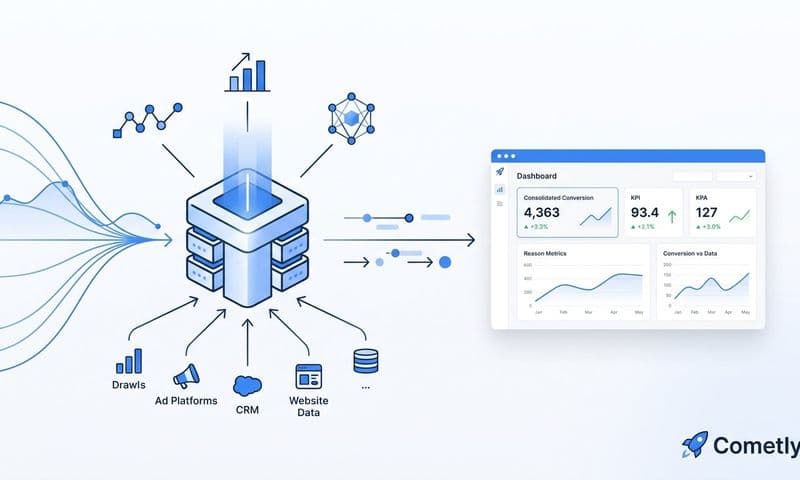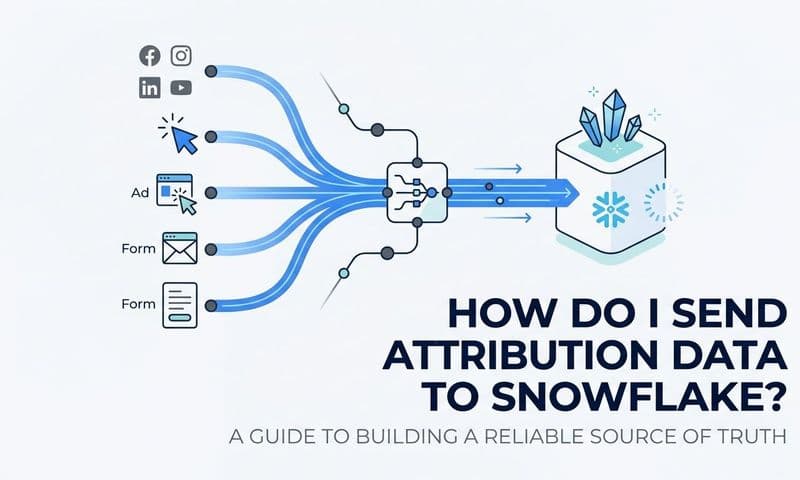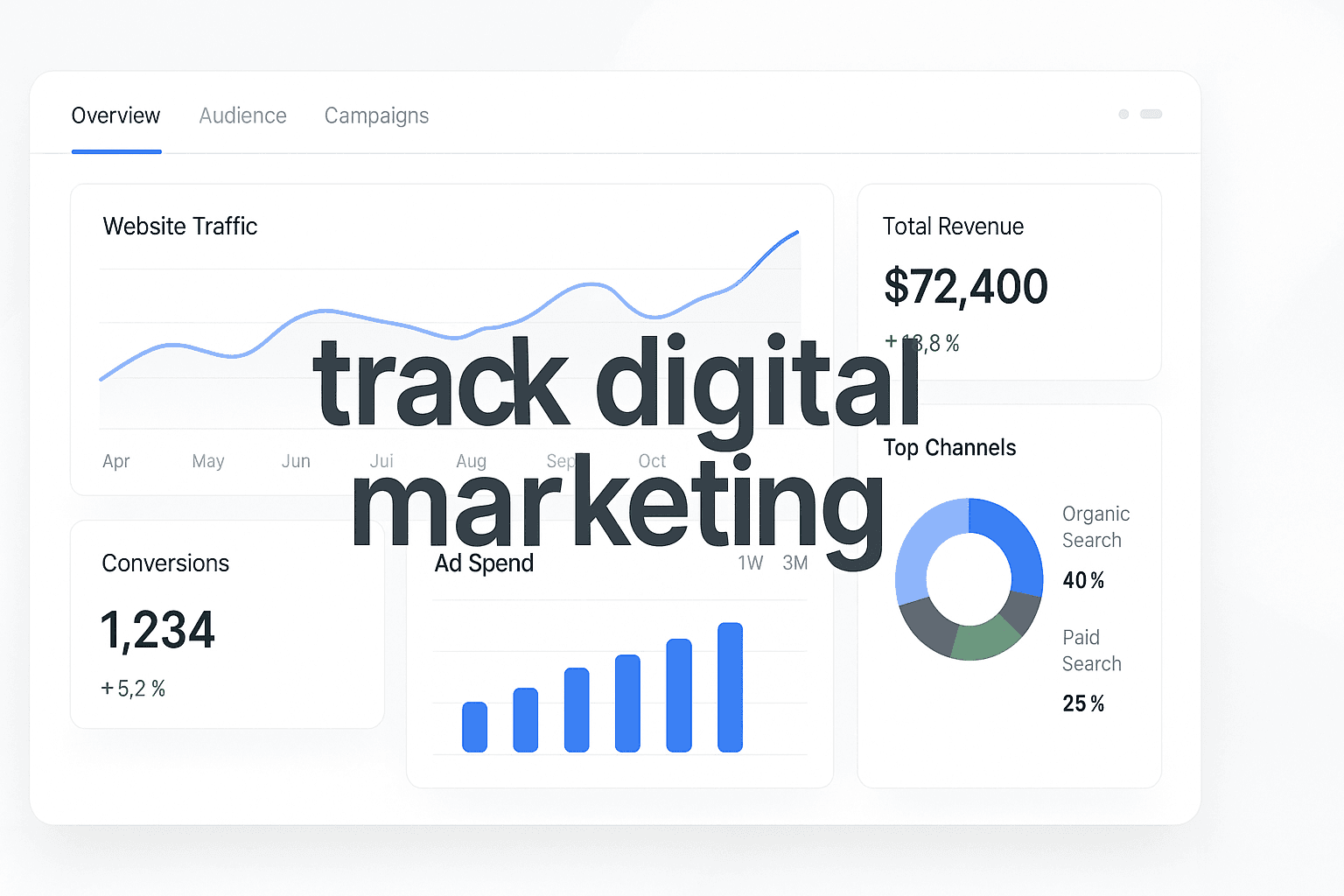
You're staring at your marketing dashboard at 11 PM on a Tuesday, and something doesn't add up. Your Facebook campaigns show a 4.2x ROAS. Your Google Ads report a 3.8x return. Your email platform claims it drove 40% of last month's revenue. Add it all up, and according to your tools, you should have made 250% more than what actually hit your bank account.
Welcome to the $50,000 question every digital marketer faces: which campaigns are actually driving revenue, and which ones are just stealing credit?
Here's the uncomfortable truth—most marketing teams are flying blind. They're making million-dollar budget decisions based on attribution data that's fundamentally broken. One channel takes credit for a conversion while three others that influenced the journey get ignored completely. Your "winning" campaigns might be cannibalizing your actual revenue drivers, and you'd never know it.
The stakes got even higher after iOS 14.5 dropped in 2021. Apple's App Tracking Transparency framework didn't just change the rules—it shattered the tracking foundation most marketers had relied on for years. Suddenly, the Facebook pixel that used to capture 90% of your conversions was missing 30-40% of the data. Google Analytics showed one story, your ad platforms told another, and your CRM painted a third picture entirely.
This isn't just a technical problem—it's a revenue problem. When you can't accurately track digital marketing performance, you can't optimize it. You shift budgets toward channels that look good in isolation while starving the campaigns that actually drive customer acquisition. You scale the wrong ads, cut the wrong budgets, and wonder why growth stalls despite increased spending.
But here's what changes everything: when you implement proper tracking infrastructure, the fog lifts. You see exactly which touchpoints matter, which channels work together, and where every dollar of your marketing budget actually goes. You stop guessing and start knowing.
This guide walks you through building that system step-by-step. You'll learn how to audit your current tracking gaps, implement server-side tracking that survives privacy restrictions, connect every marketing channel into a unified view, and set up attribution models that reveal true campaign performance. By the end, you'll have a bulletproof tracking foundation that shows exactly which marketing efforts drive real revenue—not just vanity metrics.
No more conflicting reports. No more attribution blindness. Just clear, accurate data that lets you scale what works and cut what doesn't. Let's walk through how to build this system from the ground up.
Step 1: Audit Your Current Tracking Infrastructure
Before you build anything new, you need to know what you're working with. Think of this audit as detective work—you're uncovering where your revenue attribution is getting lost right now.
Most marketing teams discover they're running 5-7 different tracking tools that capture overlapping but inconsistent data. Your Google Analytics shows one conversion number, Facebook claims another, and your CRM tells a completely different story. This isn't just annoying—it's costing you real money in misallocated budget.
Set aside 2-3 hours for this audit. Grab a spreadsheet and get ready to document everything.
Inventory Your Existing Tools and Data Sources
Start by listing every single tool that touches your marketing data. Before diving into your infrastructure audit, it's essential to understand the fundamentals of how to track marketing campaigns across individual channels and touchpoints.
Open your Google Analytics and check which properties you're tracking, what goals are configured, and whether e-commerce tracking is properly implemented. Then audit every ad platform pixel—Meta Pixel, Google Ads conversion tracking, LinkedIn Insight Tag, TikTok Pixel. Document which events each pixel is firing and whether they're capturing the data you actually need.
Don't forget your CRM. Check whether it's receiving lead data from your website forms, how it's tagged with campaign source information, and whether it's connected to your ad platforms. Many teams discover their CRM is capturing leads but has zero visibility into which marketing campaigns drove them.
Create three columns in your spreadsheet: Tool Name, Data It Captures, and Integration Status. Be brutally honest about what's actually working versus what you think should be working.
Identify Data Silos and Attribution Gaps
Now comes the uncomfortable part—mapping where your customer journey data disappears into black holes.
Look for integration failures between your ad platforms and analytics. Many businesses don't realize the extent of their attribution gaps until they see comprehensive case studies showing the revenue impact of proper tracking implementation. Are your Google Ads conversions importing into Analytics? Is your Meta Pixel data flowing into your reporting dashboard?
Check your CRM integration. If someone fills out a lead form after clicking three different ads over two weeks, does your CRM show all three touchpoints or just the last one? Most CRMs only capture the final referral source, which means you're systematically undervaluing your awareness and consideration campaigns.
Mobile tracking deserves special attention. Since iOS 14.5 dropped, many e-commerce brands lost 30-40% of their mobile conversion attribution. Check whether your mobile app tracking is connected to your web tracking, and whether you're capturing cross-device journeys.
Document every gap you find. Create a priority score based on revenue impact—which gaps are costing you the most in misattributed conversions?
Map Your Complete Customer Journey Touchpoints
This is where you document every possible way a customer can interact with your brand before converting.
Understanding how to evaluate marketing channels across the complete customer journey helps you identify which touchpoints deserve tracking priority. Start with your paid channels—Google Ads, Facebook, LinkedIn, display networks. Then map your organic touchpoints—SEO traffic, direct visits, referral sources. Don't forget email sequences, retargeting campaigns, and social media interactions.
For marketing agencies managing multiple client accounts, this mapping exercise reveals patterns across different industries and customer behaviors. Create a visual flowchart showing how customers move from awareness to consideration to decision. Mark every point where they could interact with your marketing—a blog post, a Facebook ad, an email, a retargeting banner, a Google search.
Most businesses discover their customer journey involves 7-12 touchpoints before conversion. If your tracking only captures the last click, you're missing 85% of the story.
Step 2: Set Up Server-Side Tracking Foundation
Here's where most marketers hit a wall—and where the ones who push through gain a massive competitive advantage. Server-side tracking isn't just a technical upgrade. It's the difference between seeing 60% of your conversions and seeing 95% of them.
Let's talk about why this matters right now, not in some theoretical future.
Why Server-Side Tracking Matters Now
When iOS 14.5 dropped in April 2021, it didn't just change the rules—it broke the game most marketers were playing. Apple's App Tracking Transparency framework requires explicit user consent before apps can track activity. The result? About 75% of iOS users opted out of tracking, and suddenly your Facebook pixel was missing 30-40% of conversion data.
That's not a minor inconvenience. That's a fundamental attribution crisis.
Client-side tracking—the traditional pixel-based approach—relies on JavaScript code running in the user's browser. It's vulnerable to ad blockers, browser privacy settings, and user consent choices. Every iOS update, every browser privacy enhancement, every ad blocker installation chips away at your data accuracy.
Server-side tracking flips this model. Instead of relying on browser-based pixels, your server sends conversion data directly to ad platforms through their APIs. The user's browser never enters the equation. Building a robust marketing tracking system that addresses these privacy challenges requires understanding the complete architecture of modern tracking infrastructure.
The accuracy improvement is dramatic. Brands implementing server-side tracking typically recover 25-35% of previously lost conversion data. That's not just better reporting—that's finding revenue you didn't know existed and feeding your ad platforms the data they need to optimize effectively.
Implementing Your First Server-Side Events
Let's walk through the actual implementation. This isn't as complex as it sounds, but it does require methodical execution.
Start with Google Tag Manager Server Container: This is your server-side tracking hub. Create a new server container in GTM, which gives you a tagging server that sits between your website and your marketing platforms. You'll need to provision a server (Google Cloud Run is the easiest option) and configure your custom domain to point to it. This typically takes 2-3 hours for initial setup.
Configure Meta Conversions API: This is where Facebook/Meta receives your server-side conversion data. In your Meta Events Manager, generate an access token and set up your Conversions API integration. Map your key events—page views, add to cart, initiate checkout, purchase—to send through both your pixel and the Conversions API. The dual approach (client-side pixel + server-side API) gives you maximum data capture.
Map Event Parameters Correctly: This is where most implementations fail. Your server-side events need to include user identifiers (email hashes, phone hashes, client IP, user agent) and event parameters (product IDs, transaction values, currency). The richer your event data, the better your ad platform's optimization algorithms perform. For marketers wanting to master advanced server-side tracking techniques, comprehensive training resources at the Academy provide step-by-step implementation guidance.
For B2B companies with longer sales cycles, implementing B2B marketing attribution through server-side tracking connects your CRM data directly to your ad platforms. This closes the loop between initial ad click and final deal closure, often revealing that campaigns you thought were underperforming are actually driving your highest-value customers.
Success stories like Alvaro Berrios Digital demonstrate how proper server-side implementation transforms attribution accuracy and campaign optimization capabilities. Test your implementation thoroughly—send test events, verify they appear in your ad platform's events manager, and confirm that conversion values match your actual revenue data.
Step 3: Connect All Your Marketing Channels
You've audited your tracking gaps and built a server-side foundation. Now comes the moment where everything clicks into place—connecting every marketing channel into a unified attribution system.
This is where most marketers discover the truth about their customer journeys. That "low-performing" organic search traffic? It's actually initiating 40% of your high-value conversions. Those email campaigns you almost cut? They're influencing deals worth 3x more than your paid ads show. You just couldn't see it because your data lived in silos.
Here's what changes when you connect everything: you stop optimizing channels in isolation and start understanding how they work together. Let's build that unified view step by step.
Integrating Paid Advertising Platforms
Start with your paid channels—they're typically your largest budget line items and need the most accurate attribution. Connect Meta Ads Manager through their Conversions API, not just the pixel. This captures server-side conversion data that survives iOS tracking limitations and ad blockers.
For Google Ads, set up offline conversion imports that feed your CRM data back into the platform. This closes the loop between ad clicks and actual revenue, especially critical for B2B companies with long sales cycles. Once your platforms are connected, understanding the detailed methodology of how to track marketing campaigns across these integrated systems ensures you're capturing complete attribution data.
Don't stop at the big two. LinkedIn, TikTok, and emerging platforms each have their own conversion APIs and tracking requirements. The key is standardizing your UTM parameters across every platform—use the same naming conventions, campaign structures, and tracking parameters everywhere. When a customer touches five different channels before converting, consistent UTM tagging is what lets you reconstruct that journey accurately.
Here's the checklist: API access credentials for each platform, conversion event mapping that matches your business goals, and a UTM parameter schema document that every team member follows religiously. Agencies managing dozens of accounts often create templates that enforce this standardization automatically.
Connecting Organic and Email Channels
Paid channels are just half the story. Your organic search traffic, email campaigns, and social media presence all influence conversions—they just don't shout about it as loudly as paid ads do.
For organic search, connect Google Search Console data to see which keywords drive traffic that eventually converts. Map those keywords to your content strategy and track how organic visitors move through your funnel. Many businesses discover their blog content initiates customer journeys that paid ads later get credit for closing.
Email marketing platforms like Klaviyo or Mailchimp need direct integration with your attribution system. Don't rely on last-click data from your email platform—it systematically overcounts email's impact by ignoring earlier touchpoints. Instead, track email as one influence point in a multi-touch journey. That nurture sequence might not get the final click, but it's often the reason someone was ready to convert when they saw your retargeting ad.
Social media organic traffic deserves the same treatment. Track which posts drive engaged visitors who later convert through other channels. For e-commerce businesses, understanding marketing attribution for e-commerce reveals how social proof, user-generated content, and influencer partnerships contribute to the customer journey even when they don't get the final click.
Content marketing attribution works the same way—measure how blog readers, video viewers, and podcast listeners eventually become customers, even if they convert through a different channel. The GA4 marketing attribution framework provides the foundation for tracking these cross-channel journeys, but you'll need additional tools to capture the complete picture across all your marketing touchpoints.
Step 4: Implement Multi-Touch Attribution Models
Here's where tracking gets interesting. You've got data flowing from every channel, but now comes the million-dollar question: which touchpoints actually deserve credit for your conversions?
Most marketers are stuck using last-click attribution by default—the digital equivalent of only thanking the closer on a sales team while ignoring everyone who qualified the lead, built the relationship, and handled objections. It's not just incomplete. It's actively misleading.
Multi-touch attribution changes everything. Instead of giving 100% credit to the final click before conversion, you distribute credit across the entire customer journey. Suddenly, that "underperforming" content marketing campaign that introduces prospects to your brand gets recognized for the revenue it actually influences. Your awareness campaigns stop looking like budget drains and start showing their true value.
Let's walk through how to implement attribution models that reveal what's really driving your revenue.
Understanding Attribution Model Options
Different attribution models tell different stories about your marketing performance. The key is choosing models that match your actual customer behavior and business model.
First-Click Attribution: Gives 100% credit to the first touchpoint in the customer journey. This model is invaluable for evaluating your awareness campaigns and understanding which channels are best at introducing new prospects to your brand. If you're running top-of-funnel campaigns and need to justify that investment, first-click attribution shows you exactly which channels are opening doors.
Time-Decay Attribution: Assigns more credit to touchpoints closer to conversion while still acknowledging earlier interactions. This model works exceptionally well for B2B companies with longer sales cycles where recent interactions matter more, but you don't want to completely ignore the nurturing that happened months earlier.
Position-Based Attribution: Typically gives 40% credit to first touch, 40% to last touch, and distributes the remaining 20% across middle touchpoints. This balanced approach recognizes that both introducing a prospect and closing them matter significantly. Many marketing teams find this model provides the most actionable insights for budget allocation.
Data-Driven Attribution: Uses machine learning to analyze your actual conversion patterns and assign credit based on statistical impact. This is the most sophisticated approach, but it requires substantial conversion volume to generate reliable insights. Companies with thousands of monthly conversions often find data-driven attribution reveals patterns human analysis would miss.
The reality? You shouldn't pick just one. Running multiple attribution models simultaneously lets you see your marketing performance from different angles. When a campaign looks strong across multiple models, you've found a genuine winner. For enterprise teams managing complex customer journeys, account based marketing attribution provides the framework for tracking how multiple stakeholders within target accounts engage with your marketing before conversion.
Setting Up Custom Attribution Windows
Attribution windows determine how long after a touchpoint you'll give it credit for a conversion. Get this wrong, and you're either over-crediting or under-crediting your marketing channels.
The default settings in most platforms—often 7 days for clicks and 1 day for views—rarely match actual customer behavior. If your average sales cycle is 30 days, a 7-day attribution window means you're systematically ignoring the marketing that started the journey.
For mobile app businesses, understanding what is mobile marketing attribution and how attribution windows function differently across iOS and Android platforms is critical for accurate performance measurement. Analyze your historical conversion data to determine your actual customer journey length. Look at the time between first touch and conversion across your customer base. If 80% of conversions happen within 45 days of first interaction, set your attribution window to 45-60 days.
Different channels may warrant different windows. Brand awareness campaigns might influence conversions 90 days later, while retargeting typically converts within 7 days. Configure channel-specific windows that reflect these realities rather than using platform defaults that don't match your business model.
Step 5: Set Up Automated Performance Monitoring
You've built the tracking infrastructure. You've connected every channel. You've implemented attribution models that reveal true campaign performance. Now comes the part that separates scaling marketers from overwhelmed ones: automation.
Manual monitoring doesn't scale. When you're checking dashboards three times a day, refreshing reports every hour, and manually comparing yesterday's numbers to last week's—you're not optimizing campaigns, you're babysitting data. Worse, you're guaranteed to miss the critical moments when performance shifts and immediate action could save thousands in wasted spend.
Automated monitoring transforms your tracking system from a reporting tool into an optimization engine. Let's build the alerts and dashboards that let you focus on strategy instead of data entry.
Ready to elevate your marketing game with precision and confidence? Discover how Cometly's AI-driven recommendations can transform your ad strategy—**Get your free demo** today and start capturing every touchpoint to maximize your conversions.