You're running campaigns on Meta, Google, TikTok, and LinkedIn. Each platform has its own dashboard, its own metrics, and its own version of the truth. Meta says one campaign drove 50 conversions. Google claims credit for 40 of those same conversions. TikTok shows promising engagement, but you can't connect it to actual revenue. Your LinkedIn ads look expensive until you realize they're generating your highest-value customers.
This fragmented view of performance data makes optimization feel like guesswork. You're making budget decisions based on incomplete information, unable to see which channels actually drive revenue and which ones just look good on paper.
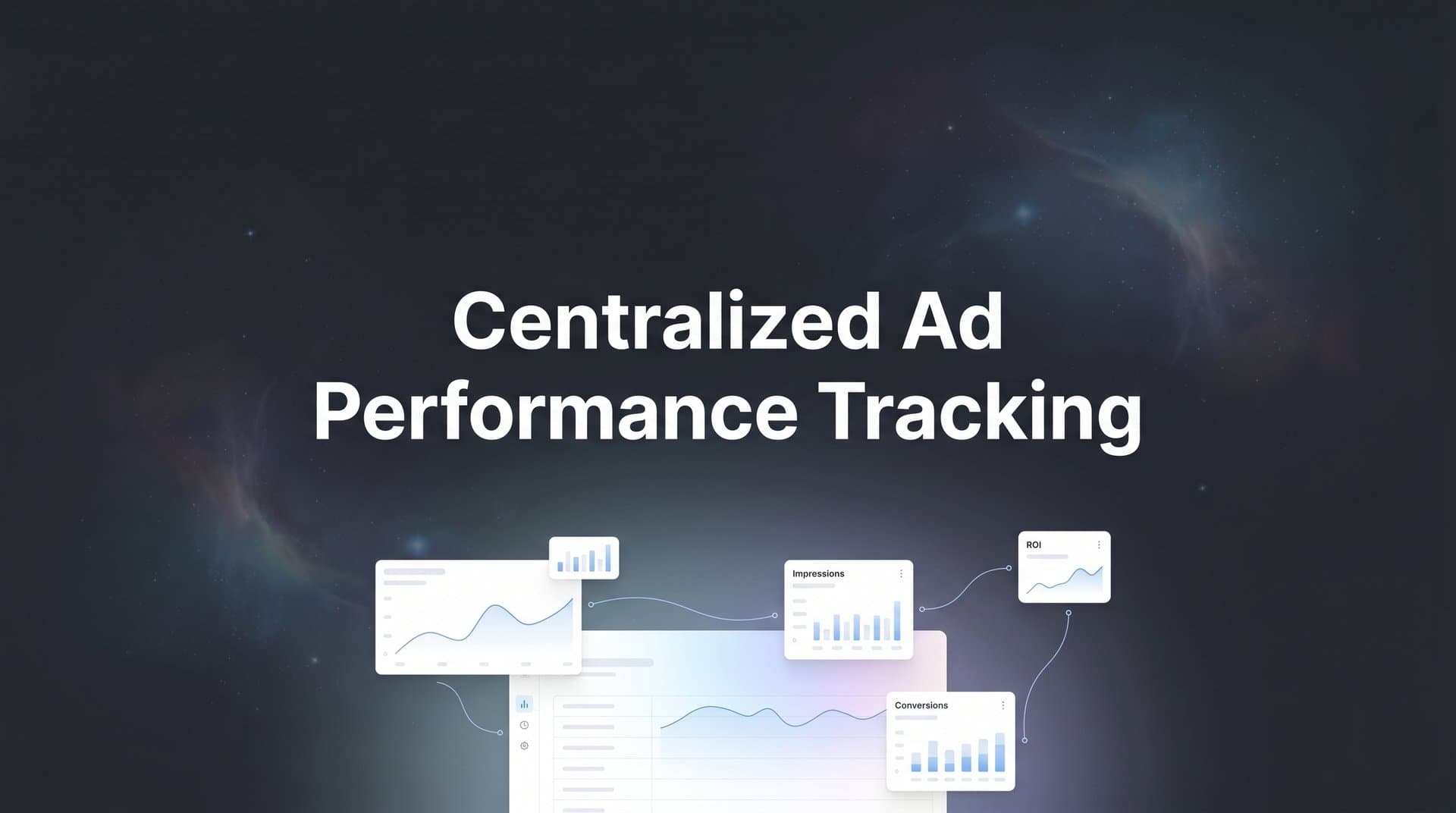
Centralized ad performance tracking solves this by bringing all your campaign data into one unified view. Instead of jumping between platforms and reconciling conflicting numbers, you get a single source of truth that connects every ad click to real business outcomes. This approach enables faster decisions, more accurate attribution, and the confidence to scale what's working while cutting what's not.
The following seven strategies will help you build a centralized tracking system that captures every touchpoint and shows you exactly where your marketing dollars deliver the best returns.
1. Unify Your Data Sources with a Single Attribution Platform
The Challenge It Solves
When your ad platforms, website analytics, and CRM operate in isolation, you're forced to manually piece together performance data from multiple sources. This creates inconsistencies in conversion counting, makes cross-channel comparison nearly impossible, and leaves you with conflicting reports about which campaigns actually drive results. The time spent reconciling data could be spent optimizing campaigns.
The Strategy Explained
A centralized attribution platform acts as the single hub where all your marketing data flows together. It connects to your ad platforms through APIs, captures website conversions through tracking pixels and server-side events, and syncs with your CRM to track the complete customer journey from first click to closed deal.
This unified approach ensures every conversion is counted once and attributed consistently across all channels. Instead of Meta's dashboard showing one set of numbers and Google showing another, you get one accurate view of performance that accounts for overlapping touchpoints and cross-device behavior.
The platform becomes your command center for marketing decisions. You can compare channel performance using the same attribution model, identify which campaigns contribute to pipeline versus vanity metrics, and spot optimization opportunities that would be invisible when viewing platforms in isolation. A dedicated ad performance tracking platform makes this centralization possible.
Implementation Steps
1. Evaluate attribution platforms that integrate with your specific ad channels and CRM system, prioritizing those with native connections rather than requiring manual data imports.
2. Connect your ad platforms first, starting with your highest-spend channels to immediately gain visibility into where the majority of your budget flows.
3. Install tracking pixels and configure server-side tracking to capture conversions accurately across all traffic sources.
4. Integrate your CRM to connect lead stages and revenue data back to the original ad touchpoints that generated them.
5. Set up your conversion events consistently across all platforms, using the same naming conventions and event parameters to enable apples-to-apples comparison.
Pro Tips
Start with a limited set of core conversion events rather than trying to track everything at once. Focus on the actions that directly impact revenue, then expand your tracking as the system stabilizes. Regularly audit your connections to ensure data flows correctly, especially after platform updates or changes to your ad accounts.
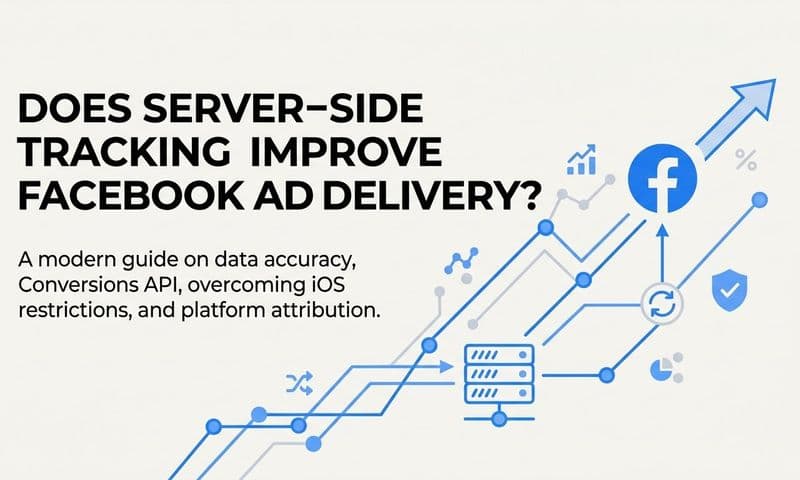
2. Implement Server-Side Tracking for Accurate Data Collection
The Challenge It Solves
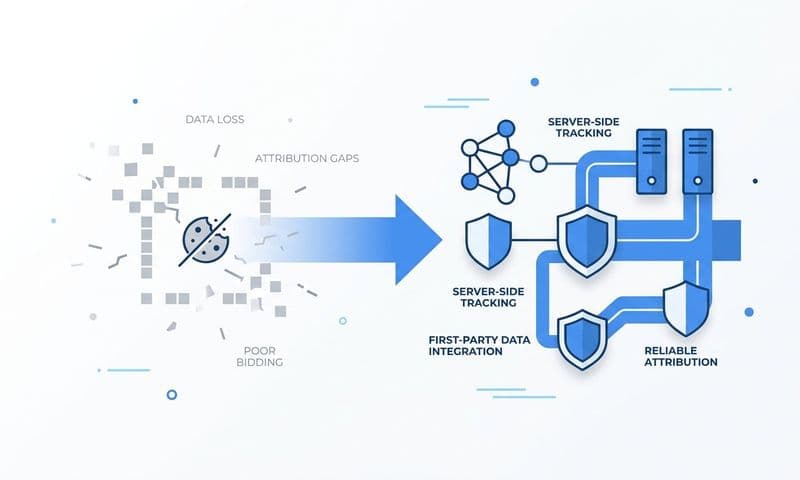
Browser-based tracking pixels face increasing limitations from ad blockers, privacy settings, and iOS restrictions that prevent them from capturing conversions accurately. When a significant portion of your conversions go untracked, your attribution data becomes unreliable and your ad platform algorithms lack the signal they need to optimize effectively. This creates a blind spot in your performance reporting that grows larger as privacy protections expand.
The Strategy Explained
Server-side tracking sends conversion data directly from your server to ad platforms and analytics tools, bypassing browser restrictions entirely. When a conversion happens on your website or in your app, your server communicates that event to the platforms where you advertise, ensuring the conversion gets counted even when browser pixels fail.
This approach captures conversions that browser-based tracking misses, providing a more complete picture of campaign performance. Implementing first-party data tracking for ads is particularly critical for iOS traffic, where Apple's privacy features have significantly reduced the accuracy of pixel-based tracking.
Beyond improving data accuracy, server-side tracking gives you more control over what data gets shared and when. You can enrich conversion events with additional context from your database, send events only after validating them on your backend, and maintain consistent tracking even as browser technologies evolve.
Implementation Steps
1. Choose a server-side tracking solution that integrates with your ad platforms and fits your technical infrastructure, whether that's a managed service or a custom implementation.
2. Configure your server to send conversion events to your attribution platform and ad networks when key actions occur, such as form submissions, purchases, or account creations.
3. Include essential parameters with each event, such as the click ID that connects the conversion back to the specific ad that drove it, along with conversion value and other relevant metadata.
4. Test your server-side implementation thoroughly by triggering test conversions and verifying they appear correctly in your attribution platform and ad dashboards.
5. Run browser-based and server-side tracking in parallel initially to compare results and ensure your server-side setup captures conversions accurately before relying on it exclusively.
Pro Tips
Monitor the volume of conversions captured by server-side tracking compared to browser-based pixels. Many marketers discover they were missing 20-40% of conversions due to tracking limitations. Use this gap to calculate the true impact of implementing server-side tracking on your attribution accuracy.
3. Standardize Your UTM and Naming Conventions
The Challenge It Solves
Inconsistent campaign naming across platforms makes cross-channel analysis impossible. When one team uses "FB_Prospecting_Q1" while another uses "facebook-cold-traffic-spring," you can't aggregate performance data or compare similar campaigns across channels. This chaos multiplies when different team members create campaigns without following a unified structure, leaving you with a mess of incompatible data.
The Strategy Explained
Creating a universal taxonomy for campaign naming and UTM parameters establishes a consistent language across all your marketing channels. This standardization enables you to group campaigns by objective, audience, or creative theme regardless of which platform they run on.
Your naming convention should capture the essential information you need for analysis: channel, campaign objective, audience segment, creative variation, and time period. Following attribution tracking best practices means making these elements consistent and predictable so anyone on your team can understand a campaign's purpose and compare it to similar efforts across platforms.
UTM parameters extend this consistency to your website analytics, ensuring every click carries the same contextual information whether it comes from Meta, Google, or TikTok. When your UTMs follow the same structure as your platform naming conventions, you create a seamless connection between your ad platforms and your attribution data.
Implementation Steps
1. Document a clear naming convention that specifies the format for each element, such as "Platform_Objective_Audience_Creative_DateCode" with specific allowed values for each component.
2. Create a UTM builder tool or template that automatically generates properly formatted UTM parameters based on your naming convention, preventing manual errors and ensuring consistency.
3. Train your team on the naming standards and make the documentation easily accessible, ideally within the tools they use to create campaigns.
4. Audit existing campaigns and gradually rename them to match your new convention, starting with active campaigns that receive significant spend.
5. Implement a review process where new campaigns get checked for naming compliance before launch, preventing inconsistencies from entering your system.
Pro Tips
Keep your naming convention simple enough that team members can remember the structure without constantly referring to documentation. Use abbreviations sparingly and only when they're universally understood within your organization. Consider building automated alerts that flag campaigns with non-standard names so you can correct them quickly.
4. Connect Your CRM to Track Full-Funnel Revenue Attribution
The Challenge It Solves
Ad platform reporting stops at the conversion event, leaving you blind to what happens next in the customer journey. A lead that converts on your website might close as a $50,000 deal or never respond to outreach. Without connecting your CRM data back to the ads that generated those leads, you're optimizing for volume rather than revenue, potentially scaling campaigns that generate low-quality leads while cutting budget from channels that drive your most valuable customers.
The Strategy Explained
CRM integration closes the loop between ad performance and business outcomes by syncing lead stages, deal values, and closed revenue back to the original touchpoints that started each customer relationship. This connection transforms your attribution from measuring conversions to measuring actual ROI.
When a lead progresses through your sales pipeline, those stage changes flow into your attribution platform and get connected back to the specific ads, keywords, and channels that influenced that journey. Effective attribution tracking for lead generation shows you which campaigns generate leads that actually close, which channels bring in qualified prospects versus tire-kickers, and how customer lifetime value varies by acquisition source.
This full-funnel visibility is particularly critical for B2B businesses and high-consideration purchases where the sales cycle extends beyond the typical attribution window. You might discover that LinkedIn ads generate fewer leads than Meta but those leads close at three times the rate and represent significantly higher deal values.
Implementation Steps
1. Integrate your CRM with your attribution platform using native connections or APIs that sync lead and opportunity data in real time or on a regular schedule.
2. Map your CRM fields to your attribution system, ensuring critical data points like lead status, deal value, close date, and lead source flow correctly between systems.
3. Implement tracking that captures the original ad touchpoint when a lead enters your CRM, whether through form submissions, chatbot conversations, or phone calls.
4. Configure your attribution platform to display CRM metrics alongside ad performance data, showing metrics like cost per qualified lead, cost per opportunity, and cost per closed deal for each channel.
5. Set up automated reports that show how leads from different campaigns progress through your pipeline, highlighting which sources generate the fastest sales cycles and highest win rates.
Pro Tips
Create custom audiences in your ad platforms based on CRM data to exclude existing customers from prospecting campaigns or target similar profiles to your highest-value clients. This feedback loop between your CRM and ad platforms enables more sophisticated targeting strategies that go beyond standard demographic and behavioral signals.
5. Build Custom Dashboards That Compare Channels Side by Side
The Challenge It Solves
Switching between platform dashboards to compare performance wastes time and introduces errors when you try to manually combine data from different sources. Each platform emphasizes different metrics and uses different calculation methods, making true comparison nearly impossible. You need a unified view that presents all channels using consistent metrics and attribution logic so you can make informed budget allocation decisions.
The Strategy Explained
Custom dashboards bring all your channel performance data into one view where you can compare spend, conversions, ROAS, and other key metrics across platforms using the same attribution model and time windows. A centralized ad performance dashboard ensures you see all channels measured consistently instead of Meta showing you last-click conversions while Google shows data-driven attribution.
These dashboards should be designed around the questions you need to answer, not just displaying every available metric. Focus on the data points that drive decisions: which channels deliver the best return on ad spend, where should you increase or decrease budget, which campaigns are trending up or down, and how do different channels contribute at various stages of the customer journey.
The best dashboards combine high-level summaries with the ability to drill down into specifics. You might start with a view showing total spend and ROAS by channel, then click into a specific platform to see performance by campaign, ad set, or individual creative.
Implementation Steps
1. Identify the core metrics that matter most for your business, typically including spend, conversions, cost per conversion, ROAS, and contribution to pipeline or revenue.
2. Design dashboard layouts that group related information logically, such as a top-level channel comparison view, a campaign performance breakdown, and a conversion funnel analysis.
3. Configure your attribution platform or business intelligence tool to pull data from all connected sources and calculate metrics using your chosen attribution model.
4. Add filters and date range selectors that let you slice the data by time period, campaign objective, audience segment, or other relevant dimensions.
5. Schedule automated reports that deliver key dashboard views to stakeholders on a regular cadence, ensuring everyone works from the same performance data.
Pro Tips
Include trend indicators that show whether performance is improving or declining compared to previous periods. A channel showing 3x ROAS might look great until you realize it was 4x ROAS last month. Context matters as much as the absolute numbers when making optimization decisions.
6. Feed Enriched Conversion Data Back to Ad Platforms
The Challenge It Solves
Ad platform algorithms optimize based on the conversion data they receive, but standard pixel tracking only tells them that a conversion happened, not whether that conversion was valuable. When you send the same conversion signal for a $10 purchase and a $10,000 deal, the algorithm treats them equally and can't learn to prioritize high-value outcomes. This limitation prevents the platforms from optimizing toward your actual business goals.
The Strategy Explained
Conversion sync sends enriched event data back to your ad platforms, providing the algorithms with additional context about conversion quality and value. Instead of just reporting that a lead form was submitted, you can send information about whether that lead qualified, what their estimated deal size is, and which product they're interested in.
This enriched data helps ad platforms like Meta and Google optimize more effectively by learning which user characteristics and behaviors correlate with valuable outcomes. Understanding tracking ROI for performance marketing enables the algorithms to prioritize showing your ads to people who resemble your best customers rather than just optimizing for any conversion.
As leads progress through your funnel and close as customers, you can send those downstream events back to the platforms as well. This creates a feedback loop where the ad algorithms learn from the entire customer journey, not just the initial conversion. Over time, this improves targeting accuracy and drives better campaign performance.
Implementation Steps
1. Configure your attribution platform to send conversion events back to your ad platforms through their APIs, including value data and custom parameters that provide context about conversion quality.
2. Set up multiple conversion events that represent different stages of your funnel, such as lead, qualified lead, opportunity, and closed customer, each with appropriate value assignments.
3. Use your CRM integration to trigger these downstream conversion events when leads progress through pipeline stages, ensuring the ad platforms receive updates about conversion quality.
4. Map your conversion events to the appropriate optimization objectives in each ad platform, telling the algorithms which events to prioritize when making delivery decisions.
5. Monitor how conversion sync impacts campaign performance over time, looking for improvements in conversion quality, average order value, or other indicators that the algorithms are learning to target better prospects.
Pro Tips
Start with value-based optimization for your highest-intent campaigns before expanding to top-of-funnel efforts. E-commerce businesses can send actual purchase values, while lead generation businesses might use estimated deal sizes based on historical close rates for different lead sources or product interests.
7. Use Multi-Touch Attribution to Understand the Full Customer Journey
The Challenge It Solves
Last-click attribution gives all credit to the final touchpoint before conversion, creating a distorted view of channel performance that undervalues top-of-funnel and mid-funnel efforts. Your awareness campaigns on TikTok might be essential for generating initial interest, but if customers convert after clicking a Google search ad, last-click attribution makes TikTok look ineffective. This leads to budget cuts for channels that play crucial roles in the customer journey.
The Strategy Explained
Multi-touch attribution distributes credit across all the touchpoints that influenced a conversion, providing a more complete picture of how channels work together throughout the buying process. A comprehensive attribution marketing tracking complete guide explains how instead of asking which ad got the last click, you're asking which combination of touchpoints drove the conversion.
Different attribution models distribute credit in different ways. Linear attribution splits credit evenly across all touchpoints. Time decay gives more credit to recent interactions. Position-based models emphasize the first and last touchpoints while still crediting mid-funnel interactions. The right model depends on your business and typical customer journey.
Comparing multiple attribution models side by side reveals how different channels contribute at various stages. Implementing cross-platform marketing performance tracking shows that a channel appearing weak in last-click attribution might demonstrate strong performance in first-click or linear models, indicating it plays an important role in generating initial awareness or assisting conversions even if it doesn't get the final click.
Implementation Steps
1. Enable multi-touch attribution in your attribution platform and configure the models you want to compare, starting with last-click, first-click, and linear to see the full range of perspectives.
2. Analyze how channel performance changes across different attribution models, identifying which channels get more or less credit as you shift from last-click to models that value earlier touchpoints.
3. Map your typical customer journey to understand how many touchpoints usually occur before conversion and which channels tend to appear at different stages of the funnel.
4. Choose a primary attribution model that aligns with your business goals and customer journey, using it consistently for budget allocation decisions while keeping other models available for context.
5. Review attribution model comparison reports regularly to spot shifts in how channels work together, such as new channels that excel at generating awareness but rarely get last-click credit.
Pro Tips
Don't get paralyzed trying to find the perfect attribution model. The goal is not absolute truth but consistent measurement that reveals patterns and informs better decisions. Choose a model that makes sense for your business, commit to it for budget planning, and use other models to validate your assumptions and catch blind spots.
Putting It All Together
Building centralized ad performance tracking is not a one-time project but an ongoing system that improves over time. Start by connecting your highest-impact data sources through a unified attribution platform, then layer in server-side tracking and CRM integration as your system matures.
The marketers who succeed with centralized tracking are those who commit to consistent naming conventions from day one and regularly review their unified dashboards to spot optimization opportunities. When you can see every touchpoint connected to real revenue, you stop guessing which ads work and start scaling with confidence.
Implementation doesn't have to happen all at once. Begin with strategies one and three, unifying your data sources and standardizing your naming conventions. These foundational elements make everything else easier. Then add server-side tracking to capture conversions you're currently missing, followed by CRM integration to connect ad performance to actual revenue outcomes.
As your centralized tracking system matures, you'll find optimization opportunities that were invisible when viewing platforms in isolation. You'll discover which channels truly drive your most valuable customers, which campaigns assist conversions without getting last-click credit, and where to shift budget for maximum impact.
Ready to elevate your marketing game with precision and confidence? Discover how Cometly's AI-driven recommendations can transform your ad strategy. Get your free demo today and start capturing every touchpoint to maximize your conversions.