
Running a coaching business means every discovery call, course enrollment, and client sign-up matters. But if you cannot trace which Facebook ad, Instagram post, or Google campaign brought that client to your door, you are essentially flying blind with your marketing budget.
Conversion tracking solves this problem by connecting the dots between your advertising spend and actual revenue. For coaches specifically, tracking presents unique challenges: longer sales cycles, multiple touchpoints from free webinar to paid program, and clients who might interact with your content for weeks before booking a call.
This guide walks you through setting up conversion tracking that captures the full journey your coaching clients take. By the end, you will have a system that shows exactly which marketing efforts drive real results, allowing you to double down on what works and cut what does not.
Whether you offer one-on-one coaching, group programs, or digital courses, these steps apply to your business model. Let's build a tracking system that actually works for the way coaches sell.
Step 1: Define Your Coaching Funnel Conversion Points
Before installing a single pixel, you need to map out every action that indicates buyer intent. Think of your funnel as a series of progressively valuable actions: someone downloading your free guide shows interest, but someone booking a discovery call shows serious intent.
Start by listing every conversion point in your funnel. For most coaches, this includes lead magnet downloads, webinar registrations, webinar attendance, discovery call bookings, application submissions, and program enrollments. Each of these represents a trackable event that brings a prospect closer to becoming a paying client.
Now assign value tiers to each conversion. Not all actions carry equal weight. A webinar registration might be worth $5 in potential value, while a discovery call booking might be worth $200 based on your typical show rate and close rate. A program enrollment is worth your actual program price.
This value assignment helps you understand which campaigns drive high-intent actions versus top-of-funnel curiosity. When you later analyze your data, you will see that some ads drive tons of cheap lead magnet downloads but zero calls, while others drive fewer leads but higher-quality prospects.
Document your typical client journey timeline. Do people usually book a call within three days of finding you, or do they follow you for six weeks first? This timeline determines your attribution window settings later. Coaching sales cycles typically run 30 to 90 days, much longer than e-commerce.
Create a simple spreadsheet with three columns: conversion event name, estimated value, and where it occurs. For example: "Lead Magnet Download, $5, landing page thank you page" or "Discovery Call Booked, $200, Calendly confirmation page." This document becomes your tracking blueprint.
The clearer you are about what to track, the easier the technical implementation becomes. You are not just tracking clicks. You are tracking the specific moments that predict revenue. For a deeper dive into tracking for coaching businesses, explore our guide on conversion tracking for coaching business setups.
Step 2: Install Tracking Pixels on Your Website and Landing Pages
Now that you know what to track, it is time to install the tools that do the tracking. Tracking pixels are small pieces of code that monitor visitor behavior and send data back to ad platforms.
Start with the Meta Pixel for Facebook and Instagram ads. Log into your Meta Events Manager, create a pixel if you have not already, and copy the base code. This code needs to go in the header section of every page on your website.
Next, add the Google Ads tag if you run Google campaigns. Access your Google Ads account, navigate to Tools & Settings, then Conversions. Create your conversion tag and copy the global site tag. Like the Meta Pixel, this goes in your website header.
The cleanest way to manage multiple pixels is through Google Tag Manager. Instead of manually adding code to your website every time you need a new tracking tool, you install GTM once. Then you add all your pixels as tags within the GTM interface.
Google Tag Manager also makes it easier to update tracking without touching your website code. When Meta updates their pixel or you want to add LinkedIn tracking, you simply add a new tag in GTM rather than editing your site files. Learn more about conversion tracking tools for Facebook ads to maximize your Meta pixel setup.
After installing pixels, verify they work correctly. Install the Meta Pixel Helper browser extension for Chrome. Visit your website and click the extension icon. It should show your pixel firing with a green checkmark. Do the same with Google Tag Assistant for your Google tags.
Check that pixels fire on all critical pages, not just your homepage. Visit your thank you pages, booking confirmation pages, and checkout success pages. Each should trigger your base pixel. If a page does not show pixel activity, you have a problem to fix before moving forward.
Common installation mistakes include placing pixels in the wrong location (body instead of header), installing duplicate pixels, or forgetting to publish changes in GTM. Take time to verify everything works before configuring events.
Step 3: Configure Event Tracking for Each Conversion Action
Base pixels track page views, but events track specific actions. This is where your conversion point spreadsheet from Step 1 becomes essential. Each conversion point needs a corresponding tracked event.
Start with standard events that match your funnel stages. Meta offers standard events like Lead, Schedule, and Purchase. Google has similar standard conversion actions. Use these when they fit your needs because they integrate better with platform optimization algorithms.
Set up a Lead event for your lead magnet downloads. This fires when someone lands on your "thanks for downloading" page. Configure it to include the lead magnet name as a parameter so you can see which magnets drive the most engagement.
Create a Schedule event for discovery call bookings. This tracks when someone confirms a booking through Calendly or your scheduling tool. Add a value parameter of $200 or whatever you calculated in Step 1 based on your typical conversion rates.
Configure a Purchase event for actual program enrollments. This is your most important conversion. Include the actual purchase value, currency, and program name. This data feeds directly into ROAS (return on ad spend) calculations.
For coaching-specific actions like application submissions or waitlist sign-ups, create custom events. These do not fit standard event categories but still indicate buyer intent. Name them clearly: "Application_Submitted" or "Waitlist_Joined."
Add event parameters to every conversion. Parameters provide context: which landing page triggered the conversion, which program they enrolled in, what the value was. This granular data lets you optimize at the campaign and ad level. Review our best practices for tracking conversions accurately to ensure your events capture complete data.
Test each event by completing the action yourself. Download your lead magnet, book a test discovery call, and if possible, run a test purchase. Then check your Events Manager to confirm each event fired with the correct parameters and values.
Events that do not fire during testing will not fire for real prospects. Fix issues now rather than losing weeks of valuable data.
Step 4: Connect Your Booking Tool and Payment Processor
Pixels track website activity, but much of your coaching funnel happens in third-party tools. Connecting your booking system and payment processor closes critical tracking gaps.
If you use Calendly, navigate to your Calendly settings and look for integrations or webhooks. Many booking tools offer native pixel integrations where you can paste your Meta Pixel ID and Google tag. When someone books a call, Calendly automatically fires your Schedule event.
For tools without native integrations, use redirect thank-you pages. After someone books a call, redirect them to a confirmation page on your website where your pixels can fire. This page should have your Schedule event configured to trigger on page load.
Connect your payment processor next. If you use Stripe, you can integrate it with your tracking through webhooks or redirect URLs. When a payment completes successfully, Stripe can trigger your Purchase event with the actual transaction amount.
This is where server-side tracking becomes critical. Client-side pixels (the ones on your website) miss conversions when people use ad blockers or iOS privacy features block tracking. Server-side tracking captures conversion data directly from your server to ad platforms, bypassing browser restrictions.
Platforms like Cometly specialize in server-side tracking that connects your booking tools, payment processors, and CRM directly to your ad platforms. This ensures you capture every conversion, even when pixels fail. The platform sends enriched conversion data back to Meta and Google, improving their AI targeting.
Set up your Stripe webhook to send purchase data to your attribution platform. Include customer email, purchase amount, program name, and timestamp. This creates a server-side record of every sale that cannot be blocked by privacy tools. If you sell high ticket services, this server-side approach is essential for accurate revenue attribution.
Verify your integrations by running test transactions. Book a test call and confirm the Schedule event fires. Process a test payment and check that the Purchase event appears with the correct amount. Compare what your payment processor shows versus what your Events Manager reports.
Discrepancies between your actual sales and reported conversions indicate tracking problems. A coaching business that closes ten clients but only tracks six conversions in Meta will make bad decisions based on incomplete data.
Step 5: Implement UTM Parameters for Campaign Attribution
You are running ads on Facebook, posting on Instagram, sending emails, and maybe running YouTube content. Without UTM parameters, you cannot tell which channel actually drove a conversion. Everything looks like direct traffic.
UTM parameters are tags you add to your URLs that identify the source, medium, and campaign. When someone clicks a link with UTM parameters, those tags travel with them through your funnel, letting you attribute conversions back to specific campaigns.
Create a consistent naming convention before building any URLs. Use lowercase, replace spaces with underscores, and be specific. For source, use "facebook," "instagram," "email," or "youtube." For medium, use "paid_social," "organic_social," "email," or "video."
Your campaign parameter should identify the specific promotion: "webinar_launch_jan" or "discovery_call_promo." The content parameter can identify the specific ad or email: "video_ad_1" or "newsletter_footer_link."
Build UTM-tagged URLs for every link in your marketing. When you create a Facebook ad, use a URL like: yoursite.com/webinar?utm_source=facebook&utm_medium=paid_social&utm_campaign=webinar_launch_jan&utm_content=video_ad_1
Use a UTM builder tool to avoid typos. Google offers a free Campaign URL Builder. You can also create a spreadsheet template where you input the parameters and it generates the full URL automatically. This maintains consistency across your team.
The critical step most coaches miss: store UTM data in hidden form fields. When someone fills out your lead magnet form or booking form, capture the UTM parameters in hidden fields that submit with the form. This lets you see in your CRM that "this lead came from Facebook video ad 1 in the January webinar campaign." This approach is fundamental to conversion tracking for lead generation success.
Your email platform should also capture UTM data. When someone opts in, their source information travels with their contact record. Weeks later when they book a call, you can trace them back to the original Facebook ad that started the relationship.
Without UTM parameters, you only see that someone booked a call. With UTM parameters, you see they came from your Instagram Story ad promoting your free training, giving you clear direction on what content and channels to scale.
We compare the leading options in our Shopify story ad generator roundup.
Step 6: Set Up Cross-Platform Attribution to See the Full Picture
You have pixels firing, events tracking, and UTM parameters capturing source data. But your data lives in silos: Facebook shows one story, Google shows another, and your CRM shows a third. Cross-platform attribution unifies everything.
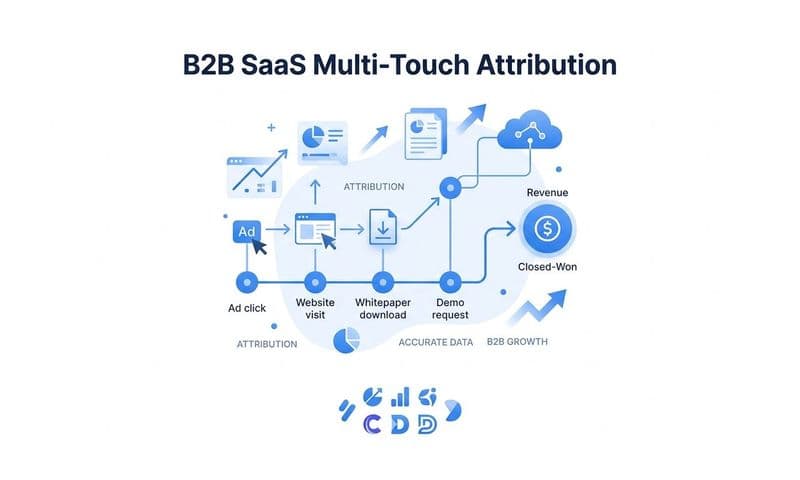
Connect all your ad platforms, website analytics, and CRM in a central attribution platform. This creates a single source of truth that shows the complete customer journey. You see that someone first clicked a Facebook ad, then watched a YouTube video, then clicked an email link before finally booking a call. Our guide to cross platform conversion tracking explains this process in detail.
Choose an attribution model that fits coaching sales cycles. Last-click attribution gives all credit to the final touchpoint, which undervalues the Facebook ad that started the relationship. Linear attribution splits credit equally across all touchpoints. Position-based (U-shaped) gives more credit to the first and last touches.
For coaching businesses with longer sales cycles, linear or position-based models often provide more accurate insights. They recognize that your free webinar ad and your retargeting ad both played important roles in converting a client.
Configure lookback windows of 30 to 90 days. A coaching client might see your ad in January, download your lead magnet, consume your content for six weeks, then book a call in March. A seven-day attribution window would miss this entirely and call it "direct traffic."
Cometly captures every touchpoint from initial ad click to CRM event, providing a complete view of each customer journey. The platform tracks ad interactions, website visits, form submissions, booking confirmations, and payment completions. This enriched data shows exactly which marketing efforts drive revenue.
The AI-powered features in Cometly analyze your attribution data to identify high-performing ads and campaigns across every channel. Instead of manually comparing reports from five different platforms, you get clear recommendations on where to scale your budget.
Server-side tracking in Cometly also feeds better conversion data back to Meta and Google. When their algorithms receive accurate, enriched event data, they can optimize targeting more effectively. Your ads reach more people who actually convert into coaching clients.
Set up your attribution platform to match conversions across devices and sessions. Someone might click your ad on mobile, research you on desktop, and book a call on their tablet. Cross-device tracking connects these dots instead of treating them as three separate anonymous visitors.
Step 7: Validate Your Setup and Optimize Based on Data
Your tracking system is built, but is it actually working? Validation catches problems before they cost you weeks of lost data and bad marketing decisions.
Run end-to-end tests by clicking your own ads. Start a new incognito browser session, click one of your Facebook ads, go through your entire funnel, and complete a conversion. Then check your Events Manager to confirm every event fired correctly with the right parameters.
Repeat this test for each major funnel path. Click a Google ad and download a lead magnet. Click an Instagram ad and book a discovery call. Test your payment flow by processing a small transaction. Each test should show up in your tracking within minutes.
Compare ad platform reported conversions against your actual records. Pull your CRM report of new leads this week and compare it to Facebook's reported Lead events. Pull your Stripe sales and compare to reported Purchase events. The numbers should match closely.
Small discrepancies are normal due to ad blockers and privacy settings, but if Facebook reports 50 conversions and your CRM shows 100 new leads, you have a serious tracking problem. Either events are not firing, or you have duplicated conversion tracking across platforms causing double-counting.
Common issues include: duplicate events firing from both GTM and direct pixel installation, events firing on the wrong pages, missing event parameters, UTM data not capturing in forms, or attribution windows set too short for your sales cycle.
Troubleshoot by checking one component at a time. Verify pixels fire on the right pages. Confirm events trigger with correct parameters. Test that UTM data flows through forms. Review your attribution model settings. Systematic checking finds the problem faster than guessing.
Once validated, use your attribution data to make real marketing decisions. Review your reports weekly. Which campaigns drive discovery calls at the lowest cost? Which ads bring tire-kickers versus serious buyers? Which content pieces start customer journeys that end in sales?
Cut underperforming campaigns quickly. If an ad has spent $500 and driven zero calls while another spent $200 and drove five calls, the choice is clear. Your tracking data removes the guesswork from these decisions.
Scale what works with confidence. When you can trace $10,000 in coaching sales back to a specific Facebook video ad, you know exactly where to invest more budget. Attribution data transforms marketing from expensive experimentation into predictable growth.
Your Tracking System is Now Live
With these seven steps complete, you now have a conversion tracking system built specifically for your coaching business. You can see which ads bring discovery call bookings, which content drives course enrollments, and which campaigns waste your budget.
Quick implementation checklist: funnel conversion points mapped with assigned values, pixels installed and verified across all pages, events configured for each conversion action with proper parameters, booking and payment tools connected through integrations or server-side tracking, UTM parameters built into every marketing URL, cross-platform attribution active with appropriate models and lookback windows, and your entire setup validated with test conversions.
The real power comes from acting on this data. Review your attribution reports weekly, not monthly. Marketing moves fast, and waiting a month to cut a bad campaign means wasting thousands of dollars. Check which campaigns drive qualified leads versus curiosity seekers.
Cut underperforming campaigns within 48 hours of identifying them. If something is not working, no amount of time will fix it. Redirect that budget to proven winners. Your tracking data gives you permission to make these decisions confidently.
Scale what works aggressively. When you identify a winning ad or campaign, increase budget by 20-30% and monitor performance. Your attribution data will show whether the increased spend maintains efficiency or hits diminishing returns.
Your marketing decisions are now backed by real revenue data, not guesswork. You know which Instagram Story drove three high-ticket clients. You know which email sequence converted webinar attendees into program enrollees. You know which YouTube video started relationships that closed months later.
This visibility transforms how you run your coaching business. Instead of hoping your marketing works, you know it works. Instead of spreading budget across ten channels, you focus on the three that actually drive revenue. Instead of making decisions based on vanity metrics like impressions and clicks, you optimize for what matters: booked calls and paying clients.
Ready to elevate your marketing game with precision and confidence? Discover how Cometly's AI-driven recommendations can transform your ad strategy. Get your free demo today and start capturing every touchpoint to maximize your conversions.