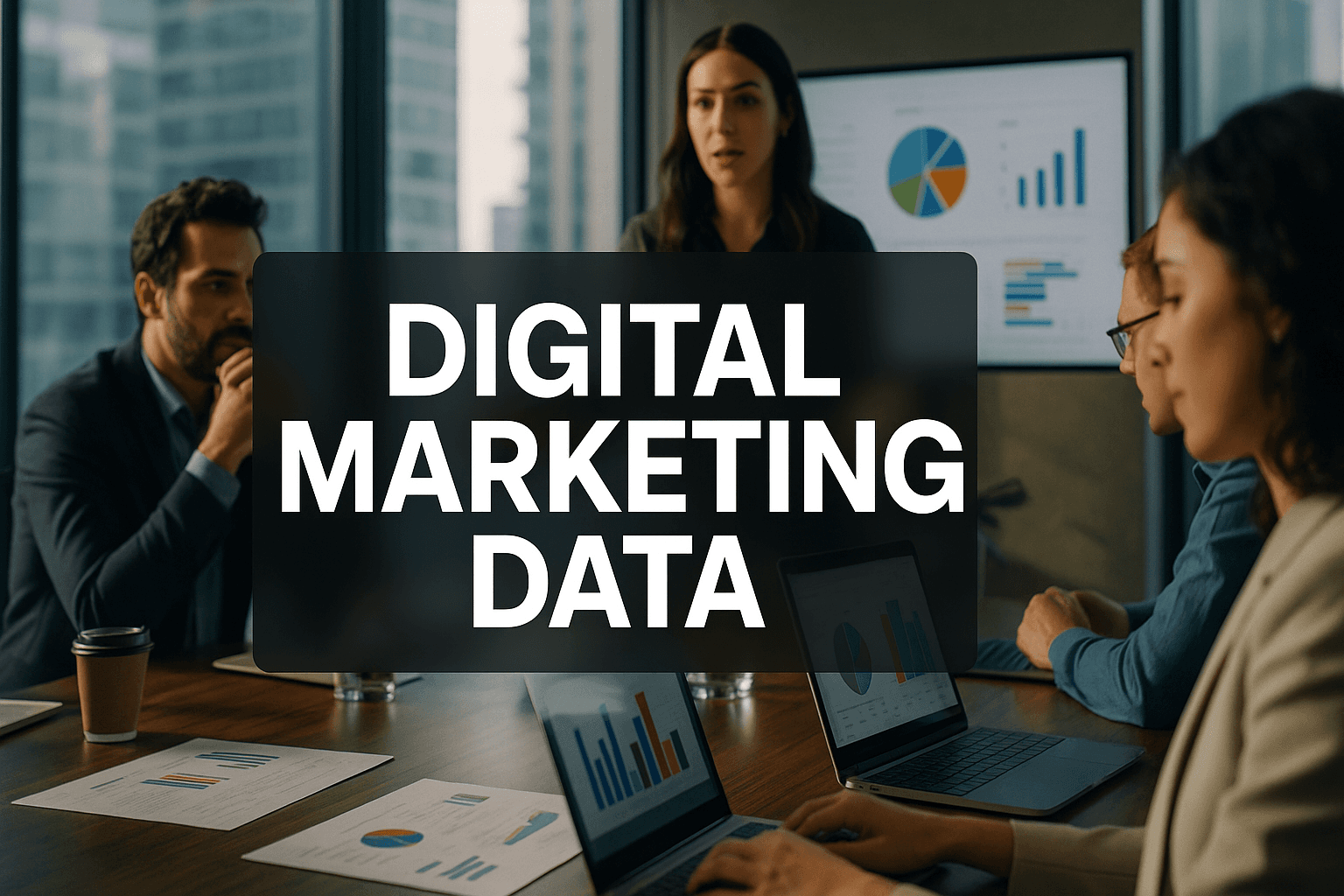
Unlocking the Power of Digital Marketing Data
What if you could unlock the true potential of your marketing efforts simply by understanding your data better? Many businesses struggle to leverage digital marketing data effectively, leading to missed opportunities and suboptimal marketing strategies. With the explosion of data in the digital age, it can be overwhelming to sift through the noise and extract actionable insights that drive growth.
Research indicates that organizations using data-driven marketing are six times more likely to be profitable year-over-year. This statistic highlights the critical importance of understanding digital marketing data. By the end of this guide, you'll know exactly how to harness this data to inform your marketing strategies and make smarter decisions. Think of digital marketing data as the compass that guides your marketing ship through the turbulent seas of online competition. Let’s dive in.
Decoding Digital Marketing Data for Modern Businesses
Digital Marketing Data: The Backbone of Modern Marketing Strategies
Digital marketing data encompasses all the information collected from online interactions that can inform marketing strategies. It includes everything from website traffic and social media engagement to email open rates and conversion metrics. Understanding the different types of data and their sources is crucial for effective marketing strategies.
Types of Data: Data can be categorized into qualitative and quantitative. Qualitative data provides insights into customer behavior through feedback and reviews, while quantitative data involves numerical metrics such as clicks and conversions. Understanding this distinction helps in choosing the right metrics for analysis.
Sources of Data: Key sources include:
Website Analytics: Tools like Google Analytics provide insights into visitor behavior, enabling marketers to track how users interact with their website. Familiarizing yourself with the types and sources of data relevant to your marketing strategies is essential for optimizing your campaigns.
Social Media Insights: Platforms like Facebook and Twitter offer data on engagement, demographics, and audience behavior, allowing for targeted marketing efforts. To further enhance your understanding of data applications, consider exploring data science and digital marketing.
The Hidden Impact of Digital Marketing Data on Your Business
Why Digital Marketing Data Changes Everything
The importance of digital marketing data cannot be overstated. Data-driven decisions can significantly enhance marketing effectiveness and ROI. Companies that adopt data-driven marketing see a 5-8x increase in ROI on marketing investments. This is primarily because leveraging data allows businesses to target their audiences more effectively, understand customer needs, and refine their marketing approaches.
Business Impact: Data-driven decisions lead to better targeting and engagement. By analyzing customer data, marketers can create personalized experiences that resonate with their audience, fostering loyalty and driving conversions.
Competitive Advantage: Leveraging data effectively can set businesses apart from the competition. Companies that use data to inform their strategies often outperform those that do not, as they can quickly adapt to changes in consumer behavior.
Customer Insights: Understanding customer behavior through data analysis helps in recognizing patterns and preferences, allowing for personalized marketing approaches. This insight can lead to higher engagement rates and improved customer satisfaction.
The Mechanics Behind Digital Marketing Data
The Mechanics Behind Digital Marketing Data
Understanding how digital marketing data works—from collection to analysis—is essential for effective marketing. Many marketers overlook the processes involved in data handling, which can lead to suboptimal usage. Research shows that 70% of marketers report difficulty in interpreting the data they collect.
Data Collection: Various methods are used to collect digital marketing data, including:
1. Tracking user behavior through cookies and analytics tools.
2. Utilizing forms for lead generation to gather user information.
3. Monitoring social media engagement metrics to assess audience interaction.
Data Analysis: Techniques such as A/B testing, segmentation, and regression analysis provide actionable insights that can guide marketing strategies. Analyzing data helps marketers understand which campaigns are effective and which need adjustment. For more on how to systematically analyze your data, check out our guide on Digital Marketing Reporting.
Data Interpretation: The ability to translate data findings into strategic actions is crucial. Marketers must interpret data correctly to implement changes that enhance marketing performance. Regular analysis should occur post-campaign to evaluate success and inform future strategies.
The Game-Changing Advantages of Digital Marketing Data
Unlocking Value with Digital Marketing Data
Digital marketing data offers several key benefits that can transform business outcomes. Companies using advanced analytics can achieve a 126% profit improvement over their competitors. Understanding these advantages can inspire marketers to adopt data-driven strategies.
Primary Advantages: The use of data can lead to improved targeting, higher conversion rates, and ultimately better ROI. By analyzing data, businesses can identify effective channels and refine their messaging to resonate with their audience.
ROI and Measurable Outcomes: Leveraging data effectively can lead to improved conversion rates and customer engagement, showcasing a clear impact on business performance. Understanding these metrics is essential for justifying marketing budgets.
Who Benefits Most and How: Marketers, business owners, and product teams can all realize significant advantages from data use. Data empowers teams to make informed decisions, leading to a more agile marketing approach that can respond quickly to market changes. To learn more about how to leverage data effectively, consider exploring performance marketing reporting software.
Navigating Digital Marketing Data Pitfalls
Navigating Digital Marketing Data Pitfalls
Despite the advantages, many businesses face common obstacles when working with digital marketing data. Approximately 30% of businesses fail to utilize their data effectively due to poor data quality. Recognizing and avoiding pitfalls is essential for successful data utilization.
Mistakes in Data Usage: Common pitfalls include ignoring data quality and overlooking customer preferences, which can lead to misguided strategies. Regular audits of data collection methods and sources can help maintain high-quality data.
Ignoring Data Quality: Poor data quality can have significant consequences on marketing effectiveness and decision-making. Implementing data governance practices ensures that the data used for analysis is accurate and reliable.
Overlooking Customer Preferences: Failing to listen to customer data can result in strategies that do not align with market demands. Actively soliciting and analyzing customer feedback is crucial for tailoring marketing efforts. To avoid common data pitfalls, consider utilizing Marketing Campaign Management Software that can assist in maintaining data quality and efficiency.
Mastering Digital Marketing Data: Pro Strategies
Mastering Digital Marketing Data: Expert Tips
Implementing best practices can significantly enhance data utilization. Organizations that regularly audit their data experience a 15% increase in marketing effectiveness. Professional recommendations can help marketers maximize the value of their data.
Regular Audits: Conducting regular audits of data can help identify areas for improvement and ensure data quality. Businesses should establish a routine for reviewing their data practices.
Continuous Learning: Staying updated with trends and tools in digital marketing is crucial. Marketers should dedicate time to learning about new analytics methods and technologies.
Collaboration Across Teams: Encouraging data sharing among departments can enhance insights and lead to innovative marketing strategies. Cross-departmental collaboration fosters a holistic understanding of customer interactions. Explore the transformative potential of AI Analytics Software in your data strategy to improve analysis practices.
Your Digital Marketing Data Action Plan
Your Digital Marketing Data Action Plan
Creating an actionable plan is key to utilizing digital marketing data successfully. Companies with a documented data strategy are 50% more likely to achieve success, emphasizing the importance of a clear action plan.
Practical First Steps: Develop a step-by-step action plan that outlines specific tasks, responsible parties, and timelines for achieving data objectives. Setting realistic goals will help maintain momentum.
Timeline Expectations: Understand that results may take time. Setting realistic expectations for when to see outcomes from data-driven initiatives is crucial for sustaining motivation.
Bringing It All Together
In summary, the landscape of digital marketing is continuously evolving, and effective utilization of digital marketing data is essential for success. By understanding the types of data available, the mechanics of data analysis, and the common pitfalls to avoid, marketers can harness data to drive their strategies forward.
As you continue on this journey, remember that integrating data-driven decision-making into your marketing efforts can lead to a significant competitive advantage. For those looking to enhance their marketing strategies, consider exploring tools and resources that can assist in leveraging data effectively. Embrace the power of digital marketing data, and pave the way for informed, impactful marketing decisions.