Your Facebook ads are running. Conversions are happening. But here's the problem: your dashboard only shows half the story.
Since iOS 14.5 dropped in 2021, browser-based tracking has been bleeding data. Users opt out. Ad blockers strip pixels. Safari restricts cookies by default. The result? Marketers are making million-dollar decisions based on incomplete information.
This isn't just a minor inconvenience. When Meta's algorithm can't see your actual conversions, it optimizes toward the wrong audience. Your cost per acquisition climbs. Your ROAS calculations become fiction. And your competitors who've figured out server-side tracking? They're capturing the complete picture while you're flying blind.
Enter the Facebook Conversion API. Meta built this server-side solution specifically to bypass browser limitations and restore the data visibility that modern advertising demands. It's not just a workaround for iOS restrictions. It's a fundamental shift in how conversion data flows from your business to Meta's optimization engine.
Let's break down exactly why CAPI has become essential infrastructure for any serious advertiser running Facebook and Instagram campaigns.
The Technical Shift: From Browser Pixels to Server-Side Events
Think of traditional Facebook pixel tracking like trying to watch a movie through a window with increasingly thick curtains. Each privacy update adds another layer, blocking more of your view.
The Facebook pixel lives in your website's browser code. When someone clicks your ad and converts, the pixel fires and sends that data to Meta. Simple enough. But this browser-based approach now runs into walls at every turn.
iOS users who opt out of tracking? The pixel can't see them. Visitors using ad blockers or privacy-focused browsers? Blocked. Safari's Intelligent Tracking Prevention? Limits the pixel to just 24 hours of attribution. Firefox's Enhanced Tracking Protection? Same story. Understanding the Facebook Conversion API vs pixel differences is crucial for modern marketers.
The Facebook Conversion API flips this entire model. Instead of relying on browser scripts that can be blocked, CAPI sends conversion data directly from your server to Meta's servers. No browser involvement. No cookies required. No way for privacy tools to intercept the signal.
Here's how the flow actually works: A user clicks your Facebook ad and lands on your website. When they convert, that event triggers on your server. Your server then sends the conversion data directly to Meta's API endpoint. Meta matches this server event to the user's Facebook profile and attributes the conversion to the correct ad.
The crucial difference? This server-to-server communication happens completely outside the browser environment where all those privacy restrictions live. It's like having a direct phone line to Meta instead of shouting through that increasingly obstructed window.
But CAPI isn't meant to replace the pixel entirely. Meta recommends running both in parallel, a setup called "redundant events." The pixel captures what it can from browsers that allow tracking. CAPI fills in the gaps and provides backup data for events the pixel misses. Together, they create the most complete conversion picture possible in today's privacy-restricted landscape.
This redundant approach also helps with event deduplication. When both the pixel and CAPI send the same conversion, Meta uses event IDs to recognize duplicates and count each conversion only once. You get comprehensive coverage without inflating your numbers.
The technical implementation requires your server to communicate with Meta's API, which means you need either development resources or a platform that handles this connection for you. But the payoff is immediate: conversion data that actually reflects reality instead of a privacy-filtered subset.
Feeding Meta's Algorithm the Data It Craves
Meta's ad platform runs on machine learning. Every conversion you send teaches the algorithm which users are most likely to take your desired action. More data means smarter optimization. Less data means the algorithm is essentially guessing.
When you're losing 30-40% of your conversion data to iOS opt-outs and browser restrictions, Meta's algorithm is learning from an incomplete and biased sample. It's like training a chef using only half the ingredients in a recipe. The results will be consistently off. This is why so many advertisers experience Facebook ads underreporting conversions.
CAPI changes this equation by capturing conversions that browser pixels completely miss. That iOS user who opted out of tracking? CAPI can still report their conversion through server-side data matching. The privacy-conscious visitor using Brave browser with shields up? CAPI captures their purchase anyway.
This matters most during the learning phase when Meta is figuring out who to show your ads to. With pixel-only tracking, the algorithm might see 100 conversions when you actually had 150. It's optimizing toward a skewed sample that underrepresents iOS users and privacy-focused segments.
Feed that same campaign complete conversion data through CAPI, and suddenly the algorithm has 50% more signals to learn from. It discovers patterns it couldn't see before. It finds high-value audience segments that were invisible in the pixel-only data.
The impact extends to custom audiences and lookalike audiences too. When you build a customer list from incomplete pixel data, you're creating audiences based on who Meta could track, not who actually converted. Your lookalikes inherit this bias.
Build those same audiences from CAPI-enhanced conversion data, and you're working with the full picture. Your seed audience includes iOS users, ad blocker users, and everyone else who converted but wasn't visible to the pixel. The lookalikes Meta creates from this complete data set will be fundamentally more accurate.
Event match quality is the metric that shows how well Meta can match your server events to Facebook users. Higher match quality means Meta can more reliably attribute conversions and use that data for optimization. CAPI enables you to send enriched data like email addresses, phone numbers, and user IDs that dramatically improve match rates.
The result is an optimization feedback loop that actually works. Meta shows your ads. Users convert. CAPI reports those conversions completely and accurately. Meta's algorithm learns from real patterns instead of partial data. It gets smarter with every conversion, finding more people like your actual customers instead of like the subset the pixel could track.
Connecting Conversions Beyond the Browser
Most customer journeys don't end with a single website session. Someone might click your ad, browse your site, leave, then call your sales team three days later. Or they fill out a form online but close the deal through your CRM weeks later. Maybe they subscribe to your software and the real value comes from renewals six months down the line.
Traditional pixel tracking dies at the browser window. Once that user leaves your site, the pixel can't see what happens next. It reports the form fill but has no idea that lead turned into a $50,000 customer. This is a common scenario when the Facebook pixel not tracking all conversions becomes a serious business problem.
CAPI breaks through this limitation because it can send any event from any system that connects to your server. When a lead becomes a customer in your CRM, your server can fire a conversion event to Meta. When someone makes a phone purchase, that event can flow to Meta through CAPI. When a subscription renews, Meta can see that high-value conversion.
This capability transforms how you measure ad performance. Instead of optimizing for clicks or form fills, you can optimize for actual revenue. You can send Meta the conversion events that matter to your business, not just the ones that happen to occur in a browser.
A B2B software company might track demo requests with the pixel, but the real conversion is when someone becomes a paying customer weeks later. CAPI lets them send that closed deal event back to Meta, showing which ads actually drove revenue, not just which ones generated demo requests.
An e-commerce brand might see someone browse on mobile, add to cart, then complete the purchase on desktop three days later. With CAPI sending conversion data from their order management system, they can attribute that sale correctly instead of losing it in cross-device gaps.
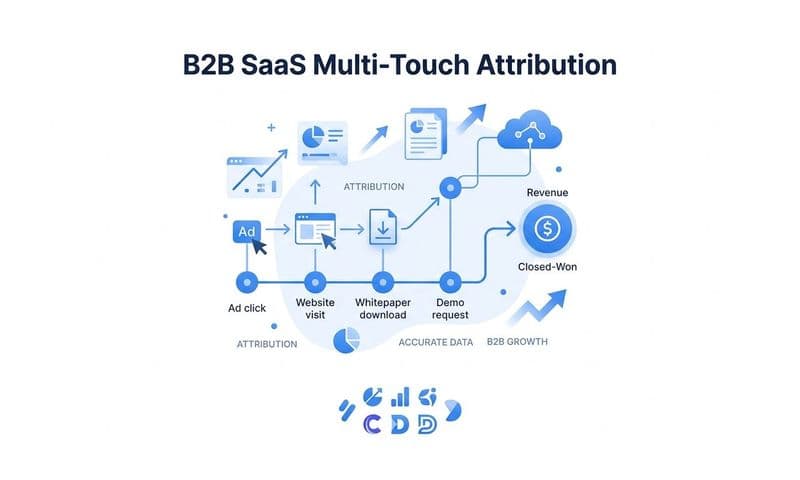
The full customer journey becomes visible. You can track someone from initial ad click through website visit, email signup, demo call, proposal, closed deal, and eventual upsells. Each touchpoint can send data to Meta, painting a complete picture of how your ads contribute to revenue.
This visibility enables smarter budget allocation. When you know which campaigns drive customers who actually pay and stick around, you can shift spend toward those winners. When you can see that certain ad sets generate leads who never close, you can cut them loose.
The attribution becomes honest. You're not crediting ads for surface-level actions while missing the downstream revenue they generate. You're not overlooking the ads that drive high-value customers just because those conversions happen offline or outside the browser.
The Signal Quality Advantage
Meta doesn't just want your conversion data. It wants high-quality conversion data it can confidently match to users and use for optimization. The better your signal quality, the more Meta rewards you with improved ad delivery.
Event match quality is Meta's score for how well it can match your conversion events to Facebook users. It's measured on a scale where higher scores indicate more reliable matching. When you send events with rich customer information like email addresses, phone numbers, and user IDs, match quality improves dramatically. Addressing poor conversion API data quality should be a top priority for any advertiser.
Here's why this matters for your bottom line: Meta's algorithm uses conversion data to find similar users and optimize ad delivery. When match quality is low, Meta can't reliably connect conversions to specific users. The algorithm has less confidence in the patterns it's seeing. It optimizes more conservatively, missing opportunities.
When match quality is high, Meta knows exactly which users converted. It can analyze their characteristics, behaviors, and interests with precision. The algorithm optimizes more aggressively because it trusts the data. It finds better prospects. It bids more efficiently.
CAPI enables you to send enriched conversion events that dramatically improve match quality. Unlike the pixel, which can only access limited browser data, CAPI can include customer information from your database. Email addresses, phone numbers, names, locations, user IDs—all the data points that help Meta match conversions to users.
This enriched data translates to better campaign performance. Advertisers who implement CAPI with high event match quality typically see cost per acquisition drop as Meta's algorithm gets smarter about who to target. The exact improvement varies by account, but the direction is consistent: better data leads to better results.
The signal quality advantage compounds over time too. As you send more high-quality conversion data, Meta's algorithm builds a more accurate model of your ideal customer. It gets better at predicting who will convert. It discovers audience segments that work. It eliminates segments that don't.
Think of it like teaching someone to recognize your target customer. If you show them blurry, incomplete photos, they'll struggle to find matches. But if you provide clear, detailed images with full context, they'll spot ideal prospects with increasing accuracy.
Meta also uses signal quality as a ranking factor in ad auctions. When two advertisers bid the same amount, the one with better conversion data quality can win the impression. You're not just competing on budget anymore. You're competing on data infrastructure.
The platform rewards advertisers who invest in accurate measurement. CAPI is the foundation of that investment, enabling you to send the complete, enriched conversion data that Meta's algorithm needs to work at peak performance.
Building Measurement for Tomorrow's Privacy Landscape
Privacy restrictions aren't going away. They're accelerating. Google is phasing out third-party cookies in Chrome. More browsers are implementing tracking prevention by default. Regulations like GDPR and CCPA are expanding. Users are increasingly aware of and opposed to invasive tracking.
Advertisers who rely exclusively on browser-based tracking are building on sand. Each privacy update erodes more of their foundation. Each new restriction makes their measurement less reliable. They're constantly reacting to changes instead of working with infrastructure designed for this new reality. Learning how conversion API works is essential for future-proofing your advertising strategy.
Server-side tracking through CAPI is built for the privacy-first future. It doesn't depend on third-party cookies. It doesn't require invasive browser tracking. It works with user consent and privacy regulations because it's based on first-party data you collect directly from customers.
When Chrome finally deprecates third-party cookies completely, pixel-only advertisers will scramble to adapt. CAPI users will already have infrastructure in place that continues working. The transition will be seamless instead of catastrophic.
This isn't just about surviving privacy changes. It's about thriving in an environment where data quality matters more than data quantity. As tracking becomes more restricted, the advertisers who can send accurate, consented, first-party data to platforms will have a massive advantage.
Meta has made it clear that server-side tracking is the future of conversion measurement on their platform. They're investing heavily in CAPI capabilities. They're building features that work better with server-side data. They're pushing advertisers toward this model because it aligns with where privacy and regulation are headed.
Early adopters gain a competitive edge while others are still figuring out implementation. You're learning how to work with server-side data while the stakes are lower. You're building expertise and infrastructure that will be mandatory eventually. By the time your competitors catch up, you'll have months or years of optimization advantage.
The privacy landscape will continue evolving. New restrictions will emerge. Regulations will tighten. But server-side tracking built on first-party data gives you a stable foundation that adapts to these changes instead of breaking under them.
Implementation Paths: From DIY to Done-For-You
Understanding CAPI benefits is one thing. Actually implementing it is another. You have several paths forward depending on your technical resources and how comprehensive you want your measurement to be.
The manual route involves developers setting up direct integration between your server and Meta's Conversion API. You'll need to handle event formatting, deduplication logic, error handling, and ongoing maintenance. This approach gives you complete control but requires significant technical investment. Most teams underestimate the complexity until they're deep in the implementation. A comprehensive guide to Facebook Conversion API setup can help you navigate this process.
Partner integrations offer a middle ground. Many e-commerce platforms, CRMs, and marketing tools now include built-in CAPI connections. Shopify, WooCommerce, Salesforce, and others can send conversion events to Meta automatically once you configure the integration. This works well if your conversions happen primarily within these platforms, but it can leave gaps if you have multiple systems or custom conversion events.
Attribution platforms represent the comprehensive approach. Tools built specifically for marketing measurement can handle CAPI implementation while also giving you cross-channel visibility into what's actually driving revenue. Instead of just solving the Facebook tracking problem, you're building infrastructure that shows you the complete customer journey across all your marketing channels. Exploring the best conversion API tools available can help you make an informed decision.
When evaluating implementation options, consider these key factors. First, data quality matters more than speed. A rushed CAPI setup that sends incomplete or poorly matched events won't deliver the benefits we've discussed. Take time to implement enriched event data with high match quality.
Second, think about ongoing maintenance. CAPI isn't a set-it-and-forget-it solution. You need to monitor event match quality, handle API updates, troubleshoot data discrepancies, and adapt as your conversion tracking needs evolve. Make sure you have resources for this ongoing work or choose a solution that handles it for you.
Third, consider the bigger measurement picture. CAPI solves Facebook tracking, but what about Google Ads, TikTok, LinkedIn, and your other channels? If you're investing in measurement infrastructure, look for solutions that give you comprehensive attribution across your entire marketing stack, not just Facebook.
Attribution platforms like Cometly handle the technical complexity of CAPI while adding cross-platform visibility that shows you which touchpoints actually drive revenue. Instead of managing separate tracking for each ad platform, you get unified measurement that connects every touchpoint from initial ad click through CRM conversion. The platform's Conversion Sync feature sends enriched conversion events back to Meta and other ad platforms automatically, improving their optimization without requiring you to manage the technical details.
Whichever path you choose, the goal is the same: reliable, complete conversion data flowing from your business to Meta's optimization engine. The implementation approach matters less than the outcome—high-quality server-side tracking that captures conversions browser pixels miss and feeds Meta's algorithm the signals it needs to find more customers like yours.
The Foundation Modern Advertising Demands
Facebook Conversion API benefits extend far beyond recovering lost iOS data. Yes, CAPI captures conversions that browser restrictions hide. But the real value is building measurement infrastructure designed for how advertising actually works in a privacy-conscious world.
Server-side tracking gives you accurate data when browser-based methods fail. It feeds Meta's algorithm complete conversion signals that drive smarter optimization. It connects the full customer journey from ad click to revenue. It improves signal quality in ways that directly impact your cost per acquisition. And it positions you for a future where privacy restrictions will only increase.
The advertisers winning in this environment aren't the ones with the biggest budgets. They're the ones with the best data infrastructure. They can see which ads actually drive revenue. They can optimize toward real business outcomes instead of proxy metrics. They can scale confidently because their measurement reflects reality.
If you're still relying on pixel-only tracking, you're making decisions based on an incomplete picture. Every day you delay implementing CAPI is another day of lost conversion data and suboptimal ad delivery. The gap between your reported performance and actual performance keeps growing.
Ready to elevate your marketing game with precision and confidence? Discover how Cometly's AI-driven recommendations can transform your ad strategy—Get your free demo today and start capturing every touchpoint to maximize your conversions.