
You're staring at your marketing dashboard at 2 AM, trying to figure out why your "best-performing" campaign just burned through $50,000 with half the conversions you expected. The ad platform says it's crushing it. Google Analytics tells a different story. Your CRM shows leads coming from channels you didn't even know you were running.
Sound familiar?
Here's the uncomfortable truth: most marketing teams are flying blind. They're making million-dollar budget decisions based on incomplete data, crediting the wrong channels for conversions, and systematically defunding the touchpoints that actually drive revenue.
The problem isn't your strategy. It's that you're only seeing 30-40% of your customer journey.
When Apple launched iOS 14.5 and browsers started blocking third-party cookies, traditional tracking systems lost the ability to connect the dots between touchpoints. That Facebook ad that introduced someone to your brand? Invisible. The email sequence that nurtured them for three weeks? Gone. The retargeting campaign that finally convinced them to buy? That's the only thing getting credit.
This creates what we call attribution blind spots—massive gaps in your customer journey data that lead to catastrophically bad decisions. You cut budgets on channels that are actually working. You scale campaigns that only look good because they're stealing credit from earlier touchpoints. You optimize for the wrong metrics because you can't see what's really driving results.
The stakes are higher than wasted ad spend. Poor attribution creates a compounding cycle of misoptimization. Every decision you make based on incomplete data pushes you further from the truth, making next month's decisions even worse.
But here's what changes when you implement proper customer journey tracking: You see every touchpoint that influences a purchase. You understand which channels work together to drive conversions. You know exactly which marketing dollars generate revenue and which ones subsidize your competitors' growth.
This guide walks you through building a complete customer journey tracking system—from identifying every touchpoint in your marketing ecosystem to implementing multi-touch attribution models that reveal true channel performance. You'll learn how to connect tracking data directly to revenue, optimize based on actual customer behavior, and use advanced analytics to predict which journey paths will convert before customers even complete them.
No theoretical frameworks. No surface-level best practices. Just the exact technical implementation steps that turn attribution chaos into crystal-clear marketing intelligence.
Let's build a tracking system that captures every revenue-driving touchpoint in your customer journey.
Map Every Customer Touchpoint in Your Marketing Ecosystem
Before you can track a customer journey, you need to know where that journey actually happens. And here's where most marketers get it wrong: they map the touchpoints they can easily see—Facebook ads, Google Analytics sessions, email clicks—while completely missing the interactions that actually influence purchase decisions.
The result? You're tracking 60% of the journey and making optimization decisions based on incomplete data.
Think about your last major purchase. Did you see one ad and buy immediately? Or did you research on your phone during lunch, compare options on your laptop that evening, ask a friend for their opinion, read reviews, get retargeted for a week, and finally convert after seeing a promotional email?
That's the reality of modern customer journeys—messy, multi-device, cross-platform paths that traditional analytics tools struggle to capture.
Audit Your Digital and Offline Touchpoints
Start by creating an exhaustive list of every place a potential customer might interact with your brand. Not just the obvious digital channels, but every single touchpoint.
Digital Channels: Paid search ads, paid social ads, display advertising, organic search results, social media posts, email campaigns, website visits, blog content, retargeting ads, YouTube videos, podcast sponsorships, affiliate links, and comparison sites.
Hidden Touchpoints: Customer service interactions, sales calls and demos, referrals from existing customers, review sites and testimonials, partner websites, offline events and trade shows, direct mail campaigns, and in-store visits if you have physical locations.
Cross-Device Interactions: Mobile app sessions, desktop website visits, tablet browsing, in-store kiosk interactions, and smart TV advertising.
Here's a practical exercise: Map out a "customer day in the life" scenario. Where does someone in your target audience spend their time? What apps do they use? What websites do they visit? Where do they ask for recommendations?
A B2B SaaS company discovered through customer interviews that 30% of their enterprise deals started with a recommendation during an industry Slack community conversation—a touchpoint they'd never tracked. An e-commerce brand found that customer service calls during the return process actually influenced 25% of repeat purchases, but these interactions were invisible in their attribution system.
The goal isn't just to list channels you're actively using. It's to identify every possible interaction point, including ones you're not currently tracking or even aware of.
Create Your Touchpoint Hierarchy
Not all touchpoints carry equal weight in the customer journey. Some introduce people to your brand. Others help them evaluate options. And some push them over the finish line to conversion.
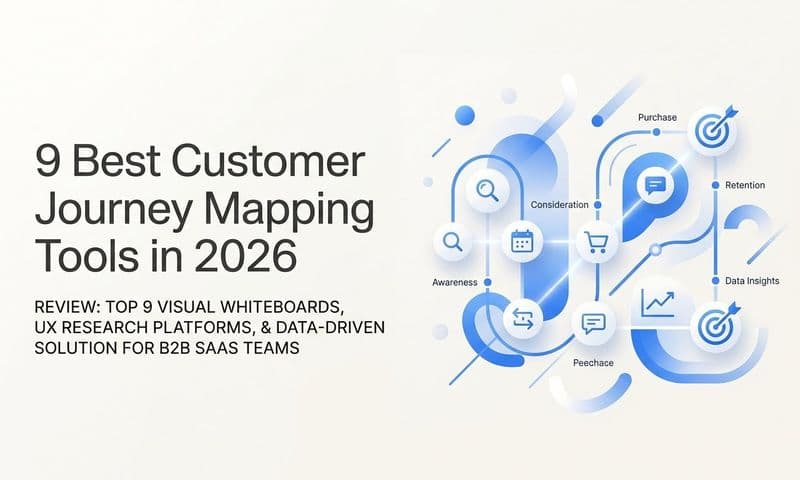
Building a comprehensive customer journey tracking system requires understanding how touchpoints interconnect throughout the buyer's path, not just cataloging them in isolation.
Awareness Touchpoints: These are first-exposure channels where potential customers discover your brand. Paid advertising, organic search, social media content, podcast sponsorships, and referrals typically fall into this category. They rarely drive immediate conversions but play a critical role in starting the journey.
Consideration Touchpoints: Once someone knows you exist, they enter evaluation mode. Understanding Facebook customer journey patterns helps you optimize how prospects move from awareness to consideration across social platforms.
Build Your Multi-Platform Tracking Infrastructure
Here's where most tracking systems fall apart: you've mapped every touchpoint, but now you need technology that actually captures data across platforms that don't want to talk to each other.
Your Facebook Ads Manager lives in one universe. Google Analytics exists in another. Your CRM speaks a completely different language. And every platform claims it's responsible for the same conversion.
This isn't a minor technical inconvenience—it's the reason your attribution data is fiction.
Building proper tracking infrastructure means creating a system that captures accurate data despite platform silos, privacy restrictions, and the death of third-party cookies. It requires server-side tracking, proper data integration, and platforms designed for the post-iOS 14.5 reality.
Let's build tracking that actually works.
Choose Your Attribution Platform Strategy
Your attribution platform determines whether you're making decisions based on reality or fantasy. Most marketers default to whatever came free with their ad account, which is exactly how you end up with five different conversion counts for the same purchase.
First-party tracking gives you direct control over data collection through your own servers and pixels. You own the data, you control the accuracy, and you're not dependent on platform reporting that's designed to make their ads look good. The tradeoff? You're responsible for the technical implementation and ongoing maintenance.
Third-party platforms like Cometly aggregate data from multiple sources into a single source of truth. They handle the complex integrations, provide pre-built attribution models, and give you unified reporting across every channel. The ability to track marketing campaigns across disconnected platforms without building custom integrations is why agencies and growth teams rely on dedicated attribution tools.
The hybrid approach combines both: use first-party tracking for core conversion events, then feed that data into an attribution platform that connects it with ad spend, CRM records, and customer behavior. This gives you ownership of critical data while leveraging specialized tools for complex attribution analysis.
Here's what actually matters when evaluating platforms: Can it track conversions that ad platforms miss? Does it connect online behavior to offline revenue? Will it still work when browsers block more cookies? Can it attribute revenue, not just conversion counts?
Choosing the right attribution tool requires comparing features, accuracy, and integration capabilities across leading platforms—because the wrong choice means rebuilding your entire tracking system six months from now.
Implement Server-Side Tracking
Client-side tracking is dying. Browser restrictions, ad blockers, and privacy features now block 25-40% of traditional tracking pixels. If you're still relying entirely on JavaScript tags that fire in the user's browser, you're missing a quarter of your conversions.
Server-side tracking solves this by sending conversion data directly from your server to ad platforms, bypassing browser restrictions entirely. When someone converts on your website, your server tells Facebook and Google what happened—no cookies required, no ad blockers involved.
Start with Conversion API setup for Facebook and Google. These server-to-server connections send conversion events with complete data: user identifiers, conversion values, and custom parameters that help platforms optimize delivery and measure performance accurately.
Configure your server to capture conversion events before they reach the browser. This ensures you're tracking every conversion, even when users have strict privacy settings or ad blockers enabled. The technical implementation varies by platform, but the principle remains consistent: your server becomes the source of truth for conversion data.
Configure Multi-Touch Attribution Models
Here's the problem with most marketing dashboards: they're lying to you.
Not intentionally. But when your analytics platform credits 100% of a $5,000 sale to the retargeting ad someone clicked five minutes before purchasing, it's ignoring the blog post they read three weeks ago, the webinar that convinced them you were credible, and the email sequence that answered their objections.
That's last-click attribution. And it's systematically destroying your marketing strategy.
Multi-touch attribution fixes this by distributing credit across every touchpoint that influenced the purchase. Instead of pretending customers make instant decisions, it acknowledges reality: people research, compare, hesitate, and engage with multiple channels before buying.
The difference isn't academic. When you switch from last-click to multi-touch attribution, you often discover that your "underperforming" awareness campaigns are actually driving 40% of your revenue—they just weren't getting credit for it.
Understand Attribution Model Impact on Decisions
Different attribution models tell completely different stories about the same customer journey. This isn't a minor technical detail—it fundamentally changes which channels you scale and which you cut.
First-Touch Attribution: Credits the initial touchpoint that introduced someone to your brand. This model reveals which channels are best at generating awareness and starting customer relationships. If you're focused on top-of-funnel growth, first-touch shows you which campaigns are actually bringing new people into your ecosystem.
Last-Touch Attribution: Credits the final interaction before conversion. This is what most platforms use by default because it's simple and makes their performance look good. The problem? It systematically undervalues every touchpoint except the last one, leading you to defund the channels that start relationships and over-invest in channels that simply close deals someone else initiated.
Linear Attribution: Distributes credit equally across all touchpoints. If someone interacted with five channels before buying, each gets 20% of the credit. This model prevents any single touchpoint from dominating, but it also treats a casual social media scroll the same as a 45-minute product demo.
Time-Decay Attribution: Gives more credit to recent touchpoints while still acknowledging earlier interactions. This model assumes that touchpoints closer to the purchase decision matter more, which makes sense for considered purchases where the final interactions address specific objections.
Here's what this looks like in practice: A B2B software company running last-click attribution saw their paid search campaigns driving 60% of conversions. When they implemented multi-touch attribution, they discovered their content marketing and organic search were actually initiating 70% of those same customer journeys—paid search was just getting credit for closing deals that content had started.
They didn't cut paid search. But they stopped defunding content marketing, and their overall conversion rate increased by 35% within three months.
Implement Progressive Attribution Analysis
Don't try to implement every attribution model simultaneously. You'll drown in data and make worse decisions than you did with no attribution at all.
Start simple and build complexity as your data matures and your team develops attribution literacy.
Week 1-2: Implement First-Touch and Last-Touch Attribution: Run both models simultaneously to see the gap between what starts customer journeys and what closes them. This immediately reveals which channels you're overvaluing and which you're undervaluing.
Week 3-4: Add Linear Attribution: Compare how equal credit distribution changes your channel performance rankings. This helps identify channels that consistently appear in customer journeys but never get credit under single-touch models.
Month 2: Test Time-Decay Models: Experiment with different decay rates to find the weighting that best reflects your actual sales cycle. B2B companies with long consideration periods often need different decay curves than e-commerce brands with impulse purchases.
Month 3+: Build Custom Attribution: Once you understand how standard models behave with your data, create custom rules that reflect your specific business model. Weight demo requests higher than content downloads. Give more credit to channels that drive high-value customers versus one-time buyers.
Putting It All Together
You now have the complete framework for tracking customer journeys that actually reveals how your marketing drives revenue. Not the simplified version that platforms want you to believe. The messy, multi-touch reality that determines whether your budget decisions create growth or waste money.
The difference between companies that scale profitably and those that burn cash on ineffective marketing comes down to attribution accuracy. When you can see every touchpoint that influences a purchase, you stop making decisions based on incomplete data and start optimizing the actual customer journey.
Start with your tracking infrastructure. Build server-side tracking that captures conversions browsers try to block. Implement multi-touch attribution that reveals which channels work together to drive revenue. Connect your data to actual business outcomes, not vanity metrics.
Then use that visibility to make better decisions. Scale the channels that start valuable customer relationships, even if they don't get last-click credit. Optimize the touchpoints that move people through your funnel, not just the ones that happen to be present at conversion. Allocate budget based on true contribution to revenue, not platform-reported performance.
The marketing teams winning in 2026 aren't the ones with the biggest budgets. They're the ones with the clearest view of what's actually working. Build that visibility, and everything else becomes easier.
Ready to elevate your marketing game with precision and confidence? Discover how Cometly's AI-driven recommendations can transform your ad strategy—**Get your free demo** today and start capturing every touchpoint to maximize your conversions.