
Getting the TikTok advertising specs right is non-negotiable. At a bare minimum, you're looking at a 9:16 aspect ratio, a resolution of at least 540x960px, and a file size that doesn't creep over 500 MB. While video length can run from 5 to 60 seconds, my experience has shown time and time again that the shorter, punchier ads almost always win.
Your Quick Reference Guide to TikTok Ad Specs
Before you can even think about launching a killer campaign, you have to nail the technicals. Get the formatting wrong, and your ads might get rejected outright, look distorted and unprofessional, or—worst of all—completely fail to grab anyone's attention. Sticking to the proper TikTok advertising specs is the only way to guarantee your content looks polished and is fully optimized for that vertical, full-screen experience that makes the platform so addictive.
This guide is your quick-and-dirty overview of the most critical specs you need to know before hitting "upload." Think of it as your pre-flight checklist to avoid those frustrating rookie mistakes and get your campaigns live without a hitch. Honestly, this level of detail is crucial on any platform; for example, if you're running professional campaigns, following precise LinkedIn image size guidelines is just as important for making the right impression.
Core Creative Requirements at a Glance
For a super-fast summary, this infographic breaks down the three specs that matter most: aspect ratio, file size, and video duration.
 The Ultimate Guide to TikTok Advertising Specs
What this really drives home is that while individual formats have their quirks, the foundational rules on TikTok are universal: think vertical-first, keep file sizes lean, and get your message across quickly. Whether you've been running ads for years or are just starting out, mastering these basics sets the stage for everything else. And while these specs are unique to TikTok's world, it's worth checking out our deep dive on Facebook Ads Manager vs. TikTok Ads Manager to see how the creative and campaign setup process differs.
Key Takeaway: If you remember only one thing, make it this: the 9:16 aspect ratio is king. Designing your ads for this vertical format ensures they fill the entire screen, creating that immersive experience that kills distracting black bars and maximizes your visual real estate. Every other spec is built on this foundation.
Quick-View Table of Key TikTok Ad Specs
To make things even easier, I've put together a table summarizing the most important technical specs for TikTok's most common ad formats. This is perfect for a quick check before you export your final creative files.
Ad Format | Aspect Ratio | Resolution (px) | Max File Size | Video Duration |
|---|---|---|---|---|
In-Feed Ads | 9:16 | ≥ 540x960 | 500 MB | 5-60 seconds |
TopView | 9:16 | ≥ 720x1280 | 500 MB | 5-60 seconds |
Brand Takeover | 9:16 | ≥ 720x1280 | 500 MB | 3-5 seconds |
Spark Ads | 9:16 | ≥ 540x960 | 500 MB | No restrictions |
Carousel Ads | 9:16, 1:1, or 16:9 | ≥ 720x1280 | 500 MB | 5-60 seconds |
Keep this table handy. It’s a simple gut check that can save you a ton of time and prevent unnecessary back-and-forth with your creative team or client when an upload fails.
Mastering In-Feed Video Ad Specifications
If you're advertising on TikTok, In-Feed Video Ads are your bread and butter. They slide right into a user’s “For You” page, appearing alongside organic content. Because they’re meant to feel native, getting the tiktok advertising specs just right is crucial for creating an ad that grabs attention without screaming "I'm an ad!"
This format is all about interaction. Users can like, comment, share, and follow your brand directly from the video, so the goal is to make something that feels like a natural part of the TikTok ecosystem.
 The Ultimate Guide to TikTok Advertising Specs
Think vertical, full-screen creative that matches how people actually use the app. While TikTok technically supports a few different aspect ratios here, the vertical 9:16 ratio is your best bet. It maximizes screen real estate and creates a much more immersive experience for the viewer.
Core Video Requirements
Pay close attention to these core specs to make sure your video uploads cleanly and looks sharp. A high-resolution video is non-negotiable; anything less will look pixelated and can seriously hurt your brand's credibility.
- Aspect Ratio: 9:16 is optimal. 1:1 and 16:9 are also supported, but they won't fill the screen.
- Resolution: The absolute minimum is 540x960px, but I strongly recommend 720x1280px or higher for crisp visuals.
- File Type: Stick with standard formats like .mp4, .mov, .mpeg, or .avi.
- Video Duration: You have between 5 and 60 seconds. Honestly, the sweet spot for engagement is usually much shorter, around 15-20 seconds.
- File Size: Keep it under 500 MB.
Pro Tip: Make sure your video bitrate is above 516 kbps. This is a common culprit for blurry or blocky-looking ads, even when the resolution is correct. A low bitrate will ruin a perfectly good creative.
Text and Image Component Specs
Your video is the main event, but the text and profile image that frame it are just as important. These little details provide context and brand recognition, so don't overlook them. For e-commerce brands especially, nailing these visual cues is a must; we've got more tips on creating effective videos for ecommerce in our other guide.
If you're evaluating vendors, our ecommerce video ad generator breakdown can help.
Brand Name and Ad Description
This is your chance to get your message across quickly and clearly.
- Brand Name: Keep it between 2-20 characters. No emojis allowed here.
- Ad Description: You get a bit more room to play with here, from 12-100 characters. Emojis are fair game in the description.
Profile Image and Safe Zones
Your profile pic helps with brand recall, and knowing the safe zones ensures nothing important gets cut off.
- Profile Image: This needs to be a square 1:1 aspect ratio and under 50 KB.
- Safe Zones: Always be mindful of the TikTok UI. Don't place critical text, logos, or CTAs at the very top, bottom, or right edge of your video. They'll likely get covered by the profile name, caption, or the engagement icons. Leave a nice buffer to make sure everything is visible.
TopView and Brand Takeover Ad Specs Explained
When you need to make a massive impact the second a user opens their TikTok app, TopView and Brand Takeover are the premium formats you pull out. Unlike In-Feed ads that are designed to blend in with a user’s scroll, these formats completely dominate the screen, guaranteeing you get eyeballs. Because they're such high-impact placements, getting the tiktok advertising specs perfect isn't just a suggestion—it's non-negotiable for approval.
We compare the leading options in our Instagram advertising specs roundup.
These ads are built for immediate, full-screen, sound-on engagement. They give you a rare chance to capture someone's undivided attention, making them perfect for major brand announcements, new product launches, or huge awareness pushes. But with great power comes a much stricter set of rules and creative limitations.
 The Ultimate Guide to TikTok Advertising Specs
Differentiating TopView and Brand Takeover
While they feel similar, the main difference comes down to timing and how long they run. A Brand Takeover ad hits the user instantly when they open TikTok, taking over the whole screen for a quick 3-5 seconds. It's a short, powerful burst meant for immediate brand recall.
If you're evaluating vendors, our AI UGC for TikTok breakdown can help.
A TopView ad, on the other hand, is the first in-feed video a user sees after being in the app for about 3 seconds. This format gives you more room to breathe with a longer video of up to 60 seconds, feeling a bit more native while still owning that top ad spot. Knowing which one fits your campaign goal is the first decision you have to make.
Core Creative Specifications
Both formats demand a high-quality, vertical video experience. Period. There's zero flexibility on the aspect ratio; it has to be designed for a full-screen mobile view if you want it to be effective.
- Aspect Ratio: This is a hard-and-fast rule. It must be 9:16.
- Resolution: To look crisp and professional, your ad needs a minimum resolution of 720x1280px.
- File Size: Keep your final video file under 500 MB.
- Supported File Types: Standard video formats like .mp4, .mov, .mpeg, and .avi are all good to go.
It’s important to remember that while these ads are powerful, their impact isn't always measured in direct clicks. A lot of users will see the ad, get influenced, and then come back to convert later. You can learn more about how to accurately measure these delayed impacts by understanding view-through conversion tracking.
Crucial Guideline: Unlike other ad types, you generally can't use clickable elements like interactive stickers or polls within the creative for Brand Takeover and TopView ads. The focus here is 100% on the visual message and the single, primary call-to-action link.
Duration and Format Limitations
The length of your creative is the biggest thing that separates these two premium ad placements. Your choice really depends on how much time you need to tell your story.
Brand Takeover Duration:
- Video: 3 to 5 seconds.
- Static Image (JPG/PNG): 3 seconds.
- GIF: 3 to 5 seconds.
TopView Duration:
- Video: 5 to 60 seconds.
Always design your creative with the safe zones in mind. Your key logos, text, or product shots need to be kept away from the screen edges to avoid getting cut off by TikTok's UI elements. This simple step ensures your message lands clearly and effectively.
Carousel and Collection Ad Specifications
For e-commerce brands, nothing drives sales quite like showing off multiple products in a single, interactive ad. This is exactly where TikTok's Carousel and Collection Ads come in, giving you dynamic ways to feature your catalog right in the feed. To make sure your product showcases look great and work perfectly, you need to nail the specific tiktok advertising specs for these formats.
Think of these ad types as a mini-storefront experience built to move users from discovery to purchase without friction. They're a huge step up from standard video ads for any product-focused campaign.
 The Ultimate Guide to TikTok Advertising Specs
Carousel Ad Requirements
Carousel Ads let users swipe through a series of cards, each highlighting a different product or creative. You have the flexibility to use either images or videos for your cards—just know you can't mix and match them in the same ad. This format is perfect for telling a story or just showing off a range of your best items.
Key Carousel Card Specs:
- Number of Cards: You'll need to use between 2 and 35 cards per ad.
- Aspect Ratio: While 9:16 is supported, 1:1 (square) is definitely the recommended ratio for the best results.
- Resolution: For vertical, go for ≥ 720x1280px. For square, aim for ≥ 1080x1080px.
- Card Caption: Every card gets its own caption, up to 100 characters.
Pro Tip: Keep a consistent aspect ratio across all your cards in a Carousel Ad. If you mix dimensions, you'll end up with awkward cropping and a clunky user experience that can kill your ad's performance.
Collection Ad Specifications
Collection Ads take things a step further. They start with a standard In-Feed video ad, but when a user taps it, an "Instant Gallery Page" opens up. This is a full-screen, shoppable gallery of your products that lets people browse and buy without ever leaving the app. It's incredibly powerful.
The video part of the ad follows the same tiktok advertising specs as any other In-Feed ad—that means a 5-60 second duration and a 9:16 aspect ratio. The real magic happens in the Instant Gallery you set up.
Instant Gallery Product Image Specs:
- Image Ratio: Your product images must be 1:1 (square). No exceptions here.
- Resolution: Use a minimum of 1080x1080px to keep your visuals sharp.
- File Size: Each image needs to be under 500 KB.
- Product Count: You can show anywhere from 3 to 50 products in your gallery.
Sticking to these specs is non-negotiable for creating a smooth, fast-loading shopping experience. These formats are especially powerful when you look at the platform's performance. With average conversion rates hitting 2.14%, TikTok ads often outperform other channels. To really maximize your budget, it’s worth digging deeper into TikTok's advertising costs and optimization strategies.
How to Avoid Common Upload Errors and Rejections
Navigating the TikTok ad review process can feel like a guessing game, but most rejections come down to a handful of common, easy-to-fix mistakes. If you know what to look for ahead of time, you can get your campaigns launched smoothly without the back-and-forth.
The most frequent issues fall into two buckets: technical spec violations and creative policy breaches. Messing up the technical TikTok advertising specs is the fastest way to get your ad kicked back before a human even sees it.
Technical Specification Errors
Think of these as the black-and-white rules of the platform. If you break them, an automated system will likely reject your ad instantly, often without giving you a clear reason why.
- Incorrect Dimensions: Submitting a 16:9 video for a TopView ad is a non-starter. That placement strictly requires a 9:16 aspect ratio, so always match the ratio to the ad format you’re running.
- Low-Resolution Video: While the technical minimum might be 540x960px, uploading anything less than 720x1280px is a bad idea. It will look blurry and unprofessional, and TikTok will often reject it for low quality.
- Oversized Files: Your ad file can't be more than 500 MB. If it is, the upload will just fail. Use a video compression tool to shrink the file size without totally killing the quality.
- Audio Copyright Violations: This is a big one. You can't just drop a popular song into your ad without the proper commercial license. Stick to royalty-free music or, even better, use tracks from TikTok’s own Commercial Music Library to stay safe.
A common oversight we see is a low video bitrate. Even with high-res footage, a low bitrate will make your video look pixelated and cheap. Make sure your bitrate stays consistently above 516 kbps to keep everything looking crisp.
Creative and Policy Rejections
Even if your ad is technically perfect, it can still get rejected for failing to meet TikTok’s advertising policies or creative standards. These rejections are a bit more subjective, but they're just as important to get right.
For instance, making exaggerated or misleading claims like "lose 30 pounds in one week" is a clear policy violation and an instant rejection. Another common mistake is using the TikTok logo or other official brand elements in your creative, which is a strict no-go.
Your landing page also needs to be in good shape. It has to be fully functional and directly related to what you're advertising. A broken link or a bait-and-switch landing page will get your ad rejected every time. Building compliant, high-performing ads can be a lot easier with the right tools, and our guide on using an ad builder can help you design assets that meet all these platform requirements from day one.
Getting Your TikTok Ad Tracking and Attribution Right
Nailing your TikTok advertising specs gets your creative looking sharp, but that’s only half the battle. If your measurement is off, you’re basically flying blind—unable to prove ROI or scale your campaigns with any real confidence. True success on TikTok comes from moving past surface-level vanity metrics and getting precise attribution for every dollar you spend.
This is exactly where a lot of advertisers get tripped up. Relying only on TikTok's native pixel is a recipe for data gaps, especially with all the browser restrictions and iOS privacy updates. Those limitations make it nearly impossible to see the full picture of how your ads are performing, so you can't optimize with any real certainty.
To actually drive growth, you have to master accurate tracking and attribution. It's the only way forward when it comes to effectively measuring advertising effectiveness.
Why Server-Side Tracking Is No Longer Optional
To get around all these data challenges, implementing server-side tracking is non-negotiable. Unlike the old-school, client-side pixel that runs in the user's browser, server-side tracking sends conversion data directly from your server to TikTok. This method completely bypasses ad blockers and browser privacy settings, ensuring you capture every single conversion with near-perfect accuracy.
The difference in data quality is a game-changer. When you feed TikTok’s algorithm more accurate and complete conversion data, it gets smarter, faster. The algorithm can then zero in on the patterns of your best customers and find new audiences that look just like them, which ultimately drives down your customer acquisition cost (CAC).
Unifying Your Data to See the Full Customer Journey
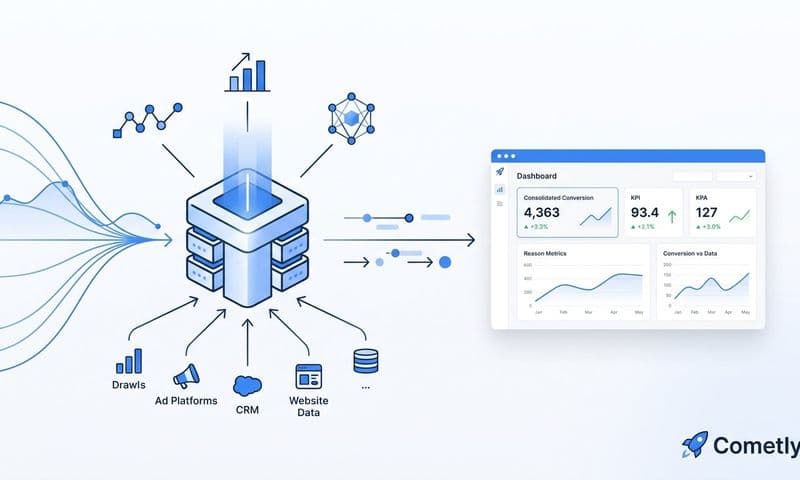
Using a unified attribution platform is the key to making sense of all this data. These tools connect every touchpoint across the entire customer journey, showing you exactly how your TikTok ads are working with your other channels—like email, Google Ads, or organic social—to land a final sale.
This complete, holistic view finally lets you answer the big questions:
- Did a customer see a TikTok ad first, then click a Google search ad before buying?
- On average, how many touchpoints does a lead from TikTok have before they purchase?
- What is the true lifetime value of the customers we’re acquiring from our TikTok campaigns?
TikTok's ad revenue has absolutely exploded, cementing its status as a powerhouse for marketers who need high ROI. In 2024, the platform pulled in a massive $23 billion from ads, with projections for 2025 hitting an incredible $33.1 billion globally. For e-commerce and SaaS brands, this means one thing: precise attribution is everything. Platforms with built-in server-side tracking capture every TikTok touchpoint, syncing conversions directly so you can see the true revenue your campaigns are generating.
When you can see the complete journey, you can confidently prove the platform's value and make much smarter decisions about where your budget should go. To go a little deeper on this, check out our breakdown of the top reasons why Cometly is the best TikTok tracker for getting this level of clarity.
Got Questions About TikTok Ad Specs? We Have Answers.
Even with the best guides, you're going to have questions. It’s just part of the process when you're launching campaigns on a platform as dynamic as TikTok. This section is all about getting you those quick, clear answers to the most common questions we hear from marketers every day.
Think of this as your go-to resource for troubleshooting the little things that can hold up a launch. We're talking about everything from the right video formats to fixing that dreaded blurry creative and figuring out if you can just repurpose your Instagram Reels.
What Is the Best Video Format for TikTok Ads?
Hands down, the best format for TikTok ads is .MP4. While the platform technically accepts others like .MOV, .MPEG, and .AVI, .MP4 is the gold standard for a reason. It's built for web and mobile streaming, giving you the best possible balance between file size and video quality.
Using .MP4 helps your ad load lightning-fast and play without a hitch, which is non-negotiable on the fast-scrolling "For You" page. A clunky or incompatible file format can lead to buffering or playback errors, and that’s a guaranteed way to get scrolled past before your message ever lands.
Why Does My TikTok Ad Look Blurry or Pixelated?
Ah, the blurry ad problem. It's a classic, and it almost always comes down to one of three things: low resolution, low bitrate, or a bad export. Even if you shot your video in stunning 4K, a poor export can completely tank its quality by the time it gets uploaded.
Here's how to fix it:
- Check Your Resolution: Always export at a minimum resolution of 720x1280 pixels. Anything less is going to look grainy on modern phone screens.
- Verify the Bitrate: Your video's bitrate needs to be at least 516 kbps. If it's too low, the file gets overly compressed, and you end up with that blocky, pixelated look.
- Use a Quality Export Preset: Don't just guess. When you're exporting from your editing software, choose a preset built for high-quality web video. It’ll handle the settings for you.
Key Takeaway: A high resolution doesn't mean anything without a high enough bitrate. Bitrate controls the amount of data in the video file, so even a 1080p video will look terrible if the bitrate is too low.
Can I Use the Same Creative for TikTok and Instagram Reels?
You can, but you absolutely shouldn't. While it might seem like a time-saver, repurposing creative this way is a recipe for poor performance. Each platform has its own unique interface, safe zones, and audience culture.
An ad made for Reels will almost always have text or logos that get awkwardly covered by TikTok’s UI elements, like the caption and icons on the right side of the screen. More importantly, what feels native on Instagram often screams "I'm an ad!" on TikTok, which can kill your engagement. For the best results, always create your ads specifically for TikTok advertising specs.
How Long Can a TikTok Ad Be?
For most ad formats like In-Feed and TopView, the maximum length is 60 seconds. But for Brand Takeovers, you’ve only got a 3-5 second window. And Spark Ads, since they’re just boosted organic posts, simply inherit the length of the original video.
Now, just because you can make a 60-second ad doesn't mean you should. The data is pretty clear: shorter is better. The sweet spot for driving engagement and conversions is typically between 15 and 20 seconds. That’s just enough time to hook the viewer, get your point across, and hit them with a clear call-to-action before they lose interest.
TikTok's growth isn't slowing down. By early 2025, the platform is on track to hit 1.59 billion users globally—that's nearly 20% of the world's population. This massive audience makes mastering these specs essential for any brand looking to capitalize on its reach. You can dig into more of TikTok's impressive user statistics on Datareportal.com.
Stop flying blind with your TikTok campaigns. Cometly provides the crystal-clear attribution you need to see exactly which ads are driving revenue. With server-side tracking and a unified dashboard, you can finally prove your ROI and scale your ad spend with total confidence.
Start tracking your TikTok ads accurately today at Cometly.com