
Your Facebook ads were crushing it. Then iOS 14.5 hit, and suddenly you're flying blind. Conversions dropped overnight, your attribution data looked like Swiss cheese, and Meta's algorithm started making decisions based on incomplete information. Sound familiar?
Here's what happened: Apple's privacy changes blocked browser-based tracking for millions of users. The Facebook Pixel—your primary tracking method—can no longer see a huge chunk of your actual conversions. Meta's algorithm optimizes based on the data it receives, so when that data is incomplete, your targeting suffers, your costs rise, and your reporting becomes unreliable.
Facebook Conversion API (CAPI) fixes this fundamental problem by sending conversion data directly from your server to Meta, completely bypassing browser limitations. Instead of relying on cookies that users can block, CAPI creates a direct server-to-server connection that captures conversions the pixel misses.
This guide walks you through the complete setup process, from creating your first pixel to achieving a high Event Match Quality score. Whether you're a marketer handling implementation yourself or working with developers, you'll understand exactly what needs to happen and why each step matters. By the end, you'll have server-side tracking feeding accurate conversion data back to Meta's algorithm, improving your ad targeting and giving you visibility into what's actually driving revenue.
Step 1: Access Your Events Manager and Create a Pixel
Before you can send server-side events, you need the foundation: a Meta pixel and the credentials to authenticate your API requests. This is where most marketers start, and getting it right prevents authentication headaches later.
Log into your Meta Business Suite and navigate to Events Manager. You'll find it in the main menu under "All Tools" or by searching directly. Once inside Events Manager, look for the green "Connect Data Sources" button or the plus icon to add a new data source.
Select "Web" as your data source type, then choose "Meta Pixel" from the options presented. Meta will guide you through naming your pixel—use something descriptive like "Main Website Pixel" or "E-commerce Store" so you can identify it easily when managing multiple properties.
After creating the pixel, you'll see a pixel ID—a long string of numbers that uniquely identifies your tracking implementation. Copy this ID and store it somewhere secure. You'll need it for every CAPI request you send. If you're wondering what is Conversion API Facebook and how it differs from traditional pixel tracking, understanding this foundation is essential.
Next, generate your access token. In Events Manager, click on your pixel name, then navigate to "Settings." Scroll down to find "Conversions API" and click "Generate Access Token." This token acts as your authentication key, proving to Meta that your server has permission to send conversion data.
Treat this access token like a password. Anyone with this token can send events to your pixel, so never commit it to public repositories or share it in unsecured communications. Store it in environment variables or a secure credential management system.
Verify your permissions before moving forward. You need admin access to the Business Manager account and the ad account connected to this pixel. If you're working within an agency structure or managing client accounts, confirm you have the necessary roles assigned. Insufficient permissions will cause authentication failures later in the process.
Step 2: Choose Your Implementation Method
You have three main paths for implementing Facebook Conversion API, each with distinct trade-offs between control, complexity, and capabilities. The right choice depends on your technical resources, business requirements, and long-term attribution needs.
Manual Implementation: Writing custom code to send CAPI events gives you complete control over what data gets sent and when. You'll make direct POST requests to Meta's Graph API endpoint, structuring event data exactly how you need it. This approach works well if you have developer resources and unique tracking requirements that partner integrations can't handle.
The downside? You're responsible for everything. Event deduplication, parameter hashing, error handling, and ongoing maintenance all fall on your development team. You'll need to stay current with Meta's API changes and troubleshoot issues without platform support. For a detailed walkthrough, check out this conversion API implementation guide.
Partner Integrations: If you're running on Shopify, WooCommerce, WordPress, or another major platform, Meta's partner integrations offer a simpler path. These pre-built solutions handle the technical implementation, often requiring just a few clicks to connect your store to CAPI.
Partner integrations work well for straightforward e-commerce setups where standard events like Purchase, AddToCart, and ViewContent cover your needs. Setup is faster, and you don't need developer involvement. However, you're limited to the events and parameters the integration supports. Customization is minimal, and you're dependent on the partner to maintain compatibility with Meta's API updates.
Attribution Platforms: Tools like Cometly take a different approach—they handle CAPI implementation while adding comprehensive multi-touch attribution across all your marketing channels. Instead of just sending Facebook events, you get a complete view of how every touchpoint contributes to conversions.
This method makes sense when you're running campaigns across multiple platforms and need to understand the full customer journey. The platform manages the technical complexity of CAPI while enriching your data with attribution insights. You can see which Facebook ads work in combination with your Google campaigns, email sequences, or other channels—something neither manual implementation nor partner integrations provide.
The trade-off is cost and complexity. Attribution platforms require integration across all your marketing tools, not just Meta. But if accurate cross-channel attribution matters to your business, the investment pays off in better budget allocation and clearer understanding of what actually drives revenue.
Choose based on your situation: manual for maximum control and technical capability, partner integrations for quick e-commerce setup, or attribution platforms when you need the complete picture across all your marketing efforts.
Step 3: Configure Your Server-Side Events
Now comes the strategic work: deciding which conversion events to track and how to structure the data you send to Meta. This isn't about tracking everything—it's about tracking what matters for your business and your algorithm optimization.
Start by mapping your customer journey to Meta's standard events. Meta recognizes specific event names like Purchase, Lead, AddToCart, InitiateCheckout, and ViewContent. Using these standard names ensures Meta's algorithm understands what each event represents and can optimize accordingly. Understanding how conversion API works helps you make better decisions about event configuration.
For e-commerce businesses, your core events typically include ViewContent when someone views a product, AddToCart when they add items, InitiateCheckout when they start the checkout process, and Purchase when they complete the transaction. Each event tells Meta's algorithm something different about user intent and conversion likelihood.
Lead generation businesses focus on different events: ViewContent for landing page views, Lead when someone submits a form, and potentially custom events for specific milestones in your sales process. The key is identifying which actions predict eventual revenue so Meta can find more users likely to take those actions.
Every event you send should include relevant parameters that add context. The Purchase event needs value and currency parameters so Meta knows the transaction amount. Include content_ids to specify which products were purchased, content_type to indicate whether you're tracking products or product groups, and num_items for quantity.
For Lead events, pass custom parameters that indicate lead quality. If you collect job title, company size, or budget information, include it. This helps Meta's algorithm distinguish between high-value leads and tire-kickers, optimizing toward the leads that actually convert to customers.
Customer information parameters are crucial for event matching—we'll cover this in detail in Step 5—but plan for it now. Your event implementation needs to capture email addresses, phone numbers, names, and location data whenever available. Hash this information before sending it to Meta, but make sure you're collecting it in the first place.
Think about timing too. Server-side events should fire when the action actually completes, not when the user reaches a thank-you page. If you're tracking purchases, send the event after payment processing confirms success. For leads, fire the event after the form submission is validated and stored in your database. This ensures you're only sending Meta data about real conversions, not abandoned attempts.
Step 4: Implement Event Deduplication
Here's a problem you'll face immediately: if you're running both the Facebook Pixel and Conversion API (which Meta recommends), you're potentially sending the same conversion twice. Someone completes a purchase, the browser pixel fires, and your server sends a CAPI event. Meta counts it twice, your attribution data is inflated, and your algorithm receives misleading signals.
Event deduplication solves this by telling Meta when a pixel event and a server event represent the same conversion. The mechanism is simple: assign a unique event_id to each conversion and pass that identical ID from both your pixel and your CAPI implementation. Understanding the differences between Facebook CAPI vs pixel tracking helps you implement deduplication correctly.
Generate event IDs on your server when the conversion happens. Use a format that's guaranteed to be unique—a combination of user ID, timestamp, and event type works well. For example: "user_12345_purchase_1714089600". The specific format doesn't matter as long as it's unique and consistent between your pixel and server events.
On the browser side, modify your pixel implementation to include this event_id parameter. When firing a Purchase event through the pixel, pass the same event_id that your server will use for the corresponding CAPI event. The code looks something like this conceptually: include event_id in your pixel event parameters alongside value, currency, and other data.
Meta's deduplication window is 48 hours. If Meta receives two events with the same event_name and event_id within 48 hours, it counts them as one conversion. This means your event_id needs to be consistent and your timing needs to be relatively synchronized—don't send the server event days after the pixel fires.
Test your deduplication by triggering a test conversion and checking Events Manager. You should see the event appear once, not twice. Look for the "Event Source" column in Events Manager—properly deduplicated events will show both "Browser" and "Server" as sources, but the event count will be one, not two.
Common deduplication failures happen when event IDs don't match exactly. Even small differences—extra spaces, different capitalization, or slightly different timestamps—will cause Meta to treat them as separate events. Be precise about how you generate and pass these IDs.
Step 5: Maximize Event Match Quality Score
Event Match Quality is Meta's scoring system that measures how well the customer information you send matches users in Meta's database. The score ranges from 1 to 10, and it directly impacts how effectively Meta's algorithm can optimize your campaigns and build audiences.
Think of it this way: when you send a conversion event, Meta needs to connect that conversion back to a specific user who saw your ad. The more customer identifiers you provide, the more confident Meta can be about the match. Higher confidence means better optimization, more accurate attribution, and stronger lookalike audiences. If you're experiencing poor conversion API data quality, improving your match quality score is often the solution.
The most powerful identifier is email address. When you send a hashed email with your conversion event, Meta can match it against the email addresses users provided when creating their Facebook accounts. Hash the email using SHA-256 before sending it—Meta's documentation specifies this requirement for privacy compliance.
Phone numbers are similarly valuable, especially for mobile conversions. Hash the phone number in E.164 format (country code plus number with no spaces or special characters) before including it in your event data. A properly formatted and hashed phone number significantly improves match quality.
Include first name, last name, city, state, zip code, and country when available. Each additional parameter increases the likelihood of a successful match. Hash these values as well, following Meta's specifications for normalization—lowercase, remove whitespace, etc.
Browser parameters also contribute to match quality when available. Client IP address helps Meta verify the user's location. User agent string provides device and browser information. The fbc parameter (Facebook click ID) creates a direct link between the ad click and the conversion. The fbp parameter (Facebook browser ID) helps with cross-device matching.
Your target should be an Event Match Quality score above 6.0. Scores in this range give Meta enough information to optimize effectively. Check your current score in Events Manager under the "Overview" tab for your pixel. You'll see match quality scores for each event type you're tracking.
If your score is low, audit which parameters you're sending. The most common issue is missing email addresses—many implementations send purchase events without capturing the customer's email. Fix this by ensuring your checkout or lead form data flows through to your CAPI implementation.
Remember that match quality improves over time as you send more events with complete customer information. Don't expect perfect scores immediately, but do prioritize capturing and sending as many customer identifiers as your business model allows.
Step 6: Test and Validate Your Implementation
Before sending live conversion data, you need to verify everything works correctly. Meta provides testing tools specifically for this purpose, and using them prevents costly mistakes in your production environment.
Start with Meta's Test Events tool, found in Events Manager under your pixel settings. This tool shows you exactly what data Meta receives when you send a CAPI event, including all parameters, customer information fields, and any errors in your request structure. For step-by-step instructions, refer to this setup conversion API tutorial.
Send a test event from your server using your actual implementation code, but with test data instead of real customer information. Use the test event code Meta provides—it's a specific parameter you include in your API request that tells Meta to route the event to the Test Events interface instead of your live data stream.
Watch the Test Events interface as your event arrives. You'll see the event name, timestamp, all parameters you sent, and Meta's assessment of the data quality. Check that your event_id appears correctly, your customer information parameters are present and properly hashed, and your value and currency parameters match your expectations.
Common errors you might encounter include authentication failures (check your access token), invalid parameter formats (verify you're following Meta's specifications), missing required fields (every event needs certain basic parameters), and improperly hashed customer data (review Meta's hashing requirements). If you run into issues, learn how to fix Facebook Conversion API problems quickly.
After confirming test events work, move to live validation. Trigger a real conversion in your system—make a test purchase or submit a test lead form. Then check Events Manager to verify the event appears in your live data stream with all expected parameters.
Verify deduplication is working by comparing event counts. If you're sending both pixel and CAPI events, you should see events marked with both "Browser" and "Server" sources but counted only once. If you see double the expected event count, your deduplication isn't configured correctly.
Check the Event Match Quality score for your live events. If it's significantly lower than expected, review which customer information parameters are missing or improperly formatted. The Test Events tool shows exactly which parameters Meta received, making it easier to diagnose data quality issues.
Set up monitoring for ongoing validation. Meta's Events Manager includes diagnostic tools that alert you to issues like missing events, authentication errors, or declining match quality scores. Configure these alerts so you catch problems before they impact your campaign performance.
Step 7: Monitor Performance and Optimize Data Flow
Implementation is just the beginning. The real value of Facebook Conversion API comes from continuously monitoring data quality and using those insights to improve your marketing performance.
Establish a regular cadence for checking your Event Match Quality scores. Weekly reviews work well for most businesses—frequent enough to catch issues quickly but not so often that you're chasing normal fluctuations. Track the trend over time rather than fixating on daily variations.
Compare your conversion counts before and after CAPI implementation. You should see an increase in reported conversions because CAPI captures events the pixel misses. If you're not seeing this lift, investigate whether your CAPI events are firing consistently or if there are technical issues preventing data transmission. Many advertisers discover their Facebook ads underreporting conversions before implementing server-side tracking.
Pay attention to how CAPI data impacts your campaign performance. As Meta's algorithm receives more complete conversion data, you should see improvements in several areas: lower cost per conversion as the algorithm finds better prospects, more stable performance as data becomes more reliable, and better attribution as you capture conversions that were previously invisible.
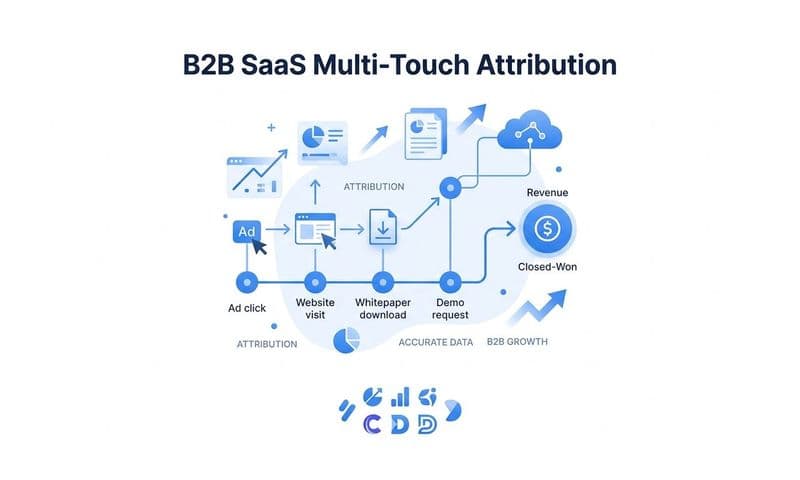
For businesses running campaigns across multiple platforms—Facebook, Google, TikTok, LinkedIn—consider how attribution tools can extend the benefits of server-side tracking. Platforms like Cometly capture conversion data from all your channels and use it to show the complete customer journey, not just the last click before conversion.
This multi-touch attribution approach reveals how your Facebook ads work together with other marketing efforts. You might discover that Facebook ads are excellent at generating initial awareness but Google Search closes the deal. Or that email nurture sequences are essential for converting leads that first clicked a Facebook ad weeks earlier. Understanding your Facebook conversion path helps optimize the entire customer journey.
Feed enriched conversion data back to Meta for better targeting. When you understand which conversions came from high-value customers or led to repeat purchases, you can send that information back through CAPI. Meta's algorithm can then optimize toward these valuable conversion types, not just conversion volume.
Use your CAPI data to build better audiences. The improved match quality from server-side tracking creates stronger lookalike audiences because Meta can more accurately identify the characteristics of your converters. Your custom audiences for retargeting become more precise when based on complete conversion data rather than partial pixel tracking.
Monitor for data discrepancies between CAPI and your internal analytics. Some difference is normal—attribution windows, deduplication timing, and data processing delays all create small variations. But large discrepancies suggest technical issues that need investigation.
Moving Forward with Server-Side Tracking
You now have the framework for implementing Facebook Conversion API and capturing conversion data that browser-based tracking misses. Your implementation checklist should confirm: pixel created with access token secured, server events configured with proper parameters and customer information, deduplication active with matching event IDs flowing from both pixel and server, Event Match Quality score above 6.0, and ongoing monitoring established to catch issues before they impact performance.
The immediate benefit is clearer data. You're seeing conversions that were previously invisible, giving you a more accurate picture of what your Facebook ads actually accomplish. Meta's algorithm receives complete information about which ads drive results, allowing it to optimize toward genuine performance rather than partial signals.
But the real opportunity extends beyond Facebook. The same server-side tracking approach that powers CAPI can capture conversion data across all your marketing channels. When you track conversions at the server level, you're not dependent on browser cookies or platform-specific pixels. You control the data, and you can send it wherever it creates value.
For marketers running campaigns across multiple platforms, this unified approach to conversion tracking becomes essential. You need to understand how your Facebook ads interact with Google campaigns, how email sequences influence paid social performance, and which combinations of touchpoints actually drive revenue. Browser-based tracking can't answer these questions because each platform only sees its own slice of the customer journey.
Ready to elevate your marketing game with precision and confidence? Discover how Cometly's AI-driven recommendations can transform your ad strategy—Get your free demo today and start capturing every touchpoint to maximize your conversions.
The technical work of implementing CAPI is complete, but the strategic work is just beginning. Use this complete conversion data to make smarter decisions about budget allocation, audience targeting, and campaign optimization. Feed better data to Meta's algorithm through CAPI, and you'll see better results from the algorithm's decisions. That's the fundamental promise of server-side tracking: more accurate data leads to more effective marketing.