Every digital marketer knows the frustration: you launch a campaign, the platform reports strong results, but your actual revenue tells a different story. The gap between what ad platforms report and what actually happens in your business is often a data quality problem.
Poor data quality leads to misallocated budgets, wasted ad spend, and algorithms that optimize for the wrong signals. When Meta, Google, or TikTok receive incomplete or inaccurate conversion data, their machine learning systems cannot properly identify and target your best customers.
This guide walks you through a practical, step-by-step process for improving the data quality you send to ad platforms. You will learn how to audit your current tracking setup, implement server-side solutions, enrich your conversion events, and create feedback loops that continuously improve your data accuracy.
By the end, you will have a clear roadmap for feeding ad platforms the high-quality data they need to optimize effectively and deliver better returns on your advertising investment.
Step 1: Audit Your Current Tracking Setup and Identify Data Gaps
Before you can improve your data quality, you need to understand exactly where your tracking falls short. Start by comparing what your ad platforms report against what actually happened in your business.
Pull conversion data from Meta Ads Manager, Google Ads, and any other platforms you use. Then compare those numbers against your actual revenue data from your CRM, payment processor, or analytics system. The discrepancy between these numbers reveals your data quality problem.
Many marketers discover that ad platforms report 20-40% fewer conversions than actually occurred, or conversely, that platforms attribute more conversions than can be verified in business systems. Both scenarios indicate tracking problems that prevent algorithms from optimizing effectively.
Next, check for common tracking issues that create data gaps. Broken pixels are surprisingly frequent, especially after website redesigns or platform updates. Navigate through your conversion funnel while monitoring your browser's developer console for tracking errors.
Missing events represent another critical gap. You might track purchases but not lead form submissions, or capture email signups but miss phone calls. Document every conversion action that matters to your business, then verify whether you are currently tracking it.
Duplicate conversions can inflate your reported numbers and confuse platform algorithms. This often happens when both pixel-based and server-side tracking fire for the same conversion without proper deduplication. Check your event logs for identical conversions firing multiple times with the same timestamp.
Attribution window mismatches create confusion when comparing platform data to your business reality. If your platform uses a seven-day click attribution window but your sales cycle averages fourteen days, you will systematically undercount conversions that platforms influenced.
Create a comprehensive audit document that lists every conversion event you want to track, where it currently fires, and whether it is working correctly. Include which customer journey stages lack visibility entirely. Understanding ad platform data discrepancies is essential for this process.
Establish a baseline measurement of your current data accuracy. Calculate the percentage match between platform-reported conversions and verified business outcomes. This number becomes your benchmark for measuring improvement as you implement the following steps.
The audit might reveal uncomfortable truths about your tracking infrastructure, but this clarity is essential. You cannot fix what you have not measured, and you cannot improve what you do not understand.
Step 2: Implement Server-Side Tracking to Capture More Conversions
Browser-based pixel tracking has become increasingly unreliable. iOS App Tracking Transparency restrictions, ad blockers, and third-party cookie deprecation mean that traditional pixels miss a growing percentage of conversions.
Server-side tracking solves this problem by sending conversion data directly from your server to ad platforms, bypassing browser limitations entirely. Instead of relying on JavaScript pixels that users can block, your server communicates with platform APIs to report conversions.
For Meta, this means implementing the Conversions API. For Google, you will use the Google Ads API or enhanced conversions. TikTok offers Events API, and most major platforms now provide server-side alternatives to browser pixels. Addressing poor conversion API data quality should be a priority during implementation.
Start by understanding your technical setup. Server-side tracking requires backend access to send HTTP requests to platform APIs. If you use a tag management system like Google Tag Manager, you can configure server-side tagging through their server container.
The implementation process typically involves setting up an endpoint on your server that captures conversion events, then configuring that endpoint to forward event data to platform APIs. You will need API credentials from each ad platform and a way to match server-side events to the original ad clicks.
Event matching is critical for attribution. When someone clicks your ad, the platform assigns them a unique identifier. Your server-side tracking must include this identifier when reporting conversions so platforms can connect the conversion back to the original ad interaction.
For Meta's Conversions API, this means capturing the fbp and fbc cookies from the user's browser and including them in your server-side event payload. For Google, you will use the GCLID parameter that gets appended to your landing page URLs.
Configure your server to capture these identifiers when users first land on your site, store them through the conversion process, and include them when firing server-side conversion events. This creates the attribution connection that platforms need.
Once your server-side tracking is live, verify that events are being received correctly. Most platforms offer event testing tools where you can see incoming events in real time and check that all required parameters are present.
Deduplication becomes essential when running both pixel and server-side tracking simultaneously. Platforms need a way to recognize when the same conversion is being reported twice. Include an event ID parameter that is identical for both the pixel and server-side version of the same conversion.
Test your deduplication by triggering a conversion and checking whether platforms count it once or twice. Proper deduplication ensures you get credit for conversions that pixels miss while avoiding double-counting when both methods successfully track the same event.
Server-side tracking requires more technical setup than dropping a pixel on your site, but the data quality improvement is substantial. Many businesses recover 15-30% more tracked conversions simply by implementing reliable server-side solutions.
Step 3: Connect Your CRM and Revenue Data to Ad Platforms
Ad platforms can only optimize based on the conversion events they receive. If you only send them website actions like form submissions, they optimize for form submissions rather than actual revenue.
Connecting your CRM transforms this dynamic by sending offline conversions that represent real business outcomes. When a lead becomes a qualified opportunity, when a deal closes, when a customer makes a repeat purchase, these events flow back to ad platforms to inform their optimization.
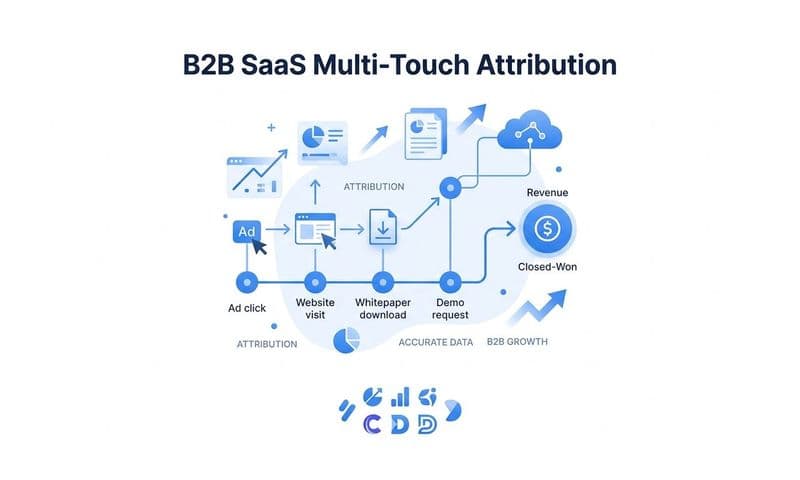
Start by mapping your complete customer journey from initial ad click through to closed revenue. Identify the stages that matter most: marketing qualified lead, sales accepted lead, opportunity created, deal closed won, and customer lifetime value milestones.
Each stage represents a conversion event you can send to ad platforms. The key is selecting events that are both meaningful to your business and frequent enough to provide platforms with sufficient optimization signal.
If you close ten deals per month, that might not provide enough conversion volume for platform algorithms to optimize effectively. In that case, you might also track opportunity creation or qualified lead events that happen more frequently while still indicating valuable outcomes.
Configure automated syncing between your CRM and ad platforms. Many CRM systems offer native integrations with major ad platforms, or you can use middleware tools that connect your CRM to multiple advertising channels simultaneously. An ad platform data sync tool can streamline this process significantly.
The technical implementation typically involves setting up a webhook or API connection that triggers when specific CRM events occur. When a lead status changes to "qualified" or an opportunity closes, your CRM sends that conversion event to the appropriate ad platform.
Include conversion values with your offline conversion events. Platforms need to understand not just that a conversion happened, but what it was worth. Send the actual deal value, customer lifetime value, or a standardized value that represents the average worth of that conversion type.
Customer identifiers are essential for matching offline conversions back to the original ad interaction. Include hashed email addresses, phone numbers, and any platform-specific identifiers you captured during the initial website visit.
The matching process is not perfect. Platforms can typically match 50-80% of offline conversions back to ad interactions depending on data quality and how much time has passed. Higher match rates come from collecting more customer identifiers and sending conversion data promptly.
Test your offline conversion setup by creating a test lead in your CRM and verifying it appears in your ad platform's conversion reporting. Check that the conversion value, timestamp, and attribution all look correct.
Once your CRM connection is live, you enable platform algorithms to optimize for the outcomes that actually matter to your business rather than just website actions that may or may not lead to revenue. Learn more about how to feed conversion data back to ad platforms effectively.
Step 4: Enrich Conversion Events with First-Party Customer Data
The more information you include with each conversion event, the better platforms can understand and target your valuable customers. First-party data enrichment dramatically improves match rates and optimization quality.
Start with customer identifiers. Email addresses and phone numbers are the most valuable because platforms can hash them and match them against their user databases to improve attribution accuracy.
When someone completes a conversion on your site, capture their email address and phone number if possible. Hash these identifiers using SHA-256 before sending them to ad platforms to protect customer privacy while still enabling matching.
Meta's advanced matching and Google's enhanced conversions both rely on these hashed identifiers to improve attribution. When platforms can match a conversion to a specific user account, they gain much higher confidence in the attribution and can better optimize their targeting.
Beyond basic identifiers, add contextual data that helps platforms understand conversion quality. Include the product purchased, order value, customer segment, and whether this is a first-time or repeat purchase. Implementing a first-party data tracking platform makes this process more manageable.
This enrichment allows platforms to distinguish between high-value and low-value conversions. If someone buys your premium product versus your entry-level offering, that signals different customer intent and value that platforms can use to refine targeting.
Purchase frequency data is particularly valuable. Marking conversions from repeat customers helps platforms identify audiences likely to become long-term valuable customers rather than one-time buyers.
Implement enhanced conversions on Google Ads by configuring your conversion tags to capture and hash customer data from your checkout or lead forms. The setup involves modifying your conversion tracking code to include additional user-provided data parameters.
For Meta, configure advanced matching in your pixel setup. This feature automatically captures and hashes email addresses and phone numbers from form fields on your site, then includes them with conversion events to improve matching.
Test your match rates by checking platform reporting for the percentage of conversions that successfully matched to user accounts. Higher match rates indicate better data quality and more accurate attribution.
Optimize your data collection forms to capture more identifying information without creating friction. A single email field can dramatically improve match rates. Adding an optional phone number field provides a secondary matching signal.
Consider the trade-off between form length and conversion rate. Each additional field might reduce form completions slightly, but the improved data quality and match rates often more than compensate through better platform optimization.
Privacy compliance is essential when collecting and sharing customer data. Ensure you have proper consent mechanisms, clear privacy policies, and that you are only sharing data in ways customers have agreed to.
Step 5: Validate Data Accuracy and Optimize Conversion Signals
Implementing better tracking is only valuable if the data you collect is accurate. Regular validation ensures your improved infrastructure actually delivers reliable information to ad platforms.
Set up systematic reconciliation between platform-reported conversions and your actual business outcomes. Pull weekly reports from each ad platform and compare them against your source-of-truth revenue data from your CRM or analytics system.
Calculate the match percentage for each conversion type. If platforms report 85% of your actual conversions, you have good data quality. If they report only 60%, you still have tracking gaps to address. Understanding how to improve ad platform data accuracy will help you close these gaps.
Identify which conversion events have the highest signal quality. Events with strong match rates, clear attribution, and direct connection to revenue should be prioritized for campaign optimization.
Some conversion events might seem valuable but actually confuse platform algorithms. Newsletter signups, content downloads, or other low-intent actions might generate high volume but not correlate with actual customer acquisition.
Test removing or downweighting these low-quality events from your optimization strategy. If platform performance improves when you stop optimizing for certain conversions, those events were adding noise rather than signal.
Attribution windows significantly impact which conversions get credited to your ads. Test different window configurations to find what matches your actual customer journey.
If your sales cycle averages thirty days, a seven-day attribution window will systematically undercount your conversions. Extending the window to match your business reality improves data accuracy.
Experiment with different conversion event configurations on platforms that allow optimization for multiple events simultaneously. You might optimize for both lead generation and closed deals, weighting each based on their value and frequency.
Monitor how changes to your data quality affect campaign performance. As your tracking improves and you send richer conversion data, platform algorithms should make better optimization decisions that translate to improved ROI. Learn how to feed quality data to ad algorithms for maximum impact.
Document what works. When you find attribution window settings, conversion event combinations, or data enrichment approaches that improve performance, standardize those as best practices across your campaigns.
Create a testing calendar for ongoing optimization. Dedicate time monthly to test new conversion signals, validate data accuracy, and refine your tracking configuration based on performance results.
Step 6: Create a Continuous Data Quality Monitoring System
Data quality is not a one-time achievement but an ongoing requirement. Tracking breaks, platforms change their APIs, and new customer journey touchpoints emerge that need measurement.
Build dashboards that compare ad platform data against your source-of-truth revenue data in real time. These dashboards should surface discrepancies immediately so you can investigate and fix issues before they impact campaign performance.
Include key metrics like conversion match rate, attribution accuracy, server-side event success rate, and the percentage gap between platform-reported and actual conversions. When any metric deviates from your baseline, you know something needs attention. A robust marketing data analytics platform can centralize this monitoring.
Set up automated alerts for significant data discrepancies or tracking failures. If your conversion match rate drops below 75%, if server-side events stop firing, or if platform-reported conversions suddenly diverge from actual outcomes, you need to know immediately.
Many monitoring tools can send alerts via email or Slack when specific thresholds are crossed. Configure these proactively rather than discovering tracking issues weeks later when reviewing campaign performance.
Establish a regular review cadence for data quality. Weekly quick checks catch obvious issues. Monthly deep dives examine trends and identify gradual degradation. Quarterly audits ensure your entire tracking infrastructure still aligns with business needs.
Assign ownership for data quality monitoring. Someone on your team should be responsible for checking dashboards, investigating anomalies, and coordinating fixes when tracking issues arise.
Document your data quality standards clearly. Define what match rates are acceptable, how much discrepancy between platforms and reality is tolerable, and what constitutes a tracking failure that requires immediate attention.
Create runbooks for common data quality issues. When server-side tracking fails, when match rates drop, or when new conversion events need implementation, having documented processes ensures consistent, efficient resolution.
As your campaigns scale, your data infrastructure must scale with them. New products, landing pages, conversion funnels, and customer journey touchpoints all need proper tracking configuration. Using cross platform tracking tools helps maintain consistency across channels.
Build data quality checks into your campaign launch process. Before any new campaign goes live, verify that all conversion events are tracked, server-side implementation is working, and data is flowing correctly to platforms.
Continuous monitoring transforms data quality from a project into a practice, ensuring the infrastructure you have built continues delivering accurate, actionable information that powers effective ad optimization.
Your Roadmap to Better Campaign Performance
Improving ad platform data quality is not a one-time project but an ongoing practice that directly impacts your advertising ROI. By following these six steps, you have built a foundation for accurate tracking, enriched conversion data, and continuous monitoring.
Your quick-reference checklist: audit current tracking and document gaps, implement server-side tracking to capture missed conversions, connect CRM data for offline conversion visibility, enrich events with first-party customer data, validate accuracy and optimize conversion signals, and monitor data quality continuously.
As you implement these improvements, you will notice ad platforms making smarter optimization decisions, targeting more valuable audiences, and delivering better returns. The algorithms are only as good as the data they receive, and you have now equipped them with the high-quality signals they need to find and convert your best customers.
Start with your audit today. Identify where your tracking falls short, quantify the gap between reported and actual conversions, and prioritize the improvements that will have the biggest impact on your business.
Tools like Cometly can accelerate this process by automatically connecting your ad platforms, CRM, and website to track every touchpoint and sync enriched conversion data back to your ad channels. Instead of manually building and maintaining complex tracking infrastructure, you get a unified system that captures the complete customer journey and feeds ad platform algorithms exactly what they need.
Ready to elevate your marketing game with precision and confidence? Discover how Cometly's AI-driven recommendations can transform your ad strategy. Get your free demo today and start capturing every touchpoint to maximize your conversions.