Picture this: A potential customer scrolls through Facebook on Monday morning and sees your ad for the first time. They don't click, but the message registers. On Wednesday, they're researching solutions on Google and stumble across your blog post. They read it, find it helpful, but still aren't ready to buy. The following week, they receive your email newsletter with a case study that addresses their exact pain point. They click through to your pricing page but close the tab. Finally, two days later, they search your brand name directly, land on your homepage, and convert.
This isn't an unusual scenario—it's the modern reality of how customers make decisions. The days of someone seeing a single ad and immediately purchasing are largely behind us, especially for anything beyond impulse buys. Today's customer journey is a web of interactions across multiple channels, devices, and days or even weeks.
Understanding these multiple touchpoints before conversion isn't just interesting—it's essential for any marketer who wants to accurately attribute revenue and optimize ad spend. Without this understanding, you're flying blind, crediting the wrong campaigns, and potentially scaling the channels that contributed least to your actual conversions. By the end of this article, you'll understand what touchpoints are, why they matter more than ever, and how to track them effectively so you can make smarter marketing decisions.
The Anatomy of a Multi-Touch Customer Journey
Let's start with the foundation. A touchpoint is any interaction between a prospect and your brand. This includes paid ads on Facebook or Google, organic search clicks, email opens and clicks, social media engagement, blog post views, webinar attendance, direct website visits, retargeting ads, sales calls, chat conversations, and more. Essentially, if a prospect engages with your brand in any measurable way, that's a touchpoint.
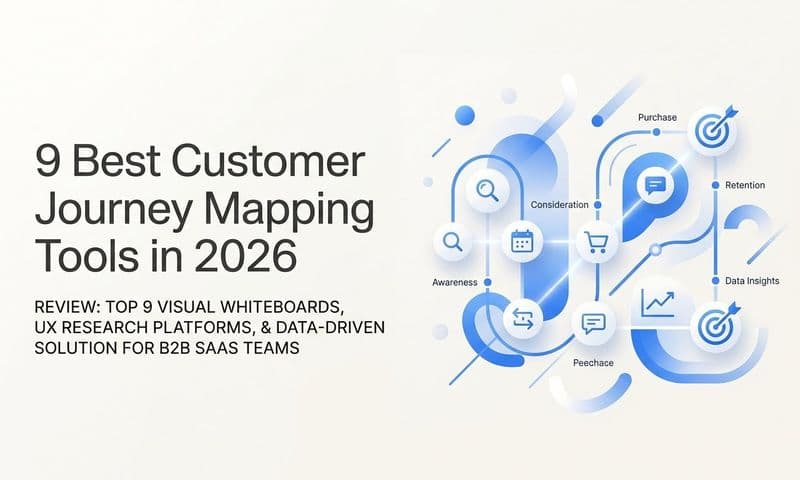
These touchpoints typically align with three distinct phases of the customer journey: awareness, consideration, and decision. During the awareness phase, prospects are just discovering that they have a problem or need. Touchpoints here might include display ads, social media posts, or educational blog content. They're not ready to buy—they're learning.
As prospects move into the consideration phase, they're actively evaluating solutions. Touchpoints shift to comparison guides, product demos, webinars, case studies, and retargeting ads that remind them of your solution. They're gathering information and narrowing their options.
Finally, in the decision phase, prospects are ready to convert. Touchpoints here include pricing pages, sales conversations, promotional emails, and search ads targeting high-intent keywords. These are the moments that directly precede conversion, but they're only possible because of all the touchpoints that came before.
Here's what many marketers don't realize: for B2B purchases and high-consideration B2C products, the journey often involves anywhere from five to twenty or more touchpoints spread across days or weeks. A software purchase might include an initial Google search, several blog post reads, a webinar attendance, multiple email interactions, a demo booking, a sales call, and finally a direct website visit to complete the purchase.
The journey is rarely linear. Prospects don't move neatly from awareness to consideration to decision. They might jump back and forth—reading a blog post, then visiting your pricing page, then disappearing for a week, then engaging with a retargeting ad, then reading another blog post. The path is messy, multi-channel, and increasingly complex as customers use more devices and platforms throughout their day.
What makes this particularly challenging for marketers is that each touchpoint happens in a different place. One interaction occurs on Facebook, another on Google, another in their email inbox, another on your website. Without a unified view of these interactions, you're left with disconnected data points that don't tell the full story of how someone actually became a customer. Understanding how to track conversions across channels becomes essential for piecing together this complete picture.
Why Single-Touch Attribution Fails Modern Marketers
For years, marketers relied on simple attribution models that assigned all credit to a single touchpoint. The two most common approaches were first-touch attribution and last-touch attribution. First-touch gives 100% of the credit to whichever channel introduced the customer to your brand. Last-touch gives 100% of the credit to the final interaction before conversion.
Both models share a critical flaw: they ignore the reality of how customers actually make decisions. If you use first-touch attribution, you might conclude that your Facebook awareness campaign is driving all your revenue, when in reality it's just introducing prospects who then need multiple nurturing touchpoints before they're ready to buy. You'd scale Facebook, potentially neglecting the email sequences and retargeting campaigns that actually close the deals.
Conversely, last-touch attribution creates the opposite problem. If most of your conversions happen after someone searches your brand name and clicks a Google ad, last-touch attribution will credit that final click with the entire conversion. But that prospect only knew to search for your brand because they saw your Facebook ad, read your blog posts, and received your emails. You'd pour budget into branded search campaigns while undervaluing the channels that created brand awareness in the first place.
The result of single-touch attribution is misallocated budgets and scaling the wrong campaigns. You might kill a top-of-funnel campaign that's actually introducing high-quality prospects because it doesn't show direct conversions. Or you might over-invest in bottom-of-funnel tactics that only work because of the awareness and consideration touchpoints you're neglecting.
Making matters worse, most ad platforms only report on their own touchpoints. Facebook's attribution reports show you Facebook's role in the journey. Google shows you Google's role. Your email platform shows email's impact. Each platform claims credit for conversions, often leading to a situation where your total attributed conversions add up to 150% or more of your actual conversions. Everyone's taking credit, and no one's telling you the truth about which touchpoints actually matter. This is why measuring ROI from multiple marketing channels requires a unified approach.
This fragmented data creates blind spots. You can't see the full journey. You don't know that the customer who converted from a Google ad also saw three Facebook ads and read two blog posts first. Without that context, you're making budget decisions based on incomplete information, which means you're consistently undervaluing some channels and overvaluing others.
Multi-Touch Attribution Models Explained
Multi-touch attribution solves the single-touch problem by distributing credit across all the touchpoints in a customer journey. Instead of giving 100% credit to one interaction, these models recognize that conversions are the result of multiple influences working together. Let's break down the most common approaches and when each makes sense.
Linear Attribution: This model distributes credit equally across every touchpoint in the journey. If a customer had five interactions before converting, each touchpoint receives 20% of the credit. Linear attribution is straightforward and acknowledges that every interaction contributed to the conversion. It works well when you want a balanced view and don't have strong opinions about which touchpoints should receive more weight. The downside is that it treats a quick banner ad impression the same as a 30-minute demo, which may not reflect reality.
Time-Decay Attribution: This model gives more credit to touchpoints that happened closer to the conversion. The logic is that recent interactions had more influence on the final decision than interactions from weeks ago. If you're running short sales cycles where recency matters—think e-commerce or limited-time promotions—time-decay makes sense. It helps you identify which bottom-of-funnel touchpoints are most effective at closing deals. Understanding conversion window attribution is crucial when implementing this model effectively.
Position-Based (U-Shaped) Attribution: This model emphasizes both the first and last touchpoints, typically giving 40% credit to each, with the remaining 20% distributed among middle interactions. The reasoning is that introducing a customer to your brand and closing the deal are the two most critical moments. Position-based attribution works well when you want to value both awareness and conversion touchpoints, making it popular for businesses with longer sales cycles where both discovery and final conversion matter significantly.
Data-Driven Attribution: Instead of using predetermined rules, data-driven attribution uses algorithms to analyze your actual conversion data and assign credit based on which touchpoints statistically correlate with conversions. It looks at patterns across thousands of customer journeys and identifies which interactions genuinely move prospects closer to converting. This is the most sophisticated approach and typically the most accurate, but it requires substantial data volume to work effectively.
Choosing the right model depends on your specific situation. If you have a short sales cycle and primarily care about closing tactics, time-decay might be your best bet. If you run a B2B business with long consideration periods and want to value both awareness and closing touchpoints, position-based could work well. If you have enough conversion data and want the most accurate picture, data-driven attribution is ideal.
The key insight across all these models is that they reveal the true performance of your marketing channels by acknowledging the reality of multi-touch journeys. Instead of giving Facebook or Google 100% credit, you see how they work together. You might discover that Facebook excels at introducing prospects, LinkedIn nurtures them through consideration, and Google search closes the deal. Armed with that knowledge, you can optimize each channel for its actual role in the journey rather than treating every channel like it should drive direct conversions. Learning how to measure assisted conversions effectively helps you quantify the value of these supporting touchpoints.
Tracking Every Touchpoint: Technical Foundations
Understanding attribution models is one thing. Actually tracking every touchpoint across devices and platforms is another challenge entirely. The modern marketing landscape presents significant technical hurdles, especially with recent privacy changes that have disrupted traditional tracking methods.
The first major challenge is cross-device tracking. Your prospect might see a Facebook ad on their phone during their morning commute, research your product on their work laptop at lunch, and finally convert on their tablet at home in the evening. Without a way to connect these interactions to the same person, you're seeing three separate, disconnected journeys instead of one complete path to conversion. Implementing robust cross-device conversion tracking solutions is essential for accurate attribution.
Cross-platform tracking adds another layer of complexity. Even if someone uses the same device, they're moving between Facebook, Google, your email inbox, and your website. Each platform has its own tracking mechanisms, and they don't naturally talk to each other. You need a system that can stitch together interactions across all these platforms into a unified customer journey.
Then there's the iOS privacy problem. Apple's App Tracking Transparency framework has made it significantly harder to track users across apps and websites on iOS devices. When users opt out of tracking—and most do—traditional browser-based pixels lose visibility into a large portion of your traffic. Cookie deprecation in browsers like Safari and Firefox has created similar challenges, with Chrome following suit in the near future. Adopting privacy-compliant conversion tracking methods ensures you maintain data accuracy while respecting user preferences.
This is where server-side tracking becomes essential. Instead of relying on browser-based pixels that can be blocked or limited by privacy settings, server-side tracking sends event data directly from your server to your analytics platform. When someone converts on your website, your server records the conversion and sends that data to your attribution system, regardless of whether the user's browser allows tracking pixels.
Server-side tracking provides more accurate, consistent data collection because it's not subject to ad blockers, browser privacy settings, or client-side technical issues. It captures conversions that browser-based tracking would miss, giving you a more complete picture of your marketing performance.
But tracking alone isn't enough—you need to connect your ad platforms, CRM data, and website events into a unified view. This means integrating your Facebook Ads account, Google Ads account, email platform, CRM system, and website analytics into a single attribution platform that can see the entire journey. Without this integration, you're back to fragmented data that doesn't tell the complete story. Exploring solutions for integrating multiple marketing channels can help you build this unified infrastructure.
The technical foundation of effective multi-touch attribution requires three elements: the ability to track users across devices and platforms, server-side tracking to ensure data accuracy despite privacy restrictions, and integrations that unify data from every marketing channel into one place. Get these foundations right, and you can finally see the full customer journey from first touch to conversion.
Turning Touchpoint Data Into Smarter Decisions
Once you're tracking every touchpoint and using multi-touch attribution, the real value comes from turning that data into actionable insights. This is where understanding the customer journey translates into tangible improvements in your marketing performance.
Start by analyzing touchpoint sequences to understand which channels assist conversions versus which ones close them. You might discover that your YouTube ads rarely get the last click before conversion, but prospects who engage with YouTube content convert at twice the rate of those who don't. That's an assisting touchpoint—it doesn't close deals directly, but it's essential to the journey. Without multi-touch attribution, you might cut YouTube spend because it doesn't show direct conversions. With it, you recognize its critical role in warming up prospects.
Similarly, you might find that email consistently appears in the journeys of your highest-value customers, even though it rarely gets first-touch or last-touch credit. This insight tells you that email nurturing is crucial to moving prospects through consideration, and you should invest more in building out your email sequences and segmentation strategies.
Another powerful application is feeding enriched conversion data back to your ad platforms. When you send detailed information about which touchpoints led to conversions back to Facebook, Google, and other platforms, you're giving their machine learning algorithms better data to work with. Instead of just knowing that someone converted, the platform learns that people who engage with certain types of content, from certain channels, in certain sequences are more likely to convert. Understanding how to sync conversions to ad platforms enables this optimization loop.
This creates a virtuous cycle. Better data enables better optimization. The ad platform's algorithms can identify patterns in successful journeys and find more prospects who fit those patterns. Your targeting becomes more precise, your cost per acquisition drops, and your return on ad spend improves—all because you're feeding the platform's AI with accurate, complete conversion data rather than fragmented, last-click information.
You can also use touchpoint insights to reallocate budget toward high-performing channel combinations. Maybe you discover that prospects who see both a Facebook ad and a LinkedIn ad before visiting your website convert at three times the rate of those who only interact with one channel. That insight tells you to run coordinated campaigns across both platforms rather than treating them as independent channels. Using a marketing dashboard for multiple campaigns makes it easier to visualize these cross-channel patterns.
Or you might find that webinar attendees who then receive a follow-up email sequence convert at exceptional rates, but webinar attendees who don't receive the follow-up rarely convert. That's a clear signal to invest in automated email sequences triggered by webinar attendance, ensuring every attendee gets the nurturing they need to move toward conversion.
The key is moving beyond vanity metrics like impressions and clicks to focus on which touchpoint combinations actually drive revenue. Multi-touch attribution shows you the patterns that lead to conversions, allowing you to double down on what works and eliminate what doesn't. You're no longer guessing which channels deserve more budget—you have data showing which touchpoints contribute most to successful customer journeys.
Putting Multi-Touchpoint Insights Into Action
Let's bring this all together. The modern customer journey involves multiple touchpoints across different channels, devices, and timeframes. Conversions rarely happen after a single interaction—they're the culmination of awareness, consideration, and decision-stage touchpoints working in concert.
Single-touch attribution models fail to capture this reality. Whether you're using first-touch or last-touch attribution, you're crediting one interaction while ignoring all the others that contributed to the conversion. This leads to misallocated budgets, undervalued channels, and scaling decisions based on incomplete data.
Multi-touch attribution solves this problem by distributing credit across the entire journey. Whether you choose linear, time-decay, position-based, or data-driven attribution, you gain visibility into which touchpoints actually drive conversions. You see how channels work together rather than competing for credit, and you can optimize each channel for its true role in the customer journey.
The technical foundation matters. Cross-device tracking, server-side tracking, and unified data integration ensure you're capturing every touchpoint accurately despite privacy restrictions and platform silos. Without this foundation, even the best attribution model can't help you because your data is incomplete. Following best practices for tracking conversions accurately ensures your attribution data is reliable.
The competitive advantage goes to marketers who understand and act on multi-touchpoint insights. While your competitors are scaling last-click channels and killing top-of-funnel campaigns that don't show direct conversions, you're seeing the full picture. You know which channels introduce prospects, which ones nurture them, and which ones close deals. You're feeding better data to ad platforms, improving their optimization algorithms, and reallocating budget based on actual contribution to revenue.
Take a moment to audit your current tracking setup. Are you capturing every touchpoint across all channels? Do you have a unified view of the customer journey, or are you looking at fragmented data from individual platforms? Are you using multi-touch attribution, or are you still relying on first-click or last-click models?
If you're not tracking the full journey, you're leaving money on the table. You're making decisions based on partial information, crediting the wrong channels, and missing opportunities to optimize. The marketers who win in today's complex, multi-channel landscape are those who understand that conversions are rarely the result of a single touchpoint—they're the outcome of multiple interactions working together.
The Path Forward: Capturing Every Touchpoint
Understanding multiple touchpoints before conversion isn't just about better reporting—it's about fundamentally changing how you approach marketing optimization. When you see the complete customer journey, you make smarter decisions about where to invest, which campaigns to scale, and how to coordinate your efforts across channels.
The marketers who embrace multi-touch attribution gain a significant edge. They're not guessing which channels drive revenue—they know. They're not crediting the last click while ignoring the awareness and nurturing touchpoints that made that click possible—they're seeing the full picture. And they're not feeding ad platforms incomplete data—they're providing the enriched information that enables better optimization.
This is the reality of modern marketing. Customers interact with your brand multiple times before converting, and those interactions happen across different channels, devices, and days or weeks. The only way to truly understand what's working is to track every touchpoint and use attribution models that acknowledge the complexity of the journey.
The question isn't whether you should adopt multi-touch attribution—it's whether you can afford not to. Every day you rely on single-touch models or fragmented platform data is another day you're misallocating budget and making decisions based on incomplete information. Your competitors who understand the full customer journey are already pulling ahead.
Ready to elevate your marketing game with precision and confidence? Discover how Cometly's AI-driven recommendations can transform your ad strategy—Get your free demo today and start capturing every touchpoint to maximize your conversions.