
Your ad spend is climbing, but your attribution data is getting worse. Every iOS update strips away more visibility. Browser restrictions block your pixels. Third-party cookies are vanishing. And your marketing dashboard shows a growing gap between what you're spending and what you can actually track.
This isn't a minor inconvenience. It's a fundamental shift in how digital advertising works.
Server side tracking offers a way forward by collecting conversion data directly from your servers rather than relying on browsers that actively block your tracking scripts. Instead of hoping a pixel fires in someone's browser, you send conversion events directly to ad platforms through their APIs. The result? More complete data, better attribution, and ad algorithms that actually know which campaigns are working.
But here's the challenge: implementing server side tracking correctly requires specialized technical expertise that most marketing teams simply don't have in-house. You need someone who understands API integrations, data architecture, real-time processing, and the specific requirements of each ad platform you use.
That's where a server side tracking agency comes in. The right partner can transform your attribution accuracy and give your ad platforms the conversion data they need to optimize effectively. The wrong one can waste months of your time and leave you with incomplete tracking that's no better than what you had before.
These seven strategies will help you evaluate potential agency partners and select one that actually delivers the accurate, actionable data your campaigns need.
1. Prioritize Agencies With Multi-Platform Integration Experience
The Challenge It Solves
Most businesses don't run ads on just one platform. You're likely managing campaigns across Meta, Google, TikTok, LinkedIn, and several others simultaneously. Each platform has its own conversion API, data requirements, and implementation quirks. An agency that only knows how to set up Meta's Conversions API won't help you when Google's Enhanced Conversions need troubleshooting or when you're trying to sync data to TikTok Events API.
Without unified tracking across all your platforms, you end up with fragmented attribution data that makes it impossible to understand your true customer journey or compare channel performance accurately.
The Strategy Explained
When evaluating agencies, ask specifically about their experience with every ad platform you currently use and plan to use in the next 12 months. Don't accept vague answers about "working with major platforms." You need concrete examples of implementations they've completed for each specific API.
The best agencies will have documented experience with Meta Conversions API, Google Enhanced Conversions, TikTok Events API, Snapchat Conversions API, Pinterest Conversions API, and LinkedIn Conversions API at minimum. They should understand not just how to send events to these platforms, but how each platform's attribution window works, how to structure event parameters correctly, and how to handle platform-specific requirements like Google's user-provided data policies.
Look for agencies that can show you examples of unified tracking setups where the same conversion event flows to multiple platforms simultaneously. This ensures consistency in your data and makes cross-platform performance comparison actually meaningful. Understanding server side conversion tracking fundamentals helps you evaluate whether an agency truly knows their craft.
Implementation Steps
1. Create a list of all ad platforms you currently use and those you plan to test in the next year, then ask potential agencies about their specific implementation experience with each one.
2. Request case studies or references from clients running multi-platform campaigns similar to yours in scale and complexity.
3. Ask how they handle event standardization across platforms to ensure the same conversion is tracked consistently everywhere.
4. Verify they have experience with your specific tech stack, including your CRM, e-commerce platform, and any other systems that need to feed data into your tracking infrastructure.
Pro Tips
The agencies that truly understand multi-platform tracking will talk about event deduplication strategies without you having to ask. They know that sending the same conversion to both a browser pixel and a server-side API can create duplicate events, and they'll have clear processes for preventing this. If an agency doesn't bring up deduplication proactively, that's a red flag about their actual implementation experience.
2. Evaluate Their Approach to First-Party Data Architecture
The Challenge It Solves
Server side tracking is only as good as the data you collect. If you're only capturing website events, you're missing the complete picture of your customer journey. The real power comes from connecting data across your website, CRM, payment processor, customer support system, and every other touchpoint where customers interact with your business.
Many agencies treat server side tracking as simply a technical pixel replacement without thinking through the broader data architecture needed to capture complete attribution data.
The Strategy Explained
A sophisticated agency will start by mapping your entire customer journey and identifying every touchpoint where conversion data exists. They'll ask about your CRM, your payment processor, your email platform, your customer support tools, and any other systems that hold information about customer behavior and outcomes.
Their approach should focus on building a first-party data infrastructure that collects events from all these sources, enriches them with customer information, and then sends complete conversion data to your ad platforms. This means your Meta and Google campaigns don't just know someone clicked an ad. They know that person became a lead, moved through your sales process, closed as a customer, and generated specific revenue.
The best agencies will talk about event schemas, data validation, and how to structure your tracking to capture both immediate conversions and downstream events that happen days or weeks after the initial click. This is one of the key server side tracking benefits for advertisers that separates sophisticated implementations from basic setups.
Implementation Steps
1. Document all the systems in your business that contain customer data or track customer actions, from your website analytics to your CRM to your payment processor.
2. Ask potential agencies how they would integrate data from each of these sources into a unified tracking system.
3. Evaluate their approach to customer identity resolution across different touchpoints, especially for users who interact with your brand across multiple devices or sessions.
4. Confirm they can handle both real-time events (like form submissions) and batch data imports (like CRM updates or offline conversions).
Pro Tips
Ask agencies to walk through a specific example from your business. Pick a conversion type that involves multiple systems (like a lead that comes through your website, gets qualified in your CRM, and eventually closes as a customer). See how they would structure the data flow to capture and attribute that entire journey. Their answer will reveal whether they truly understand first-party data architecture or just know how to install a tracking script.
3. Verify Conversion API Implementation Expertise
The Challenge It Solves
Each ad platform's Conversions API has specific requirements, parameters, and best practices. Meta's CAPI expects certain event parameters formatted in particular ways. Google's Enhanced Conversions requires hashed user data that matches specific formatting rules. TikTok's Events API has its own event naming conventions and parameter requirements.
An agency that treats all Conversions APIs as interchangeable will create implementations that technically work but don't give ad platforms the data quality they need to optimize effectively.
The Strategy Explained
Deep Conversions API expertise means understanding not just how to send events, but how to send them in ways that maximize their value to each platform's optimization algorithms. For Meta's Conversions API, this includes proper event matching quality, correct parameter formatting, and strategies for improving match rates. For Google's Enhanced Conversions, it means understanding how to hash and format user-provided data correctly and how to implement it across different conversion actions.
According to Google's documentation, Enhanced Conversions can improve conversion measurement accuracy by supplementing existing conversion tags with hashed first-party data. Meta's Conversions API documentation emphasizes that server side events provide more reliable data transmission compared to browser pixels alone. An agency with real expertise will reference these platform-specific benefits and explain how their implementation approach maximizes them.
Look for agencies that can discuss Event Match Quality scores for Meta, explain Google's user-provided data policies, and demonstrate understanding of how each platform uses server-side conversion data differently in its attribution and optimization. Understanding why server side tracking is more accurate helps you ask the right questions during agency evaluations.
Implementation Steps
1. Ask potential agencies to explain their process for implementing Meta's Conversions API specifically, including how they optimize Event Match Quality scores.
2. Request details on their Google Enhanced Conversions setup process and how they handle user data hashing and formatting requirements.
3. Verify they understand platform-specific event parameters and can explain which parameters matter most for ad optimization on each platform.
4. Ask how they test and validate that conversion events are being received correctly by each platform before launching live campaigns.
Pro Tips
The best way to verify real expertise is to ask about common implementation problems. Ask what typically goes wrong with Meta CAPI implementations or what causes low Event Match Quality scores. Ask about the most common mistakes in Google Enhanced Conversions setup. Agencies with genuine experience will have specific, detailed answers because they've encountered and solved these problems repeatedly.
4. Assess Real-Time Data Processing Capabilities
The Challenge It Solves
Server side tracking only delivers value if conversion data reaches your ad platforms quickly enough to inform optimization decisions. If there's a significant delay between when a conversion happens and when Meta or Google receives that data, their algorithms are making decisions based on outdated information.
Many agencies set up batch processing systems that send conversion data once per hour or even once per day. This approach might seem simpler to implement, but it undermines the entire point of server side tracking.
The Strategy Explained
Real-time data processing means conversion events flow to your ad platforms within seconds or minutes of occurring, not hours or days. When someone completes a purchase on your website, that conversion data should reach Meta and Google almost immediately so their algorithms can factor it into ongoing campaign optimization.
The infrastructure required for real-time processing is more complex than batch systems. It involves event queues, error handling, retry logic, and monitoring systems to ensure events are transmitted reliably even during traffic spikes or temporary API outages. This is where understanding server side vs client side tracking becomes crucial for evaluating agency capabilities.
Ask agencies about their data processing architecture. Do they use event-driven systems that trigger immediately when conversions occur? How do they handle scenarios where an ad platform's API is temporarily unavailable? What happens if there's a spike in conversion volume? How do they monitor for and resolve transmission failures?
Implementation Steps
1. Ask potential agencies to describe their data processing infrastructure and explain how quickly conversion events typically reach ad platforms after occurring.
2. Request information about their error handling and retry mechanisms for failed event transmissions.
3. Verify they have monitoring systems in place to detect and alert on processing delays or transmission failures.
4. Ask about their approach to handling high-volume conversion periods without introducing delays or losing events.
Pro Tips
Request to see their monitoring dashboard or ask how they would notify you if conversion events weren't being transmitted properly. Agencies with robust real-time processing will have detailed monitoring and alerting systems because they understand that silent failures in data transmission are the biggest risk in server side tracking implementations.
5. Examine Their Attribution Model Flexibility
The Challenge It Solves
Last-click attribution tells you which ad got the final touch before conversion, but it completely ignores the rest of the customer journey. For businesses with longer sales cycles or multi-touch customer journeys, last-click attribution dramatically undervalues upper-funnel campaigns and channels that play crucial roles in driving conversions.
Many server side tracking implementations only support last-click attribution because it's the simplest to implement. This limitation forces you to make campaign decisions based on incomplete attribution data.
The Strategy Explained
A sophisticated server side tracking setup should support multiple attribution models so you can analyze your data from different perspectives. First-click attribution shows which channels are best at initiating customer relationships. Linear attribution distributes credit across all touchpoints. Time-decay attribution gives more weight to recent interactions. Data-driven attribution uses machine learning to assign credit based on actual conversion patterns.
The agency you choose should be able to implement tracking that captures the complete customer journey across all touchpoints, then provides the flexibility to analyze that data using different attribution models. This means storing enough information about each customer's interaction history to reconstruct their path to conversion from multiple analytical perspectives.
Ask potential agencies which attribution models they support and how they implement multi-touch attribution tracking. Can they show you examples of how the same conversion data looks under different attribution models? Do they have experience helping clients choose the right attribution model for their specific business and sales cycle?
Implementation Steps
1. Ask agencies to explain the different attribution models they support and how each one works.
2. Request examples of how they've helped similar clients use attribution model comparison to improve campaign strategy.
3. Verify they can capture and store the complete customer journey data needed for multi-touch attribution, not just the last interaction.
4. Confirm their reporting capabilities allow you to view the same data through different attribution lenses for comparison.
Pro Tips
The most valuable question you can ask is how they handle attribution for customers with long, complex journeys involving multiple channels and dozens of touchpoints. Their answer will reveal whether they truly understand multi-touch attribution or are just familiar with the terminology. Look for agencies that can explain the trade-offs between different models and help you choose the approach that matches your business reality.
6. Demand Transparent Reporting and Data Ownership
The Challenge It Solves
Some agencies treat your tracking data as their proprietary asset, locking you into their platform and making it difficult or impossible to access your raw data independently. If you ever want to switch agencies or bring tracking in-house, you discover that you don't actually own or control the data infrastructure they built.
This creates vendor lock-in and puts your entire attribution system at risk if the relationship with the agency ends poorly.
The Strategy Explained
Before signing any contract, clarify exactly who owns the tracking data, the infrastructure, and the implementation. You should have complete ownership of all conversion data collected from your customers. You should have independent access to your tracking infrastructure, not just through the agency's proprietary dashboard.
The best agencies build tracking systems using standard tools and platforms that you could manage yourself if needed. They provide you with direct access to your data warehouse, your event processing systems, and all the credentials for your Conversions API integrations. Their reporting dashboards should supplement your data access, not replace it. Reviewing a comprehensive server side tracking tools comparison helps you understand what infrastructure options exist.
Ask potential agencies about their data ownership policies. Will you have direct access to your raw conversion data? Can you export it in standard formats? If you decide to end the relationship, what exactly do you retain and what do you lose? Are there any restrictions on how you can use or analyze your own data?
Implementation Steps
1. Review contract terms carefully for any clauses that limit your data ownership or access rights.
2. Request documentation of exactly what systems will be used, which accounts they'll be created under, and what access you'll have to each component.
3. Verify you'll receive direct credentials and admin access to all tracking infrastructure, not just access through the agency's systems.
4. Ask for their process if you decide to end the relationship, including what data and access you retain and what transition support they provide.
Pro Tips
The clearest test of an agency's transparency is to ask if you can access your raw conversion data directly through SQL queries or API calls, independent of their reporting interface. Agencies that truly respect data ownership will say yes immediately and explain exactly how you would do this. Agencies that hesitate or say you need to go through their systems are showing you that they view your data as leverage to maintain the relationship.
7. Review Their Ongoing Optimization and Support Model
The Challenge It Solves
Server side tracking isn't a one-time setup project. Ad platforms update their APIs. Your business launches new products and conversion types. Browser privacy features evolve. Your tech stack changes. Without ongoing optimization and support, your tracking accuracy degrades over time until you're back to the incomplete data you were trying to escape.
Many agencies treat server side tracking as a project with a defined end date, leaving you to manage ongoing maintenance yourself without the expertise to do it effectively.
The Strategy Explained
The right agency partner provides continuous optimization and support as part of their service model. They monitor your tracking accuracy proactively, catching issues before you notice them in your campaign performance. They stay current with ad platform API updates and implement necessary changes to maintain compatibility. They help you adapt your tracking as your business evolves and new conversion types emerge.
This ongoing relationship should include regular performance reviews where they analyze your tracking data quality, identify opportunities for improvement, and recommend optimizations. They should have clear SLAs for responding to issues and a defined escalation process for urgent problems that impact your campaigns. Understanding common server side tracking setup challenges helps you evaluate whether an agency has the experience to handle ongoing maintenance effectively.
Ask potential agencies about their support model after the initial implementation. How often will they review your tracking performance? What's included in ongoing support versus what requires additional fees? How quickly do they respond to issues? What happens when ad platforms release API updates?
Implementation Steps
1. Ask agencies to detail their ongoing support and optimization process, including how frequently they review tracking performance.
2. Request information about their response time SLAs for different types of issues and their escalation procedures.
3. Verify they have a proactive monitoring system that catches tracking problems before you notice them in campaign performance.
4. Confirm what's included in their standard ongoing service versus what requires additional project fees.
Pro Tips
Ask about a specific scenario: what would happen if Meta released a significant Conversions API update that required changes to your implementation? How would they find out about it, how quickly would they implement the necessary changes, and would you be charged extra for that work? Their answer reveals whether they view ongoing optimization as part of their core service or as an opportunity for additional billable projects.
Making Your Decision With Confidence
Choosing a server side tracking agency isn't about finding the cheapest option or the one with the slickest sales pitch. It's about finding a technical partner who can deliver the complete, accurate attribution data your campaigns need to scale profitably.
Start with the fundamentals: multi-platform integration experience and Conversions API expertise. If an agency can't demonstrate deep knowledge of the specific platforms you use, nothing else matters. Then evaluate their approach to first-party data architecture. The best implementations don't just replace browser pixels, they connect data across your entire customer journey to give ad platforms the complete picture they need for optimization.
Real-time data processing capabilities determine whether your tracking actually helps ad algorithms optimize or just creates a historical record. Attribution model flexibility ensures you can analyze your data from multiple perspectives and make strategic decisions based on complete information, not just last-click assumptions.
Protect yourself with clear data ownership terms. Your conversion data belongs to you, and you should have independent access to it regardless of your agency relationship status. Finally, verify that ongoing optimization and support are core parts of their service model, not optional add-ons.
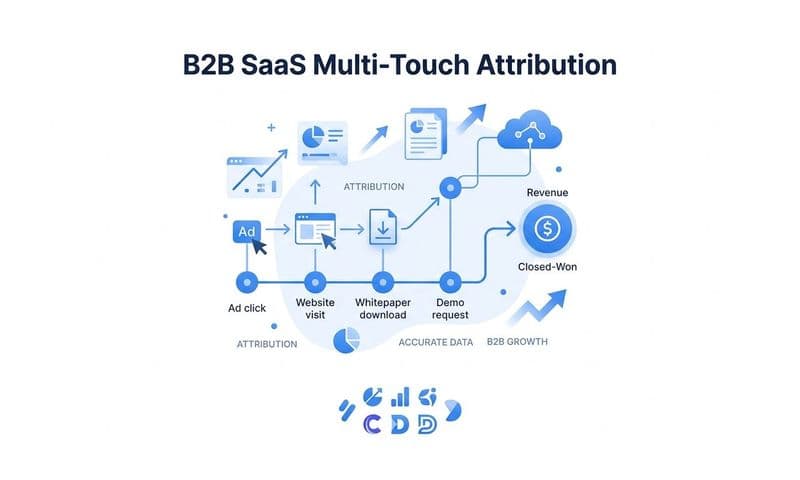
For marketing teams ready to move beyond incomplete browser-based tracking, platforms like Cometly offer server side tracking capabilities that capture every touchpoint across your customer journey. From ad clicks to CRM events, comprehensive tracking provides your AI with complete, enriched data about every customer interaction. This enables you to know what's really driving revenue, get AI-powered recommendations for scaling high-performing campaigns, and feed enriched conversion data back to Meta, Google, and other platforms to improve their targeting and optimization.
Start by auditing your current tracking setup. Identify the gaps where conversions are happening but not being tracked. Document the customer journey touchpoints you're missing. Then use these seven strategies to evaluate agency partners who can build the tracking infrastructure you need.
The right server side tracking implementation transforms your relationship with your advertising data. Instead of guessing which campaigns work based on incomplete attribution, you'll have clear visibility into what's driving results. Your ad platforms will have the conversion data they need to optimize effectively. And you'll finally be able to scale your campaigns with confidence, knowing your data accurately reflects reality.
Ready to elevate your marketing game with precision and confidence? Discover how Cometly's AI-driven recommendations can transform your ad strategy. Get your free demo today and start capturing every touchpoint to maximize your conversions.