You're spending thousands on Google Ads every month, watching clicks roll in, celebrating traffic spikes—but when you look at your actual revenue, something doesn't add up. You're not alone. Most marketers can tell you how many people clicked their ads, but ask them which campaigns actually drove paying customers? That's where the conversation gets uncomfortable.
The problem isn't your campaigns. It's that you're flying blind without proper conversion tracking.
Here's the reality: Google Ads without conversion tracking is like running a business without looking at your bank account. You might feel busy, but you have no idea if you're profitable. And with iOS updates, cookie restrictions, and privacy changes fragmenting your data, even marketers who think they have tracking set up are often missing 30-40% of their conversions.
This guide walks you through the complete process of setting up Google Ads conversions the right way—from defining what actually matters to your business, to implementing enhanced conversions that work around privacy limitations, to connecting offline sales data that most marketers never capture. Whether you're configuring tracking for the first time or fixing a broken setup that's been costing you money, you'll have a clear roadmap.
And here's why this matters beyond just reporting: accurate conversion data is what feeds Google's algorithm. When Google knows which clicks lead to revenue, it optimizes your campaigns automatically. Better data means better targeting, lower costs, and higher ROI. Let's get your tracking right.
Step 1: Define Your Conversion Actions and Goals
Before you touch a single line of code or navigate to your Google Ads dashboard, you need to answer one critical question: what actually moves the needle for your business?
This sounds obvious, but most marketers get it wrong. They track everything—page views, button clicks, PDF downloads, newsletter signups—and end up with a mess of data that doesn't tell them anything useful. Google's algorithm gets confused signals, and you can't figure out which campaigns are actually profitable.
Start by identifying your macro conversions. These are the primary actions that directly generate revenue or qualified leads. For an e-commerce business, that's completed purchases. For a B2B SaaS company, it might be demo requests or free trial signups. For a local service business, it's phone calls and contact form submissions.
Then consider your micro conversions—supporting actions that indicate intent but don't immediately generate revenue. Think: adding items to cart, watching a product video, or visiting your pricing page multiple times. These matter, but they should never be weighted equally with macro conversions. Understanding where most marketing conversions drop off can help you identify which micro conversions actually predict future purchases.
Here's the critical decision: assign conversion values. If you're e-commerce, use dynamic values that reflect actual transaction amounts. If you're lead generation, assign static values based on what a typical customer is worth. A demo request that converts at 20% and generates $5,000 in lifetime value? That conversion is worth approximately $1,000 to your business.
You'll also need to choose your attribution settings. Google Ads now defaults to data-driven attribution, which uses machine learning to assign credit across multiple touchpoints. For most accounts with sufficient data, this is the smartest choice. If you're just starting out or have low volume, last-click attribution gives you a simpler baseline.
The biggest mistake? Tracking too many low-value actions. When you tell Google that a page view is as valuable as a purchase, you're teaching its algorithm to optimize for the wrong thing. Your campaigns will drive traffic that looks engaged but never converts to revenue.
Be ruthless. Track 3-5 conversion actions maximum. Make sure each one represents genuine business value. Everything else is vanity metrics.
Step 2: Create Conversion Actions in Google Ads
Now that you know what you're tracking, it's time to set it up in Google Ads. This is where theory meets execution, and where small configuration mistakes can throw off your entire tracking system.
Log into your Google Ads account and navigate to the Goals section in the left menu. Click Conversions, then Summary. You'll see a blue plus button—click it to create a new conversion action.
For a deeper dive into this space, see our ecommerce product video generator guide.
Google will ask you to choose a conversion source. For most businesses, you'll select Website. If you're tracking app installs, phone calls from ads, or importing conversions from another system, those options are here too. We'll focus on website conversions first since that's where most marketers start. If phone leads are important to your business, you'll want to learn how to track phone call conversions from ads as well.
If you're evaluating vendors, our track programmatic ads conversions breakdown can help.
Next comes the configuration screen. Give your conversion action a clear, descriptive name—"Purchase Completed" or "Demo Request Submitted" works better than vague labels like "Conversion 1." Future you will thank you when you're analyzing campaign data at 11 PM before a client meeting.
Set your conversion value. Choose between a static value (same amount for every conversion) or dynamic value (tracks actual transaction amounts). For e-commerce, always use dynamic values. For lead generation, use your calculated value from Step 1.
Here's a setting that confuses everyone: Count. You have two options—Every or One. Choose Every if you want to count multiple conversions from the same person (like e-commerce purchases). Choose One if you only want to count the first conversion per ad click (like lead form submissions). Most lead generation businesses should use One to avoid inflating numbers when someone submits a form multiple times.
Set your conversion windows. The click-through window determines how long after someone clicks your ad you'll still attribute conversions to that click (1-90 days). The view-through window tracks conversions from people who saw but didn't click your ad (1-30 days). For most businesses, 30 days click-through and 1 day view-through is a solid starting point.
Under attribution model, stick with data-driven if available. If not, last-click gives you the most conservative numbers.
Click Save and Continue. Your conversion action now appears in your list with an "Unverified" status. That's normal—it means Google is waiting to receive actual conversion data. We'll fix that in the next steps.
Step 3: Install the Google Tag on Your Website
This is where many marketers hit a wall. You've created the conversion action in Google Ads, but now you need to actually implement the tracking code on your website. If you're not technical, this step feels intimidating. But it's more straightforward than it looks.
You have three implementation options, and your choice depends on your technical setup and comfort level.
The cleanest approach is Google Tag Manager. If you're not already using GTM, now's the time to set it up. GTM acts as a container that holds all your tracking tags—Google Ads, Google Analytics, Facebook Pixel, and more—without requiring you to edit your website code every time you need to add or modify tracking. Our guide on setting up Google Tag Manager for WooCommerce walks through the fundamentals if you're on that platform.
To implement via GTM, grab your Google Ads Conversion ID and Conversion Label from the conversion action you just created. In Google Tag Manager, create a new tag, select Google Ads Conversion Tracking as the tag type, and paste in your IDs. Set your trigger to fire on the specific page or event that represents a conversion—like your thank-you page URL or form submission event.
The second option is direct code installation. Google Ads will provide you with two code snippets: the global site tag (gtag.js) and the event snippet. The global tag goes on every page of your website, typically in the header. The event snippet goes only on conversion pages—like your order confirmation page or lead form thank-you page.
If you're using WordPress, Shopify, or another CMS, look for official plugins or integrations. Many platforms have native Google Ads conversion tracking options that handle the code implementation for you. Just be careful—some plugins are outdated or poorly maintained, which can cause tracking issues.
Here's what success looks like: the global tag fires on every page, establishing the baseline connection between your website and Google Ads. The event snippet fires only when someone completes your conversion action, sending that data back to Google.
Before you publish anything live, test in preview mode. In Google Tag Manager, use Preview mode to load your website and verify tags fire correctly. Check that the global tag fires on all pages and the conversion tag fires only on your conversion completion page. Look for errors in the console—red flags mean something's broken.
Common mistakes to avoid: installing the event snippet on the wrong page, forgetting to publish your GTM container after making changes, or having multiple versions of the same tag firing simultaneously (which causes duplicate conversion counting).
Once you've verified everything works in preview, publish your changes. Your conversion action in Google Ads should start recording data within 24-48 hours.
Step 4: Implement Enhanced Conversions for Better Accuracy
Standard conversion tracking worked great five years ago. Today? It's missing a huge chunk of your conversions, and you don't even know it.
Browser privacy features, iOS updates, and cookie restrictions have created massive blind spots in your tracking. When someone blocks cookies or uses Safari with Intelligent Tracking Prevention, your standard conversion tag often can't connect their ad click to their eventual purchase. Google sees the conversion happen, but can't attribute it to your campaign. You paid for that click, but you get zero credit.
Enhanced conversions solve this problem by using first-party data—information customers voluntarily provide, like their email address or phone number—to improve match rates. Google hashes this data (encrypts it in a way that can't be reversed) and uses it to connect conversions to ad clicks even when cookies are blocked.
The result? You capture 15-30% more conversions that were always happening but never getting attributed. Your campaigns suddenly look more profitable because you're finally seeing the full picture.
Here's how to set it up. First, go back to your conversion action in Google Ads and turn on enhanced conversions. You'll find this option in the conversion action settings under "Enhanced conversions."
Next, you need to actually collect and send the customer data. The easiest method is through Google Tag Manager. In your conversion tag configuration, enable "Include user-provided data from your website." Then map the variables where your website stores customer information—typically form fields for email, phone number, first name, last name, and address.
When someone completes a conversion, your tag automatically captures this data, hashes it, and sends it to Google along with the conversion signal. Google then matches it against signed-in Google accounts to attribute the conversion to the correct ad click.
If you're not using GTM, you can implement enhanced conversions through the Google Ads API or by manually adding code to your conversion pages. The API method is more complex but gives you greater control, especially if you're working with a developer or using a third-party platform.
Why does this matter beyond just seeing more conversions? Because Google's algorithm optimizes based on the signals it receives. When you're missing 30% of your conversions, Google's machine learning is making decisions based on incomplete data. It thinks certain keywords, audiences, and placements don't work when they actually do. Enhanced conversions give Google's algorithm the complete picture, which means better automated bidding, smarter targeting, and lower cost per acquisition.
One important note: enhanced conversions only work if you're actually collecting customer information. If you're running campaigns that don't involve form submissions or purchases—like content downloads or video views—you won't be able to use this feature. That's fine. Focus enhanced conversions on your highest-value conversion actions where you do collect customer data.
For a deeper dive into this space, see our AI product video generator guide.
Step 5: Verify and Test Your Conversion Tracking
You've configured everything. You've installed the tags. You've enabled enhanced conversions. Now comes the moment of truth: does it actually work?
Too many marketers skip this step and discover weeks later that their tracking has been broken the entire time. Don't be that person. Testing takes 15 minutes and can save you thousands in wasted ad spend.
Start with Google Tag Assistant, a free Chrome extension that shows you exactly which tags are firing on any page. Install it, then visit your website and complete a test conversion. Tag Assistant will show you if your Google Ads conversion tag fired correctly. Look for a green checkmark next to your conversion tag—that means it worked.
If you see a red X or yellow warning, click on the tag details to see what went wrong. Common issues include: tag firing on the wrong page, missing required parameters, or conflicts with other scripts on your site. If your numbers still look off after setup, check out our guide on Google Ads showing wrong conversions to diagnose the problem.
Next, check your conversion action status in Google Ads. Navigate back to Goals > Conversions > Summary and look at your conversion action. Within 24-48 hours of your test conversion, the status should change from "Unverified" to "Recording conversions." If it's been longer than 48 hours and you're still seeing "Unverified" or "No recent conversions," something's broken.
Submit multiple test conversions to verify everything works consistently. Use different devices and browsers—desktop Chrome, mobile Safari, incognito mode. Privacy settings vary by browser, and you want to make sure your tracking works across all scenarios.
Watch out for duplicate conversions. If your test shows two conversions when you only submitted one, you probably have multiple tags firing simultaneously. Check for duplicate GTM tags, leftover code from old tracking implementations, or plugins that are adding extra conversion tags.
Set up conversion tracking alerts so you know immediately if something breaks. In Google Ads, go to Tools > Measurement > Conversions, select your conversion action, and enable notifications. Google will email you if your conversion tracking stops working or if there's a significant drop in conversion volume.
Here's a pro move: create a marketing campaign tracking spreadsheet to record your test conversions. Document the date, time, device, browser, and whether the conversion appeared in Google Ads. This documentation becomes invaluable when troubleshooting issues later or when training team members on your tracking setup.
Remember that conversion data in Google Ads isn't real-time. There's typically a 3-hour delay, sometimes longer. Don't panic if your test conversion doesn't show up immediately. Give it 24 hours before you start troubleshooting.
Step 6: Connect Offline and CRM Conversions for Full-Funnel Visibility
Here's where most marketers stop—and where they're leaving massive amounts of attribution data on the table.
If you're in lead generation, B2B, or any business where the sale doesn't happen immediately online, your Google Ads reporting is lying to you. It's showing you which campaigns drive form submissions or phone calls, but it has no idea which of those leads actually became customers.
Think about it: someone clicks your ad, fills out a form, and your Google Ads tracking records a conversion. Great. But then your sales team calls them, they schedule a demo, they negotiate for three weeks, and they finally sign a $50,000 contract. Google Ads has no idea that happened. It thinks that lead was worth the same as the lead who never answered the phone.
This is where offline conversion imports become critical. The process works like this: when someone clicks your Google ad, Google appends a unique identifier called a GCLID (Google Click ID) to your landing page URL. You need to capture that GCLID and store it with the lead in your CRM.
Later, when that lead becomes a customer, you upload that conversion back to Google Ads along with the GCLID. Google matches the GCLID to the original ad click and attributes the conversion to the correct campaign, ad group, and keyword. Suddenly you can see which campaigns drive actual revenue, not just form fills.
The manual process involves exporting data from your CRM, formatting it according to Google's specifications (GCLID, conversion name, conversion time, conversion value), and uploading it through the Google Ads interface. This works, but it's tedious and error-prone. Most marketers do it once, forget about it, and their data gets stale.
The better approach is automated imports through the Google Ads API or third-party integration tools. Many CRMs have native Google Ads integrations that handle this automatically. When a deal closes in your CRM, the conversion data flows directly to Google Ads without manual intervention.
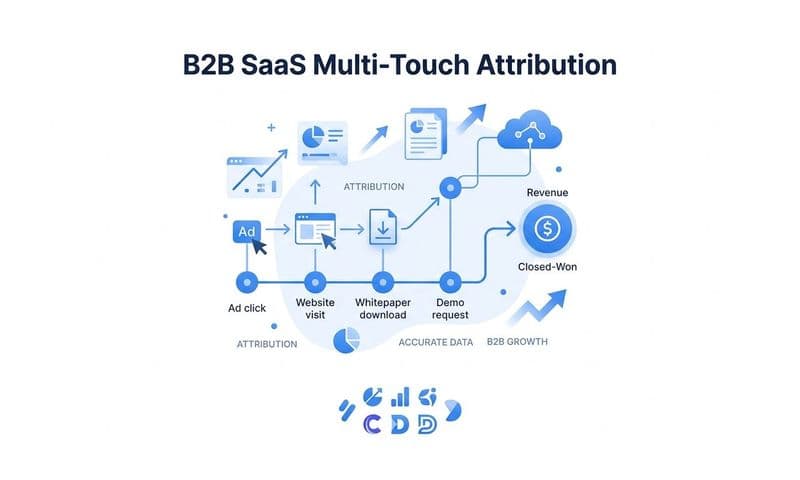
This is where attribution platforms like Cometly become incredibly valuable. Instead of managing separate tracking implementations for Google Ads, Facebook, TikTok, and every other platform, Cometly captures the complete customer journey across all touchpoints. When someone converts, Cometly automatically syncs that enriched conversion data back to Google Ads—along with every other platform that touched that customer. Learn more about how ad tracking tools can help you scale ads using accurate data.
The result? Google's algorithm gets accurate signals about which campaigns drive real revenue, not just top-of-funnel actions. Your automated bidding strategies optimize toward actual business outcomes. You can confidently scale campaigns that look mediocre in Google's native reporting but actually drive your highest-value customers.
To verify offline conversions are working, check the "Conversion source" column in your Google Ads reports. You should see conversions attributed to "Import" or "CRM" alongside your website conversions. If you're not seeing them, double-check that your GCLID capture is working and that your upload format matches Google's requirements exactly.
Your Conversion Tracking Checklist
You've just walked through the complete process of setting up Google Ads conversions the right way. Let's recap with a quick checklist to make sure you haven't missed anything:
Define your conversion goals: Identify 3-5 high-value actions that actually drive revenue. Set conversion values based on real business impact. Choose your attribution model.
Create conversion actions: Configure each action in Google Ads with the right counting method, conversion windows, and value settings. Verify they appear in your conversions list.
Install tracking tags: Implement the Google tag site-wide and event snippets on conversion pages. Use Google Tag Manager for cleaner, more flexible implementation.
Enable enhanced conversions: Turn on Google enhanced conversions in your settings and configure first-party data collection to improve match rates and attribution accuracy.
Test everything: Use Google Tag Assistant to verify tags fire correctly. Submit test conversions and confirm they appear in your reporting within 48 hours.
Connect offline data: Capture GCLIDs and import CRM conversions to see which campaigns drive actual revenue, not just leads.
Here's the reality: accurate conversion tracking isn't a one-time setup. Privacy regulations evolve. Platform updates change how tracking works. Your business grows and your conversion goals shift. You need to audit your tracking quarterly, verify it's still capturing accurate data, and adjust as needed. A thorough Google Analytics audit can help identify gaps in your measurement strategy.
The marketers who win are the ones who treat attribution as a competitive advantage. They don't just track conversions—they obsess over data quality. They know that better data means better optimization, which means lower costs and higher profits.
And the smartest marketers don't rely on Google Ads tracking alone. They use dedicated attribution platforms to capture the complete customer journey across every touchpoint—organic search, social media, email, direct traffic, and all paid channels. When you can see the full picture, you make better decisions about where to invest your budget.
Ready to elevate your marketing game with precision and confidence? Discover how Cometly's AI-driven recommendations can transform your ad strategy—Get your free demo today and start capturing every touchpoint to maximize your conversions.