Running Snapchat ads without proper conversion tracking is like driving with your eyes closed. You might be spending thousands on campaigns, but without accurate tracking, you have no idea which ads actually drive purchases, sign-ups, or leads. You see impressions climbing and clicks rolling in, but when it comes to answering the crucial question—which campaigns actually make money—you're left guessing.
This guide walks you through the complete process of setting up Snapchat ads conversion tracking from scratch. By the end, you'll have the Snap Pixel installed on your site, conversion events configured, and a system in place to measure exactly which campaigns deliver real results.
Whether you're new to Snapchat advertising or looking to fix a broken tracking setup, these steps will help you capture the data you need to optimize your ad spend and scale what works. Let's get started.
Step 1: Create Your Snap Pixel in Ads Manager
Before you can track anything, you need to generate your unique Snap Pixel. This is the foundation of your entire tracking setup, so take a few minutes to set it up correctly from the start.
Log into your Snapchat Ads Manager account and navigate to the Events Manager section. You'll find this in the main navigation menu, typically under the "Assets" or "Business Tools" section depending on your account setup. Once you're in Events Manager, click "Create Pixel" to begin the setup process.
Snapchat will prompt you to name your pixel. This might seem like a minor detail, but clear naming matters more than you think. If you manage multiple clients or run several brands, use a naming convention that makes instant sense: "CompanyName_Website" or "BrandName_MainSite" works well. You'll thank yourself later when you're trying to identify which pixel belongs to which property in a list of dozens.
After naming your pixel, Snapchat generates your unique pixel code. This is a JavaScript snippet that looks something like a block of code starting with a script tag. Copy this entire code block—you'll need it in the next step. The pixel code consists of two main parts: the base pixel that fires on every page to track general website activity, and event-specific code that you'll add later to track particular actions.
Understanding what this pixel actually does helps you troubleshoot issues down the line. The Snap Pixel works by placing a small piece of code on your website that communicates with Snapchat's servers every time someone visits. When a user who saw your Snapchat ad lands on your site, the pixel recognizes them and starts tracking their journey. It captures page views, button clicks, form submissions, and purchases—whatever you configure it to monitor. For a deeper dive into how Snapchat measures ad performance, explore Snapchat ads attribution tracking methodologies.
Before moving on, double-check that you've copied the complete pixel code. Missing even a single character can break your tracking entirely. Keep this code somewhere safe for now—you're about to install it on your website.
Step 2: Install the Snap Pixel on Your Website
Now comes the technical part, but don't worry—you have several installation options depending on your comfort level with code and your website platform.
The most direct method is adding the pixel code directly to your website's header section. You need to paste the base pixel code right before the closing head tag on every page of your site. If you're using a custom-built website or have access to your site's code, locate your header template file and paste the pixel code there. This ensures the pixel fires on every single page without you having to manually add it hundreds of times.
For marketers who prefer not to touch code directly, Google Tag Manager offers a cleaner solution. Create a new tag in GTM, select "Custom HTML" as the tag type, and paste your Snap Pixel code. Set the trigger to fire on "All Pages" so the pixel loads site-wide. This method keeps your tracking code organized in one place and makes future updates easier. You can add conversion events later as separate tags with specific triggers.
If you're running an e-commerce store on Shopify, WordPress, or similar platforms, you're in luck—Snapchat offers direct integrations. In Shopify, navigate to your Online Store settings, click "Preferences," and scroll to the "Snapchat Pixel" section. Paste your pixel ID (just the numbers, not the entire code) and Shopify handles the installation automatically. WordPress users can install the official Snapchat Pixel plugin, which adds the pixel to your site without touching any code. If you're also running Google Ads on Shopify, learn how to set up Google Ads conversion tracking for Shopify to create a complete tracking ecosystem.
Once installed, verification is critical. Download the Snap Pixel Helper browser extension for Chrome. This tool shows you exactly which pixels are firing on any page you visit. Navigate to your website with the extension active, and you should see your pixel ID appear with a green checkmark. If you see errors or the pixel doesn't appear at all, you've got an installation problem to fix.
Common installation mistakes include placing the pixel code in the wrong location (like the body instead of the head), installing duplicate pixels accidentally, or having conflicting code that prevents the pixel from loading. If you're seeing double pixel fires, check both your theme files and any tag management systems—you might have installed it in multiple places. If the pixel isn't firing at all, inspect your page source code to confirm the pixel code actually appears on the page.
Step 3: Configure Standard Conversion Events
With your base pixel installed and firing correctly, it's time to tell Snapchat which specific actions matter to your business. This is where standard conversion events come in.
Snapchat provides pre-built event types that cover the most common conversion actions: PAGE_VIEW tracks when someone visits any page, VIEW_CONTENT fires when they view a specific product or content piece, ADD_CART captures when they add items to their shopping cart, PURCHASE records completed transactions, and SIGN_UP tracks new account registrations. There are additional events for actions like ADD_BILLING, START_CHECKOUT, and SEARCH, giving you granular visibility into every step of your customer journey.
Each event requires additional code beyond the base pixel. Think of the base pixel as the foundation and event codes as the specific tracking points you build on top. For a PURCHASE event, you'll add event-specific code to your order confirmation page—the page customers see immediately after completing a transaction. This code tells Snapchat not just that someone visited the page, but that they completed a purchase worth a specific amount.
Here's where dynamic parameters become powerful. Instead of just tracking that a purchase happened, you can pass rich data like the exact purchase value, currency type, transaction ID, and product IDs. This data helps Snapchat's algorithm understand which ads drive high-value purchases versus low-value ones, allowing for better optimization. Understanding how to handle inaccurate conversion tracking data helps you identify when parameters aren't passing correctly.
The key is mapping your customer journey to determine which events actually matter for your business goals. An e-commerce store cares deeply about ADD_CART and PURCHASE events. A SaaS company running free trial campaigns focuses on SIGN_UP events. A content publisher might prioritize VIEW_CONTENT and custom engagement events. Don't just implement every possible event—focus on the three to five actions that directly indicate progress toward your revenue goals.
Add event code to the specific pages where those actions occur. PURCHASE events go on order confirmation pages. SIGN_UP events fire on the "Welcome, you're registered" page. ADD_CART events trigger when someone clicks your "Add to Cart" button. The more precisely you place these events, the more accurate your conversion data becomes.
Step 4: Set Up Custom Conversions for Unique Goals
Standard events cover most common scenarios, but your business might have unique conversion goals that don't fit neatly into Snapchat's pre-built categories. That's where custom conversions save the day.
Custom conversions let you define any URL visit or event as a conversion. Let's say you want to track when someone downloads a specific PDF guide, watches a demo video to completion, or visits your pricing page three times. None of these map perfectly to standard events, but they're valuable signals that someone's moving closer to becoming a customer.
Creating a custom conversion is straightforward. In Events Manager, navigate to the Custom Conversions section and click "Create Custom Conversion." You'll define rules based on URL patterns. For example, if your thank-you page for guide downloads is "yoursite.com/thank-you-guide," you can create a custom conversion that fires whenever someone lands on any URL containing "/thank-you-guide." This approach works beautifully for tracking multiple lead magnets, different product categories, or specific user paths through your site.
URL-based rules offer flexibility. You can set conversions to trigger when URLs contain specific text, equal exact URLs, or match particular patterns. This means you can track all blog post views with a single custom conversion (URL contains "/blog/") or separate conversions for different product categories (URL contains "/shoes/" versus URL contains "/jackets/"). If you're also running campaigns on other platforms, similar principles apply when setting up Pinterest ads conversion tracking.
Custom parameters take this further by tracking nuanced behaviors. You might create a custom conversion that only fires when someone visits your pricing page AND has the parameter "plan=enterprise" in the URL. This tells you specifically when high-intent visitors are exploring your most expensive offering—a signal worth tracking separately from general pricing page visits.
Organization matters here more than you'd expect. As your tracking setup grows, you'll accumulate dozens of custom conversions. Use clear, descriptive names that instantly communicate what each conversion tracks: "Lead_Magnet_Download_Ultimate_Guide" beats "Conversion_12" every time. Include the conversion type and specific action in the name so you can quickly identify what you're measuring in reports months from now.
Step 5: Enable Conversions API for Server-Side Tracking
Browser-based tracking through the Snap Pixel is essential, but it's no longer enough on its own. Ad blockers, browser privacy features, and iOS restrictions create blind spots in your data. This is where Snapchat's Conversions API changes everything.
The Conversions API (CAPI) sends conversion data directly from your server to Snapchat, completely bypassing the browser. When someone completes a purchase on your site, your server sends that conversion event to Snapchat's servers in real time. No browser required, no ad blocker can interfere, and iOS privacy settings don't matter. You're capturing conversions that would otherwise disappear into the tracking void. Learn more about server side tracking for ads to understand the full technical implementation.
Setting up CAPI requires more technical work than installing a pixel, but the data quality improvement makes it worth the effort. You'll need to configure your server to send HTTP POST requests to Snapchat's Conversions API endpoint whenever a conversion occurs. This typically involves working with your development team or using a platform that handles server-side tracking for you. Many e-commerce platforms now offer built-in CAPI integrations that simplify this process significantly.
The critical piece here is event deduplication. Since you're now tracking conversions through both the browser pixel and server-side API, you need to prevent Snapchat from counting the same conversion twice. The solution is passing matching event_id parameters in both your pixel events and API events. When Snapchat receives two events with identical event_ids, it recognizes them as the same conversion and counts it only once. Without proper deduplication, your conversion numbers will be inflated and your cost-per-conversion metrics will be misleadingly low.
Server-side tracking delivers two major benefits beyond just filling data gaps. First, it dramatically improves data accuracy. You're capturing conversions from users who block tracking cookies, browse in private mode, or use browsers with strict privacy settings. The tracking paid ads after iOS update challenges make server-side implementation even more critical. Second, it helps Snapchat's algorithm optimize better. When Snapchat's ad system receives more complete conversion data, it can identify patterns more accurately and serve your ads to people more likely to convert. This means better campaign performance and lower acquisition costs over time.
Step 6: Test and Verify Your Tracking Setup
Installation is only half the battle. You need to verify everything actually works before you start spending real ad budget based on this data.
Snapchat's Test Events tool is your best friend here. In Events Manager, navigate to the Test Events section and start a test session. This tool shows you real-time event data as it fires, letting you see exactly what Snapchat receives from your pixel and API. Open your website in another tab and complete a test conversion yourself—add a product to cart, proceed through checkout, complete a purchase. Watch the Test Events panel to confirm each event appears with the correct parameters.
The beauty of Test Events is that it shows you not just whether events fire, but what data they contain. You can verify that your PURCHASE event includes the correct price, currency, and transaction_id. You can confirm your custom conversions trigger on the right pages. You can check that event_id deduplication works properly between pixel and API events. This visibility is invaluable for catching configuration mistakes before they corrupt your campaign data. Similar verification processes apply when troubleshooting missing conversion data from ads on any platform.
Complete several test conversions covering different scenarios. Test a high-value purchase and a low-value one. Test on different devices and browsers. Test with ad blockers enabled to confirm your server-side tracking captures what the pixel misses. Each test should appear in Events Manager within a few minutes, though there can sometimes be a short delay in data processing.
Common errors to watch for include missing parameters (events fire but don't include price or currency data), incorrect event names (typos in event code that Snapchat doesn't recognize), and delayed or missing data (events that should fire immediately but take hours to appear). If you spot any of these issues, go back to your implementation and fix them now. Launching campaigns with broken tracking wastes money on ads you can't properly measure.
Establish a baseline of expected conversion volume before launching campaigns. If your site typically generates 50 purchases per day, you should see roughly that number appearing in Events Manager once tracking is live. If you're seeing significantly fewer conversions than expected, you've got a tracking gap to investigate. If you're seeing way more, you might have duplicate tracking or misconfigured events firing too frequently.
Step 7: Connect Tracking to Your Attribution Strategy
Snapchat conversion tracking doesn't exist in isolation. It's one piece of your broader marketing measurement strategy, and understanding how it fits into the bigger picture determines how effectively you can use this data.
Snapchat uses default attribution windows—28 days for swipe-up conversions (when someone clicks your ad) and 1 day for view-through conversions (when someone sees your ad but doesn't click, then converts later). These windows determine how long Snapchat can claim credit for a conversion after someone interacts with your ad. For businesses with longer sales cycles, these defaults might be too short. You can adjust attribution windows in your Ads Manager settings to better match how your customers actually buy.
Here's where things get interesting: Snapchat's reported conversions often won't match what you see in Google Analytics or your CRM. This isn't necessarily a tracking error—it's a difference in attribution methodology. Snapchat uses last-click attribution by default, crediting the last ad someone clicked before converting. Your analytics platform might use a different model. Understanding the Facebook ads vs Google ads tracking comparison helps illustrate how different platforms measure the same conversions differently.
This is why comparing Snapchat data against other sources matters. Pull your conversion numbers from Snapchat, Google Analytics, and your CRM for the same time period. Look for major discrepancies that signal tracking problems versus minor differences that reflect attribution methodology. If Snapchat reports 100 conversions but your CRM only shows 20 from Snapchat traffic, you've got an investigation to do. If Snapchat reports 100 and your CRM shows 85, that's likely just attribution variance—close enough to trust the data.
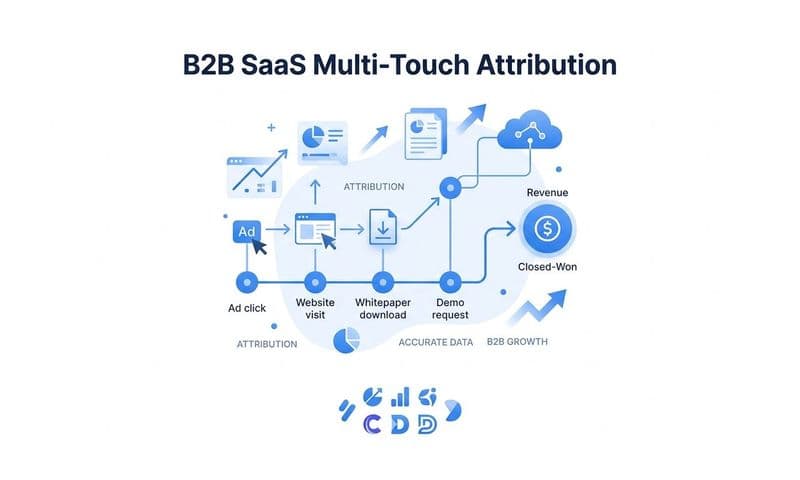
Multi-touch attribution tools solve this puzzle by showing you how different channels work together. Instead of arguing whether Snapchat or Google deserves credit for a conversion, you see that the customer first discovered you through a Snapchat ad, researched via Google search, and finally converted after clicking a retargeting ad. Each channel played a role, and proper attribution acknowledges that reality. Discover how ad tracking tools can help you scale ads using accurate data across all your marketing channels.
The final piece is feeding enriched conversion data back to Snapchat. When you send detailed conversion information through the Conversions API—including customer lifetime value, product categories, and purchase frequency—Snapchat's algorithm uses that data to find more customers like your best ones. This creates a virtuous cycle: better data leads to better targeting, which drives more valuable conversions, which generates even better data for optimization.
Your Tracking Foundation is Ready
With these seven steps complete, your Snapchat ads conversion tracking is ready to capture the data you need to make smarter advertising decisions. You now have the Snap Pixel installed, conversion events configured, server-side tracking enabled, and a verification process in place to catch issues before they corrupt your campaign data.
Run through this quick checklist before you launch your next campaign: Snap Pixel fires correctly on all pages, key conversion events track on your confirmation and thank-you pages, Conversions API sends server-side data with proper deduplication, test events show correctly in Events Manager with accurate parameters, and attribution settings match your actual sales cycle length.
The real power of conversion tracking comes from acting on the data, not just collecting it. Set a weekly routine to review your conversion reports. Identify which campaigns, ad sets, and individual ads drive actual revenue—not just clicks or impressions. Look for patterns in what works: which audiences convert at the highest rates, which creative formats drive the most purchases, which times of day generate the best results. Then reallocate budget accordingly. Move money away from campaigns that generate clicks but no conversions. Scale the campaigns that consistently deliver profitable customer acquisition.
Accurate tracking is the foundation of profitable Snapchat advertising. Without it, you're making budget decisions based on incomplete information and hoping for the best. With proper conversion tracking in place, you know exactly which ads work and can confidently invest more in what drives real business results.
Ready to elevate your marketing game with precision and confidence? Discover how Cometly's AI-driven recommendations can transform your ad strategy—Get your free demo today and start capturing every touchpoint to maximize your conversions.