Running a dropshipping business means advertising across multiple platforms—Meta, Google, TikTok, and more—often simultaneously. But here's the challenge: when a customer clicks your TikTok ad, browses your store, then converts after seeing a Google retargeting ad, which platform gets credit?
Without proper cross-platform tracking, you're essentially flying blind, potentially wasting ad spend on channels that aren't actually driving revenue.
This gets even more complicated in dropshipping. Your customer journey might span several days while they research products, compare prices, and wait for that final nudge to buy. Meanwhile, each ad platform is claiming credit for the same conversion, inflating your reported results while your actual profit margins tell a different story.
Think of it like this: if three different salespeople each claim they closed the same deal, how do you know who actually deserves commission? That's exactly what's happening with your ad platforms right now.
This guide walks you through setting up comprehensive cross-platform tracking for your dropshipping store, from initial setup to optimization. By the end, you'll know exactly which ads and channels are generating real sales—not just clicks—so you can scale what works and cut what doesn't.
Whether you're spending $500 or $50,000 monthly on ads, accurate attribution is the difference between profitable scaling and expensive guesswork. Let's fix your tracking foundation so every dollar you spend can be traced back to actual revenue.
Step 1: Audit Your Current Tracking Setup and Identify Gaps
Before you build a better tracking system, you need to understand what's already in place and where it's failing you. This diagnostic step saves you from building on a broken foundation.
Start with your tracking codes. Log into your dropshipping store and check which pixels and tracking scripts are currently installed. Most stores will have some combination of Meta Pixel, Google Tag, and TikTok Pixel embedded in the header or footer code.
Open your browser's developer tools and look at the network activity when you navigate your site. You should see these tracking scripts firing as you move between pages. If you don't see them, or if they're throwing errors, that's your first gap.
Now compare platform-reported data against reality. Pull your conversion reports from Meta Ads Manager, Google Ads, and any other platforms you're running. Add up all the conversions each platform claims credit for. Then check your actual order count in your store backend.
If the platforms are reporting 100 conversions combined but you only received 60 actual orders, you've got serious attribution overlap. Each platform is taking credit for sales the others also claim they drove. Understanding how to track conversions across platforms is essential for identifying these discrepancies.
Document your current advertising ecosystem. List every platform where you're spending money: Meta, Google Shopping, Google Search, TikTok, Pinterest, whatever you're testing. For each one, note how they're currently tracking conversions and what attribution window they're using.
Meta might be using a 7-day click, 1-day view window. Google might be using last-click attribution. These different methodologies create the overlap problem you're seeing.
Identify dropshipping-specific tracking breaks. These are the unique challenges that make tracking harder for dropshipping businesses compared to traditional e-commerce.
Check if your fulfillment delays are exceeding your attribution windows. If a customer clicks an ad on Monday but you don't process their order until Wednesday because you're waiting on supplier confirmation, some platforms might miss that conversion entirely.
Look at your checkout flow. Are you using third-party checkout pages or payment processors that redirect customers off your domain? Each redirect is a potential point where tracking breaks. When a customer leaves your site to complete payment, browser-based pixels often lose the thread of where that customer came from.
Review any supplier integrations or order management tools. Some dropshipping automation tools insert their own tracking or redirect customers through their systems, which can interfere with your attribution data.
The gap you're looking for is the difference between what platforms report and what actually happened. Write down specific discrepancies: "Meta reports 40 conversions but only 25 actual orders came from Meta traffic based on UTM parameters" or "Google claims $5,000 in attributed revenue but actual revenue from Google traffic was $3,200."
These gaps tell you where your tracking is failing and what you need to fix in the following steps. Most dropshipping stores discover they're losing 30-50% of their attribution data simply because browser-based tracking can't keep up with modern customer journeys.
Step 2: Implement Server-Side Tracking to Capture Every Touchpoint
Browser-based pixels are fundamentally broken for modern dropshipping. iOS privacy restrictions, ad blockers, and third-party redirects mean you're losing massive chunks of data before it ever reaches your ad platforms.
Server-side tracking solves this by sending conversion data directly from your server to ad platforms, bypassing browser limitations entirely. Think of it as the difference between relying on customers to mail you a postcard versus having a direct phone line.
Here's why browser pixels fail for dropshipping specifically. When someone browses on iOS with tracking prevention enabled, your Meta Pixel might not fire at all. When they use an ad blocker, your Google Tag gets blocked. When they complete checkout on a third-party payment page, the tracking code on your main domain can't see what happened. If you're concerned about upcoming changes, preparing for iOS17 link tracking shield should be on your radar.
Related reading: our complete guide to AI ad generator for dropshipping.
For dropshipping stores that route customers through supplier pages, AliExpress checkouts, or payment processors like PayPal, browser pixels often completely lose the conversion event. Your server, however, always knows when an order came through because it processes the transaction.
Setting up server-side tracking starts with your store platform. If you're on Shopify, you'll need to configure webhooks that fire when specific events happen: order creation, order fulfillment, refunds, and cancellations. These webhooks send data from your Shopify store to your tracking infrastructure.
For WooCommerce, you'll implement similar hooks using WordPress actions that trigger when orders are placed. Implementing server-side tracking for WooCommerce ensures you capture conversions that browser pixels miss. The key is capturing the event at the server level, where it can't be blocked or lost.
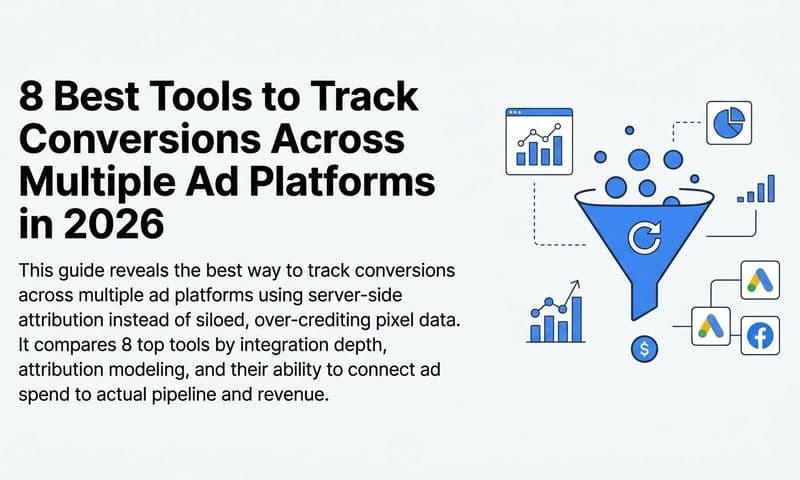
Connect your server-side tracking to ad platforms. Meta offers the Conversions API specifically for this purpose. Instead of relying on the pixel alone, you send conversion data directly from your server to Meta's servers. Google has Enhanced Conversions that works similarly. TikTok provides the Events API for server-side event tracking.
The setup process involves generating API access tokens from each platform, then configuring your tracking system to send properly formatted event data to these APIs. The events you're sending should match what you'd normally track with pixels: page views, add to cart, initiate checkout, and purchase.
Critical implementation detail: match your browser and server events. You want to send the same conversion from both your browser pixel and your server-side tracking. The platforms use deduplication logic to count it only once, but having both signals dramatically improves data quality and attribution accuracy.
Include matching parameters like order ID, timestamp, and customer email (hashed) so platforms can deduplicate correctly. This redundancy ensures that even if one tracking method fails, the other captures the conversion.
Verify your server-side tracking with test purchases. Place orders on different devices: iPhone with tracking prevention enabled, desktop with an ad blocker, Android without restrictions. Check that all test orders appear in your tracking dashboard regardless of device or browser settings.
Use the platform event testing tools to confirm data is flowing. Meta has the Test Events feature in Events Manager. Google has the Tag Assistant. These tools show you in real-time whether your server-side events are being received and processed correctly.
If you see events coming through even when browser pixels are blocked, you've successfully implemented server-side tracking. This foundation ensures you're capturing every conversion, regardless of how customers interact with your store or what privacy settings they're using.
Step 3: Connect All Your Ad Platforms to a Unified Attribution System
Now that you're capturing conversion data reliably, you need to bring it all together in one place. Running reports in five different ad platforms and trying to reconcile them manually is how tracking mistakes happen.
A unified attribution system connects all your ad accounts into a single dashboard. This isn't just about convenience. It's about having one source of truth that can see the complete customer journey across every platform you're advertising on. A unified analytics platform eliminates the guesswork of reconciling data from multiple sources.
Start by integrating your Meta Ads account. You'll need to authenticate and grant access to pull campaign data, ad performance metrics, and conversion events. Most attribution platforms walk you through OAuth authentication where you log into Meta and approve the connection.
Repeat this process for Google Ads, TikTok Ads, and any other platforms where you're spending money. Pinterest, Snapchat, Reddit—connect everything. The goal is complete visibility across your entire advertising ecosystem.
Map your conversion events consistently across platforms. This is where many dropshipping stores create their own confusion. If you call the same event "Purchase" on Meta, "Conversion" on Google, and "CompletePayment" on TikTok, your attribution system can't unify them.
Standardize your event naming. Use "Purchase" everywhere for completed transactions. Use "AddToCart" consistently instead of mixing "Add to Cart" and "AddedToCart." Use "InitiateCheckout" across all platforms when someone starts the checkout process.
This standardization allows your attribution system to recognize that these are the same events happening across different platforms, which is essential for accurate cross-platform analytics.
Implement consistent UTM parameter standards. UTM parameters are those tags at the end of URLs that tell you where traffic came from: utm_source, utm_medium, utm_campaign, utm_content, utm_term.
Create a naming convention and stick to it religiously. For example: utm_source could be "facebook", "google", "tiktok" (always lowercase). utm_medium could be "cpc", "social", "display". utm_campaign should clearly identify the campaign in a consistent format like "2026-02-spring-sale" or "product-launch-tshirts".
Apply these UTM parameters to every ad you run on every platform. When someone clicks your ad and lands on your store, these parameters travel with them and get recorded when they convert. This creates a clean data trail showing exactly which ad drove each sale.
Configure attribution windows that match your customer behavior. This is particularly important for dropshipping because your products often have longer consideration periods than impulse purchases.
If you're selling phone accessories, customers might buy within a day or two. If you're selling furniture or expensive electronics, they might research for a week or more before purchasing. Your attribution window should be long enough to capture this behavior.
Set your attribution window to 14 or even 30 days for dropshipping products with higher price points. This ensures that when someone clicks your ad on Monday, researches competitors, then comes back and buys on Friday, your system still connects that purchase back to the original ad.
Your unified system should now be pulling data from all platforms, recognizing the same events across different sources, and tracking the complete customer journey from first click to final purchase. This is the foundation for actually understanding which channels drive revenue.
Step 4: Link Your Payment Processor and Order Management System
Ad platforms report conversions, but your payment processor reports actual money in your bank account. These numbers need to match, and often they don't until you connect them properly.
Connect your payment gateway to your attribution system. If you're using Stripe, PayPal, or another processor, integrate it so your tracking system can see actual transaction amounts, successful payments, and failed transactions.
This integration reveals the gap between reported conversions and actual revenue. An ad platform might report a conversion when someone reaches your thank-you page, but if their payment failed or they used a stolen credit card that later got charged back, that's not real revenue. Proper marketing attribution platforms revenue tracking connects these data points for accurate reporting.
By connecting your payment processor, you're tracking money that actually hit your account, not just conversion events that fired on your website. For dropshipping where margins are often tight, this distinction matters enormously.
Integrate your order management system to account for the full lifecycle. Dropshipping has unique post-purchase events that affect your true profitability: refunds when products don't arrive, chargebacks from dissatisfied customers, cancellations when suppliers are out of stock.
If you're using a tool like Oberlo, DSers, or a custom order management system, connect it to your attribution platform. This allows you to track not just the initial purchase, but what happened afterward.
When a customer requests a refund two weeks after purchase, that should adjust the attributed revenue for whatever ad drove that customer. Otherwise, you're optimizing toward ads that drive high-refund customers, which tanks your actual profitability even while your reported ROAS looks great.
Set up tracking for repeat purchases and customer lifetime value. One of the biggest mistakes in dropshipping attribution is only tracking the first purchase. If a customer buys from you multiple times, you want to know which original ad brought them in.
Configure your system to track customer IDs or email addresses across multiple purchases. When someone who originally came from a TikTok ad makes their third purchase six months later, your attribution should still show that TikTok was the acquisition channel. A robust customer database platform makes this level of tracking possible.
This reveals which channels bring you one-time buyers versus loyal repeat customers. A channel might have a higher upfront cost per acquisition but bring customers who buy repeatedly, making it more valuable than cheaper channels that bring one-and-done buyers.
Verify revenue data matches reality. Pull a revenue report from your attribution system for last month. Now pull your actual bank deposits and payment processor statements for the same period. These numbers should match within a small margin.
If your attribution system says you made $50,000 but your bank account shows $43,000, investigate the discrepancy. It's probably refunds, chargebacks, or payment processing fees that aren't being accounted for in your attribution data.
Adjust your tracking to account for these real costs. Your attributed revenue should reflect actual money you can spend, not gross transaction amounts before refunds and fees. This gives you accurate ROAS calculations that match your real profitability.
Step 5: Configure Multi-Touch Attribution Models for Accurate Credit Assignment
Here's where cross-platform tracking gets powerful. Instead of letting each platform claim 100% credit for every sale, you're about to see which touchpoints actually influenced the purchase.
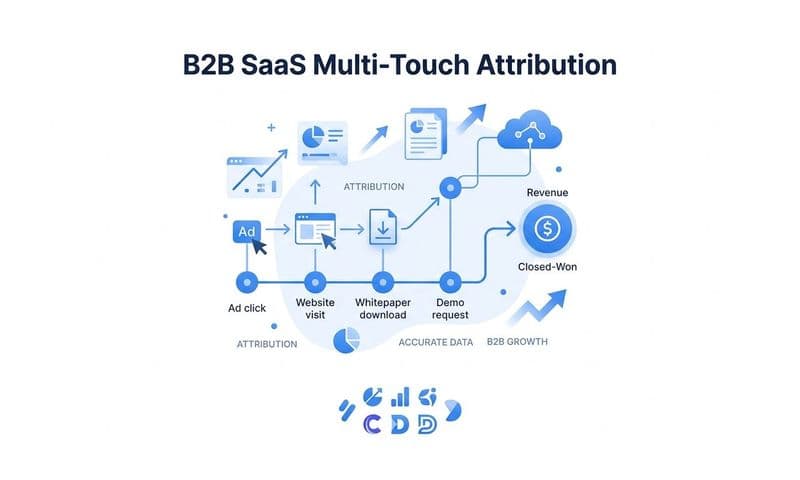
Understanding attribution models is essential. First-click attribution gives all credit to whatever ad the customer clicked first. Last-click gives all credit to the final ad before purchase. Linear attribution splits credit equally across all touchpoints. Time-decay gives more credit to touchpoints closer to the purchase.
For dropshipping, last-click attribution is usually misleading because it ignores all the awareness and consideration touchpoints that happened before the final conversion. A customer might discover your product through a TikTok ad, research it after seeing a Google Display ad, then finally buy after a Meta retargeting ad. Last-click gives Meta all the credit, making you think TikTok and Google aren't working.
Linear attribution often works well for dropshipping. It acknowledges that multiple touchpoints contributed to the sale. If someone interacted with three ads before buying, each ad gets 33% credit for that purchase.
This model reflects the reality of modern customer journeys. People rarely buy immediately after seeing one ad. They see your product multiple times across different platforms, building familiarity and trust before finally converting. Our multi-touch marketing attribution platform complete guide explains these models in greater detail.
Configure your attribution system to use linear or time-decay models. Time-decay is a middle ground that gives more weight to touchpoints closer to purchase while still acknowledging earlier awareness touchpoints contributed value.
Compare platform-reported conversions against your unified attribution data. This is where you'll see the truth about platform overlap and inflated metrics.
Run a report showing conversions by platform using each platform's native reporting. Meta might claim 100 conversions, Google might claim 80, TikTok might claim 60. That's 240 total conversions.
Now run the same report in your unified attribution system using multi-touch attribution. You'll probably see something like 150 actual unique conversions, with credit distributed across platforms based on which touchpoints each customer actually interacted with.
The gap between 240 and 150 is the overlap you've been blind to. Multiple platforms were claiming credit for the same sales, making each channel look more effective than it actually was.
Identify which touchpoints actually influence purchases. Your attribution system should show you the most common customer journey paths. You might discover that most customers who buy see a TikTok ad first, then a Google Shopping ad, then a Meta retargeting ad before purchasing.
This insight changes how you allocate budget. Maybe TikTok is your best awareness channel even though it doesn't get many last-click conversions. Maybe Google Shopping is your best consideration channel. Maybe Meta retargeting is your closer. Understanding cross-platform attribution helps you see these patterns clearly.
Understanding these roles allows you to optimize each channel for its actual function in the customer journey rather than judging everything by last-click conversions. You might increase TikTok spend for awareness even if its direct attributed conversions are low, because you can see it's starting journeys that convert later through other channels.
Step 6: Set Up Conversion Sync to Optimize Ad Platform Algorithms
Accurate attribution benefits you, but feeding better data back to ad platforms benefits their algorithms too. This creates a virtuous cycle where better tracking leads to better ad delivery, which leads to better results.
Conversion sync sends your accurate conversion data back to Meta, Google, and TikTok. Instead of these platforms relying on their own potentially incomplete pixel data, they receive your server-side verified conversions with full context about which ads drove real revenue.
This improves their machine learning optimization. When Meta's algorithm knows which ads drove actual purchases versus which ones just drove clicks that didn't convert, it can find more people similar to your real buyers. Learning ad platform algorithm optimization techniques helps you maximize this feedback loop.
Configure conversion sync through the same APIs you set up for server-side tracking. Meta Conversions API, Google Enhanced Conversions, and TikTok Events API all support sending conversion data back to the platforms for optimization purposes.
Event match quality determines how well platforms can use your data. This metric shows how much information you're providing with each conversion event. Higher match quality means better optimization.
Include as many matching parameters as possible: email address (hashed), phone number (hashed), first name, last name, city, state, zip code, and external ID. The more data points you provide, the better platforms can match conversions to specific users and optimize delivery.
Check your event match quality scores in each platform. Meta shows this in Events Manager. Google shows it in your conversion tracking settings. Aim for match quality above 7.0 out of 10, which indicates strong data quality.
Set up value-based optimization using actual purchase amounts. Instead of just telling platforms "a conversion happened," tell them "a $47 conversion happened" or "a $230 conversion happened."
This allows platforms to optimize for conversion value, not just conversion volume. If you're dropshipping products at different price points, value-based optimization helps algorithms find customers likely to buy your higher-margin items rather than just maximizing cheap conversions.
Configure your conversion events to pass the actual order total as the conversion value. When someone buys $150 worth of products, the conversion event sent to ad platforms should include value: 150. This trains algorithms to find more high-value customers.
Monitor how improved data quality affects your cost per acquisition over time. After implementing conversion sync with high match quality and value optimization, track your CPA trends over the following 2-3 weeks.
You should see ad platforms become more efficient as their algorithms learn from better data. Your cost per purchase might decrease as platforms get better at finding people likely to buy. Your return on ad spend should improve as algorithms optimize toward actual revenue instead of low-quality conversions.
This isn't immediate. Machine learning needs time to incorporate new data and adjust delivery. Give it at least two weeks before evaluating the impact, but many dropshipping stores see measurable improvement in ad efficiency once platforms are working with accurate conversion data instead of incomplete pixel information.
Step 7: Build Your Cross-Platform Reporting Dashboard and Optimization Workflow
All this tracking infrastructure is useless if you're not looking at the data regularly and making decisions based on it. Your final step is creating a reporting system that surfaces insights you can actually act on.
Create a unified view showing true ROAS across all platforms. Your dashboard should display one number that represents your blended return on ad spend across every channel you're advertising on.
This is calculated as total attributed revenue divided by total ad spend across all platforms. If you spent $10,000 across Meta, Google, and TikTok combined, and your attribution system shows those ads drove $35,000 in revenue, your blended ROAS is 3.5x.
This single metric tells you whether your overall advertising strategy is profitable, regardless of how individual platforms are performing. It's the north star number that determines whether you should be scaling spend or pulling back. Using the best ecommerce tracking app for boosting ROAS makes this visibility possible.
Break this down by platform to see which channels are contributing most to your blended ROAS. You might discover that Meta has a 4x ROAS, Google has a 3x ROAS, and TikTok has a 2.5x ROAS. This tells you where to prioritize budget increases.
Set up automated alerts for underperforming campaigns or tracking issues. Configure your attribution system to notify you when specific conditions occur: ROAS drops below your target threshold, conversion tracking stops firing, spend exceeds your daily budget, or cost per acquisition spikes above acceptable levels.
These alerts catch problems before they waste significant budget. If your tracking breaks and you don't notice for three days, you might spend thousands of dollars with no visibility into what's working. Automated alerts flag issues immediately.
Set thresholds based on your historical performance. If your average ROAS is 3.5x, set an alert to trigger when it drops below 2.5x for any platform. If your average CPA is $25, alert when it exceeds $35. These guardrails protect your profitability.
Establish a weekly optimization routine using cross-platform insights. Schedule a specific time each week to review your attribution data and make budget decisions. This consistent routine prevents you from making reactive changes based on daily fluctuations.
Your weekly review should include: checking blended ROAS across all platforms, identifying top-performing campaigns worth scaling, spotting underperforming campaigns to pause or adjust, analyzing customer journey paths to understand what's working, and comparing attributed revenue against actual bank deposits to verify data accuracy.
Document the changes you make and their rationale. When you increase Meta budget by 20% because attribution shows it's your most efficient channel, write that down. This creates a history of decisions you can learn from.
Use AI-powered recommendations to identify scaling opportunities across channels. Modern attribution platforms can analyze your cross-platform data and surface insights you might miss manually.
AI can identify patterns like "customers who see a TikTok ad followed by a Google ad convert 3x more often than those who only see one channel" or "your 25-34 age group has 2x higher LTV than other segments across all platforms."
These insights guide strategic decisions about audience targeting, creative testing, and budget allocation. Instead of optimizing each platform in isolation, you're making decisions based on how all your channels work together to drive revenue.
Your dashboard becomes your command center for the entire dropshipping operation. Every budget decision, every campaign launch, every optimization is informed by accurate cross-platform data showing what actually drives sales.
Putting It All Together
Cross-platform tracking transforms how you run your dropshipping business—moving from platform-reported vanity metrics to actual revenue attribution. You're no longer guessing which ads work or trusting inflated platform numbers that count the same sale multiple times.
Let's recap your implementation checklist: audit your existing tracking setup to identify where data is being lost, implement server-side tracking to capture conversions regardless of browser limitations, connect all your ad platforms to a unified attribution system, link your payment processor and order management system to track actual revenue, configure multi-touch attribution models that reflect real customer journeys, set up conversion sync to feed better data back to ad platforms, and build your reporting dashboard with automated alerts and optimization workflows.
The investment in proper tracking setup pays dividends every time you make a budget decision based on accurate data rather than guesswork. When you know that TikTok drives awareness that converts later through Google, you stop judging TikTok solely on last-click conversions. When you see that certain campaigns bring repeat buyers while others bring one-time purchasers, you optimize for customer lifetime value instead of just first purchase.
This level of visibility is what separates profitable dropshipping businesses from those that scale into losses. You're no longer flying blind, hoping your ad spend is working. You know exactly which ads drive revenue, which channels work together, and where to invest your next dollar for maximum return.
The difference between running ads with accurate attribution versus without it is like the difference between driving with a GPS versus driving blindfolded. Both might eventually get you somewhere, but one is dramatically more efficient and less likely to crash.
Ready to elevate your marketing game with precision and confidence? Discover how Cometly's AI-driven recommendations can transform your ad strategy—Get your free demo today and start capturing every touchpoint to maximize your conversions.