You're running ads across Google, Meta, and LinkedIn. The dashboards show clicks, impressions, and form fills. Everything looks good—until your sales team closes a $50K deal over the phone, and you have no idea which campaign drove that call. Or a customer walks into your store after seeing your ads for weeks, makes a purchase, and your analytics show nothing. Your ad platforms optimize for clicks and website conversions while the revenue-generating actions happen somewhere else entirely.
This is the reality for most marketers today. The customer journey doesn't end at a form submission or website visit. It extends into phone calls with sales reps, in-store purchases, signed contracts, and scheduled consultations. Yet traditional digital tracking stops at the browser, leaving a massive blind spot in your attribution data.
Offline tracking bridges this gap. It's the process of connecting real-world conversions back to the digital touchpoints that influenced them, giving you a complete view of how your marketing actually drives revenue. When you can see which ads led to that phone call, which campaign brought customers into your store, or which keyword ultimately resulted in a closed deal, you stop guessing and start scaling what works.
The Hidden Revenue Gap in Your Marketing Data
Offline tracking is the systematic process of connecting non-digital conversions—phone calls, in-store visits, offline purchases, signed contracts, scheduled appointments—back to the specific digital ads, keywords, and campaigns that influenced them. It's about closing the loop between what happens on your website and what happens in the real world.
For many businesses, the most valuable conversions never touch a "thank you" page. A B2B software company might generate leads through content downloads, but the actual $100K annual contracts get signed after multiple sales calls and demos. An automotive dealer's website might capture form submissions, but the $40K vehicle purchase happens at the dealership. A healthcare provider might get appointment requests online, but the patient relationship and lifetime value develop through in-person visits.
Without offline tracking, you're optimizing for the wrong outcomes. Your ad platforms see form fills and clicks, so they optimize for more form fills and clicks. Meanwhile, your actual revenue comes from conversions that happen offline—conversions your ad platforms never learn about. This creates a fundamental misalignment between what you're optimizing for and what actually drives business results.
The data blind spot gets worse with high-ticket purchases and long sales cycles. When someone clicks your ad in January, calls your sales team in February, and signs a contract in March, traditional analytics loses the thread. You end up attributing success to whatever touchpoint happened right before the conversion, missing the digital campaigns that started the journey months earlier.
This gap isn't just a reporting problem. It's a strategic disadvantage. Competitors who connect their offline conversions to digital campaigns can feed better data back to ad platforms, improving targeting algorithms and bidding strategies. They know which campaigns drive actual revenue, not just website activity. They can confidently scale spend on channels that deliver real business outcomes while you're still guessing based on incomplete data.
How Offline Tracking Actually Works
The technical foundation of offline tracking relies on persistent identifiers that follow users from initial ad click through to final conversion. When someone clicks your Google ad, Google assigns a unique click ID (gclid) to that interaction. Meta does the same with fbclid. These identifiers act as digital breadcrumbs, allowing you to trace conversions back to their source even when those conversions happen offline.
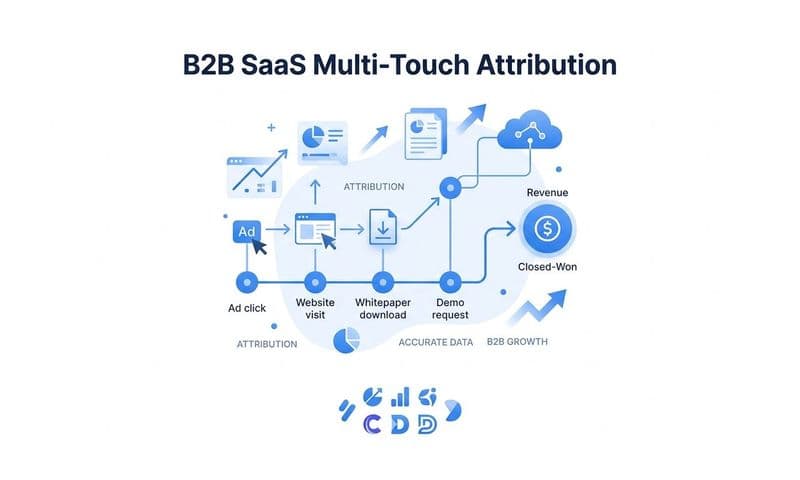
Here's how the data flow works in practice: A user clicks your ad and lands on your website. The click ID from the ad platform gets captured and stored—typically in a cookie, but increasingly through server-side methods that are more reliable. When that user fills out a form or calls your business, your system captures their information along with the stored click ID. This data flows into your CRM, where it sits alongside the lead record.
Weeks or months later, that lead converts offline. Your sales rep closes the deal, the customer makes an in-store purchase, or the signed contract comes through. Your CRM records this conversion event. Because the click ID was captured earlier and stored with the lead record, you can now connect this offline conversion back to the original ad click.
The final step is syncing this data back to your ad platforms. Through conversion APIs and offline conversion import tools, you send conversion events—complete with their associated click IDs—back to Google, Meta, and other platforms. The ad platforms match these conversions to the original clicks and update their algorithms accordingly.
This feedback loop serves two critical purposes. First, it gives you accurate marketing attribution tracking data in your reporting. You can finally see which campaigns, ad sets, and keywords are driving offline conversions and real revenue. Second, it improves the ad platforms' machine learning models. When Google and Meta learn which clicks led to valuable offline conversions, they can optimize targeting and bidding to find more customers like those.
The key connection points in this system include your CRM integration, which maintains the link between click IDs and customer records. Call tracking software plays a crucial role for phone conversions, using dynamic number insertion to assign unique phone numbers to different campaigns and capture which ad drove each call. POS systems and in-store tracking tools connect physical purchases back to digital exposure.
Server-side tracking has become increasingly important in this ecosystem. Browser-based tracking faces limitations from iOS privacy changes, cookie restrictions, and ad blockers. By processing tracking data server-side—on your own servers rather than in the user's browser—you maintain more reliable attribution across the entire customer journey. Understanding why server-side tracking is more accurate helps explain why this approach captures click IDs, stores them securely, and ensures they persist through your conversion funnel even when browser-based methods fail.
Five Types of Offline Conversions You Can Track
Phone Calls: For many businesses, phone calls represent the highest-intent conversions. Someone willing to pick up the phone and talk to your sales team is often further along the buying journey than someone who just filled out a form. Call tracking software makes these conversions measurable by assigning unique phone numbers to different campaigns, ad groups, or even individual keywords.
Dynamic number insertion takes this further by showing different phone numbers to different visitors based on how they arrived at your site. When someone calls, the system captures which number they dialed, matches it to the campaign that drove them there, and records the conversation details. You can see which Google Ads keyword generated a 10-minute sales call versus which Meta campaign drove a quick question. Some advanced call tracking platforms even use AI to analyze call recordings, identifying which calls resulted in booked appointments or qualified opportunities. For a deeper dive into this topic, explore marketing attribution for phone calls to understand the full capabilities.
In-Store Purchases: Retailers with physical locations face a unique attribution challenge. A customer might see your ads for weeks, research products online, then walk into your store and make a purchase. Without proper tracking, that conversion appears to have no digital source. Several methods can bridge this gap.
Loyalty programs and email captures at checkout provide the connection point. When a customer provides their email address in-store, you can match it against your CRM records to identify their previous digital interactions. Mobile check-in systems and location tracking (with proper consent) can detect when users who clicked your ads later visit your physical location. Some retailers use unique coupon codes in their digital ads that customers present in-store, creating a direct attribution link.
CRM Events: The most valuable conversions in B2B marketing often happen deep in the sales funnel. A lead becomes an opportunity. An opportunity moves to demo scheduled. A demo converts to proposal sent. A proposal becomes a closed-won deal. Each of these stages represents a meaningful conversion that should be tracked back to its originating campaigns.
Modern CRM platforms can push these events back to your ad platforms as conversion actions. You're not just tracking the initial form fill—you're tracking the entire progression through your sales pipeline. This allows you to see which campaigns generate leads that actually close, not just leads that fill out forms. Implementing proper lead generation attribution tracking reveals insights like discovering that one campaign generates 100 leads but only 2 closed deals, while another generates 20 leads but 5 closed deals. The second campaign is clearly more valuable, but you'd never know without tracking CRM events.
Offline Form Submissions and Events: Trade shows, conferences, in-person consultations, and paper applications represent another category of offline conversions worth tracking. When someone attends your trade show booth after seeing your ads, that's a conversion. When a potential client schedules an in-person consultation, that's a conversion. When someone fills out a paper application at your office, that's a conversion.
The key is capturing digital identifiers at these offline touchpoints. QR codes at trade show booths can link physical interactions back to digital campaigns. Intake forms for consultations can ask how the person heard about you, with options that map to specific campaign sources. Event registration systems can track which email campaigns or ads drove attendance. The goal is always the same: maintain the thread between digital exposure and offline action.
Setting Up Offline Tracking: A Practical Roadmap
Step 1: Audit Your Conversion Points
Start by mapping every point where conversions happen in your business. Don't just list the obvious ones like form submissions and phone calls. Dig deeper. When does a lead become an opportunity in your CRM? What triggers a demo request? How do in-store purchases get recorded? Which offline events represent real business value?
For each conversion point, ask: Does this action indicate buying intent? Does it correlate with revenue? Can we technically track it? Should we be optimizing our ads to drive more of this action? Not every conversion point needs to be tracked, but you need to identify which ones matter most to your business outcomes. A B2B company might prioritize tracking closed deals and qualified opportunities. A retailer might focus on in-store purchases and high-value transactions. A service business might track booked appointments and signed contracts.
Step 2: Implement Proper Tracking Infrastructure
With your priority conversions identified, you need infrastructure to capture and maintain attribution data throughout the customer journey. This means ensuring click IDs from ad platforms get captured when users land on your site. It means storing these identifiers in your CRM alongside lead records. It means maintaining data integrity as leads move through your sales process.
Server-side tracking provides the most reliable foundation. Rather than depending on browser cookies that can be blocked or deleted, server-side tracking processes data on your own servers. Following a comprehensive server-side tracking implementation guide ensures that when a user clicks an ad, your server captures the click ID and stores it securely. When that user converts—whether online or offline—your server has the attribution data needed to connect the conversion back to its source.
Your CRM integration is equally critical. Every lead record should include fields for storing click IDs and campaign source data. When your sales team updates a lead's status or closes a deal, that conversion event should trigger an automated process that sends the data back to your ad platforms. This requires proper CRM configuration and potentially custom fields or workflows depending on your CRM platform.
Step 3: Configure Conversion Sync
The final piece is setting up conversion sync to feed offline data back to your ad platforms. Google Ads offers offline conversion import, allowing you to upload conversion data via CSV files or API. Meta has the Conversions API for sending server-side conversion events. LinkedIn, Microsoft Advertising, and other platforms have similar tools.
The key is matching your offline conversions to the original clicks. Each conversion you upload needs to include the click ID or another identifier that allows the ad platform to attribute it correctly. You'll also need to configure conversion values, allowing platforms to see not just that a conversion happened, but how much revenue it generated. This value data is crucial for optimizing toward profitable outcomes rather than just conversion volume.
Test your setup with a small sample of conversions before scaling. Verify that conversions are being attributed correctly and showing up in your ad platform reports. Monitor for data quality issues like duplicate conversions, mismatched identifiers, or delayed uploads that fall outside attribution windows.
Common Pitfalls That Break Offline Attribution
Data Silos: The biggest attribution killer is disconnected systems. Your ad platforms capture click data. Your website captures form submissions. Your CRM manages leads. Your POS system records sales. Your call tracking software logs phone conversions. When these systems don't communicate, attribution falls apart.
Each handoff point is an opportunity for data to get lost. A lead comes in through your website but the click ID doesn't make it into your CRM. A phone call gets logged but isn't connected to the original ad source. A closed deal gets recorded in your CRM but never syncs back to your ad platforms. Breaking down these silos requires intentional integration work and often a central attribution platform that connects all your data sources.
Delayed Conversions: Long sales cycles create attribution challenges because most ad platforms have limited attribution windows. If your average sales cycle is 90 days but your attribution window is only 30 days, you'll miss most of your conversions. The click ID might expire. The conversion might fall outside the tracking window. The data connection gets severed.
Addressing this requires extended attribution windows where platforms support them, and server-side tracking that maintains identifiers for longer periods. You also need to think strategically about which conversion events to optimize for. Instead of only tracking closed deals that happen months later, consider tracking earlier funnel events like qualified opportunities or demo requests that occur within your attribution window but still indicate buying intent.
Privacy and Compliance: Offline tracking involves collecting, storing, and processing customer data across multiple systems. This creates privacy obligations under GDPR, CCPA, and other regulations. You need proper consent mechanisms, clear privacy policies, and data handling practices that comply with applicable laws.
The challenge is maintaining attribution accuracy while respecting user privacy. Some customers will opt out of tracking. Some browsers will block tracking mechanisms. Some data will be incomplete or anonymized for privacy reasons. Exploring first-party data tracking methods helps your attribution system handle these scenarios gracefully without breaking entirely. This often means accepting that you won't have perfect attribution for every conversion, but focusing on capturing enough data to make informed decisions about campaign performance.
Turning Offline Data Into Smarter Ad Spend
Feeding offline conversion data back to ad platforms fundamentally changes how their algorithms work. Machine learning models in Google Ads and Meta Ads optimize based on the conversion data they receive. When they only see form fills and website conversions, they optimize for more form fills and website conversions. When they see which clicks led to closed deals and actual revenue, they optimize for outcomes that actually matter to your business.
This feedback loop improves targeting precision. Ad platforms learn the characteristics of users who convert offline. They identify patterns in demographics, interests, behaviors, and contexts that correlate with valuable conversions. Over time, the algorithms get better at finding similar high-value prospects and showing them your ads.
Bidding strategies become more effective when informed by offline conversion data. Automated bidding tools like Target ROAS and Maximize Conversion Value need accurate conversion value data to work properly. When you feed them offline revenue data, they can optimize bids based on actual business outcomes rather than proxy metrics. You might discover that certain keywords drive lower-volume traffic but higher-value conversions, justifying higher bids than volume-based metrics would suggest.
Beyond platform optimization, offline attribution insights transform how you allocate budget across channels and campaigns. You can identify which campaigns consistently drive high-value offline conversions and scale spend accordingly. You can spot campaigns that generate lots of website activity but few actual sales and reduce their budgets. Using the right software for tracking marketing attribution lets you test new channels with confidence, knowing you'll be able to measure their true impact on revenue.
The strategic advantage compounds over time. As your attribution data gets richer and your feedback loops get faster, you develop insights competitors can't match. You know which audience segments convert offline at the highest rates. You understand which messaging drives in-store visits versus phone calls. You can predict which leads are most likely to close based on their digital behavior patterns. This knowledge becomes a competitive moat that's difficult to replicate.
Building effective feedback loops requires discipline. Set up regular reporting that connects ad spend to offline revenue. Review attribution data weekly or monthly to identify trends and opportunities. Test hypotheses about what drives offline conversions and measure the results. Create processes where insights from offline data inform campaign strategy, creative decisions, and budget allocation. The goal is continuous improvement driven by complete attribution data rather than guesswork based on partial information.
Closing the Loop on Marketing Attribution
Offline tracking transforms marketing from educated guessing into revenue science. When you can see the complete customer journey—from first ad impression to final purchase or signed contract—you make fundamentally better decisions about where to invest your budget and how to optimize your campaigns.
The marketers who connect their full customer journey gain a significant competitive advantage. They're not flying blind, hoping their ads work. They're not optimizing for vanity metrics that don't correlate with revenue. They're making data-driven decisions based on what actually drives business outcomes. They're feeding better data back to ad platform algorithms, creating a compounding advantage as their targeting and bidding improve over time.
The gap between digital tracking and offline conversions represents one of the biggest opportunities in modern marketing. Most businesses still haven't closed this loop. They're leaving attribution data on the table, optimizing for incomplete metrics, and missing the insights that would transform their campaign performance. As privacy changes make browser-based tracking less reliable, the businesses that implement robust server-side and offline tracking will pull even further ahead.
Start by evaluating your current tracking gaps. Where do your most valuable conversions happen? Which of those conversions are you currently tracking back to their digital sources? What infrastructure would you need to close those gaps? The answers to these questions define your roadmap for implementing offline tracking that actually moves your business forward.
Ready to elevate your marketing game with precision and confidence? Discover how Cometly's AI-driven recommendations can transform your ad strategy—Get your free demo today and start capturing every touchpoint to maximize your conversions.