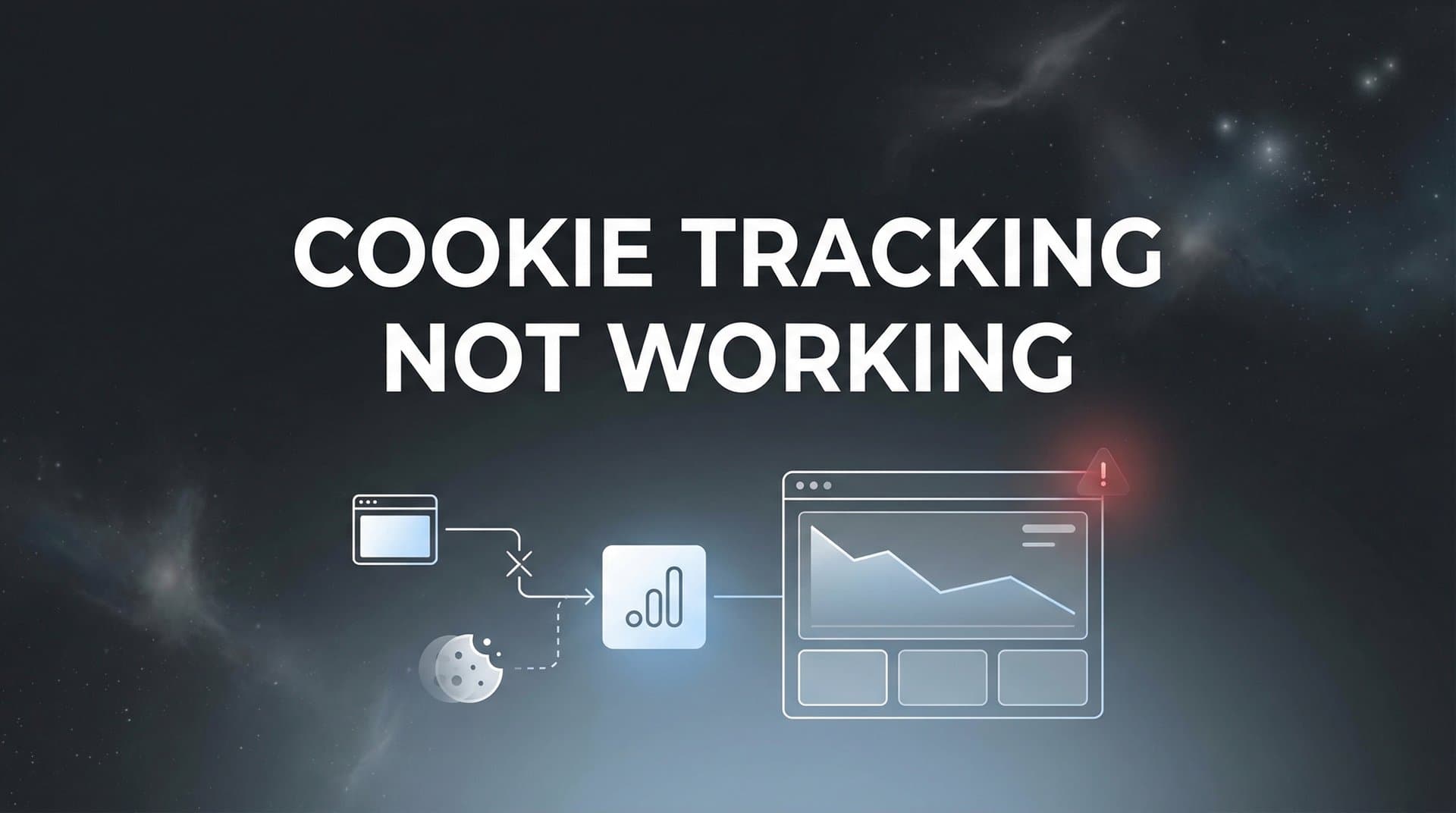
You've set up your tracking pixels, launched your campaigns, and expected clean attribution data—but something's off. Conversions aren't matching, attribution gaps are growing, and your ad platform data looks incomplete. The culprit? Cookie tracking failures.
Whether it's browser privacy updates blocking third-party cookies, iOS restrictions limiting data collection, or misconfigured consent management, broken cookie tracking silently erodes your marketing data quality every day. For digital marketers running paid campaigns across multiple platforms, this isn't just an inconvenience—it's a revenue problem.
When you can't accurately track which ads drive conversions, you're essentially flying blind with your ad spend. You might be scaling campaigns that barely break even while pausing winners. You might be attributing conversions to the wrong channels, distorting your entire budget allocation strategy.
This guide walks you through exactly how to diagnose and fix cookie tracking issues, from quick browser-level checks to implementing server-side tracking solutions that bypass cookie limitations entirely. By the end, you'll have a clear action plan to restore accurate attribution and make confident, data-driven decisions about your campaigns.
Step 1: Diagnose the Scope of Your Cookie Tracking Problem
Before you fix anything, you need to understand exactly what's broken. Cookie tracking issues rarely affect everything uniformly—they show up as patterns of missing data across specific browsers, devices, or user segments.
Start by opening your browser's developer tools (F12 in Chrome, or right-click and select "Inspect"). Navigate to the Application or Storage tab and look at the Cookies section. Load your website and watch which cookies get set. Are your tracking cookies appearing? Are they being blocked or deleted immediately after creation?
Pay special attention to whether first-party cookies (set by your own domain) or third-party cookies (set by external platforms like Facebook or Google) are affected. If third-party cookies aren't appearing at all, you're dealing with browser-level blocking. If they appear but disappear quickly, you're likely hitting cookie lifetime restrictions.
Next, compare conversion data across your entire marketing stack. Pull reports from your ad platforms, Google Analytics, and your CRM. Do the numbers align? If Facebook Ads shows 100 conversions but your CRM only recorded 60, you've got a tracking gap. Document these discrepancies—they reveal where data is being lost.
Run tests across different browsers and devices. Create test conversions on Chrome, Safari, Firefox, and mobile browsers. Use both iOS and Android devices. Safari on iOS is often the worst performer due to Intelligent Tracking Prevention, so if tracking works everywhere except Safari, you've isolated the problem. Understanding cross-device user tracking challenges helps you identify where attribution breaks down.
Create a simple spreadsheet documenting your findings: which browsers work, which don't, what percentage of conversions are missing, and whether the issue affects specific traffic sources more than others. This diagnostic data becomes your roadmap for the fixes ahead.
The key insight here is specificity. "Cookie tracking doesn't work" is too vague to fix. "Third-party cookies are blocked in Safari, causing a 40% attribution gap for iOS users" is actionable.
Step 2: Verify Your Consent Management and Cookie Settings
One of the most common causes of broken cookie tracking isn't browser restrictions at all—it's your own consent management platform accidentally blocking everything before users even have a chance to accept cookies.
Open your website in an incognito window and watch what happens when the cookie banner appears. Before you click anything, check your browser's developer tools. Are tracking scripts trying to fire? Are they being blocked? Many consent management platforms default to blocking all cookies until explicit consent is given, which is legally correct but can cause tracking gaps if not configured properly.
The problem gets worse if your consent banner blocks tracking scripts but users close the banner without accepting or rejecting cookies. In this ambiguous state, some platforms continue blocking tracking indefinitely, creating a permanent blind spot in your data.
Audit your consent management platform settings carefully. Verify that essential first-party analytics cookies can fire before consent (this is typically allowed under privacy regulations for necessary site functionality). Confirm that marketing and advertising cookies only fire after explicit user consent. Check that your platform correctly handles consent withdrawal—if a user later revokes consent, tracking should stop immediately.
Cookie expiration settings matter more than most marketers realize. If you're running campaigns with longer sales cycles—say, B2B software with 30-60 day consideration periods—but your cookies expire after 7 days, you'll lose attribution for any conversion that happens after that window. Review your cookie lifespan settings and extend them appropriately for your business model, keeping in mind that browser restrictions may override your settings anyway.
Script loading order is another silent killer of cookie tracking. If your consent management script loads after your tracking pixels, those pixels might fire before consent is even checked. If your analytics script loads before your tag manager, events might fire in the wrong sequence. When tracking pixels aren't firing correctly, script loading order is often the culprit.
Test the entire consent flow from a user's perspective. Accept cookies and verify tracking works. Reject cookies and confirm tracking stops. Close the banner without choosing and check what happens. This unglamorous testing catches most consent-related tracking failures.
Step 3: Address Browser and Platform-Specific Blocking
Even with perfect consent management, modern browsers actively work against traditional cookie tracking. Understanding these restrictions helps you work around them rather than fighting a losing battle.
Safari's Intelligent Tracking Prevention is the most aggressive. ITP limits first-party cookies set via JavaScript to just 7 days of lifespan. If a user visits your site, clicks your ad, but doesn't convert for 10 days, Safari deletes the cookie and you lose attribution. For cookies set in a cross-site context (like tracking pixels from ad platforms), the lifespan drops to 24 hours. This isn't a bug—it's Apple's intentional design to limit cross-site tracking.
The practical impact is brutal for attribution. Any customer journey longer than a week becomes invisible in Safari. If you're running upper-funnel awareness campaigns where conversions happen weeks later, Safari users will appear to convert "directly" even though your ads drove the initial interest.
Chrome's third-party cookie phase-out has been delayed multiple times, but the direction is clear: third-party cookies are being deprecated. Chrome has been testing Privacy Sandbox alternatives, but as of now, third-party tracking is still functional in Chrome while being increasingly restricted in other browsers. Don't assume Chrome will maintain the status quo—prepare for a cookieless future now.
Firefox blocks third-party cookies by default through Enhanced Tracking Protection. Like Safari, Firefox assumes third-party cookies are primarily used for unwanted tracking and blocks them aggressively. Users can adjust these settings, but most never do.
Ad blockers and privacy extensions add another layer of complexity. Tools like uBlock Origin, Privacy Badger, and Ghostery strip tracking parameters from URLs, block known tracking domains, and prevent pixels from loading entirely. When your pixel tracking has stopped working, ad blockers are frequently responsible.
iOS 14 and later versions introduced App Tracking Transparency, requiring apps to ask permission before tracking users across other apps and websites. Many users decline, creating a massive blind spot for mobile app attribution tracking. If you're running app install campaigns or tracking in-app conversions, ATT has likely reduced your visible conversion rate significantly, even though actual conversions may not have declined.
The solution isn't to fight these restrictions—you'll lose. Instead, adapt your tracking strategy to work within these constraints, which is exactly what the next steps address.
Step 4: Implement First-Party Data Collection Strategies
Since third-party cookies are increasingly blocked and first-party cookies face lifetime restrictions, your tracking strategy needs to prioritize first-party data collection methods that browsers treat more favorably.
First-party cookies—those set by your own domain rather than external tracking platforms—receive better treatment from browsers. While Safari still limits their JavaScript-set lifespan to 7 days, cookies set server-side via HTTP headers can persist longer. Migrate your critical tracking to first-party cookies whenever possible. Understanding what first-party data tracking entails is essential for modern marketers.
Subdomain tracking is essential for maintaining cookie persistence across your properties. If you have separate domains for your main site, blog, and checkout process, cookies set on one domain won't transfer to the others by default. Configure your analytics platform to use a common parent domain for cookie setting, so a cookie set on "blog.yourdomain.com" remains accessible on "shop.yourdomain.com." This prevents user sessions from breaking as visitors move through your funnel.
URL parameters and UTM tagging become even more critical when cookies fail. Even if a cookie gets deleted, URL parameters travel with the user through their journey. Implement consistent UTM tagging across all campaigns: source, medium, campaign, content, and term. If your UTM parameters aren't working properly, you lose this critical backup attribution method.
Many marketers stop at the click level, but the real power comes from capturing these parameters at every meaningful interaction. When someone fills out a lead form, store the UTM parameters with that lead record. When they later convert to a customer, you can trace back to the original traffic source even if cookies have long since expired.
Configure your analytics platform to stitch user sessions using first-party identifiers beyond cookies. When a user logs in, associate their authenticated user ID with their anonymous session data. This creates a persistent identity that survives cookie deletion. Even if Safari deletes cookies after 7 days, you can reconnect the user's pre-login and post-login behavior through their account ID.
Consider implementing a customer data platform (CDP) that centralizes first-party data from all touchpoints. CDPs create unified customer profiles that combine website behavior, CRM data, email interactions, and purchase history—all tied to first-party identifiers that don't depend on third-party cookies. This gives you a complete view of the customer journey regardless of cookie limitations.
The shift to first-party data isn't just a workaround for cookie restrictions—it's a fundamental improvement in data quality. First-party data is more accurate, more complete, and entirely under your control.
Step 5: Deploy Server-Side Tracking for Reliable Data Collection
Server-side tracking represents the most reliable solution to cookie tracking failures because it fundamentally changes where and how data is collected. Instead of relying on browser-based cookies that can be blocked, deleted, or restricted, server-side tracking collects data on your server and sends it directly to analytics and advertising platforms.
Here's why this matters: when tracking happens client-side (in the user's browser), it's vulnerable to ad blockers, browser restrictions, and user privacy settings. When tracking happens server-side (on your server), none of those restrictions apply. The data collection happens in an environment you control, then gets transmitted server-to-server to your analytics platforms. Our comprehensive comparison of Google Analytics vs server-side tracking explains these differences in detail.
Setting up server-side tracking starts with implementing a server-side tag manager. Google Tag Manager offers server-side tagging through Google Cloud Platform. You set up a server container that receives data from your website, processes it, and forwards it to your marketing platforms. This creates a buffer between user browsers and tracking platforms, allowing you to enrich data, filter out bot traffic, and ensure consistent event transmission regardless of client-side issues.
The technical implementation requires your website to send events to your server instead of directly to platforms like Facebook or Google. Your server then forwards these events via server-side APIs. This might sound like an extra step, but it dramatically improves data reliability. Even if a user's browser blocks the Facebook pixel, your server can still send conversion data to Facebook via their Conversion API.
Connecting CRM events to your tracking system closes attribution gaps that cookies can never solve. When a lead converts to a customer weeks or months after their initial interaction, cookies have long since expired. But if your CRM sends conversion events to your tracking system via server-side integration, you can connect that conversion back to the original traffic source using email address or user ID matching.
Conversion APIs from major ad platforms are specifically designed for this server-side approach. Meta's Conversion API (CAPI) allows you to send conversion events directly from your server to Facebook, bypassing browser-based pixel limitations entirely. For detailed guidance on Meta attribution, explore our Facebook attribution tracking guide. Google's offline conversion tracking does the same for Google Ads. These APIs accept enriched data—like customer lifetime value, email addresses, and phone numbers—that improves ad platform optimization far beyond what browser pixels can provide.
The data quality improvement is substantial. Server-side tracking captures events that browser-based tracking misses: conversions from users with ad blockers, iOS users who declined tracking, Safari users whose cookies expired, and any scenario where client-side tracking fails. For many advertisers, implementing server-side tracking reveals 20-40% more conversions than browser pixels alone.
Server-side tracking also enables better data privacy compliance. Since you control the data flow, you can hash personally identifiable information before sending it to ad platforms, filter out data for users who've opted out, and ensure compliance with regulations like GDPR and CCPA. This privacy-first approach actually improves tracking reliability while respecting user preferences.
The implementation effort is significant but worthwhile. Start with your highest-value conversion events—purchases, qualified leads, demo requests—and ensure those flow through server-side tracking. Then expand to lower-funnel events like add-to-cart and form starts. You'll build a tracking infrastructure that remains reliable regardless of how browsers evolve their privacy restrictions.
Step 6: Test and Validate Your Tracking Fixes
Implementing fixes means nothing if you don't verify they actually work. Rigorous testing catches configuration errors before they silently corrupt your data for weeks.
Start with platform-specific testing tools designed for this exact purpose. Facebook's Events Manager includes a Test Events feature that shows events firing in real-time as you interact with your site. Open Events Manager, navigate to Test Events, enter your website URL, and watch events appear as you trigger conversions. You'll see exactly which parameters are being captured, whether events are coming from browser pixels or Conversion API, and any errors in event formatting.
Google Tag Assistant serves the same function for Google platforms. Install the Chrome extension, activate it, and navigate through your conversion funnel. Tag Assistant highlights which tags fire on each page, shows any errors or warnings, and verifies that events are being sent correctly to Google Analytics and Google Ads. Pay special attention to whether enhanced conversions are working—these use first-party data to improve attribution accuracy.
Create deliberate test conversions across different browsers and devices. Use Chrome on desktop, Safari on iPhone, Firefox with ad blockers enabled, and any other combination that represents your actual traffic. For each test, verify that the conversion appears in your analytics platform, your ad platforms, and your CRM. Following best practices for tracking conversions accurately ensures you catch discrepancies early.
Compare your pre-fix and post-fix attribution data to measure improvement. Pull conversion reports for the week before implementing your fixes and the week after. You should see several indicators of improvement: higher total conversion counts (as previously invisible conversions get captured), better match rates between platforms (as tracking becomes more consistent), and reduced "direct" traffic conversions (as proper attribution reveals the actual source).
Set up ongoing monitoring so you catch future issues immediately rather than discovering them weeks later. Most analytics platforms support automated alerts. Configure alerts for: sudden drops in conversion volume, significant increases in "direct" traffic, major discrepancies between platform reports, and tracking script errors. When an alert fires, investigate immediately—tracking issues compound quickly.
Create a simple dashboard that monitors tracking health metrics daily. Track: total conversions across all platforms, percentage of conversions with known source attribution, match rate between ad platform conversions and CRM conversions, and percentage of traffic with active tracking cookies. When these metrics stay stable, your tracking is healthy. When they fluctuate significantly, something broke and needs attention.
Regular testing should become part of your routine, not a one-time project. Set a recurring calendar reminder to run test conversions monthly. Browser updates, platform changes, and site modifications can all break tracking unexpectedly. Catching issues early through regular testing prevents data quality from degrading silently.
Maintaining Reliable Attribution in a Cookieless Future
Fixing cookie tracking issues isn't a one-time task—it's an ongoing process as browsers evolve and privacy regulations tighten. The fixes you've implemented today create a foundation, but staying ahead requires continuous adaptation.
Start by diagnosing your specific problem through systematic testing across browsers and platforms. Work through consent settings to ensure your cookie banner isn't accidentally blocking essential tracking. Address browser-specific restrictions by understanding how Safari, Chrome, and Firefox each handle cookies differently. Implement first-party data strategies that reduce dependence on third-party cookies while building a more complete customer data foundation.
For the most reliable long-term solution, implement server-side tracking that captures every touchpoint regardless of cookie limitations. Exploring cookieless tracking solutions for marketers prepares you for the inevitable transition away from traditional cookie-based methods.
Quick checklist to verify you've covered the essentials:
✓ Diagnosed tracking gaps across browsers and platforms to understand the scope of your problem
✓ Verified consent management isn't blocking essential tracking before users interact with your banner
✓ Addressed Safari ITP and iOS restrictions that limit cookie lifespan and cross-site tracking
✓ Implemented first-party cookie strategies and UTM parameter capture for backup attribution
✓ Deployed server-side tracking for critical conversion events that bypasses browser limitations
✓ Set up ongoing monitoring for tracking health so you catch issues before they corrupt weeks of data
The reality is that traditional cookie-based tracking will only become less reliable over time. Browsers will continue tightening restrictions. Privacy regulations will expand. User awareness of tracking will grow. The marketers who thrive in this environment are those who've already moved beyond cookie-dependent attribution.
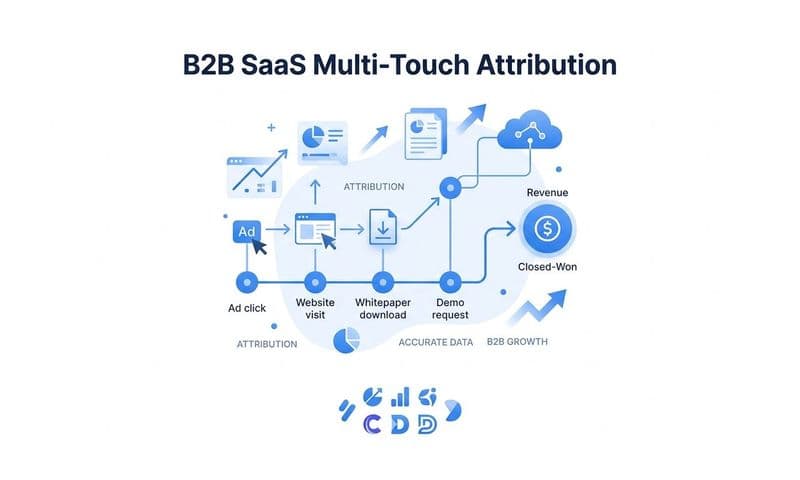
When you're ready to move beyond cookie-dependent tracking entirely, platforms like Cometly offer server-side tracking and multi-touch attribution that captures the complete customer journey—from ad click to CRM conversion—giving you the accurate data you need to scale campaigns with confidence. Cometly connects your ad platforms, CRM, and website to track every touchpoint in real time, using server-side data collection that isn't vulnerable to browser restrictions or cookie deletion.
The platform's AI analyzes your complete attribution data to identify high-performing ads and campaigns across every channel, then provides specific recommendations for optimization. You'll know exactly which sources drive revenue, not just clicks. And with conversion sync feeding enriched data back to Meta, Google, and other ad platforms, their algorithms get better signals for targeting and optimization—improving your ROI even as cookie tracking becomes less reliable.
Ready to elevate your marketing game with precision and confidence? Discover how Cometly's AI-driven recommendations can transform your ad strategy—Get your free demo today and start capturing every touchpoint to maximize your conversions.