Running ads across Meta, Google, TikTok, LinkedIn, and half a dozen other channels sounds like a growth strategy. But without the right attribution in place, it quickly becomes an expensive guessing game. Each platform claims credit for the same conversions, your budget decisions are based on inflated numbers, and the channels actually driving revenue stay hidden in the noise.
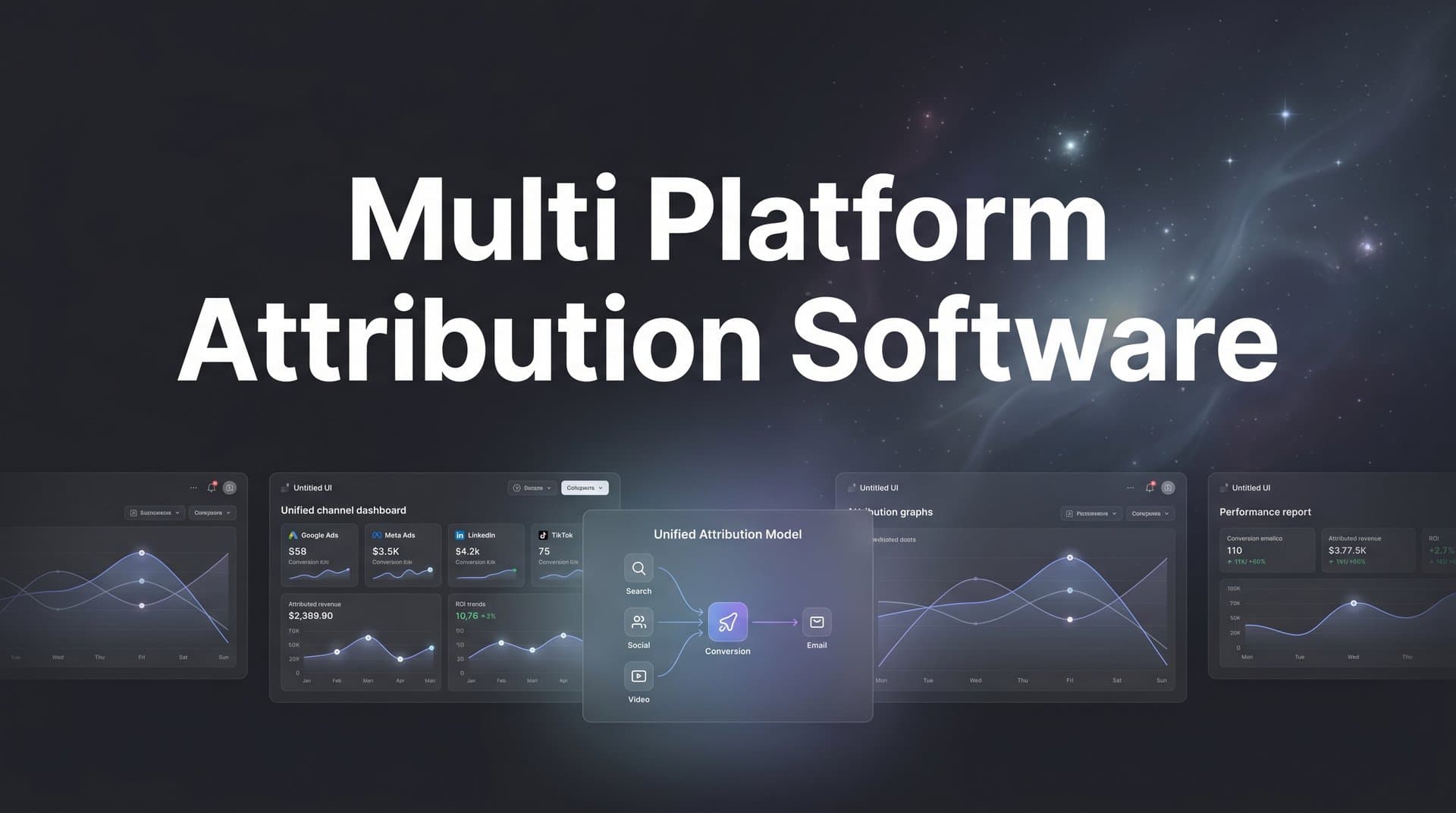
That's exactly the problem multi platform attribution software is built to solve. These tools unify your marketing data across every channel, track real customer journeys, and give you a single source of truth for what's actually working. As third-party cookies continue to disappear and iOS privacy changes limit traditional pixel tracking, the need for accurate, first-party attribution has never been more urgent.
When evaluating these tools, the key criteria come down to tracking accuracy, integration depth, attribution model flexibility, ease of setup, and pricing transparency. Whether you're running multi-touch attribution across paid channels or trying to connect ad spend to closed revenue, the right tool depends on your business model and stack. If you're still relying on native platform reporting, it's worth understanding how marketing attribution works before diving in.
Here are the top multi platform attribution software tools worth considering in 2026.
1. Cometly
Best for: Marketers and agencies who need AI-powered, cross-platform attribution with server-side accuracy.
Cometly is an AI-powered marketing attribution platform that connects your ad platforms, CRM, and website to track the full customer journey in real time.
 9 Best Multi Platform Attribution Software Tools in 2026
Where This Tool Shines
Cometly stands out because it goes beyond just reporting on what happened. It actively helps you act on that data. The AI layer surfaces optimization recommendations, identifies high-performing ads across channels, and helps you scale what's working with confidence rather than guesswork.
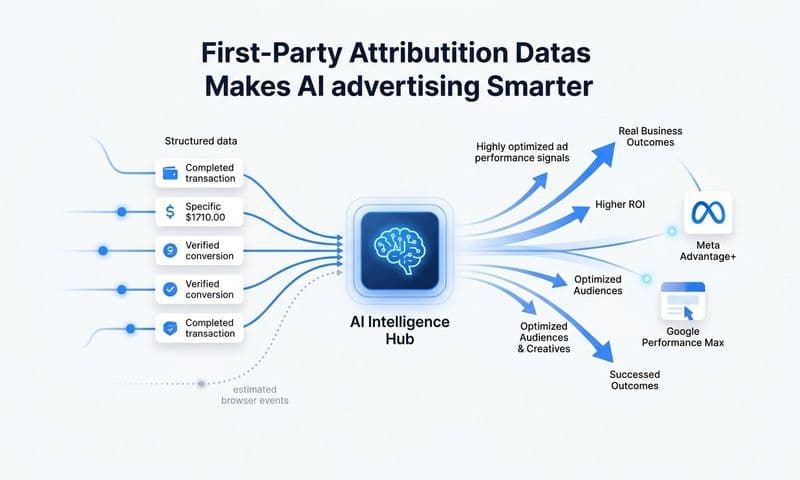
The server-side tracking architecture is a core differentiator. Because it collects data outside the browser, it sidesteps the limitations that come with iOS privacy restrictions and ad blockers, giving you a more complete and accurate picture of your conversions. The conversion sync feature then feeds that enriched data back to Meta, Google, and other ad platforms, improving their algorithms' targeting and optimization in return.
Key Features
AI-Powered Attribution with Optimization Recommendations: Automatically identifies which ads and campaigns are driving real revenue, then surfaces actionable recommendations to help you scale or cut spend intelligently.
Server-Side Tracking: Collects conversion data at the server level for accuracy that goes beyond what browser-based pixels can capture, especially in a post-iOS 14 environment.
Conversion Sync: Sends enriched, conversion-ready event data back to Meta, Google, and other ad platforms to improve targeting and algorithm performance.
Multi-Touch Attribution with Model Comparison: Supports flexible attribution models so you can analyze customer journeys from multiple angles and choose the model that best fits your business.
AI Chat for Data Analysis: Ask questions about your marketing data in plain language and get instant, actionable answers without needing to dig through dashboards manually.
Best For
Cometly is a strong fit for digital marketers, growth teams, and agencies managing paid campaigns across multiple platforms who need accurate attribution data and AI-driven guidance to optimize ad spend. It works well for both direct-to-consumer brands and B2B teams running lead generation campaigns.
Pricing
Custom pricing based on ad spend volume. A free demo is available to explore the platform before committing.
2. Triple Whale
Best for: E-commerce brands on Shopify that want unified analytics, creative performance data, and real-time profit visibility.
Triple Whale is a unified analytics and attribution platform built specifically for e-commerce brands, with deep Shopify integration at its core.
 7 Best Funnel.io Alternatives for Marketing Data Analytics in 2026
Where This Tool Shines
Triple Whale has earned a strong reputation in the DTC e-commerce space by combining attribution with actual business financials. The real-time profit and loss dashboard connects ad spend directly to margins, shipping costs, and revenue, so you're not just seeing clicks and conversions but actual profitability.
The creative analytics component is particularly useful for teams running a high volume of ad creatives. It helps you understand which specific images, videos, and copy combinations are performing, not just which campaigns.
Key Features
Shopify-Native Integration: Deep, real-time connection to Shopify order data for profit and loss visibility at the campaign level.
Creative Analytics: Measures ad creative performance across platforms to identify which visuals and messaging drive the most conversions.
First-Party Pixel: Proprietary pixel for cross-platform tracking that operates independently of native platform pixels.
Customer Journey Mapping: Ties touchpoints to actual orders so you can see the full path a customer took before purchasing.
Best For
Shopify-based e-commerce brands, particularly DTC companies, that want a single dashboard combining attribution, creative performance, and profit metrics. Less suited for B2B, SaaS, or businesses not on Shopify.
Pricing
Plans start around $100 per month and scale with revenue. Pricing tiers vary based on the features and data volume required.
3. Northbeam
Best for: Mid-market and enterprise e-commerce brands that need machine learning-driven attribution with highly customizable models.
Northbeam is a machine learning-powered attribution platform designed to help e-commerce and DTC brands cut through inflated platform reporting and understand true marketing performance.
 9 Best Tools to Fix Inconsistent Marketing Data Across Platforms in 2026
Where This Tool Shines
Northbeam's ML-based approach means it doesn't rely on simple rule-based attribution. Instead, it builds probabilistic models that account for the complexity of real customer journeys, including cross-device behavior and long consideration windows.
The ability to combine multi-touch attribution with media mix modeling in a single platform is a meaningful advantage for brands that want both granular channel-level insight and a higher-level view of how their overall media mix is performing.
Key Features
ML-Based Multi-Touch Attribution: Uses machine learning models to assign credit across touchpoints rather than relying on fixed rules.
Customizable Lookback Windows: Adjust attribution logic and lookback periods to match your actual sales cycle length.
Media Mix Modeling: Adds a macro-level view of channel contribution alongside granular MTA data.
Cross-Device Identity Resolution: Connects user behavior across devices for a more complete picture of the customer journey.
Best For
Mid-market and enterprise e-commerce brands with significant ad budgets that need sophisticated, customizable attribution models. The platform is better suited for teams with dedicated analytics resources.
Pricing
Custom pricing. Typically positioned for mid-market brands and above, so expect pricing to reflect that tier.
4. Rockerbox
Best for: Brands running both digital and offline marketing who need a unified attribution view across all channels.
Rockerbox is an omnichannel attribution platform that brings together digital and offline marketing channels into a single, deduplicated reporting view.
 9 Best Cross Platform Tracking Solutions for Marketers in 2026
Where This Tool Shines
Most attribution tools stop at digital. Rockerbox goes further by incorporating offline channels like TV, direct mail, and podcasts into the same attribution framework. For brands that run a mix of performance and brand marketing, this is a significant capability gap that Rockerbox fills well.
The deduplication engine is worth calling out specifically. Rather than letting every channel claim credit independently, Rockerbox applies consistent logic to eliminate overlap, giving you a cleaner and more honest view of channel contribution.
Key Features
Offline and Digital Attribution: Tracks TV, direct mail, podcasts, and digital channels in a single unified view.
Deduplicated Cross-Channel Reporting: Removes overlapping conversion credit across channels for more accurate reporting.
Marketing Mix Modeling: Complements MTA with a higher-level view of how your overall media investment is performing.
Audience Segmentation and Journey Analysis: Breaks down performance by audience segment and maps the paths customers take to conversion.
Best For
Brands and agencies managing omnichannel campaigns that span both digital and traditional media. Particularly useful for companies investing in TV, radio, or direct mail alongside paid digital channels.
Pricing
Custom pricing based on channels tracked and data volume. Best to contact Rockerbox directly for a quote.
5. Hyros
Best for: High-ticket businesses, coaches, and course creators with long sales cycles and call-based funnels.
Hyros is an attribution platform built specifically for businesses with extended sales cycles, high-ticket offers, and funnels that involve phone calls as a conversion step.
 7 Best Northbeam Alternatives for Small Business in 2026
Where This Tool Shines
Most attribution tools are optimized for e-commerce purchases or short-cycle lead gen. Hyros takes a different approach by focusing on the longer, more complex journeys common in coaching, consulting, and high-ticket online education. The call tracking integration is a key part of this, tying inbound and outbound calls back to the specific ad sources that generated them.
The AI-driven optimization recommendations within Hyros are designed around this high-ticket context, helping users identify which ad campaigns are generating calls and booked appointments that actually close, not just leads that go cold.
Key Features
Long-Window Attribution: Tracks customer journeys over extended periods to match the reality of high-ticket sales cycles.
Call Tracking Integration: Connects inbound and outbound calls back to the ad sources and campaigns that drove them.
AI-Driven Ad Optimization: Surfaces recommendations based on which campaigns are generating revenue, not just leads.
Funnel Builder Integrations: Deep integrations with platforms commonly used in high-ticket funnels and online course businesses.
Best For
Coaches, consultants, course creators, and high-ticket service businesses that rely on phone calls or long sales cycles. Less suited for standard e-commerce or short-cycle lead generation.
Pricing
Plans start around $99 per month and scale based on ad spend volume.
6. Ruler Analytics
Best for: Lead generation businesses that need to connect marketing touchpoints to closed revenue through CRM integration.
Ruler Analytics is a revenue attribution platform built for B2B and lead-gen businesses that want to trace closed deals back to the marketing channels and campaigns that started the conversation.
 8 Best Attribution Tools with Onboarding Support in 2026
Where This Tool Shines
The core strength of Ruler Analytics is its closed-loop approach. It tracks a visitor's first touch, follows them through form fills and calls, and then syncs revenue data from your CRM back to the marketing source when a deal closes. This gives marketers a view of which channels are generating actual revenue, not just leads.
The combination of call tracking and form tracking in a single platform is particularly useful for businesses where both phone and web conversions matter. Both are tied back to the originating ad or campaign, giving a complete picture of what's driving pipeline.
Key Features
Closed-Loop Revenue Attribution: Connects marketing touchpoints to CRM deal data so you can see which campaigns generate closed revenue.
Call and Form Tracking: Tracks both phone call and web form conversions and ties them back to their marketing source.
CRM Integration: Syncs with Salesforce, HubSpot, and other major CRMs to pull in deal and revenue data.
Multi-Touch Attribution Models: Supports multiple attribution models suited to longer lead-gen sales cycles.
Best For
B2B companies, agencies, and lead generation businesses that need to connect marketing spend to pipeline and closed revenue rather than just form submissions or ad clicks.
Pricing
Plans start around $200 per month, with pricing scaling based on the features and data volume required.
7. AppsFlyer
Best for: Mobile-first businesses and app developers that need precise attribution across app installs, in-app events, and mobile ad channels.
AppsFlyer is one of the most widely used mobile attribution platforms, built to track app installs, in-app events, and cross-channel mobile marketing performance at scale.
 9 Best Multi Platform Attribution Software Tools in 2026
Where This Tool Shines
AppsFlyer has built its reputation on the depth and reliability of its mobile measurement capabilities. For businesses where the app is the product, it provides a level of attribution specificity that general web-based tools simply can't match. This includes support for deep linking, deferred deep linking, and the technical frameworks required for privacy-compliant measurement on iOS and Android.
The fraud prevention engine is another standout capability. Mobile ad fraud is a real and costly problem, and AppsFlyer's detection layer helps identify and filter fraudulent installs before they skew your data and waste your budget.
Key Features
Mobile App Install and In-App Event Attribution: Tracks the full mobile funnel from install through in-app purchases and engagement events.
Deep Linking and Deferred Deep Linking: Routes users to specific in-app content seamlessly, even before the app is installed.
Fraud Prevention Engine: Detects and blocks fraudulent installs and events to protect data integrity.
SKAdNetwork and Privacy Sandbox Support: Built for the privacy frameworks Apple and Google have put in place for mobile measurement.
Best For
Mobile app businesses, gaming companies, fintech apps, and any brand where the mobile app is a primary conversion or revenue channel. Less relevant for businesses without a mobile app component.
Pricing
A free tier is available with limited conversions. Paid plans are priced based on the volume of conversions tracked.
8. Dreamdata
Best for: B2B SaaS and enterprise companies that need account-based attribution across long, multi-stakeholder buying cycles.
Dreamdata is a B2B revenue attribution platform that maps the full buying journey across multiple stakeholders, long sales cycles, and complex go-to-market motions.
Where This Tool Shines
B2B attribution is fundamentally different from e-commerce attribution. Deals involve multiple people, multiple touchpoints over months, and a mix of marketing and sales interactions. Dreamdata is built around this reality, offering account-based attribution that aggregates individual touchpoints across the buying committee rather than treating each contact in isolation.
The integration with CRMs like Salesforce and HubSpot, combined with marketing automation platforms, allows Dreamdata to create a timeline of every interaction an account had with your business before becoming a customer. That level of visibility is difficult to achieve with tools built for simpler conversion paths.
Key Features
Account-Based Attribution: Aggregates touchpoints across all stakeholders in a buying committee for a true account-level view of the customer journey.
CRM and Marketing Automation Integration: Connects with Salesforce, HubSpot, and other platforms to pull in pipeline and revenue data.
Content and Channel Performance Tied to Pipeline: Shows which content pieces and marketing channels contribute to pipeline progression and closed revenue.
Customer Journey Timeline: Visualizes the full sequence of interactions across multiple stakeholders from first touch to closed deal.
Best For
B2B SaaS companies, enterprise software vendors, and any business with long sales cycles and multiple decision-makers involved in the buying process. Not designed for e-commerce or short-cycle consumer businesses.
Pricing
A free tier is available for small teams. Paid plans start around $999 per month, reflecting the enterprise focus of the platform.
9. Wicked Reports
Best for: Subscription and recurring revenue businesses that need to connect ad spend to long-term customer lifetime value.
Wicked Reports is an attribution platform focused on lifetime value tracking, designed for businesses where the real return on an ad isn't visible in the first purchase but accumulates over months or years.
Where This Tool Shines
Most attribution tools optimize for the conversion event. Wicked Reports takes a longer view, connecting the original ad click to everything that customer does afterward, including repeat purchases, subscription renewals, and upsells. For subscription businesses, this changes the entire framing of what a "good" campaign looks like.
The first-click attribution model is particularly valuable here. When you're trying to understand which channels are bringing in your highest-value customers over time, knowing where those customers first discovered you often matters more than which ad they saw right before purchasing.
Key Features
Lifetime Value Attribution: Connects original ad spend to long-term customer revenue, including repeat purchases and subscription renewals.
Recurring Revenue and Subscription Tracking: Built to track the ongoing value of customers acquired through paid channels over time.
First-Click and Multi-Touch Attribution Models: Supports both first-click and multi-touch models to analyze acquisition and nurture channel performance.
CRM and Email Platform Integrations: Connects with major CRMs and email marketing platforms to tie the full customer lifecycle back to ad sources.
Best For
Subscription businesses, membership sites, and e-commerce brands with strong repeat purchase rates that want to evaluate ad performance based on customer lifetime value rather than first-purchase revenue alone.
Pricing
Plans start around $250 per month, with pricing scaling based on data volume and features required.
Finding the Right Fit for Your Marketing Stack
The best multi platform attribution software isn't the one with the most features. It's the one that fits how your business actually acquires and retains customers.
If you're running paid campaigns across multiple channels and need a single source of truth that combines AI-powered insights with server-side accuracy, Cometly is worth exploring first. Its ability to not only report on attribution but actively recommend optimizations and feed better data back to ad platforms makes it a strong choice for growth-focused marketers and agencies.
For e-commerce brands on Shopify, Triple Whale or Northbeam offer deep product integrations and creative-level visibility. If your business runs omnichannel campaigns that include TV or direct mail, Rockerbox fills a gap that most digital-only tools can't. B2B teams with long sales cycles will find more value in Dreamdata or Ruler Analytics, while mobile-first businesses should look closely at AppsFlyer.
Here's a quick selection guide based on business type:
Multi-channel paid media teams and agencies: Cometly
Shopify e-commerce brands: Triple Whale or Northbeam
Omnichannel brands with offline media: Rockerbox
High-ticket funnels with call-based sales: Hyros
B2B lead generation: Ruler Analytics
B2B SaaS and enterprise: Dreamdata
Mobile app businesses: AppsFlyer
Subscription and recurring revenue: Wicked Reports
Whichever tool you choose, the shift away from relying on native platform reporting is one of the highest-leverage moves you can make as a marketer in 2026. The platforms have their own incentives. You need your own data.
Ready to see what's actually driving your revenue across every channel? Get your free demo of Cometly and start capturing every touchpoint with the accuracy and AI intelligence your ad strategy deserves.