You're running ads across Meta, Google, and TikTok. Your campaigns are generating clicks and conversions—or at least, they should be. But here's the problem: you can't see the full picture anymore. iOS privacy updates have created blind spots in your tracking. Third-party cookies are disappearing. And your ad platforms? They're making optimization decisions with incomplete data.
This is the reality for digital marketers in 2026. The tracking methods that powered performance marketing for the past decade are fundamentally broken. But there's a solution that forward-thinking marketers have already adopted: first-party data collection.
First-party data isn't just a workaround for privacy restrictions—it's a strategic advantage. When you collect data directly from your customers through channels you own, you gain accurate insights into what's actually driving revenue. You can feed better signals back to ad platforms, improving their ability to find your best customers. And you can finally answer the question that keeps every marketer up at night: which ads are actually worth the money?
This guide will explain exactly what first-party data collection is, why it's become essential for maintaining accurate attribution, and how to build a collection strategy that improves your marketing performance. Let's start with the fundamentals.
The Basics: Understanding First-Party Data and Why It Differs From Other Data Types
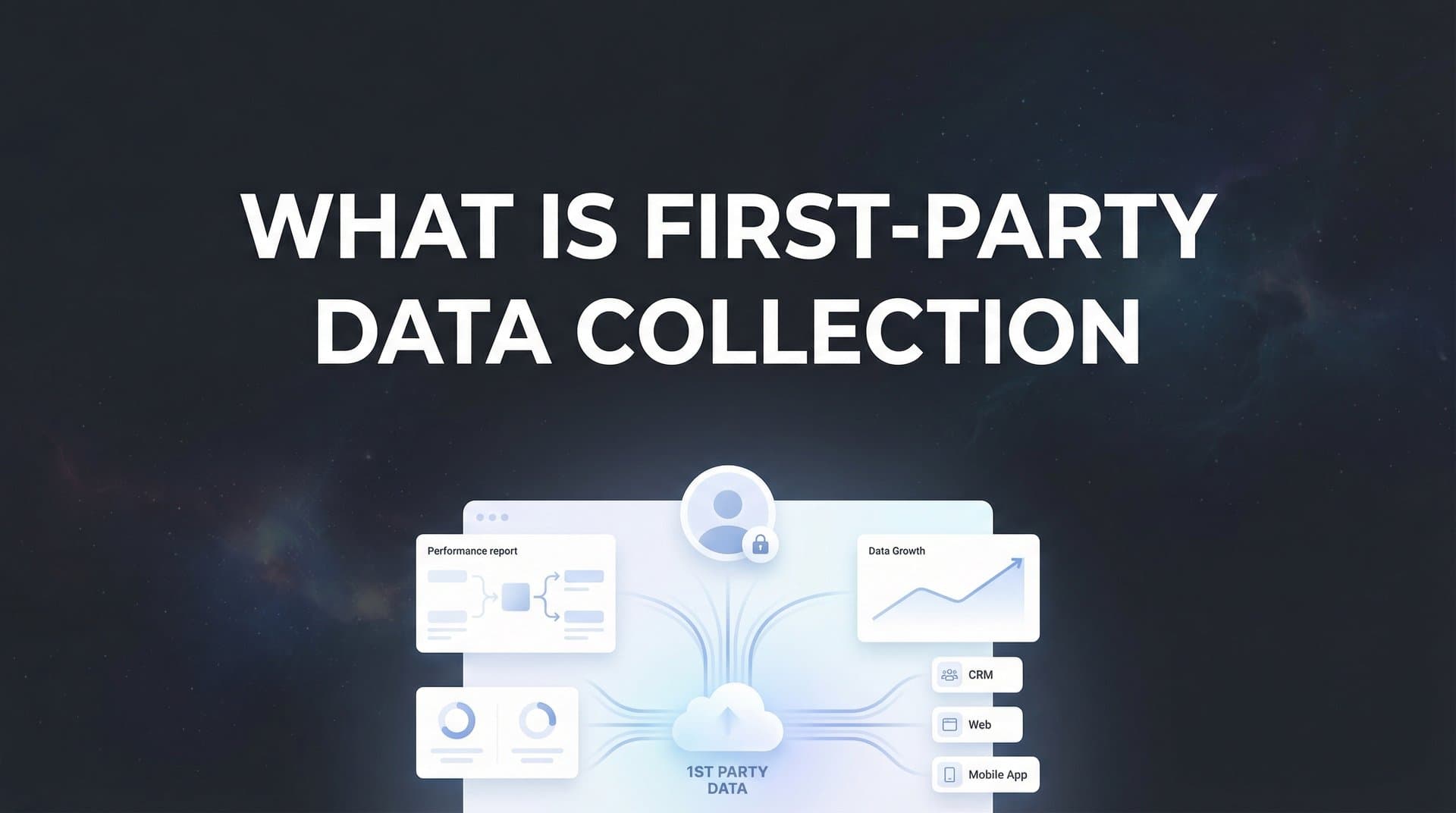
First-party data is information you collect directly from your audience through channels you own and control. This includes data from your website, mobile app, CRM system, email interactions, and purchase transactions—all gathered with the user's consent, either explicit or implicit through their engagement with your properties.
Think of it like this: when someone visits your website, fills out a form, makes a purchase, or opens your email, they're voluntarily sharing information with you. That's first-party data. You have a direct relationship with that person, and they've chosen to interact with your brand.
Second-party data is essentially someone else's first-party data that they share with you through a partnership. For example, if a complementary brand shares their customer list with you for a co-marketing campaign, that's second-party data. It's still collected directly from users, but by another company that has agreed to share it with you.
Third-party data is aggregated from various sources across the web, often without any direct relationship between the data subject and the company using it. Data brokers collect browsing behavior, demographics, and interests from multiple websites and sell this information to advertisers. This is the type of data that third-party cookies enabled—and what privacy regulations are now restricting.
The critical difference comes down to accuracy, reliability, and compliance. First-party data is inherently more accurate because it comes directly from the source: your customers interacting with your brand. There's no intermediary to introduce errors or outdated information. When someone makes a purchase on your site, you know exactly what they bought, when they bought it, and how much they spent.
From a privacy standpoint, first-party data collection aligns with modern regulations because users have a clear relationship with your brand and understand why you're collecting their information. GDPR, CCPA, and similar laws focus heavily on consent and transparency—both of which are built into first-party data relationships. When someone creates an account on your site or subscribes to your newsletter, they're consciously choosing to share their information with you.
Third-party data, by contrast, often lacks this direct consent. Users may not know which companies are tracking their behavior across the web or how that data is being used. This opacity is precisely what privacy regulations aim to address, making third-party data increasingly difficult to collect and use legally.
Why First-Party Data Collection Has Become Essential in 2026
The marketing landscape has fundamentally shifted over the past few years, and the changes aren't slowing down. Privacy regulations and platform updates have dismantled the tracking infrastructure that marketers relied on for accurate attribution and campaign optimization.
Apple's App Tracking Transparency framework, introduced with iOS 14.5, requires apps to ask users for permission before tracking their activity across other apps and websites. Industry observations suggest that many users decline this tracking when prompted, creating significant gaps in mobile attribution data. If you're running Meta or TikTok ads targeting iOS users, you're likely seeing fewer conversions attributed to your campaigns—not because performance declined, but because the tracking simply can't follow users from ad click to conversion.
Google's plan to deprecate third-party cookies in Chrome has created additional uncertainty. While the timeline has shifted multiple times, the direction is clear: browser-based tracking through third-party cookies is ending. When this change fully rolls out, traditional website tracking pixels will lose much of their effectiveness for cross-site measurement.
Privacy regulations have accelerated this shift. GDPR in Europe established strict requirements for consent and data handling. CCPA in California gave consumers the right to know what data is collected about them and to opt out of its sale. Similar laws have emerged in other jurisdictions, creating a global trend toward greater user control over personal data.
Here's what this means for your marketing: the attribution data you see in your ad platforms is incomplete. When someone clicks your Meta ad on their iPhone, browses your site, and converts three days later, there's a good chance that conversion won't be properly attributed to the original ad click. The tracking chain breaks because of browser restrictions, user privacy settings, or cookie limitations.
This creates two major problems. First, you can't accurately measure which campaigns drive real revenue. Your reporting shows lower conversion rates than reality, making it harder to justify ad spend or identify your best-performing campaigns. Second, ad platforms receive less conversion data, which hampers their algorithmic optimization. Meta's algorithm needs to see which users convert after clicking ads so it can find similar high-value audiences. With limited conversion data flowing back, the algorithm operates partially blind.
First-party data tracking solves both problems. By tracking user behavior directly on your owned properties and sending that data to ad platforms through server-side connections, you bypass browser-based tracking limitations. You maintain visibility into the full customer journey—from first ad click through final purchase—and you provide ad platforms with the conversion signals they need to optimize effectively.
The marketers who adapt to this new reality by building robust first-party data strategies will have a significant competitive advantage. They'll see clearer attribution, make smarter budget decisions, and achieve better campaign performance because their ad platforms receive better training data.
Key Sources and Methods for Collecting First-Party Data
Building a first-party data strategy means identifying every touchpoint where customers interact with your brand and capturing those interactions systematically. Let's break down the primary sources and collection methods.
Website Behavior Tracking: Your website is the richest source of first-party data. Every page view, button click, form submission, and conversion event represents valuable information about user intent and behavior. Modern tracking goes beyond basic page views to capture granular interactions: which products someone views, how far they scroll, which content they engage with, and where they drop off in your funnel.
Server-side tracking has become essential for accurate website data collection. Instead of relying on browser-based pixels that can be blocked by privacy settings or ad blockers, server-side tracking sends data directly from your web server to analytics platforms and ad networks. This approach bypasses browser limitations while maintaining compliance with privacy regulations because you're collecting data from your own infrastructure about users who are actively engaging with your site.
CRM and Transactional Data: Your customer relationship management system contains some of your most valuable first-party data. This includes purchase history, transaction values, product preferences, customer lifetime value, and lifecycle stage information. When someone makes a purchase, you know exactly what they bought, how much they spent, and whether they're a first-time or repeat customer.
Support tickets and customer service interactions provide additional context about user needs, pain points, and satisfaction levels. This data helps you understand not just what customers buy, but how they experience your product or service over time.
The key is connecting CRM data back to your marketing channels. When you can link a specific ad click to a customer record and then to actual revenue, you gain precise visibility into marketing ROI. This connection transforms raw conversion data into business intelligence that drives strategic decisions.
Direct Engagement Channels: Email interactions offer detailed behavioral data. You can track which emails users open, which links they click, and how email engagement correlates with purchase behavior. This data helps you understand messaging effectiveness and customer preferences.
Survey responses and feedback forms provide explicit information about customer needs, satisfaction, and preferences. Unlike behavioral data that requires interpretation, survey data tells you directly what customers think and want. This type of explicit preference data is sometimes called zero-party data because customers proactively share it with you.
Account preferences and profile information that users voluntarily provide—communication preferences, interests, demographic details—represent high-quality first-party data because users have explicitly chosen to share it with you.
Loyalty programs create ongoing data collection opportunities. Every point earned, reward redeemed, and tier achieved adds to your understanding of customer value and engagement patterns.
The most effective first-party data collection strategies don't treat these sources in isolation. They connect website behavior to CRM records, link email engagement to purchase patterns, and create a unified view of each customer's journey across all touchpoints. This comprehensive approach provides the complete picture that modern attribution requires.
Turning First-Party Data Into Better Ad Performance
Collecting first-party data is only half the equation. The real value comes from using that data to improve ad platform performance and optimize your marketing spend.
Here's the fundamental challenge: ad platforms like Meta, Google, and TikTok use machine learning algorithms to optimize your campaigns. These algorithms need to understand which users are most likely to convert so they can show your ads to similar high-value audiences. But when tracking is limited by browser restrictions and privacy settings, the algorithms receive incomplete information about who actually converts.
This is where conversion sync and server-side event tracking become game-changers. Instead of relying on browser pixels that may be blocked or limited, you send conversion data directly from your server to ad platforms through their APIs. For Meta, this is the Conversions API. For Google, it's enhanced conversions. These server-side connections allow you to share first-party conversion data that would otherwise be invisible to the ad platforms.
When you implement server-side tracking properly, you're sending enriched conversion events that include more context than a basic pixel can capture. You can pass customer lifetime value, product categories, purchase frequency, and other signals that help ad algorithms understand the quality of each conversion, not just the quantity.
This richer data set improves algorithmic optimization in several ways. First, the algorithm can identify patterns in your highest-value customers and target lookalike audiences with similar characteristics. Second, it can optimize for specific conversion types—like high-value purchases rather than just any purchase. Third, it can adjust bidding strategies based on predicted conversion value rather than treating all conversions equally.
The impact extends to attribution as well. When you connect ad clicks to actual revenue outcomes through first-party data, you can see which campaigns, ad sets, and individual ads drive the most valuable customers. This visibility enables smarter budget allocation. Instead of spreading spend evenly across campaigns or optimizing for surface-level metrics like click-through rate, you can confidently invest more in the campaigns that generate real revenue.
Many marketers discover that their best-performing campaigns according to in-platform metrics aren't actually their most profitable campaigns when measured against first-party revenue data. The campaigns that drive high-intent users who convert multiple times over months may show modest immediate conversion rates but deliver significantly higher lifetime value. Understanding how data analytics can improve marketing strategy reveals these patterns that would otherwise remain hidden.
The key is closing the loop: capturing conversion data on your properties, enriching it with business context from your CRM, and feeding it back to ad platforms in a format their algorithms can use. This creates a virtuous cycle where better data leads to better targeting, which leads to better performance, which generates more data to further refine your approach.
Building a First-Party Data Strategy: Practical Steps to Get Started
Implementing an effective first-party data collection strategy doesn't require a complete overhaul of your marketing stack overnight. Start with a systematic approach that identifies gaps and builds capabilities progressively.
Audit Your Current Data Sources: Map out every touchpoint where customers interact with your brand. List your website, mobile app, email platform, CRM system, e-commerce platform, customer support tools, and any other properties where user interactions occur. For each source, document what data you're currently collecting, how it's stored, and whether it's connected to your other systems.
Identify the gaps. Where are conversions happening that you can't track back to their marketing source? Which customer actions aren't being captured at all? Are there breaks in your tracking chain where users move between devices or channels and you lose the connection? Learning how to fix attribution discrepancies in data can help you address these common issues.
This audit reveals your starting point and highlights the highest-priority areas for improvement. Often, the biggest wins come from connecting data sources that already exist but operate in silos.
Implement Proper Consent Management: Privacy compliance isn't optional, and it doesn't have to conflict with effective data collection. Implement a consent management platform that clearly explains what data you collect and why, allows users to make informed choices, and respects their preferences.
The goal is to maximize data collection while maintaining full compliance. Many users will consent to tracking when they understand the value exchange—like personalized recommendations or better service. Clear, honest communication about data use builds trust and often results in higher consent rates than vague or hidden policies.
Document your data handling practices, ensure you have legal grounds for processing under relevant regulations, and build systems that honor user preferences across all your properties.
Connect Your Data Sources Into a Unified System: The power of first-party data comes from connecting the dots across the entire customer journey. Implement a system that can track a user from their first ad click through website visits, form submissions, email interactions, and purchases—maintaining identity across these touchpoints.
Server-side tracking should be your foundation. Set up server-side connections to your ad platforms so conversion data flows reliably regardless of browser limitations. Implement a customer data platform or attribution system that unifies data from all sources and maintains customer identity across channels. Understanding multi-touch attribution models for data helps you properly credit each touchpoint in the customer journey.
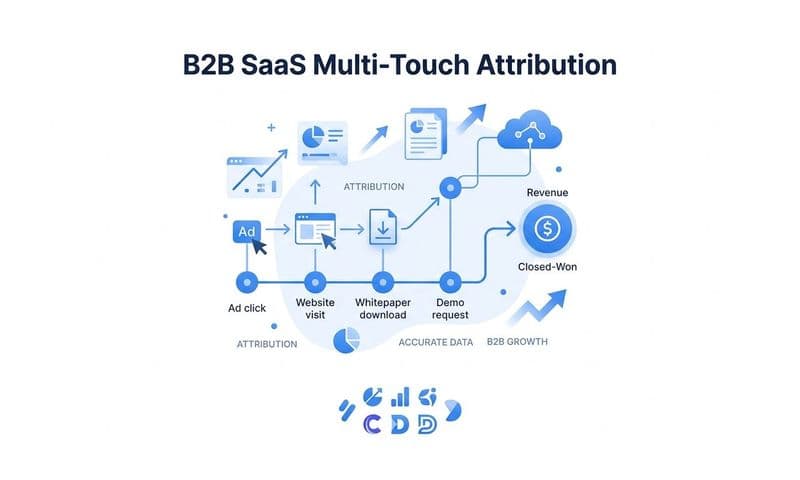
This unified view enables true multi-touch attribution. You can see that a customer first discovered you through a Google ad, returned via organic search, subscribed to your email list, and finally converted after clicking an email promotion. Each touchpoint played a role, and your first-party data captures the complete story.
Start with your highest-volume channels and most important conversion events, then expand coverage progressively. The goal is comprehensive tracking across the customer journey, but you can build toward that goal incrementally rather than trying to implement everything at once.
Putting It All Together: Your First-Party Data Action Plan
The shift from third-party to first-party data isn't just about compliance with privacy regulations—it's about taking control of your marketing intelligence. When you own the relationship with your customers and the data they generate through those relationships, you gain strategic advantages that third-party data could never provide.
First-party data gives you accuracy. You know exactly what happened because you tracked it directly on your properties. You're not relying on estimates, samples, or data that's been aggregated and anonymized beyond usefulness.
It gives you completeness. By connecting data across all touchpoints—from first ad impression through post-purchase engagement—you see the full customer journey, not just fragments visible through individual platform pixels. Implementing real-time data tracking ensures you capture every interaction as it happens.
It gives you control. You decide what to collect, how to use it, and how to protect it. You're not dependent on third-party data providers who might change their policies, raise their prices, or shut down entirely.
Most importantly, first-party data enables better marketing performance. When ad platforms receive accurate conversion data through server-side connections, their algorithms optimize more effectively. When you can attribute revenue to specific campaigns and channels, you allocate budget more strategically. When you understand customer behavior across the entire lifecycle, you create more relevant experiences that drive higher conversion rates.
The marketers who invest in first-party data infrastructure now will have a significant competitive advantage in the years ahead. They'll maintain clear visibility into marketing performance while others struggle with incomplete attribution. They'll optimize campaigns based on actual revenue data while competitors rely on vanity metrics. They'll build audiences and targeting strategies on owned data while others lose access to third-party alternatives.
Your action plan should start with the audit we discussed: understand your current data collection capabilities and identify the most impactful gaps to address. Implement server-side tracking to ensure reliable data flow to ad platforms. Connect your CRM, website, and marketing tools into a unified system that maintains customer identity across touchpoints. Following best practices for using data in marketing decisions will help you continuously refine your approach based on the insights that emerge from having complete, accurate first-party data.
Ready to elevate your marketing game with precision and confidence? Discover how Cometly's AI-driven recommendations can transform your ad strategy—Get your free demo today and start capturing every touchpoint to maximize your conversions.