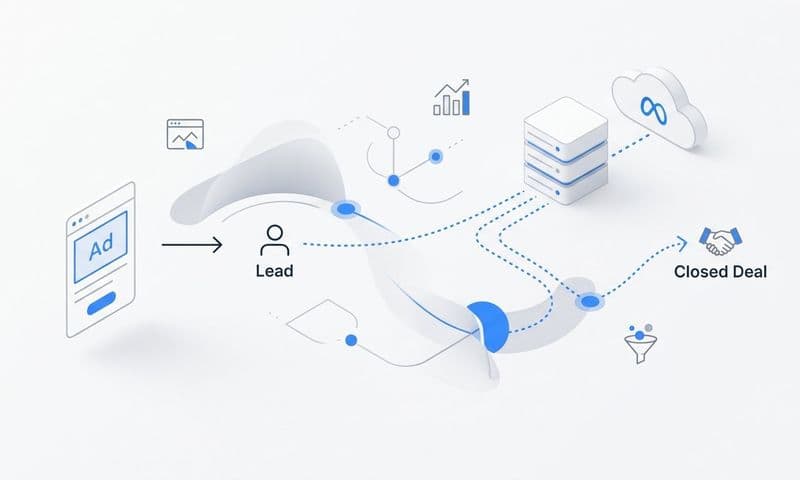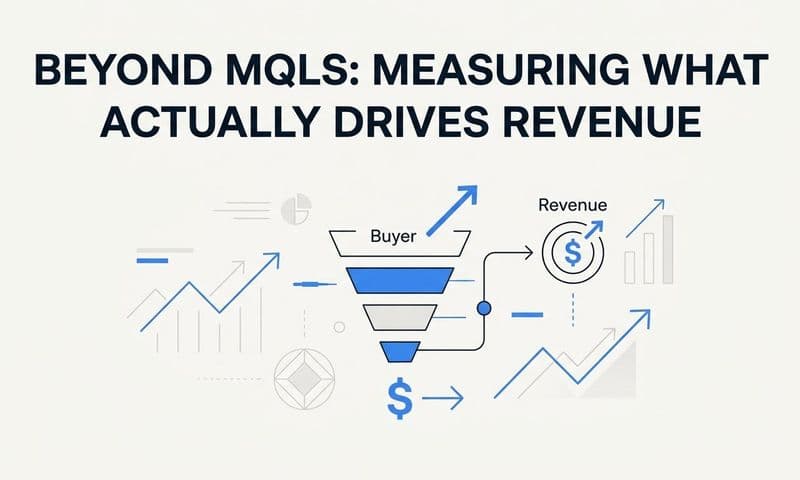
B2B SaaS sales cycles are long, involve multiple stakeholders, and span dozens of touchpoints before a deal closes. A prospect might click a LinkedIn ad, read three blog posts, attend a webinar, get a cold email, and then request a demo six weeks later. Which touchpoint gets credit for that conversion?
Without the right attribution tool, marketing teams end up guessing where to allocate budget or relying on last-click data that tells a fraction of the story. That approach leads to underfunding channels that actually drive pipeline and overspending on channels that just happen to be last in line.
The tools in this list are built to solve that problem. We evaluated each one based on multi-touch attribution capabilities, CRM and ad platform integrations, data accuracy in a cookieless landscape, ease of setup, and pricing transparency. Whether you are a growth-stage startup or an enterprise SaaS company, here are the top B2B SaaS attribution tools worth your attention in 2026.
1. Cometly
Best for: AI-powered multi-touch attribution with real-time ad platform feedback loops
Cometly is a marketing attribution and analytics platform that connects your ad spend to actual revenue, tracks the full customer journey, and feeds enriched conversion data back to ad platforms to improve targeting and optimization.
 9 Best B2B SaaS Attribution Tools to Track What Drives Revenue in 2026
Where This Tool Shines
Most attribution tools stop at reporting. Cometly goes a step further by syncing enriched conversion events back to Meta, Google, and other ad platforms so their algorithms can optimize on better data. This closes the loop between what you measure and what the ad platforms actually learn from, which is a meaningful advantage in a world where platform-native tracking has become increasingly unreliable.
The AI layer adds another dimension. Instead of simply showing you which channels contributed to a conversion, Cometly's AI Ads Manager surfaces optimization recommendations so you know where to shift budget and which creatives are worth scaling. For teams managing significant ad spend across multiple channels, that kind of decision support is hard to replicate with manual analysis.
Key Features
AI-Powered Multi-Touch Attribution: Tracks every marketing touchpoint across all channels and applies attribution modeling to show which interactions actually drive revenue.
Server-Side Tracking: Captures conversion data accurately even when browser-based tracking is blocked, ensuring your attribution data stays reliable in a cookieless environment.
Conversion Sync: Sends enriched, conversion-ready events back to Meta, Google, and other ad platforms to improve algorithmic targeting and campaign performance.
AI Ads Manager: Provides actionable optimization recommendations by identifying high-performing ads and campaigns across every channel.
CRM Integration: Connects every marketing touchpoint to closed revenue by integrating with your CRM, giving you a complete view of the customer journey from first click to closed deal.
Best For
Cometly is a strong fit for marketing teams and agencies running paid campaigns across multiple platforms who want attribution that does more than report. It is especially valuable for B2B SaaS companies that need to connect ad spend to pipeline and revenue, not just leads, while also improving the quality of data flowing back to ad platforms.
Pricing
Custom pricing based on ad spend and feature tier. A demo is available on request at their website.
2. HubSpot Attribution Reporting
Best for: Teams already operating within the HubSpot ecosystem who need native attribution without adding a new tool
HubSpot includes built-in multi-touch attribution reporting within Marketing Hub that connects marketing interactions directly to deals and revenue inside the HubSpot CRM.
 9 Best B2B SaaS Attribution Tools to Track What Drives Revenue in 2026
Where This Tool Shines
The biggest advantage HubSpot attribution offers is zero friction for teams already using HubSpot as their CRM. There is no additional integration to build, no separate data pipeline to manage, and no reconciliation between systems. Attribution data lives in the same place as your contacts, deals, and campaigns.
HubSpot supports several attribution models out of the box, including first touch, last touch, linear, U-shaped, W-shaped, and full path. That range gives marketers flexibility to view performance from multiple angles without needing a separate tool.
Key Features
Native CRM Integration: Attribution data connects directly to HubSpot contact and deal records with no external integration required.
Multiple Attribution Models: Supports first touch, last touch, linear, U-shaped, W-shaped, and full path models for flexible analysis.
Revenue Attribution: Ties marketing interactions to HubSpot deal pipeline, showing which campaigns influence closed revenue.
Content and Campaign Reporting: Breaks down attribution at the content asset and campaign level so you can see which pieces of content move prospects forward.
Best For
HubSpot attribution is ideal for B2B SaaS companies that are already committed to the HubSpot platform and want attribution without adding complexity to their stack. It is less suited for teams that need deep cross-channel tracking outside the HubSpot ecosystem or advanced algorithmic modeling.
Pricing
Included with Marketing Hub Professional at $800/month and Marketing Hub Enterprise at $3,600/month.
3. Dreamdata
Best for: Account-level B2B attribution across long, multi-stakeholder sales cycles
Dreamdata is a B2B revenue attribution platform that maps complete account-level customer journeys, stitching together anonymous and known touchpoints across extended sales cycles.
 9 Best B2B SaaS Attribution Platforms Reviewed for 2026
Where This Tool Shines
Dreamdata is purpose-built for B2B, which means it thinks in accounts rather than individual leads. This distinction matters enormously in enterprise SaaS sales where five or more stakeholders from the same company might interact with your marketing before a deal closes. Dreamdata connects all of those touchpoints to the account level so you can see the full picture.
The anonymous visitor stitching capability is particularly useful. It captures touchpoints from unknown visitors and connects them to known accounts retroactively, filling in the gaps that most attribution tools miss entirely.
Key Features
Account-Based Attribution: Groups touchpoints at the account level rather than the individual level, reflecting how B2B buying actually works.
Anonymous Visitor Stitching: Connects pre-identification touchpoints to known accounts, capturing the full journey even before a prospect fills out a form.
CRM and Ad Platform Integration: Integrates with major CRMs, ad platforms, and data warehouses for a unified data view.
Content Attribution: Shows which content assets influence pipeline at each stage of the buying journey.
Best For
Dreamdata is a strong choice for B2B SaaS companies with complex, multi-stakeholder sales cycles who need account-level visibility. It is particularly well-suited for demand generation teams running ABM programs who need to understand how marketing influences pipeline across an entire buying committee.
Pricing
Free tier available. Paid plans start at approximately $999/month.
4. Ruler Analytics
Best for: B2B teams that need to attribute leads, calls, and offline conversions back to specific campaigns
Ruler Analytics is a closed-loop marketing attribution tool that connects leads, phone calls, and offline conversions back to the marketing sources and campaigns that generated them.
 8 Best Attribution Tools with Onboarding Support in 2026
Where This Tool Shines
Ruler Analytics stands out for its call tracking capability. For B2B SaaS companies where demo requests and discovery calls are key conversion events, being able to tie a phone call back to the specific keyword or campaign that drove it is genuinely valuable data that most attribution tools overlook.
The closed-loop approach also means that revenue data from your CRM gets pushed back to Google Ads and Analytics, so your ad platform optimization is working from actual revenue data rather than just form fills or pageviews.
Key Features
Call Tracking with Attribution: Attributes inbound phone calls to specific campaigns, keywords, and channels with dynamic number insertion.
Closed-Loop Revenue Attribution: Pushes revenue data from CRM back to Google Ads and Analytics to improve optimization signals.
Form and Live Chat Tracking: Captures attribution data from form submissions and live chat interactions alongside call data.
Multi-Touch Attribution Models: Applies multiple attribution models so you can analyze performance from different perspectives.
Best For
Ruler Analytics is a good fit for B2B SaaS companies where phone calls, demo requests, and offline conversions are significant parts of the funnel. It works well for teams that want to close the loop between marketing activity and CRM revenue without building a custom data pipeline.
Pricing
Starts at approximately $199/month, scaling with features and call volume.
5. Attribution by Digioh
Best for: Enterprise SaaS teams that need flexible, algorithmic attribution modeling for complex funnels
Attribution by Digioh is an enterprise multi-touch attribution platform offering flexible modeling options, including data-driven algorithmic attribution designed for sophisticated marketing funnels.
 9 Best B2B SaaS Attribution Tools to Track What Drives Revenue in 2026
Where This Tool Shines
Where most attribution tools offer a fixed menu of models, Attribution by Digioh gives enterprise teams the ability to build custom algorithmic models that reflect how their specific funnel actually works. For companies with complex, multi-channel acquisition strategies, that flexibility is a significant advantage over one-size-fits-all approaches.
The platform also handles cross-channel tracking across paid, organic, and offline touchpoints, making it useful for teams running broad marketing programs that extend well beyond digital advertising.
Key Features
Custom Algorithmic Attribution: Supports data-driven attribution models that go beyond standard rules-based approaches for more accurate credit assignment.
Cross-Channel Tracking: Tracks touchpoints across paid, organic, and offline channels for a complete view of the customer journey.
CRM and Ad Platform Integration: Connects with major CRMs and ad platforms to unify marketing and revenue data.
Cohort Analysis and Journey Visualization: Provides tools to analyze customer cohorts and visualize the paths that lead to conversion.
Best For
Best suited for enterprise SaaS marketing teams with complex funnels, significant data volumes, and the technical resources to configure and maintain a sophisticated attribution setup. Less ideal for smaller teams looking for quick time to value.
Pricing
Custom pricing. Contact their sales team for a quote based on your data volume and requirements.
6. Factors.ai
Best for: B2B marketing teams that want to combine attribution with account intelligence and intent signals
Factors.ai is an account intelligence and attribution platform that combines multi-touch attribution with account identification and intent signals, giving B2B marketing teams a richer view of what is driving pipeline.
 9 Best B2B SaaS Attribution Tools to Track What Drives Revenue in 2026
Where This Tool Shines
Factors.ai brings together two capabilities that are often managed separately: attribution and account intelligence. By connecting intent signals and de-anonymized visitor data to attribution reporting, it helps B2B teams understand not just which channels are working but which accounts are showing buying signals at any given moment.
The LinkedIn and G2 integrations are particularly relevant for B2B SaaS companies. Being able to attribute pipeline influence to LinkedIn ad campaigns or G2 profile views alongside traditional web touchpoints creates a more complete picture of the B2B buying journey.
Key Features
Account-Level Attribution with De-Anonymization: Identifies anonymous website visitors and connects their behavior to known accounts for fuller attribution coverage.
Intent Signal Tracking: Layers intent data on top of attribution reporting to surface accounts showing active buying signals.
LinkedIn and G2 Integration: Captures attribution data from B2B-specific touchpoints that most tools miss entirely.
Funnel Analytics: Connects marketing activity to pipeline stages so you can see where marketing influence is strongest.
Best For
Factors.ai is a strong fit for B2B SaaS teams running account-based marketing programs who want attribution combined with account intelligence in a single platform. It is especially useful for demand generation teams that rely heavily on LinkedIn advertising and review site presence.
Pricing
Free tier available. Paid plans start at approximately $249/month, scaling with features and data volume.
7. Triple Whale
Best for: SaaS companies with self-serve or product-led growth funnels that need first-party attribution and real-time dashboards
Triple Whale is a first-party data attribution platform with real-time dashboards, originally built for DTC e-commerce but increasingly adopted by SaaS companies with self-serve purchase funnels.
 7 Best Funnel.io Alternatives for Marketing Data Analytics in 2026
Where This Tool Shines
Triple Whale's first-party pixel approach makes it well-suited for the cookieless tracking environment. Rather than relying on third-party cookies that are increasingly blocked or deprecated, it captures conversion data directly, giving you a more accurate view of what is driving conversions across your paid channels.
The real-time dashboard experience is genuinely useful for teams that need to make fast budget decisions. ROAS and LTV metrics are surfaced in a clean interface that makes it easy to spot what is working without digging through complex reports.
Key Features
First-Party Pixel: Captures conversion data directly without relying on third-party cookies, maintaining accuracy as privacy restrictions tighten.
Real-Time Attribution Dashboards: Surfaces ROAS, LTV, and channel performance metrics in real time for fast decision-making.
AI-Powered Creative Insights: Analyzes creative and audience performance to surface what is actually driving conversions.
Ad Platform and Payment Processor Integration: Connects with major ad platforms and payment processors for a unified view of spend and revenue.
Best For
Triple Whale is best suited for SaaS companies with product-led growth or self-serve purchase funnels where the buying journey is shorter and more transactional. It is less suited for complex enterprise B2B sales cycles with long timelines and multiple stakeholders.
Pricing
Starts at approximately $100/month, scaling based on revenue volume and features.
8. Rockerbox
Best for: Marketing teams that want to combine multi-touch attribution with media mix modeling and incrementality testing
Rockerbox is a unified marketing measurement platform that combines multi-touch attribution, media mix modeling, and incrementality testing for a more complete view of marketing performance.
Where This Tool Shines
Rockerbox is one of the few tools in this list that brings together three distinct measurement methodologies in one platform. Multi-touch attribution, media mix modeling, and incrementality testing each answer different questions about marketing performance, and having all three in one place allows teams to triangulate toward more confident budget decisions.
The incrementality testing framework is particularly valuable for B2B SaaS teams that want to move beyond correlation-based attribution and actually measure whether a channel is driving incremental pipeline or simply taking credit for conversions that would have happened anyway.
Key Features
Multi-Touch Attribution Combined with MMM: Pairs granular touchpoint attribution with media mix modeling for both tactical and strategic measurement.
Incrementality Testing: Provides a structured framework to measure whether individual channels are generating incremental results.
Cross-Channel Spend Centralization: Consolidates spend and performance data from all channels into a single reporting view.
Audience-Level Journey Analysis: Analyzes customer journeys at the audience segment level to identify patterns in how different groups convert.
Best For
Rockerbox is a strong fit for growth-stage and enterprise SaaS marketing teams that have outgrown single-methodology attribution and want a more rigorous, multi-method approach to marketing measurement. It suits teams with the analytical maturity to act on incrementality data.
Pricing
Custom pricing based on channels tracked and data volume. Contact their team for a quote.
9. Northbeam
Best for: Performance marketing teams that need machine learning-powered attribution and predictive LTV analysis
Northbeam is a machine learning-powered attribution platform that uses first-party data to model customer journeys, predict lifetime value, and guide budget allocation decisions.
Where This Tool Shines
Northbeam's ML-based attribution modeling is designed to handle the complexity and noise that comes with multi-channel marketing at scale. Rather than applying fixed rules about how credit should be distributed, it uses machine learning to identify patterns in your actual conversion data and model attribution accordingly.
The predictive LTV component adds a forward-looking dimension that most attribution tools lack. Understanding not just which channels are converting today but which are acquiring customers with higher long-term value can significantly change how you think about budget allocation.
Key Features
ML-Based Attribution Modeling: Uses machine learning on first-party data to model attribution without relying on fixed rules or third-party cookies.
Predictive LTV and CAC Analysis: Projects lifetime value and customer acquisition costs to inform longer-term budget decisions.
Customizable Attribution Windows and Models: Allows teams to adjust attribution windows and modeling approaches to fit their specific sales cycle.
Creative Performance Analytics: Connects creative-level performance data to revenue outcomes so you can identify which ad creative is actually driving results.
Best For
Northbeam is well-suited for SaaS companies with significant paid media budgets and the data volume to make ML-based modeling meaningful. It is particularly valuable for performance marketing teams that want to connect creative decisions to revenue impact and predict the long-term value of acquired customers.
Pricing
Starts at approximately $1,000/month, making it more appropriate for teams with substantial ad spend where the investment is justified by scale.
Choosing the Right Attribution Tool for Your SaaS Stack
The right attribution tool depends on where you are in your growth journey, how complex your sales cycle is, and what you actually plan to do with the data.
If you want AI-powered multi-touch attribution that not only tracks performance but actively feeds better conversion data back to your ad platforms, Cometly is the strongest choice. It is built for marketers who want attribution to drive action, not just reporting. The combination of server-side tracking, conversion sync, and AI-powered recommendations makes it especially powerful for teams managing paid campaigns across multiple channels.
For teams already embedded in the HubSpot ecosystem, HubSpot Attribution Reporting offers a frictionless starting point with solid model variety. If your sales cycle involves multiple stakeholders across complex accounts, Dreamdata and Factors.ai are purpose-built for that challenge, with account-level attribution and intent signal integration that most tools cannot match.
For teams that need offline and call attribution, Ruler Analytics fills a specific gap. If you are running a product-led or self-serve funnel, Triple Whale offers real-time dashboards and first-party tracking at an accessible price point. And for teams ready to invest in more sophisticated measurement, Rockerbox and Northbeam bring media mix modeling and machine learning to the attribution conversation.
The common thread across all of these tools is a shift away from last-click attribution toward a more complete, accurate picture of what actually drives revenue. That shift starts with picking the right platform for your specific context.
Ready to see exactly which ads and channels are driving your pipeline? Get your free demo of Cometly and start connecting every touchpoint to revenue with AI-powered attribution built for modern marketing teams.