When you're running ads across Meta, Google, TikTok, and LinkedIn, knowing which campaigns actually drive revenue becomes critical. The challenge? Platform-reported data often inflates results, iOS privacy changes have disrupted tracking, and connecting ad clicks to actual sales requires more than basic analytics.
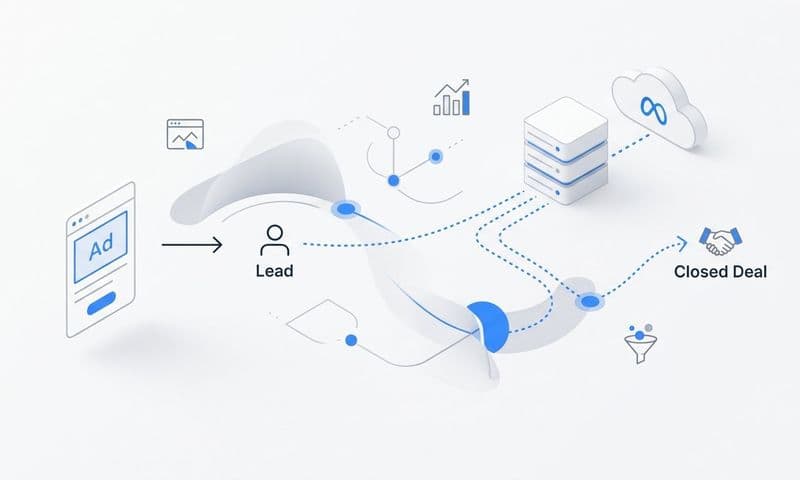
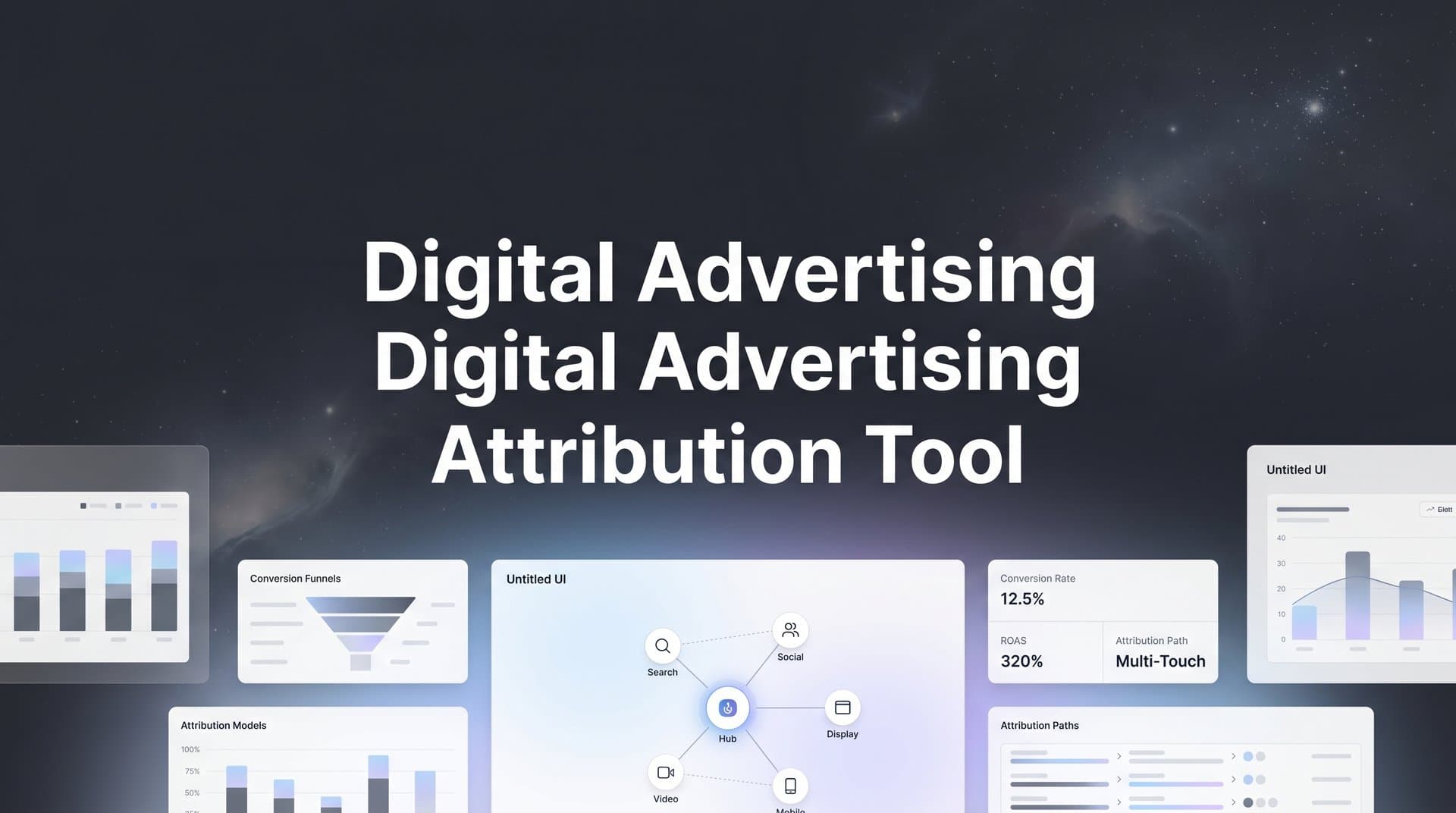
Digital advertising attribution tools solve this by tracking the complete customer journey from first ad impression to closed deal. This guide covers the top attribution platforms for 2026, comparing their tracking methods, integration capabilities, and pricing to help you find the right fit for your marketing stack.
1. Cometly
Best for: Multi-platform advertisers who need AI-powered attribution and server-side tracking accuracy
Cometly is a marketing attribution platform that tracks the complete customer journey across every ad platform and touchpoint.
 9 Best Digital Advertising Attribution Tools in 2026
Where This Tool Shines
Cometly addresses one of the biggest challenges in modern advertising: accurate tracking in a privacy-first world. Its server-side tracking bypasses iOS limitations that have plagued pixel-based attribution since 2021, giving you reliable data even when browser tracking fails.
The platform's AI capabilities go beyond basic reporting. It analyzes your attribution data to identify high-performing ads and campaigns, then provides specific optimization recommendations. This means you're not just seeing what happened—you're getting actionable guidance on what to do next.
Key Features
Server-Side Tracking: Captures conversion data directly from your server, eliminating iOS tracking gaps and providing more accurate attribution than pixel-only solutions.
AI-Powered Recommendations: Analyzes campaign performance across all channels and suggests specific optimizations to improve ROI and scale winning campaigns.
Conversion Sync: Sends enriched conversion events back to Meta, Google, and other ad platforms, improving their AI algorithms and campaign optimization.
Multi-Touch Attribution: Tracks every touchpoint in the customer journey, from first ad click through CRM events to final purchase.
Real-Time Analytics Dashboard: Provides immediate visibility into campaign performance with customizable attribution models and cross-channel comparison.
Best For
Cometly works well for digital marketing teams and agencies managing significant ad spend across multiple platforms. It's particularly valuable if you've struggled with attribution accuracy after iOS privacy changes or need to connect ad performance to actual revenue in your CRM.
Pricing
Custom pricing based on your ad spend volume. Contact their team for a personalized quote and demo to see how the platform fits your specific needs.
2. Triple Whale
Best for: Shopify ecommerce brands wanting unified DTC metrics in one dashboard
Triple Whale is an attribution platform built specifically for direct-to-consumer brands running on Shopify.
 7 Best Funnel.io Alternatives for Marketing Data Analytics in 2026
Where This Tool Shines
Triple Whale integrates natively with Shopify's ecosystem, making setup faster than most attribution tools. You get immediate access to metrics that matter for ecommerce: customer acquisition cost, lifetime value, and contribution margin by channel.
The platform excels at creative analytics, helping you identify which ad creatives drive the most profitable customers. This focus on creative performance makes it particularly useful for brands running high-volume creative testing across Meta and TikTok.
Key Features
Native Shopify Integration: Connects directly to your Shopify store for automatic data syncing without complex technical setup.
Unified DTC Metrics Dashboard: Combines data from all your marketing channels into one view with ecommerce-specific KPIs.
Creative Analytics: Tracks performance at the individual ad creative level to identify top-performing assets.
Customer Journey Visualization: Maps the complete path from first touchpoint to purchase with visual journey reports.
Pixel and Server-Side Tracking: Uses hybrid tracking methodology to capture conversions that browser pixels might miss.
Best For
Triple Whale is designed for Shopify brands with significant ad spend on Meta and TikTok. If you're running a DTC business and want ecommerce-focused attribution without heavy technical implementation, this platform delivers quickly.
Pricing
The Growth plan starts around $129 per month, with higher tiers available for larger brands with more complex needs.
3. Northbeam
Best for: Data-driven brands needing machine learning attribution with media mix modeling
Northbeam is an attribution platform that uses machine learning to model customer journeys and predict channel impact.
 9 Best Ad Attribution Software With Free Trials in 2026
Where This Tool Shines
Northbeam takes a more sophisticated approach to attribution by combining click-level tracking with statistical modeling. This helps fill gaps where traditional tracking fails, giving you a more complete picture of how your channels work together.
The platform's media mix modeling capability sets it apart from basic attribution tools. It can estimate the impact of hard-to-track channels like TV, podcast sponsorships, and influencer marketing by analyzing overall performance patterns rather than relying solely on click data.
Key Features
ML-Based Attribution Modeling: Uses machine learning algorithms to assign credit across touchpoints more accurately than rules-based models.
Customizable Attribution Windows: Adjust lookback windows to match your actual sales cycle rather than using fixed defaults.
Media Mix Modeling: Estimates the contribution of channels that don't provide direct tracking data.
Cross-Channel Path Analysis: Shows how different channels work together in the conversion path.
Incrementality Insights: Helps identify which channels are truly driving new customers versus capturing existing demand.
Best For
Northbeam works best for established brands with diverse marketing channels and the budget to invest in advanced attribution. If you're spending on both digital and offline channels and need to understand their combined impact, the ML approach provides valuable insights.
Pricing
Custom enterprise pricing, typically starting around $1,000 per month depending on your ad spend and data volume. Contact their sales team for a specific quote.
4. Rockerbox
Best for: Enterprise marketers combining multi-touch attribution with incrementality testing
Rockerbox is a marketing measurement platform that goes beyond attribution to include incrementality testing and unified reporting.
 9 Best Digital Advertising Attribution Tools in 2026
Where This Tool Shines
Rockerbox addresses a critical limitation of traditional attribution: it can tell you which touchpoints customers interacted with, but not whether those touchpoints actually caused the conversion. Their incrementality testing helps answer that harder question.
The platform's ability to attribute offline channels like TV and direct mail alongside digital campaigns makes it valuable for omnichannel brands. You can finally see how your TV spots impact website traffic and conversions with more accuracy than vanity metrics alone provide.
Key Features
Unified Marketing Measurement: Combines attribution data from all channels into a single source of truth.
Incrementality Testing: Runs controlled experiments to measure the true lift each channel provides.
Offline and TV Attribution: Tracks the impact of traditional media channels on digital conversions.
Customizable Dashboards: Build reports tailored to your specific KPIs and stakeholder needs.
Data Warehouse Integrations: Connects to Snowflake, BigQuery, and other data warehouses for deeper analysis.
Best For
Rockerbox is built for enterprise marketing teams with substantial budgets across multiple channels. If you're spending on TV, podcasts, or other offline media alongside digital campaigns, and you need to justify that spend with solid data, this platform delivers.
Pricing
Enterprise-level pricing with custom quotes based on your marketing spend and complexity. Expect to contact their sales team for pricing discussions.
5. Hyros
Best for: High-ticket businesses with long sales cycles and phone-based conversions
Hyros is an attribution platform designed specifically for businesses selling high-value products or services with complex sales funnels.
 7 Best Northbeam Alternatives for Small Business in 2026
Where This Tool Shines
Hyros excels at tracking conversions that happen offline or over the phone. If your business relies on sales calls to close deals, standard attribution tools often fail to connect ad clicks to eventual revenue. Hyros bridges that gap with call tracking attribution.
The platform's AI optimization features analyze which ads drive the most valuable customers over time. For businesses with long sales cycles, this long-term view matters more than immediate conversion tracking. You can see which campaigns generate leads that actually close, not just leads that fill out forms.
Key Features
Call Tracking Attribution: Connects phone calls back to the original ad source, tracking revenue from phone-based conversions.
Long Sales Cycle Tracking: Maintains attribution data for extended periods to match businesses with weeks or months between first click and purchase.
Print Tracking: Attributes conversions from print ads and direct mail campaigns.
AI Ad Optimization: Analyzes which ads drive the highest lifetime value customers and recommends scaling strategies.
High-Ticket Funnel Tracking: Designed specifically for complex funnels with multiple touchpoints before high-value conversions.
Best For
Hyros works well for coaching businesses, consulting services, B2B companies, and any business where the average deal size exceeds several thousand dollars. If phone calls are a critical part of your sales process, this platform handles that better than most alternatives.
Pricing
Starts around $99 per month for smaller businesses, with pricing scaling based on your ad spend volume and tracking needs.
6. Wicked Reports
Best for: Subscription businesses tracking customer lifetime value and cohort-based attribution
Wicked Reports is an attribution platform focused on lifetime value analysis for subscription and recurring revenue businesses.
 7 Best Northbeam Alternatives for Small Business in 2026
Where This Tool Shines
Wicked Reports takes a different approach by emphasizing customer lifetime value over immediate conversions. For subscription businesses, knowing which ads drive customers who stick around matters more than which ads drive the most signups.
The platform's cohort-based reporting lets you compare customer quality across different acquisition channels and time periods. You can see if customers acquired in Q1 from Facebook have higher retention than Q2 Google customers, helping you allocate budget based on long-term profitability rather than short-term metrics.
Key Features
Cohort-Based LTV Attribution: Groups customers by acquisition date and channel to track lifetime value over time.
Email and SMS Attribution: Tracks revenue from email marketing and SMS campaigns alongside paid advertising.
Subscription Revenue Tracking: Specifically designed to handle recurring revenue and subscription metrics.
First-Party Data Collection: Uses server-side tracking to maintain attribution accuracy despite browser restrictions.
ROI by Customer Cohort: Calculates true return on ad spend based on customer lifetime value, not just initial purchase.
Best For
Wicked Reports is ideal for subscription box companies, SaaS businesses, membership sites, and any business model where customer retention drives profitability. If you need to understand which acquisition channels bring customers who stay longest, this platform provides those insights.
Pricing
Starts around $250 per month, with pricing varying based on your revenue volume and data complexity.
7. Ruler Analytics
Best for: B2B companies needing call tracking and CRM closed-loop reporting
Ruler Analytics is an attribution platform built for B2B lead generation businesses that close deals through CRM systems.
 8 Best Attribution Tools with Onboarding Support in 2026
Where This Tool Shines
Ruler Analytics solves a common B2B problem: connecting marketing-generated leads to actual revenue in your CRM. The platform tracks leads from first website visit through form submission, then pulls closed deal data from your CRM to show which marketing channels drive revenue, not just leads.
The call tracking integration is particularly valuable for B2B businesses where phone calls are a primary conversion path. You can see which keywords, campaigns, and channels drive phone calls that turn into customers, giving you attribution visibility that standard analytics tools miss.
Key Features
Call Tracking with Attribution: Tracks phone calls back to the original marketing source with dynamic number insertion.
CRM Closed-Loop Reporting: Integrates with Salesforce, HubSpot, and other CRMs to attribute revenue to marketing sources.
Form Tracking: Captures form submissions and connects them to the visitor's complete journey history.
Multi-Touch Attribution Models: Offers multiple attribution models to analyze lead sources from different perspectives.
Revenue Attribution: Shows which channels drive actual closed deals, not just lead volume.
Best For
Ruler Analytics works best for B2B companies with phone-based sales teams and CRM systems. If you're running PPC campaigns to generate leads that your sales team closes over calls or demos, this platform connects those dots.
Pricing
Plans start around $199 per month, with pricing increasing based on call volume and advanced features needed.
8. AppsFlyer
Best for: Mobile app marketers needing industry-standard mobile attribution and fraud prevention
AppsFlyer is the leading mobile attribution platform for tracking app installs and in-app events across user acquisition channels.
Where This Tool Shines
AppsFlyer has become the standard for mobile app attribution because it integrates with virtually every mobile ad network and provides reliable install attribution. The platform handles the complex technical requirements of mobile tracking, including deep linking and deferred deep linking that improve user experience.
The fraud prevention capabilities are particularly valuable in mobile advertising, where install fraud remains a significant problem. AppsFlyer's fraud detection identifies suspicious patterns and filters out fake installs before you pay for them, protecting your user acquisition budget.
Key Features
Mobile App Attribution: Tracks app installs and in-app events back to the original ad source across all major mobile ad networks.
Deep Linking: Creates seamless user experiences by directing users to specific in-app content from ads.
Fraud Prevention: Detects and blocks install fraud, click flooding, and other mobile ad fraud tactics.
SKAdNetwork Support: Integrates with Apple's privacy-focused attribution framework for iOS campaigns.
Audience Segmentation: Creates user segments based on behavior for retargeting and lifecycle marketing.
Best For
AppsFlyer is essential for any business with a mobile app as a core part of their customer experience. Whether you're a gaming company, fintech app, or retail brand with a mobile app, this platform provides the attribution infrastructure you need.
Pricing
Offers a free tier for smaller apps, with paid plans priced based on conversion volume. Contact their team for specific pricing based on your app's scale.
9. Google Analytics 4
Best for: Businesses wanting free cross-platform analytics with basic attribution modeling
Google Analytics 4 is Google's latest analytics platform with event-based tracking and built-in attribution reporting.
Where This Tool Shines
GA4's biggest advantage is simple: it's free and already integrated with Google Ads. For businesses just starting with attribution or those with limited budgets, GA4 provides basic multi-touch attribution without additional cost.
The data-driven attribution model uses machine learning to assign credit across touchpoints based on actual conversion patterns in your data. While not as sophisticated as dedicated attribution platforms, it's significantly better than last-click attribution and requires no additional setup beyond standard GA4 implementation.
Key Features
Event-Based Data Model: Tracks any user interaction as an event, providing more flexibility than the old session-based model.
Cross-Platform Tracking: Combines website and app data into unified user journeys when properly configured.
Native Google Ads Integration: Automatically connects Google Ads campaign data with conversion tracking.
Data-Driven Attribution Model: Uses machine learning to distribute conversion credit across touchpoints.
BigQuery Export: Allows raw data export to BigQuery for custom analysis and reporting.
Best For
GA4 works for businesses in the early stages of attribution analysis or those primarily advertising on Google platforms. It's also useful as a complementary tool alongside dedicated attribution platforms, providing a free baseline for comparison.
Pricing
Completely free for standard GA4. Google Analytics 360 offers enterprise features for large organizations but requires custom pricing.
Finding the Right Attribution Tool for Your Business
The right attribution platform depends on your business model and primary sales channels. Ecommerce brands running on Shopify should evaluate Triple Whale for its native integration and DTC focus. B2B companies with phone-based sales processes benefit from Ruler Analytics or Cometly's ability to track the complete lead-to-revenue journey.
High-ticket service businesses with long sales cycles often find Hyros fits their specific tracking needs better than general-purpose tools. If you're running a subscription business where lifetime value matters more than initial conversions, Wicked Reports provides the cohort analysis you need. Mobile-first businesses should prioritize AppsFlyer for reliable app attribution.
For multi-platform advertisers who need accurate tracking across all channels with AI-powered optimization, Cometly delivers the server-side tracking accuracy and platform sync capabilities that help scale campaigns confidently. The ability to send enriched conversion data back to ad platforms improves their algorithms, creating a feedback loop that enhances performance over time.
Start by identifying your primary business model, average deal size, and which ad platforms drive most of your spend. Then choose the attribution tool that integrates best with your existing marketing stack and provides the specific tracking capabilities your sales process requires.
Ready to elevate your marketing game with precision and confidence? Discover how Cometly's AI-driven recommendations can transform your ad strategy. Get your free demo today and start capturing every touchpoint to maximize your conversions.