Running paid ads in 2026 means navigating a world where data privacy is non-negotiable. GDPR enforcement has intensified, third-party cookies are fading, and iOS restrictions continue to limit what ad platforms can see by default. The result: marketers are losing visibility into what actually drives conversions, and the tools they relied on for years no longer cut it.
A GDPR compliant tracking solution does more than keep you out of legal trouble. The right one gives you accurate attribution, clean conversion data, and the ability to feed ad platform algorithms the signals they need to optimize effectively, all without compromising user privacy.
This list covers nine tools built for exactly that challenge. Whether you need server-side tracking, consent-aware attribution, or a full-stack analytics platform, there is an option here for your stack. Each tool is evaluated on privacy architecture, tracking accuracy, ease of implementation, and real-world utility for marketing teams running paid campaigns.
1. Cometly
Best for: Performance marketers who need accurate attribution and privacy-compliant conversion data
Cometly is an AI-powered marketing attribution platform built around server-side tracking, multi-touch attribution, and conversion sync for ad platforms.
 9 Best Marketing Attribution Platforms to Compare in 2026
Where This Tool Shines
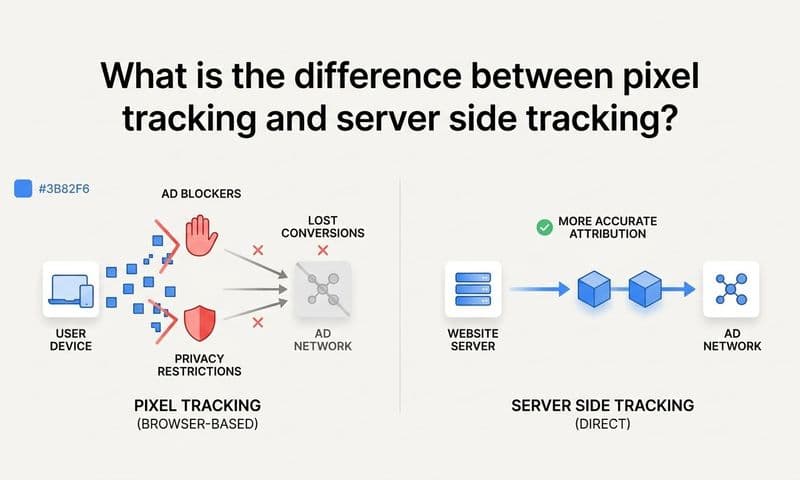
Cometly addresses one of the most pressing problems in modern paid advertising: the gap between what actually converts and what ad platforms can see. By processing conversion data server-side rather than relying on browser-based pixels, Cometly captures events that would otherwise be lost to ad blockers, iOS restrictions, or cookie consent declines.
The Conversion Sync feature sends enriched, consented conversion events back to Meta CAPI, Google Ads, and other platforms. This means the ad platform algorithms receive better quality signals, which directly improves targeting and optimization without requiring you to expose user data to third-party scripts in the browser.
Key Features
Server-Side Tracking: Captures conversions without relying on third-party browser cookies, giving you more complete and reliable data even in privacy-restricted environments.
Conversion Sync: Feeds enriched, consented conversion events back to Meta CAPI, Google Ads, and other platforms to improve algorithmic optimization.
Multi-Touch Attribution: Tracks the full customer journey from first ad click to closed revenue, so you can see which channels and creatives are actually driving results.
AI Ads Manager: Identifies high-performing campaigns across every ad channel and surfaces optimization recommendations so you can scale with confidence.
AI Chat: Lets you query your marketing data conversationally and get on-demand analysis without needing to build custom reports from scratch.
Best For
Cometly is the right fit for growth-focused marketing teams and agencies running paid campaigns across multiple platforms who need accurate attribution data, not just surface-level click metrics. It is especially valuable for teams frustrated by the gap between ad platform reported conversions and actual revenue in their CRM.
Pricing
Pricing details are available at cometly.com. Plans are structured to scale with the size and complexity of your advertising operation.
2. Cookiebot (Usercentrics)
Best for: Website owners who need automated consent management and GDPR-compliant cookie banners
Cookiebot is an automated consent management platform that scans, categorizes, and controls cookies and trackers across any website.
 9 Best GDPR Compliant Tracking Solutions for Marketers in 2026
Where This Tool Shines
Cookiebot handles the consent layer of GDPR compliance automatically. It crawls your website, identifies every cookie and tracker in use, categorizes them, and generates a consent banner that meets GDPR and ePrivacy requirements. For teams that have grown their marketing stack organically and are not entirely sure what is firing on their site, this visibility alone is valuable.
The platform stores all consent records on EU servers and maintains a full audit trail, which is essential when demonstrating compliance to regulators. It also supports the IAB Transparency and Consent Framework (TCF 2.2), making it compatible with programmatic advertising ecosystems.
Key Features
Automatic Cookie Scanning: Continuously scans and categorizes every cookie and tracker on your site, including those introduced by third-party scripts.
GDPR-Compliant Consent Banners: Generates banners that meet GDPR and ePrivacy directive requirements out of the box.
IAB TCF 2.2 Support: Ensures compatibility with programmatic advertising consent frameworks used across the ad tech ecosystem.
Consent Logging and Audit Trail: Records every consent interaction for compliance documentation and regulatory review.
EU-Hosted Infrastructure: All consent data is stored and processed on EU servers.
Best For
Cookiebot works well for small to mid-sized businesses, publishers, and marketing teams that need a reliable, largely automated consent management solution without building a custom compliance layer from scratch.
Pricing
A free tier is available for smaller sites. Paid plans scale based on page views and are accessible for most small to mid-sized marketing operations.
3. Matomo
Best for: Teams that want a Google Analytics replacement with full data ownership and cookieless tracking options
Matomo is an open-source web analytics platform with self-hosting options, cookieless tracking, and complete control over your data.
 9 Best GDPR Compliant Tracking Solutions for Marketers in 2026
Where This Tool Shines
Matomo's strongest selling point is data ownership. When you self-host, your analytics data never touches a third-party server. For organizations concerned about transferring personal data to US-based servers, which has been a recurring point of regulatory scrutiny in Europe, this is a meaningful architectural advantage.
The platform also offers a cookieless tracking mode that, in certain configurations, can operate without requiring a consent banner at all. This reduces friction for users while keeping your analytics running cleanly. It is a more feature-rich platform than lightweight alternatives like Plausible, covering heatmaps, session recordings, and funnel analysis alongside standard traffic metrics.
Key Features
Self-Hosted or EU Cloud Deployment: Choose between running Matomo on your own infrastructure or using their EU-hosted cloud option for full data residency control.
Cookieless Tracking Mode: Operate without cookies in supported configurations, reducing or eliminating the need for consent banners in some jurisdictions.
Built-In Consent Manager and Tag Manager: Manage consent and tag firing natively without adding a separate tool to your stack.
Heatmaps, Session Recordings, and Funnel Analysis: Go beyond traffic metrics with behavioral analytics tools included in the platform.
100% Data Ownership: No data is shared with third parties, and you retain full control over retention and deletion policies.
Best For
Matomo suits analytics-focused teams, agencies managing client data, and organizations that need a feature-complete alternative to Google Analytics without sending data outside their control.
Pricing
Self-hosting is free. Cloud-hosted plans start at approximately $23 per month, scaling with traffic volume.
4. Plausible Analytics
Best for: Teams that want simple, privacy-compliant traffic analytics without setup complexity
Plausible Analytics is a lightweight, cookieless web analytics platform built and hosted in the EU with no personal data collection.
 9 Best GDPR Compliant Tracking Solutions for Marketers in 2026
Where This Tool Shines
Plausible is designed to be the simplest possible answer to the question: how do I track website traffic without running into GDPR issues? Because it collects no personal data and uses no cookies, many teams can run it without displaying a consent banner at all, depending on their jurisdiction and legal setup.
The script weighs under 1KB, which means it adds essentially no performance overhead to your pages. The dashboard is intentionally simple, covering the core metrics most teams actually look at: traffic sources, top pages, countries, devices, and conversions. If you have been drowning in Google Analytics complexity and just want clean, honest traffic data, Plausible is a fast reset.
Key Features
No Cookies, No Personal Data: Operates without cookies or personal identifiers, removing the need for consent banners in many jurisdictions.
EU-Hosted Infrastructure: All data is stored and processed on EU servers, with no data leaving the EU.
Under 1KB Script: Minimal performance impact on page load speed.
Clean, Simple Dashboard: Covers traffic sources, top pages, referrers, countries, and goal conversions without overwhelming detail.
Open Source and Self-Hostable: The codebase is publicly available for teams that want to run it on their own infrastructure.
Best For
Plausible is ideal for content teams, bloggers, SaaS founders, and small marketing teams who want accurate traffic data with zero compliance headaches and minimal technical setup.
Pricing
Plans start at approximately $9 per month, scaling with monthly pageview volume.
5. Segment (Twilio)
Best for: Engineering and marketing teams that need a centralized, server-side data infrastructure for routing consented events
Segment is a customer data platform that centralizes and routes consented event data across marketing and analytics tools via server-side infrastructure.
 8 Best Attribution-Focused Platforms vs Segment: Which Approach Fits Your Marketing Stack in 2026
Where This Tool Shines
Segment is less of an analytics tool and more of a data plumbing layer. It sits between your product or website and all your downstream marketing, analytics, and CRM tools. By collecting events server-side and routing them based on consent status, Segment gives you significant control over what data flows where and when, which is exactly what GDPR data minimization principles require.
For teams running complex marketing stacks with multiple ad platforms, analytics tools, and CRM integrations, Segment reduces the number of third-party scripts loading client-side. That means less exposure of user data to external parties and a cleaner consent architecture overall.
Key Features
Server-Side Event Sources and Destinations: Process and route data from your server rather than the user's browser, reducing client-side data exposure.
Consent Integrations: Gate data routing based on user consent status so non-consented data never reaches downstream tools.
Centralized Data Collection: Collect events from web, mobile, and server sources in one place before routing to any destination.
300+ Pre-Built Integrations: Connect to marketing, analytics, CRM, and data warehouse tools without custom engineering for each connection.
Data Governance Controls: Define exactly what data flows to which tools, with the ability to block or transform fields before forwarding.
Best For
Segment is best suited for mid-sized to enterprise teams with dedicated engineering resources who need a scalable, consent-aware data infrastructure rather than a standalone analytics dashboard.
Pricing
A free tier is available for smaller data volumes. Paid plans scale with monthly tracked users and the number of destinations you connect.
6. Piwik PRO
Best for: Organizations that need an all-in-one analytics, consent, and tag management suite with strict EU data residency
Piwik PRO is an integrated analytics suite combining analytics, tag manager, consent manager, and customer data platform with EU data residency options.
 9 Best GDPR Compliant Tracking Solutions for Marketers in 2026
Where This Tool Shines
Piwik PRO's main advantage is integration. Rather than stitching together separate tools for analytics, consent management, and tag firing, everything lives in one platform and communicates natively. When a user updates their consent preferences, the consent manager directly controls which tags fire and what data the analytics layer collects. There is no gap between consent status and data collection behavior.
The platform also offers private cloud deployment, meaning your data can be hosted on infrastructure that is entirely isolated from other customers. For organizations with strict data governance requirements, this is a meaningful option that most analytics tools do not offer.
Key Features
All-in-One Platform: Analytics, tag manager, consent manager, and customer data platform in a single integrated suite.
EU Data Residency with Private Cloud Options: Choose from EU-hosted shared cloud or fully private cloud deployments for maximum data isolation.
Native Consent Integration: Consent status directly controls tag firing and data collection behavior without requiring custom configuration.
User Journey Analysis and Audience Segmentation: Analyze how users move through your site and build segments for deeper behavioral analysis.
Built for Strict Data Governance: Designed from the ground up for organizations where data residency and compliance are non-negotiable requirements.
Best For
Piwik PRO is well suited for enterprise marketing teams, public sector organizations, and agencies managing analytics for clients with strict data governance requirements where a single integrated platform reduces compliance risk.
Pricing
A free core plan is available with generous limits. Enterprise plans with advanced features and private cloud hosting are priced on request.
7. OneTrust
Best for: Enterprise teams managing consent across complex, multi-region digital properties
OneTrust is an enterprise consent and privacy management platform with highly configurable workflows and deep marketing stack integrations.
Where This Tool Shines
OneTrust operates at a different scale than most consent tools on this list. Where Cookiebot handles consent well for a single website, OneTrust is built for organizations managing consent across dozens of domains, multiple geographies, and complex regulatory environments simultaneously. The geolocation-based banner logic means users in different regions see consent experiences tailored to the specific regulations that apply to them.
The preference management center is a standout feature for marketing teams. Rather than a simple accept/reject banner, it gives users a granular control center where they can manage their consent choices by category. This tends to result in higher opt-in rates for non-essential tracking compared to blunt all-or-nothing banners.
Key Features
Geolocation-Based Consent Triggering: Automatically serve different consent experiences based on the user's location and applicable regulations.
Preference Management Center: Give users granular control over their consent choices by category, improving opt-in rates for marketing tracking.
Deep Marketing Stack Integrations: Connects with major tag managers, ad platforms, and marketing tools to gate data collection based on consent.
Consent Audit Trails and Compliance Reporting: Maintain detailed records of consent interactions for regulatory documentation.
Universal Consent Management: Manage consent preferences consistently across web, mobile, email, and other channels from a single platform.
Best For
OneTrust is the right choice for large enterprises, global brands, and agencies that need enterprise-grade consent infrastructure across complex digital properties with multi-region regulatory requirements.
Pricing
Enterprise pricing requires a sales conversation. OneTrust is not a self-serve tool, and pricing reflects the scale and customization involved.
8. Fathom Analytics
Best for: Teams that want privacy-first website analytics with EU data isolation and zero personal data collection
Fathom Analytics is a privacy-first, cookieless website analytics platform with EU-isolated data processing and no personal data collection.
Where This Tool Shines
Fathom occupies similar territory to Plausible but with one distinctive feature: EU isolation. When EU visitors land on your site, their data is processed and stored exclusively on EU infrastructure. This is not just about where the company is headquartered but about where the actual data processing happens at the infrastructure level, which matters for GDPR compliance assessments.
Like Plausible, Fathom uses no cookies and collects no personal data, which means no consent banner is required in many jurisdictions. The dashboard is clean and minimal, covering the traffic and conversion metrics most teams actually need without the complexity of a full analytics suite.
Key Features
EU Isolation: EU visitor data is processed and stored exclusively on EU infrastructure, not just hosted by an EU-based company.
No Cookies, No Personal Data: Removes the need for consent banners in many jurisdictions and eliminates personal data collection entirely.
Simple Single-Page Dashboard: Covers traffic sources, top pages, referrers, and conversions in a clean, accessible interface.
Fast-Loading Script: Minimal performance impact on page load times.
Email Digest Reports and Uptime Monitoring: Receive regular traffic summaries and site uptime alerts without logging into the dashboard.
Best For
Fathom suits independent creators, SaaS teams, and small marketing teams who want reliable traffic data with strong privacy credentials and no compliance overhead, and who value the EU isolation feature as a specific compliance safeguard.
9. Google Tag Manager (Server-Side Tagging)
Best for: Marketing teams that want to improve data governance and tracking reliability by moving tag execution off the browser
Google Tag Manager's server-side container shifts tag execution from the user's browser to a controlled server environment, giving teams better data governance and improved tracking accuracy.
Where This Tool Shines
Server-side GTM solves a specific and important problem: the browser is a hostile environment for tracking. Ad blockers, browser privacy settings, and iOS restrictions all interfere with client-side tags. By moving tag execution to a server you control, you reduce the number of third-party scripts loading in the browser and gain the ability to decide exactly what data gets forwarded to ad platforms and analytics tools.
This also has a meaningful GDPR dimension. When you control the server container, you can strip or transform personal data fields before they are forwarded downstream. You can apply consent-based logic at the server level, ensuring that data only reaches ad platforms when the user has given the appropriate consent. It requires more technical setup than the other tools on this list, but for teams already using GTM, the server container is a natural and powerful extension.
Key Features
Server Container Tag Execution: Runs tags on a server you control rather than in the user's browser, reducing third-party script exposure.
Granular Data Forwarding Controls: Decide exactly what data is sent to each downstream destination, with the ability to strip or transform fields before forwarding.
Improved Tracking Reliability: Bypasses browser-based ad blockers and privacy restrictions that degrade client-side tracking accuracy.
Works Alongside Existing GTM Web Container: Integrates with your current GTM setup rather than replacing it, making adoption incremental.
Custom Server-Side Tags and Transformations: Build custom tag logic and data transformations before events are sent to ad platforms or analytics tools.
Best For
Server-side GTM is best for marketing teams with technical resources or a developer partner who want to improve tracking accuracy and data governance without replacing their existing tag management setup. It works best when paired with a consent management platform that feeds consent signals into the server container logic.
Pricing
GTM itself is free. The server container requires hosted infrastructure, typically on Google Cloud Platform, AWS, or a similar provider. Hosting costs vary based on traffic volume and configuration.
Which Tool Is Right for Your Stack
The right combination of tools depends on what problem you are actually trying to solve. Not every team needs every category covered by a separate tool, but most serious marketing operations in 2026 need at least two layers: consent management and accurate data collection.
For performance marketers who need accurate attribution and conversion data that actually feeds ad platform algorithms, Cometly is the strongest starting point. Its server-side tracking and Conversion Sync features are built specifically for the privacy-first environment marketers are operating in today, where browser-based pixels alone leave significant conversion data on the table.
For teams that need a standalone consent management platform, Cookiebot handles that layer well for small to mid-sized operations, while OneTrust is the right choice for enterprise-scale consent management across multiple regions and domains.
If you want a Google Analytics replacement with full data ownership, Matomo and Piwik PRO are both solid choices. Matomo gives you more flexibility with self-hosting, while Piwik PRO delivers a more integrated all-in-one suite. For the simplest possible privacy-compliant traffic analytics, Plausible or Fathom get you there fast with minimal setup and no consent banner headaches in most jurisdictions.
The most effective GDPR compliant tracking stacks in 2026 tend to combine a consent management platform with a server-side attribution tool. That combination gives you legal coverage on the consent side and accurate data on the performance side, without sacrificing one for the other.
If you are running paid ads and want to see exactly which campaigns, channels, and creatives are driving revenue without relying on unreliable browser-based tracking, start with Cometly. The server-side tracking and Conversion Sync features are built specifically for the privacy-first environment marketers are operating in today. Get your free demo and start capturing every touchpoint to make smarter decisions with your ad spend.