Browser-side pixels were never perfect. They were a workaround, not a solution, and the cracks have been showing for years. Cookie restrictions, ad blockers, iOS privacy changes, and Safari's Intelligent Tracking Prevention have collectively eroded the reliability of traditional pixel-based conversion tracking to the point where many B2B SaaS marketers are flying blind on a significant portion of their conversions.
When your pixel misses events, your ad platforms optimize on incomplete data, your attribution breaks down, and your budget decisions get made on guesswork. That is a serious problem when you are managing meaningful ad spend across paid search, paid social, and multi-channel campaigns with long sales cycles.
The good news is that a new generation of tracking solutions has emerged. Server-side tracking, Conversion APIs, first-party data enrichment, and multi-touch attribution platforms now give marketers far more accurate and durable conversion data. Here are the top conversion tracking alternatives to pixels worth considering in 2026, evaluated on accuracy, implementation complexity, attribution depth, and fit for different team types.
1. Cometly
Best for: B2B SaaS teams that need full-funnel attribution from ad click to closed-won revenue
Cometly is a marketing attribution and analytics platform built specifically for B2B SaaS companies that need to connect ad spend to pipeline and revenue, not just leads.
 9 Best Attribution Platforms for Agencies in 2026
Where This Tool Shines
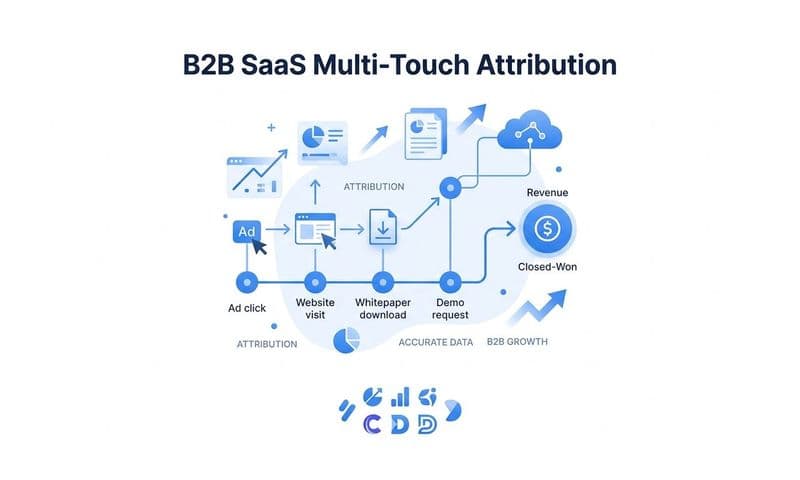
Most attribution tools stop at the lead level. Cometly goes further. It tracks the entire customer journey from first ad click through every CRM stage all the way to closed-won revenue, giving marketing teams a true picture of which campaigns are actually generating business outcomes.
The server-side Conversion API integration is particularly valuable for B2B SaaS teams dealing with longer sales cycles. By sending enriched conversion events directly from the server to Meta, Google, and other ad platforms, Cometly bypasses browser restrictions entirely. This improves event match quality and feeds ad platform algorithms better data, which translates to smarter optimization and better ROAS over time.
Key Features
Server-side Conversion API Integration: Sends enriched conversion events directly to Meta CAPI, Google Enhanced Conversions, and other ad platforms without relying on browser-based pixels.
Multi-touch Attribution: Tracks every touchpoint across the full B2B sales cycle, from first ad interaction through multiple sessions and channels to final conversion.
Stripe Revenue Integration: Connects ad spend directly to closed-won revenue by integrating with Stripe, giving marketers a real dollar return on every campaign.
AI Ads Manager: Identifies high-performing campaigns across every ad channel and surfaces recommendations for scaling or pausing spend based on actual revenue data.
Customer Journey Analytics: Provides touchpoint-level visibility into how prospects move from awareness to purchase, including which channels and creatives contribute at each stage.
70+ Native Integrations: Connects with major CRMs, ad platforms, and data tools so your attribution data flows into the systems your team already uses.
Best For
B2B SaaS marketing teams and growth leaders who need attribution that goes beyond lead volume. If you are running paid campaigns and need to know which ones are generating pipeline and revenue, not just form fills, Cometly is purpose-built for that use case. Also a strong fit for agencies managing B2B SaaS clients.
Pricing
Pricing is available on request via the Cometly website. Given the depth of attribution and revenue integration, it is positioned for teams with active paid media budgets who need accurate ROI data.
2. Segment
Best for: Teams that want a centralized, reliable server-side event pipeline routed to 400+ destinations
Segment is one of the most widely adopted customer data platforms, collecting first-party events server-side and routing them to ad platforms, CRMs, and data warehouses simultaneously.
 9 Best Conversion Tracking Alternatives to Pixels in 2026
Where This Tool Shines
Segment's strength is its role as a central event hub. Instead of managing separate pixel implementations for every ad platform and analytics tool, you instrument once and route data everywhere. This dramatically reduces the fragmentation that comes with browser-pixel-heavy setups.
The identity resolution layer is another differentiator. Segment stitches together anonymous and identified user profiles, which is particularly useful for B2B SaaS companies where a prospect might interact with your brand across multiple sessions before converting.
Key Features
Server-side Event Collection: Collects events via SDKs and HTTP API, bypassing browser restrictions and ad blockers for more reliable data capture.
400+ Destination Integrations: Includes pre-built connections to Meta CAPI, Google Enhanced Conversions, Salesforce, HubSpot, and major data warehouses.
Identity Resolution: Connects anonymous and known user profiles across sessions and devices for more complete conversion attribution.
Data Governance Tools: Schema enforcement and data validation features help maintain data quality as your event volume scales.
Real-time and Batch Forwarding: Supports both real-time event streaming and batch processing depending on destination requirements.
Best For
Engineering-led growth teams and data-forward marketing organizations that want a reliable, centralized event pipeline. Segment requires developer involvement to implement well, so it is better suited to teams with technical resources than to lean marketing teams looking for a plug-and-play solution.
Pricing
A free tier is available for smaller event volumes. Paid plans scale with monthly tracked users, so costs can grow quickly for high-traffic SaaS products.
3. Stape
Best for: Agencies and performance marketers who want server-side tracking without building custom infrastructure
Stape is a cloud hosting platform for server-side Google Tag Manager containers that makes server-side tagging accessible without requiring custom server setup or DevOps resources.
 9 Best Conversion Tracking Alternatives to Pixels in 2026
Where This Tool Shines
The biggest barrier to server-side tracking for most marketing teams has historically been infrastructure. Stape removes that barrier by hosting your server-side GTM container in the cloud, letting you configure Meta CAPI, Google Enhanced Conversions, TikTok Events API, and other server-side tags through a familiar GTM interface.
For agencies managing multiple client accounts, Stape is particularly practical. The cost of entry is low, the setup is manageable without heavy developer involvement, and the improvement in event match quality can be meaningful for clients struggling with pixel data loss.
Key Features
Managed Server-side GTM Hosting: Provides cloud infrastructure for server-side GTM containers without requiring you to manage your own servers.
Pre-built Tag Templates: Ready-made templates for Meta CAPI, Google Enhanced Conversions, TikTok Events API, and more reduce implementation time significantly.
Cookie Enrichment Tools: Extends first-party cookie lifespans to improve tracking continuity across sessions, particularly in Safari.
User Data Enrichment: Appends additional user identifiers to events to improve match rates with ad platform user profiles.
Low-cost Entry Point: One of the more affordable ways to get server-side tracking running without significant infrastructure investment.
Best For
Digital marketing agencies and in-house performance marketers who are comfortable with Google Tag Manager and want to upgrade to server-side tracking without a full engineering project. Less suited to B2B SaaS teams that need deep CRM and revenue attribution.
Pricing
Plans start at a low monthly cost and scale with server request volume, making it accessible for smaller teams and agencies managing multiple clients.
4. RudderStack
Best for: Technical teams that want full data ownership and warehouse-native architecture without vendor lock-in
RudderStack is an open-source customer data platform with server-side event streaming and a warehouse-first philosophy that appeals to engineering teams who want to own their data infrastructure.
 9 Best Conversion Tracking Alternatives to Pixels in 2026
Where This Tool Shines
RudderStack's open-source core means you can self-host the entire platform and keep your event data within your own infrastructure. For companies with strict data residency requirements or those that simply do not want to depend on a third-party vendor for their event pipeline, this is a meaningful advantage.
The warehouse-native reverse ETL capability is particularly interesting for growth teams. You can activate data that already lives in your data warehouse by syncing it back to ad platforms and CRMs, essentially turning your warehouse into a source of truth for marketing activation.
Key Features
Open-source Core: Full self-hosting option gives you complete control over your data pipeline and eliminates vendor lock-in.
Server-side Event Streaming: Routes events to ad platforms, CRMs, and data warehouses from the server, bypassing browser-side tracking limitations.
Warehouse-native Reverse ETL: Activates data from your data warehouse directly into ad platforms and marketing tools for audience building and conversion optimization.
Identity Stitching: Connects anonymous and identified user profiles across sessions for more complete attribution.
Real-time Event Transformation: Allows you to filter, enrich, and transform events in transit before they reach their destination.
Best For
Data engineering teams and technically sophisticated growth organizations that want to build a durable, owned data infrastructure. Requires significant technical investment to implement and maintain compared to managed alternatives.
Pricing
The open-source tier is free for self-hosted deployments. Cloud-hosted plans scale with event volume and are available for teams that prefer a managed experience.
5. Triple Whale
Best for: DTC and ecommerce brands that want a blended attribution view combining first-party pixel, server-side events, and post-purchase surveys
Triple Whale is an attribution and analytics platform built primarily for direct-to-consumer and ecommerce brands, combining multiple data collection methods to produce a more complete picture of channel contribution.
 9 Best Conversion Tracking Alternatives to Pixels in 2026
Where This Tool Shines
Triple Whale's approach is interesting because it does not rely on any single data source. It combines a first-party pixel, server-side event backup, and post-purchase attribution surveys into a blended attribution view that captures what browser pixels alone miss. The post-purchase survey component is particularly valuable for channels like podcast ads or influencer marketing that are difficult to track programmatically.
For a deeper dive into this space, see our guide to track programmatic ads conversions.
The creative analytics dashboard is a standout feature for performance marketers managing large Meta and TikTok ad accounts. It surfaces which creative assets are driving the most efficient conversions, not just clicks.
Key Features
First-party Pixel with Server-side Backup: Captures conversion events client-side and validates them server-side to reduce data loss from browser restrictions.
Post-purchase Attribution Surveys: Asks customers directly how they discovered the brand, capturing attribution for channels that pixels cannot track.
Meta and TikTok CAPI Integration: Sends enriched conversion events directly to ad platform APIs for improved optimization signal.
Creative Analytics: Breaks down ad performance by creative asset to identify which visuals and copy are driving efficient conversions.
Cohort Analysis and LTV Tracking: Tracks customer lifetime value by acquisition cohort to inform long-term channel investment decisions.
Best For
DTC and ecommerce brands running significant Meta and TikTok spend. Triple Whale is not purpose-built for B2B SaaS and lacks the CRM integration depth and pipeline attribution that B2B teams need.
Pricing
Paid plans are available with pricing that scales based on store revenue. Positioned for growing ecommerce brands with meaningful ad budgets.
6. Northbeam
Best for: Brands with complex cross-channel ad budgets that need ML-driven attribution beyond cookie-based pixels
Northbeam is a multi-channel attribution platform that combines server-side data collection with machine learning-driven media mix modeling to give marketers a channel contribution view that does not depend on third-party cookies.
 8 Best Warehouse Attribution Solutions for E-commerce in 2026
Where This Tool Shines
Northbeam's ML-driven media mix modeling layer is what differentiates it from simpler server-side tracking setups. Rather than relying solely on deterministic event matching, it uses statistical modeling to estimate channel contribution across the full funnel, which is particularly useful when individual-level tracking is incomplete or impossible.
The real-time spend and revenue dashboards give media buyers a fast feedback loop on campaign performance, with attribution that is more reliable than what ad platform native reporting provides.
Key Features
Cookie-free Server-side Data Collection: Collects conversion events without relying on browser cookies, making it resilient to privacy changes.
ML-driven Media Mix Modeling: Uses machine learning to estimate channel contribution from aggregate spend and outcome data.
Multi-touch Attribution: Tracks conversions across paid, organic, and direct channels with configurable attribution models.
Real-time Dashboards: Provides up-to-date spend and revenue reporting so media buyers can make fast optimization decisions.
Custom Attribution Windows: Allows configuration of attribution lookback windows to match your specific sales cycle length.
Best For
Mid-market and enterprise brands with significant cross-channel ad budgets who need attribution that goes beyond what ad platform native reporting can provide. More ecommerce and DTC focused than B2B SaaS in its current positioning.
Pricing
Pricing is available on request and is positioned for mid-market and enterprise brands with meaningful ad spend.
7. Rockerbox
Best for: Marketing ops teams that need a unified view of online and offline conversion data in a single attribution layer
Rockerbox is a unified marketing measurement platform that normalizes conversion data from online and offline channels into a single attribution view using server-side tracking and multi-touch attribution models.
Where This Tool Shines
Rockerbox's core value is normalization. If your marketing mix includes a combination of paid digital, organic, email, direct mail, events, or other offline channels, Rockerbox brings all of that data into a single consistent attribution framework. This is valuable for marketing ops teams that are currently stitching together reports from multiple disconnected sources.
The marketing mix modeling layer adds an incrementality analysis dimension, helping teams understand not just what drove conversions but what incremental lift each channel contributed beyond what would have happened anyway.
Key Features
Server-side Event Collection: Captures conversion events server-side with Conversion API integrations for major ad platforms.
Cross-channel Data Normalization: Standardizes data from paid, organic, and offline channels into a unified attribution view.
Configurable Multi-touch Attribution: Supports multiple attribution models with the ability to configure them to match your business context.
Marketing Mix Modeling: Provides incrementality analysis to help teams understand the true lift each channel contributes.
Direct Ad Platform and CRM Integrations: Connects to major ad platforms and CRMs to pull spend and conversion data automatically.
Best For
Mid-market marketing teams with complex, multi-channel marketing programs that include both online and offline touchpoints. Works well for teams that have outgrown ad platform native attribution but are not yet ready for a full enterprise measurement solution.
Pricing
Pricing is available on request and is positioned for mid-market organizations with diverse marketing channel mixes.
8. Elevar
Best for: Shopify merchants who want enriched server-side conversion events without custom server infrastructure
Elevar is a server-side tracking platform built specifically for Shopify merchants, sending enriched conversion events to Meta, Google, TikTok, Pinterest, and Snapchat to improve event match rates and reduce conversion data loss.
Where This Tool Shines
Elevar's Shopify-native architecture means setup is significantly faster than building a custom server-side tracking implementation from scratch. It handles the data layer, user identity resolution, and server-side event sending in a way that is specifically optimized for Shopify's checkout flow and event structure.
The improvement in event match rates is the primary value driver. By enriching conversion events with first-party user identifiers before sending them to ad platforms, Elevar helps Meta and Google match more conversions to the ad exposures that drove them, which improves algorithm optimization over time.
Key Features
Shopify-native Server-side Tracking: Purpose-built for Shopify's architecture, with no custom server infrastructure required.
Enriched Conversion Events: Sends first-party-enriched events to Meta CAPI, Google Enhanced Conversions, and TikTok Events API for higher match rates.
User Identity Resolution: Matches returning users across sessions to improve attribution continuity and event match quality.
Pre-built Ad Platform Templates: Ready-made configurations for major ad platforms reduce implementation time.
Accurate Ecommerce Data Layer: Ensures consistent, accurate event tracking across the full Shopify purchase funnel.
Best For
Shopify merchants running paid social and paid search campaigns who are losing conversion data to browser restrictions and ad blockers. Not relevant for B2B SaaS teams or non-Shopify ecommerce setups.
Pricing
Plans start at a monthly flat rate and scale with store order volume, making it accessible for growing Shopify brands at various revenue stages.
9. Heap
Best for: SaaS product and growth teams that need behavioral conversion data tied to actual product usage
Heap is an automatic event capture platform that retroactively records all user interactions without requiring manual event tagging, giving product and growth teams complete behavioral data from day one.
Where This Tool Shines
Heap's automatic capture approach solves a problem that plagues traditional pixel implementations: incomplete instrumentation. With a standard pixel setup, you only track the events you thought to tag in advance. With Heap, every click, form submission, page view, and interaction is captured automatically, and you can define what constitutes a "conversion" retroactively from that historical data.
For SaaS growth teams, this is particularly powerful. You can analyze which product behaviors correlate with conversion, expansion, or churn without having to go back and re-instrument your app every time you want to answer a new question.
Key Features
Automatic Event Capture: Records all user interactions without requiring pre-defined event tags, eliminating instrumentation gaps.
Retroactive Event Definition: Allows you to define conversion events from historical data, so you can answer questions about the past without re-tagging.
Server-side and Client-side Collection: Supports both collection methods for flexibility in how data is captured and processed.
Session Replay and Funnel Analysis: Provides qualitative context alongside quantitative conversion data to understand where users drop off.
CRM and Warehouse Integrations: Connects behavioral data to revenue data for correlation analysis between product usage and business outcomes.
Best For
Product-led growth teams at SaaS companies who want to understand behavioral conversion patterns within their product. Complements attribution platforms rather than replacing them, since Heap focuses on in-product behavior rather than pre-acquisition channel attribution.
Pricing
A free tier is available for smaller session volumes. Paid plans scale with monthly sessions and are available for teams with higher data capture needs.
Which Tool Is Right for Your Team
The right choice depends heavily on your business model, technical resources, and what you actually need to measure.
If you are a B2B SaaS company that needs to connect ad spend to pipeline and closed-won revenue, Cometly is the clearest fit. It is built specifically for that use case, with server-side CAPI integration, CRM-level attribution, Stripe revenue data, and AI-powered recommendations all in one platform. No other tool on this list combines those capabilities with the same depth of B2B SaaS focus.
For teams that need a centralized event pipeline to feed multiple tools simultaneously, Segment and RudderStack are the strongest options. Segment is better for teams that want a managed, developer-friendly experience. RudderStack suits those who want open-source control and warehouse-native architecture.
If you are an agency or performance marketer looking to upgrade from browser pixels without a major infrastructure project, Stape offers a practical, low-cost path into server-side tracking via Google Tag Manager.
For ecommerce and DTC brands, Triple Whale and Northbeam provide the blended attribution views that pixel-only setups cannot deliver. Elevar is the go-to for Shopify merchants specifically. Rockerbox works well for teams with complex multi-channel mixes that include offline touchpoints.
And if you are a SaaS growth team focused on in-product behavioral data, Heap fills a gap that attribution platforms do not address.
The shift away from browser pixels is not optional at this point. The data quality gap between pixel-dependent tracking and server-side alternatives is real and growing. The tools on this list give you a clear path forward. If you are ready to see exactly which ads and campaigns are driving revenue, not just clicks, Get your free demo of Cometly and start building attribution you can actually trust.