
Direct-to-consumer brands live and die by their data. With ad costs rising and customer journeys spanning multiple touchpoints, knowing which channels actually drive purchases is no longer optional. A dedicated D2C brand tracking solution connects your ad spend, website behavior, and revenue data so you can stop guessing and start scaling what works.
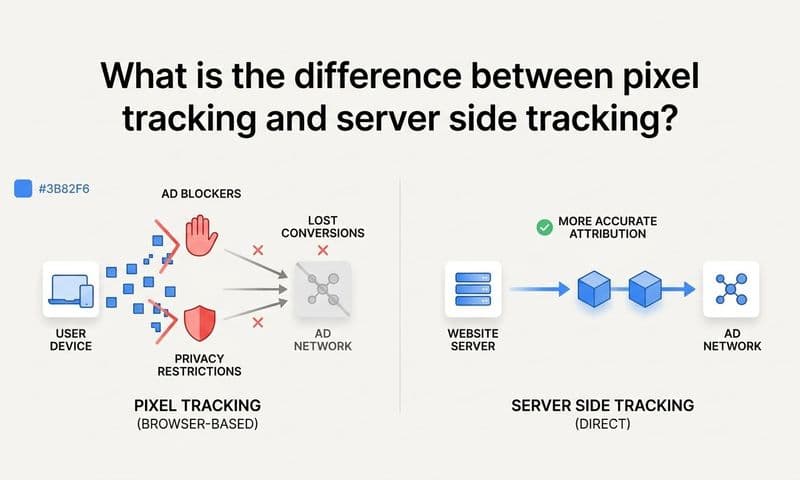
Third-party cookie deprecation and iOS privacy changes have made platform-reported data increasingly unreliable. Brands can no longer depend on native ad dashboards to understand true return on ad spend. The tools in this guide address that gap with server-side tracking, multi-touch attribution, and customer journey analytics that give you a more complete and accurate picture of performance.
Here are the top D2C brand tracking solutions available in 2026, evaluated on attribution accuracy, ease of integration, reporting depth, and value for growth-stage teams running paid social, search, email, and influencer campaigns.
1. Cometly
Best for: Growth-focused D2C brands that need real-time multi-touch attribution connected to actual revenue.
Cometly is a marketing attribution and analytics platform that connects ad spend, CRM data, and website behavior to show exactly which campaigns drive revenue.
 9 Best Attribution Platforms for Agencies in 2026
Where This Tool Shines
Cometly is built for teams that are tired of reconciling conflicting numbers across ad platforms, their CRM, and Shopify. It pulls everything into a single source of truth, from the first ad click through to closed revenue, so you can see the complete customer journey without stitching together multiple reports manually.
What separates Cometly from many D2C tracking tools is its AI ads manager, which goes beyond reporting to surface actionable recommendations. Instead of just showing you what happened, it tells you which creatives to scale, which channels are underdelivering, and where your budget should shift. For teams managing significant ad spend across multiple channels, that layer of intelligence is genuinely useful.
Key Features
Multi-Touch Attribution: Tracks every touchpoint across all major ad platforms using multiple attribution models so you understand the full path to purchase.
Server-Side Conversion API Integration: Native CAPI setup for Meta, Google Enhanced Conversions, and TikTok Events API ensures cleaner signal data even as browser-based tracking degrades.
AI Ads Manager: Surfaces performance recommendations based on your actual conversion and revenue data, not just platform-reported metrics.
Customer Journey Analytics: Visualizes the complete path from first click to closed revenue, including multi-session and cross-channel journeys.
70+ Native Integrations: Connects directly with Shopify, Stripe, and major CRMs so revenue data flows into attribution reporting automatically.
Real-Time Revenue Dashboards: Pipeline and revenue attribution data updates in real time, giving teams an accurate view of campaign performance without waiting for delayed reporting.
Best For
D2C brands running paid campaigns across multiple channels who need attribution that connects ad spend directly to revenue, not just clicks or leads. Particularly strong for teams that want AI-driven recommendations alongside their attribution data and need clean server-side tracking to compensate for signal loss.
Pricing
Paid plans available with pricing based on ad spend or data volume. Visit cometly.com for current pricing details.
2. Triple Whale
Best for: Shopify-native D2C brands that want a unified dashboard with creative analytics built in.
Triple Whale is a Shopify-native analytics platform that combines pixel-based and server-side attribution with creative performance data in a single interface.
 9 Best D2C Brand Tracking Solutions in 2026
Where This Tool Shines
Triple Whale has built a strong reputation in the D2C community for its clean, accessible dashboard that surfaces the metrics operators care about most: blended ROAS, new customer acquisition cost, and channel-level contribution. It is designed to be usable by founders and media buyers without requiring a data analyst to interpret the output.
The creative analytics module is a genuine differentiator. Rather than tracking channel performance in isolation, Triple Whale connects ad creative assets to revenue outcomes, helping teams understand which visuals and copy styles are actually driving purchases rather than just generating clicks.
Key Features
Blended Attribution Models: Supports first-click, last-click, and linear attribution so you can compare how different models affect channel credit.
Creative Analytics: Links specific ad assets to downstream revenue, making it easier to identify which creative concepts to scale.
Shopify Revenue Syncing: Pulls order and revenue data directly from Shopify and aligns it with ad platform spend data.
Sonar Pixel: An enhanced tracking pixel designed to recover signal lost to ad blockers and browser privacy restrictions.
Summary Dashboard: A single-screen view of key D2C performance metrics, useful for daily operational reviews.
Best For
Shopify-based D2C brands, particularly those with active paid social programs, who want an accessible attribution and creative analytics tool without heavy technical setup. Strong fit for founder-led teams and media buyers who want fast, clear answers.
Pricing
Starts at approximately $129/month for smaller Shopify stores; scales with monthly revenue.
3. Northbeam
Best for: High-spend D2C brands that need machine learning attribution and media mix modeling.
Northbeam is an enterprise attribution platform that combines multi-touch attribution with ML-based media mix modeling for brands with complex, high-volume ad programs.
 9 Best D2C Brand Tracking Solutions in 2026
Where This Tool Shines
Northbeam is designed for brands that have outgrown standard pixel-based attribution and need statistical modeling to understand performance at scale. Its machine learning engine models conversions even when individual user-level tracking is incomplete, which is increasingly relevant as privacy restrictions tighten.
The media mix modeling layer is particularly valuable for brands running significant spend across multiple channels simultaneously. Rather than just reporting on what happened, Northbeam helps teams understand how budget allocation decisions affect overall revenue, giving them a more strategic view of their marketing investment.
Key Features
ML-Based Attribution: Models conversions without full pixel reliance, reducing the impact of tracking gaps caused by privacy restrictions.
Media Mix Modeling: Statistical modeling that guides budget allocation decisions across channels based on incremental impact.
Cross-Channel Reporting: Covers paid, organic, and email channels in a unified reporting view.
Custom Attribution Windows: Allows teams to set and compare different attribution windows to match their actual sales cycle.
Incrementality Testing Support: Helps brands measure the true incremental lift of their campaigns beyond correlation-based attribution.
Best For
D2C brands spending at a significant scale, typically $1M or more annually on advertising, who need attribution that goes beyond standard pixel data and want media mix modeling to inform strategic budget decisions.
Pricing
Custom pricing based on ad spend. Best suited for brands with substantial advertising budgets; contact Northbeam directly for a quote.
4. Rockerbox
Best for: Omnichannel D2C brands running both digital and offline marketing campaigns.
Rockerbox is a unified marketing measurement platform that consolidates digital and offline channel data into a single attribution view.
 9 Best Advanced Attribution Modeling Software Tools in 2026
Where This Tool Shines
Most D2C attribution tools are built around digital channels, which creates a blind spot for brands that also invest in TV, podcasts, direct mail, or out-of-home advertising. Rockerbox closes that gap by bringing offline channel data into the same reporting framework as paid social, search, and email.
This unified view matters because offline campaigns often influence online conversions in ways that purely digital attribution misses. Rockerbox uses a combination of server-side tracking, promo codes, and survey-based attribution to connect offline exposure to online purchase behavior.
Key Features
Digital and Offline Unification: Combines performance data from digital channels alongside TV, podcast, direct mail, and other offline sources.
Server-Side Tracking: Reduces reliance on browser-based pixels for digital channel measurement.
Multi-Touch Attribution: Customizable attribution models that can be applied across both digital and offline touchpoints.
Offline Attribution Methods: Uses promo codes and post-purchase surveys to connect offline campaigns to online conversions.
Platform Integrations: Connects with major ad platforms, Shopify, and CRMs for centralized data management.
Best For
Omnichannel D2C brands that run meaningful offline marketing budgets alongside digital campaigns and need a single attribution view that captures the full picture of what is driving customer acquisition.
Pricing
Custom pricing based on data volume and channels tracked. Contact Rockerbox directly for a quote.
5. Elevar
Best for: Shopify brands and agencies focused on improving the quality of conversion data sent to ad platforms.
Elevar is a data layer and server-side tracking platform built specifically for Shopify that focuses on improving conversion signal quality for Meta, Google, TikTok, and other ad platforms.
 9 Best Conversion API Tools for Marketers in 2026
Where This Tool Shines
Elevar takes a different approach than most tools on this list. Rather than being primarily an attribution or analytics platform, it focuses on the data quality problem upstream: ensuring that the conversion events you send to ad platforms are accurate, complete, and structured correctly. This matters because ad platform algorithms rely on conversion signals to optimize targeting and bidding.
For Shopify brands dealing with signal loss from iOS changes and ad blockers, Elevar's server-side CAPI setup can meaningfully improve the match rates and event quality scores that Meta and Google use for optimization. Many agencies use Elevar as the foundation layer before adding attribution tools on top.
Key Features
Server-Side CAPI Setup: Pre-built Conversion API integrations for Meta, Google Enhanced Conversions, TikTok, and Pinterest with structured implementation.
Shopify Data Layer: Structured event tracking that captures consistent, well-formatted data across the entire Shopify purchase funnel.
Consent Management: Tools to manage user consent and ensure tracking aligns with privacy preferences.
Error Monitoring: Detects tracking gaps and errors so teams can identify and fix data quality issues proactively.
Pre-Built App Integrations: Connects with major Shopify apps to maintain tracking continuity across the full tech stack.
Best For
Shopify brands and e-commerce agencies that want to improve the quality of conversion data flowing to ad platforms, particularly those experiencing signal loss and looking to improve ad platform optimization performance.
Pricing
Plans start at around $50/month; higher tiers are available for brands with larger order volumes.
6. Polar Analytics
Best for: D2C operators who want connected data dashboards without relying on engineering resources.
Polar Analytics is a no-code data consolidation platform that pulls Shopify, ad platform, and CRM data into a unified analytics layer designed for non-technical operators.
 9 Best Shopify Attribution Apps Compared: Find Your Perfect Match in 2026
Where This Tool Shines
Polar Analytics solves a common problem for growing D2C brands: the data exists across multiple platforms, but there is no clean, connected view of what is actually happening across acquisition, retention, and profitability. Polar pulls all of that data together without requiring SQL knowledge or engineering support.
The pre-built D2C dashboards are thoughtfully designed around the metrics that operators and growth teams actually track: blended ROAS, contribution margin, customer cohort performance, and LTV by acquisition channel. This makes it genuinely useful for day-to-day decision making rather than just periodic reporting.
Key Features
No-Code Connectors: Pulls data from Shopify, Meta, Google, TikTok, Klaviyo, and other platforms without engineering work.
Pre-Built D2C Dashboards: Ready-to-use views for acquisition, retention, and profitability metrics tailored to e-commerce operators.
Cohort Analysis and LTV Reporting: Tracks customer cohort behavior over time and surfaces lifetime value by acquisition source.
Blended ROAS and Contribution Margin: Combines ad spend and revenue data to show true profitability, not just surface-level ROAS.
Metric Alerts: Automated alerts when key metrics move outside expected ranges, enabling faster response to performance changes.
Best For
D2C brand operators, growth marketers, and founders who want clean, connected data across their full stack without building a custom data infrastructure or hiring a data analyst.
Pricing
Starts at approximately $300/month; scales with Shopify revenue.
7. Affluent
Best for: D2C brands and agencies managing large-scale affiliate or influencer partner programs.
Affluent is an affiliate and partner marketing analytics platform that aggregates performance data from multiple affiliate networks into a single reporting interface.
Where This Tool Shines
Managing affiliate programs across multiple networks creates a fragmented reporting problem. Each network has its own dashboard, its own data formats, and its own reporting cadence. Affluent solves this by pulling data from Commission Junction, ShareASale, Impact, and other networks into a unified view where you can compare partner performance, track commissions, and identify trends across your entire affiliate program.
For D2C brands that rely on affiliate and influencer partnerships as a meaningful acquisition channel, having consolidated reporting is essential for understanding which partners are driving incremental revenue versus those that primarily capture customers who would have converted anyway.
Key Features
Multi-Network Aggregation: Pulls data from Commission Junction, ShareASale, Impact, and other major affiliate networks into one interface.
Partner Performance Comparison: Side-by-side analysis of affiliate and influencer partner performance across networks.
Automated Report Delivery: Scheduled reports delivered to stakeholders without manual export and formatting work.
Commission and Revenue Tracking: Tracks commissions, clicks, and revenue by individual affiliate or partner.
Agency Multi-Brand Views: Custom dashboard configurations for agencies managing affiliate programs across multiple brand clients.
Best For
D2C brands with active affiliate programs spanning multiple networks, and agencies managing partner marketing programs for multiple clients who need consolidated performance reporting.
Pricing
Contact Affluent directly for current pricing; plans vary based on the number of networks connected and user seats required.
8. Glew.io
Best for: D2C brands focused on customer profitability, retention metrics, and product-level performance analysis.
Glew.io is a customer and product analytics platform that surfaces LTV, cohort behavior, and product performance data alongside channel-level attribution reporting.
Where This Tool Shines
Where many D2C tracking tools focus primarily on acquisition and channel attribution, Glew.io goes deeper into the post-purchase customer relationship. It surfaces which customers are most valuable over time, which products drive repeat purchases, and how cohort behavior varies by acquisition channel. This makes it particularly useful for brands where retention and LTV are as important as initial conversion cost.
The combination of customer analytics and channel attribution in a single platform means teams can connect acquisition decisions to long-term customer value, rather than optimizing purely for first-purchase ROAS.
Key Features
Customer Lifetime Value Analysis: Tracks LTV and repeat purchase rates by customer segment and acquisition source.
Cohort Analysis: Compares customer cohort behavior by acquisition channel, time period, or product category.
Product Performance Analytics: Surfaces which products drive the highest revenue, margins, and repeat purchase behavior.
Multi-Channel Attribution: Channel-level attribution reporting alongside customer and product analytics in a unified view.
E-Commerce Integrations: Connects with Shopify, WooCommerce, and major ad platforms for centralized data management.
Best For
D2C brands that prioritize customer retention and profitability alongside acquisition, particularly those with product catalogs where repeat purchase behavior varies significantly across categories.
Pricing
Plans start at around $79/month; Glew Pro and enterprise tiers are available for larger brands with more complex reporting needs.
9. Segment
Best for: Technically capable D2C teams building a flexible, composable first-party data infrastructure.
Segment is a customer data platform (CDP) that collects, cleans, and routes first-party event data to any downstream tool in your marketing and analytics stack.
Where This Tool Shines
Segment operates at a different level than most tools on this list. Rather than being a standalone attribution or analytics product, it is the data infrastructure layer that makes all your other tools work better. It collects events from your website, mobile app, and servers, then routes clean, structured data to over 400 downstream destinations including ad platforms, CRMs, data warehouses, and analytics tools.
For D2C teams that want maximum flexibility and are willing to invest in technical setup, Segment removes the fragmentation problem at its root. Instead of every tool collecting its own version of your customer data, Segment becomes the single collection point, ensuring consistency across your entire stack.
Key Features
Centralized Event Collection: Collects user events from web, mobile, and server sources in a single, structured format.
400+ Destination Integrations: Routes data to ad platforms, CRMs, analytics tools, and data warehouses without custom engineering for each connection.
Identity Resolution: Unifies anonymous and known user profiles to create a complete picture of individual customer journeys.
Audience Building: Creates audiences from first-party data for personalization, retargeting, and suppression campaigns.
Data Governance: Schema enforcement and data governance tools to maintain data quality and consistency across the stack.
Best For
D2C brands with engineering resources that want to build a flexible, future-proof first-party data infrastructure. Less suited for teams looking for a plug-and-play attribution solution; better for those building a composable data stack.
Pricing
Free tier available for up to 1,000 monthly tracked users; paid plans scale with data volume and usage.
Which Tool Is Right for Your Brand?
The best D2C brand tracking solution depends on where you are in your growth journey and which data problems are costing you the most right now.
If you need a complete attribution platform that connects ad spend to actual revenue with AI-powered recommendations and server-side tracking built in, Cometly is the strongest all-around choice for growth-focused D2C teams. It covers the full customer journey from first click to closed revenue without requiring you to stitch together multiple tools.
For Shopify-native brands that want accessible attribution with creative analytics, Triple Whale is a natural fit. If you are spending at significant scale and need media mix modeling, Northbeam is worth the investment. Rockerbox stands out for omnichannel brands with meaningful offline budgets, while Elevar is the go-to for teams focused on improving conversion data quality at the source.
Polar Analytics works well for operators who want clean, connected dashboards without engineering support. Glew.io suits brands where customer retention and LTV are central to the growth strategy. Affluent is the clear choice for brands running complex affiliate programs across multiple networks. And Segment is the right foundation for technically capable teams building a composable, long-term data infrastructure.
The common thread across all of these tools is the shift toward first-party data and server-side tracking. Whichever platform you choose, prioritizing clean data collection and accurate attribution will pay dividends as privacy restrictions continue to tighten.
Ready to elevate your marketing game with precision and confidence? Discover how Cometly's AI-driven recommendations can transform your ad strategy. Get your free demo today and start capturing every touchpoint to maximize your conversions.