Running campaigns across Meta, Google, TikTok, LinkedIn, and beyond sounds like a growth strategy. But without the right tracking in place, it quickly becomes an exercise in guesswork. Which channel actually drove that conversion? Was it the first ad someone clicked three weeks ago, or the retargeting ad they saw yesterday? These are the questions that separate marketers who scale confidently from those who waste budget and hope for the best.
The core challenge is fragmentation. Every platform has its own reporting dashboard, its own attribution logic, and its own incentive to take credit for every sale. Without an independent tracking layer, you're essentially letting the platforms grade their own homework.
The tools on this list were selected based on attribution accuracy, cross-platform coverage, ease of integration, AI-powered insights, and pricing flexibility. Whether you're a lean growth team or a multi-channel agency managing significant ad spend, there's a solution here that fits your needs.
1. Cometly
Best for: Marketers who need accurate multi-touch attribution and AI-powered optimization across all paid channels.
Cometly is an AI-powered marketing attribution platform that connects every touchpoint from the first ad click to closed revenue, with server-side tracking and conversion sync built in.
 9 Best Marketing Performance Tracking Tools in 2026
Where This Tool Shines
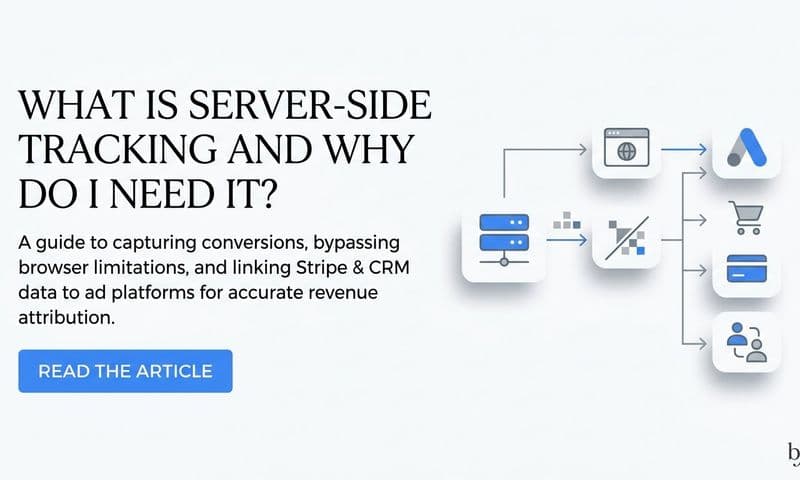
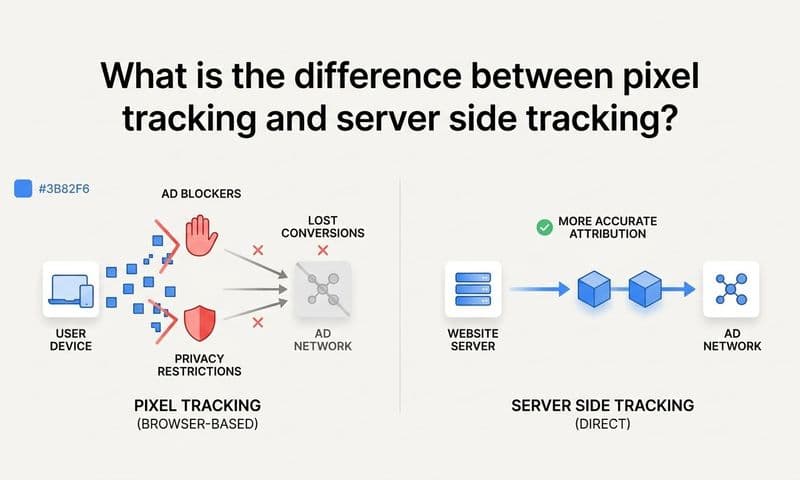
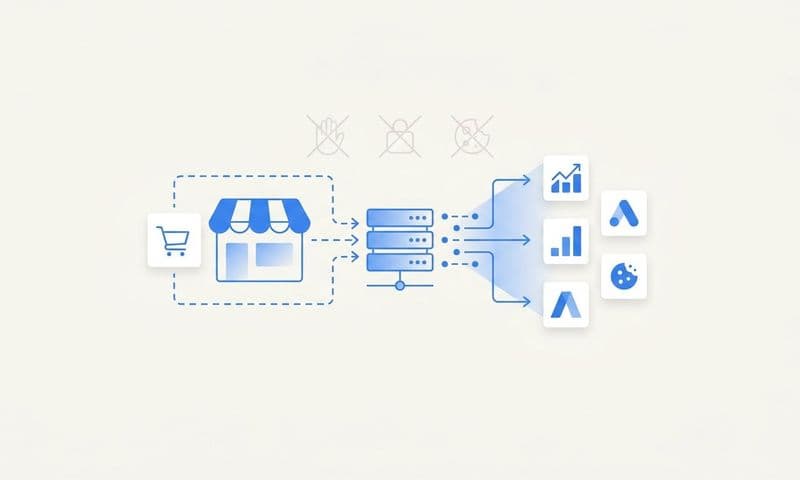
Cometly solves one of the most persistent problems in modern marketing: knowing which ads are actually driving revenue rather than just clicks. By using server-side tracking, it captures conversion data that browser-based pixels routinely miss, especially in a landscape shaped by iOS privacy changes and cookie restrictions.
What makes Cometly stand out further is its Conversion Sync feature, which sends enriched conversion data back to Meta, Google, and other ad platforms. This feeds better signals to their machine learning algorithms, improving targeting and optimization over time. You're not just measuring performance; you're actively improving it.
Key Features
Multi-Touch Attribution: Tracks every paid channel touchpoint with support for multiple attribution models including first-touch, last-touch, and data-driven, giving you a complete view of the customer journey.
Server-Side Tracking: Overcomes iOS and browser-based tracking limitations by capturing conversion events directly from the server, dramatically improving data accuracy.
Conversion Sync: Sends enriched, conversion-ready events back to Meta, Google, and other ad platforms to improve their targeting algorithms and ad ROI.
AI Ads Manager: Provides intelligent budget allocation recommendations based on real attribution data, so you know exactly where to scale and where to pull back.
AI Chat: Lets you query your marketing data in plain language, making it easy to surface insights without digging through dashboards manually.
Best For
Cometly is built for digital marketers, growth teams, and agencies running paid campaigns across multiple platforms who need accurate attribution data and actionable AI recommendations. It's especially valuable for teams frustrated by platform-reported metrics that don't match actual business outcomes.
Pricing
Custom pricing based on ad spend volume. A free demo is available to explore the platform before committing.
2. Google Analytics 4
Best for: Teams deeply integrated with the Google ecosystem who need flexible, event-based web and app tracking.
Google Analytics 4 is Google's event-based analytics platform offering web and app tracking, predictive audiences, and native integration with Google Ads.
 11 Best Marketing Analytics Tools to Track and Optimize Campaign Performance in 2026
Where This Tool Shines
GA4's event-based data model is a significant upgrade from its predecessor. Rather than relying on predefined session metrics, it tracks individual user interactions as events, giving you far more flexibility in how you measure behavior. This makes it powerful for teams that want to define and track custom conversion paths.
Its native connection to Google Ads is a genuine advantage for teams running search and display campaigns. Audiences built in GA4 can flow directly into Google Ads for targeting, and conversion data syncs automatically, reducing the setup complexity that comes with third-party integrations.
Key Features
Event-Based Data Model: Tracks any user interaction as a custom event, enabling highly flexible measurement of the actions that matter most to your business.
Predictive Metrics: Surfaces purchase probability and churn probability scores based on behavioral patterns, helping you prioritize high-value audiences.
Google Ads Integration: Native connection for conversion tracking and audience building directly from your analytics data.
BigQuery Export: Exports raw event-level data to BigQuery for advanced SQL-based analysis and custom reporting.
Cross-Device Tracking: Uses Google signals to stitch together user journeys across devices and platforms.
Best For
GA4 is ideal for businesses already invested in Google Ads and the broader Google Marketing Platform. It works best as a foundational analytics layer rather than a standalone attribution solution for multi-platform campaigns.
Pricing
Free for standard use. GA4 360 (the enterprise version) starts at approximately $50,000 per year and includes higher data limits, SLAs, and advanced features.
3. Triple Whale
Best for: Shopify brands that want ecommerce-native attribution with creative performance analytics.
Triple Whale is an ecommerce-focused attribution and analytics platform built primarily for Shopify brands, consolidating ROAS, LTV, and creative data in one dashboard.
 7 Best Funnel.io Alternatives for Marketing Data Analytics in 2026
Where This Tool Shines
Triple Whale was designed with direct-to-consumer ecommerce in mind, and it shows. Its Shopify-native integration means setup is fast and the data it pulls is tightly aligned with the metrics that matter to product-based businesses: revenue per order, customer lifetime value, and repeat purchase rates.
The creative analytics layer is particularly useful for teams running heavy Meta and TikTok campaigns. Rather than jumping between ad managers to evaluate creative performance, you can see which specific ads and formats are driving the best results, all in one view.
Key Features
Shopify-Native Pixel: First-party tracking built specifically for Shopify stores, providing accurate order attribution without heavy developer work.
Creative Analytics: Breaks down performance by individual ad creatives to identify what's working and where to invest creative resources.
Customer Journey Mapping: Visualizes the path from first click to purchase across touchpoints.
Cohort Analysis: Tracks LTV and retention over time to understand the long-term value of different acquisition channels.
AI Summary Reports: Automated anomaly detection and performance summaries to flag changes in your data before they become problems.
Best For
Triple Whale is best suited for direct-to-consumer Shopify brands running paid social campaigns who want a clean, ecommerce-first analytics experience without needing a data team to manage it.
Pricing
Plans start around $100 per month and scale based on store revenue. Higher tiers unlock advanced features like cohort analysis and AI tools.
4. Northbeam
Best for: High-spend brands that need a hybrid attribution approach combining multi-touch attribution with media mix modeling.
Northbeam is an advanced attribution platform that blends multi-touch attribution with media mix modeling for a more complete measurement picture.
 9 Best Attribution Tool Subscriptions for Marketing Teams in 2026
Where This Tool Shines
Most attribution tools force you to choose between MTA (which tracks individual touchpoints) and MMM (which models channel-level impact statistically). Northbeam takes a hybrid approach, combining both methodologies to give brands a more robust view of what's actually driving growth. This matters most when you're running campaigns at scale across channels where individual-level tracking is difficult.
Northbeam also offers incrementality testing capabilities, which go beyond attribution to measure the true causal impact of your advertising. This is the kind of measurement sophistication that larger brands need when platform-reported ROAS starts to feel unreliable.
Key Features
Hybrid MMM and MTA: Combines statistical media mix modeling with individual-level multi-touch attribution for a more complete measurement framework.
Customizable Attribution Models: Flexible attribution windows and model configurations to match your specific sales cycle.
Creative Analytics: Spend and performance breakdowns at the creative level to guide production priorities.
Incrementality Testing: Measures the true lift driven by specific campaigns or channels.
Budget Optimization Recommendations: Cross-channel suggestions for reallocating spend based on measured performance.
Best For
Northbeam is designed for brands spending significant amounts on paid advertising, typically $50,000 or more per month, who need enterprise-grade measurement and are ready to invest in a more sophisticated analytics approach.
Pricing
Custom pricing. Generally positioned for brands with substantial monthly ad budgets. Contact their team for a quote.
5. Hyros
Best for: High-ticket businesses, info-product sellers, and companies with long or phone-based sales cycles.
Hyros is an ad tracking and attribution platform built for businesses where the path from ad click to conversion spans days, weeks, or multiple offline touchpoints.
 7 Best Northbeam Alternatives for Small Business in 2026
Where This Tool Shines
Standard attribution tools struggle with long sales cycles. If someone clicks an ad, joins an email sequence, attends a webinar, and books a call two weeks later, most platforms lose the thread entirely. Hyros is built specifically to handle this kind of extended journey, tracking users across landing pages, email sequences, and checkout flows with a long attribution window.
The call tracking integration is a meaningful differentiator for businesses where phone conversations are a primary conversion mechanism. Connecting inbound calls back to the original ad source is a capability that most marketing analytics platforms simply don't offer out of the box.
Key Features
Long-Window Attribution: Tracks conversions across extended sales cycles that span weeks or months, not just days.
Call Tracking Integration: Connects phone-based conversions back to their originating ad source.
Deep Funnel Tracking: Follows users across landing pages, email sequences, and checkout flows.
AI Ad Optimization: Provides recommendations for improving ad performance based on full-funnel attribution data.
Print Tracking: Extends attribution to direct mail campaigns for businesses running offline channels alongside digital.
Best For
Hyros is the right fit for coaches, course creators, high-ticket service providers, and B2C businesses with complex funnels where the conversion happens long after the first ad interaction and often involves offline touchpoints.
Pricing
Plans start around $99 per month, with higher tiers available for enterprise features and larger data volumes.
6. Rockerbox
Best for: Brands running a mix of digital and offline channels who need unified attribution across all of them.
Rockerbox is a cross-channel marketing attribution platform that measures digital and offline media including TV, direct mail, and podcasts alongside paid digital campaigns.
 9 Best Marketing Attribution Platforms for Startups in 2026
Where This Tool Shines
Most attribution platforms are built around digital channels and treat offline media as an afterthought. Rockerbox flips this assumption, making offline channel measurement a core part of its offering. If you're running linear TV, streaming audio, direct mail, or podcast sponsorships alongside your Meta and Google campaigns, Rockerbox can bring all of that data into a single attribution view.
The deduplication capability is also worth highlighting. When multiple channels touch the same conversion, Rockerbox applies logic to prevent double-counting, which is a common problem that inflates reported ROAS when you're pulling data from multiple platform dashboards.
Key Features
Offline Channel Measurement: Tracks performance from TV, radio, direct mail, and other offline media alongside digital campaigns.
Multi-Touch Attribution: Customizable attribution models to reflect how your business actually values different touchpoints.
Deduplicated Conversion Tracking: Prevents double-counting conversions across overlapping channels.
Budget Pacing Dashboards: Monitors spend against targets in real time to keep campaigns on track.
Platform Integrations: Connects with major ad platforms and ecommerce systems for centralized data ingestion.
Best For
Rockerbox is ideal for mid-market to enterprise brands that invest in both digital and offline advertising and need a unified measurement framework that covers the full media mix.
Pricing
Custom pricing based on the number of channels tracked and data volume. Reach out to their team for a tailored quote.
7. Supermetrics
Best for: Marketing analysts and reporting teams who need to centralize data from many platforms into spreadsheets or BI tools.
Supermetrics is a marketing data pipeline tool that pulls performance data from over 100 platforms into your preferred reporting environment.
 9 Best Marketing Performance Tracking Tools in 2026
Where This Tool Shines
Supermetrics doesn't do attribution in the traditional sense. Instead, it solves a different but equally real problem: getting your marketing data out of siloed platform dashboards and into a place where you can actually analyze it. If your reporting workflow lives in Google Sheets, Looker Studio, or a data warehouse like BigQuery or Snowflake, Supermetrics makes that data flow automatic.
The breadth of its connector library is genuinely impressive. From niche ad networks to CRM platforms to social analytics tools, Supermetrics likely has a connector for whatever you're running. This makes it a practical choice for agencies managing diverse client stacks.
Key Features
100+ Data Connectors: Pulls data from virtually every major ad platform, analytics tool, and CRM into your reporting stack.
Flexible Destinations: Sends data to Google Sheets, Looker Studio, BigQuery, Snowflake, Excel, and more.
Automated Refresh Scheduling: Keeps your reports updated automatically without manual exports.
Pre-Built Templates: Ready-made reporting templates for common marketing KPIs to accelerate setup.
Data Blending: Combines data from multiple sources in a single report for cross-channel analysis.
Best For
Supermetrics is best for marketing analysts, reporting specialists, and agencies who need a reliable data pipeline rather than a dedicated attribution platform. It works best as part of a broader analytics stack.
Pricing
Starts around $39 per month per destination. Pricing scales with the number of data connectors and usage volume.
8. Funnel.io
Best for: Enterprise marketing teams that need a governed, scalable data hub for collecting and transforming marketing data.
Funnel.io is an enterprise-grade marketing data hub that automates data collection, transformation, and delivery from hundreds of marketing platforms into your analytics infrastructure.
Where This Tool Shines
Where Supermetrics is built for analysts who want data in spreadsheets, Funnel.io is built for data-mature organizations that need a robust, governed layer between their raw marketing data and their BI tools. Its built-in transformation and normalization capabilities mean you can standardize metric definitions across teams and platforms before data ever hits your dashboard.
The data governance features are particularly valuable for larger organizations where inconsistent metric definitions cause reporting confusion. When your paid search team, social team, and leadership are all looking at the same numbers with the same definitions, decision-making gets significantly cleaner.
Key Features
500+ Data Connectors: One of the most extensive connector libraries available, spanning advertising, analytics, and CRM platforms.
Data Transformation Layer: Built-in tools to normalize and standardize data before it reaches your reporting tools.
Data Governance: Ensures consistent metric definitions and data quality across teams and reports.
Flexible Export Options: Delivers clean data to BI tools, data warehouses, and dashboards of your choice.
Cost Data Standardization: Automatically handles currency conversion and cost normalization across platforms.
Best For
Funnel.io is built for enterprise marketing teams and data-driven organizations that need a scalable, well-governed marketing data infrastructure rather than a simple reporting connector.
Pricing
Starts around $1,000 per month, with enterprise plans priced based on data volume and connector requirements.
9. HubSpot Marketing Hub
Best for: B2B teams and inbound marketers who want closed-loop reporting that ties marketing activity directly to CRM pipeline and revenue.
HubSpot Marketing Hub is an all-in-one marketing platform with built-in campaign analytics, automation, and a native CRM that connects marketing performance to sales outcomes.
Where This Tool Shines
HubSpot's real strength is the native CRM connection. Most marketing analytics tools stop at the conversion event, whether that's a form fill, a purchase, or a lead. HubSpot goes further by tracking what happens after the conversion, connecting marketing touchpoints all the way through the sales pipeline to closed revenue. For B2B teams, this closed-loop reporting is genuinely powerful.
The combination of campaign analytics, email marketing, landing pages, automation workflows, and ad management in a single platform also reduces the integration overhead that comes with stitching together multiple specialized tools. For teams that want to consolidate their marketing stack, HubSpot offers a compelling all-in-one argument.
Key Features
Native CRM Integration: Connects marketing touchpoints directly to contact records, deals, and revenue in the HubSpot CRM for true closed-loop reporting.
Campaign Performance Dashboards: Revenue attribution reports that show which campaigns and channels are influencing pipeline and deals.
Built-In Marketing Tools: Email marketing, landing page builder, and automation workflows all connected to the same data layer.
Ad Tracking and Management: Manages and tracks Google, Meta, and LinkedIn ads from within HubSpot with contact-level attribution.
Contact-Level Journey Analytics: Tracks individual contact interactions across every marketing touchpoint from first visit to close.
Best For
HubSpot Marketing Hub is the right choice for B2B companies and inbound marketing teams that want a unified platform connecting marketing activity to CRM data, especially those already using HubSpot's CRM or Sales Hub.
Pricing
A free tier is available with basic features. Professional starts at $800 per month; Enterprise starts at $3,600 per month.
Choosing the Right Tool for Your Marketing Stack
The tools covered here span a wide range of use cases, from dedicated attribution platforms to data pipeline tools to all-in-one marketing suites. The right choice depends on where your biggest measurement gap actually is.
If your priority is accurate cross-channel attribution with AI-powered optimization, Cometly is the strongest starting point. Its server-side tracking addresses the data accuracy problems that plague browser-based pixels, and its Conversion Sync feature actively improves your ad platform algorithms rather than just reporting on them. For teams running paid campaigns across multiple platforms who need to know what's actually driving revenue, it's built for exactly that problem.
For Shopify-native ecommerce brands focused on paid social, Triple Whale offers a clean, purpose-built experience. For high-ticket businesses with long sales cycles, Hyros handles the attribution complexity that most tools ignore. If you need offline channel measurement alongside digital, Rockerbox fills that gap. For teams that need a scalable data pipeline rather than attribution, Supermetrics and Funnel.io are the specialists.
The common thread across all of these tools is the move away from relying on platform-reported metrics. Every ad platform has an incentive to show you favorable numbers. Independent tracking gives you the ground truth you need to allocate budget with confidence, cut what's not working, and scale what is.
Accurate attribution isn't just a reporting exercise. It's the foundation of every smart budget decision you make. If you're ready to move beyond guesswork and start connecting every ad touchpoint to real revenue, Get your free demo of Cometly today and see exactly what's driving results in your campaigns.