When you run paid ads across multiple channels, knowing which campaigns actually drive purchases is the difference between scaling profitably and burning budget. Purchase attribution tracking software connects your ad spend to real revenue events, so your team can make decisions based on facts rather than assumptions.
But not every tool is built the same. Some are designed for ecommerce, others for B2B SaaS. Some rely on pixel-based tracking that breaks under browser restrictions, while others use server-side methods that capture far more data. This list covers the best purchase attribution tracking tools available in 2026, evaluated on tracking accuracy, attribution model depth, integrations, and how well they connect ad spend to actual revenue.
Whether you are a growth marketer, a paid media lead, or a SaaS founder trying to understand what drives pipeline, this guide will help you find the right fit. For deeper context on how attribution models work, see our breakdown of the most common ad attribution models.
1. Cometly
Best for: B2B SaaS companies that need to connect ad spend directly to pipeline and closed-won revenue.
Cometly is a marketing attribution platform built specifically for B2B SaaS companies that connects ad spend to pipeline and closed-won revenue in real time.
 9 Best Attribution Platforms for Agencies in 2026
Where This Tool Shines
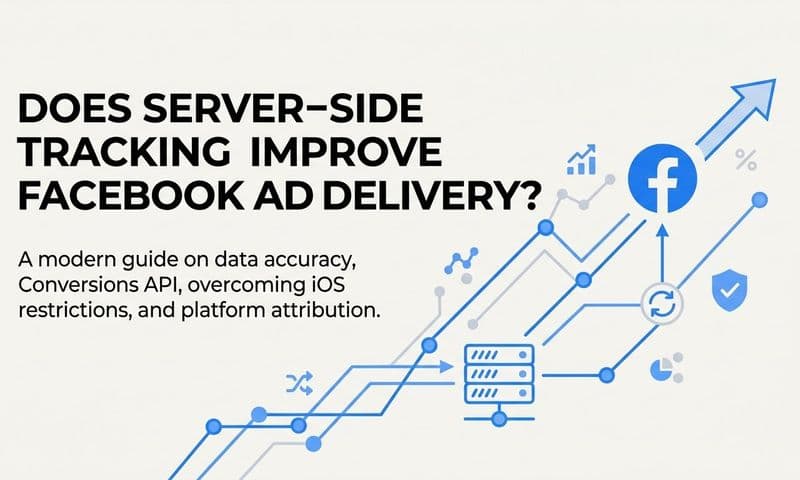
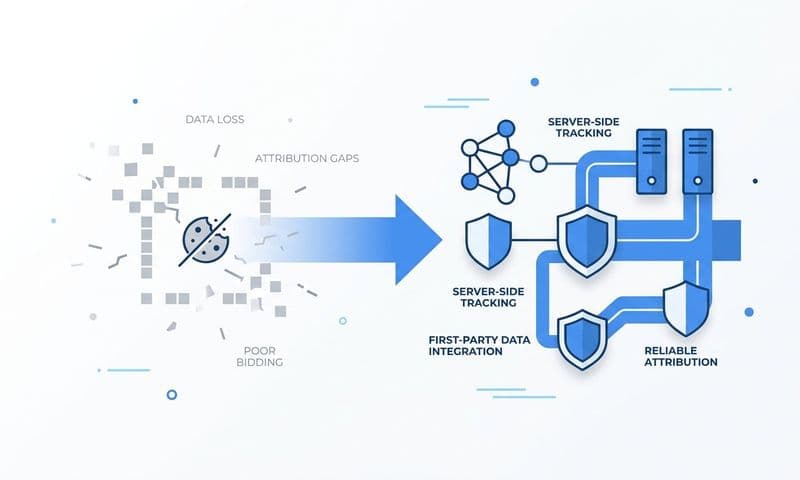
Cometly is built for teams that need attribution to go beyond surface-level metrics like clicks and cost-per-lead. It uses server-side tracking and Conversion API integration to capture touchpoints that pixel-based tools routinely miss, giving your AI a complete, enriched view of every customer journey from first ad click to closed deal.
What separates Cometly from most tools on this list is its Stripe revenue integration. Rather than reporting on proxy metrics, it ties your actual subscription and payment data directly to the ad campaigns and channels that drove those customers. That means you can see which campaigns drive revenue, not just signups.
Key Features
Multi-Touch Attribution Models: Compare multiple attribution models side by side so you can understand how credit is distributed across touchpoints and make smarter budget decisions.
Server-Side Tracking and Conversion API Integration: Captures conversion events server-side, bypassing browser restrictions and ad blockers for more accurate data.
Stripe Revenue Integration: Connects your payment and subscription data to your ad spend, so you can attribute real revenue to specific campaigns and channels.
AI Ads Manager: Identifies high-performing ads and campaigns across every channel, then delivers recommendations on where to scale and where to cut.
Customer Journey Analytics: Tracks the full funnel from first touch through to conversion, giving you visibility into how customers move through your pipeline.
70+ Native Integrations: Connects with major ad platforms, CRMs, and data tools so your attribution data flows into the systems your team already uses.
Best For
Cometly is the strongest fit for B2B SaaS marketing teams, growth leaders, and paid media managers who need a single source of truth that connects ad performance to actual revenue. It is especially valuable for teams running multi-channel campaigns who need to move beyond last-click attribution and understand which channels drive the highest-value customers.
Pricing
Paid plans available with pricing based on usage and features. Contact Cometly directly for current plan details and to discuss which tier fits your team's needs.
2. Triple Whale
Best for: Ecommerce and DTC brands on Shopify that need real-time creative and revenue performance data.
Triple Whale is an ecommerce-focused attribution and analytics platform with strong Shopify integration and creative performance tracking.
 9 Best BigCommerce Tracking Solutions in 2026
Where This Tool Shines
Triple Whale has become a go-to attribution tool for direct-to-consumer brands, largely because of how deeply it integrates with Shopify. Its hybrid approach, combining pixel tracking with server-side events through its Sonar product, helps recover data that browser-based tracking alone would miss.
The creative analytics dashboard is a standout feature for paid social teams. It surfaces ad-level performance data in a format that makes it easy to identify which creatives are driving purchases, not just clicks, which is critical for teams running high volumes of ad variations.
Key Features
Pixel-Plus-Server-Side Hybrid Tracking: Combines browser pixel and server-side events to improve data capture accuracy across ad platforms.
Shopify-Native Integration: Pulls real-time revenue data directly from Shopify for accurate purchase attribution.
Creative Analytics Dashboard: Breaks down performance at the individual ad level to show which creatives drive the most revenue.
Sonar Server-Side Tracking: Captures conversion events that standard pixels miss due to browser restrictions or ad blockers.
Summary Dashboard: Provides a daily performance snapshot across all channels so teams can quickly assess what is working.
Best For
Triple Whale is built for ecommerce and DTC brands, particularly those running on Shopify with active paid social campaigns. It is less suited for B2B SaaS companies with longer sales cycles or offline conversion events.
Pricing
Plans start at several hundred dollars per month and scale with revenue volume. Visit triplewhale.com for current pricing tiers.
3. Northbeam
Best for: Performance marketing teams managing large, multi-channel ad budgets who need ML-driven attribution and forecasting.
Northbeam is a machine learning-powered attribution platform designed for performance marketers managing significant multi-channel ad spend.
 9 Best Purchase Attribution Tracking Software Tools in 2026
Where This Tool Shines
Northbeam uses machine learning to model attribution across channels rather than relying on deterministic rules alone. This makes it particularly useful for teams running complex, multi-channel campaigns where the standard last-click or even linear models fail to reflect the actual purchase path.
Its media mix modeling capabilities go beyond standard attribution by helping teams forecast budget allocation and understand channel contribution at a strategic level. For performance teams managing large budgets, this kind of spend analysis and forecasting is genuinely useful for planning.
Key Features
ML-Based Attribution Modeling: Uses machine learning to distribute credit across channels based on actual purchase patterns rather than fixed rules.
Media Mix Modeling: Supports budget forecasting and allocation decisions by modeling channel contribution at a macro level.
Granular Channel and Campaign Analysis: Breaks down spend and performance data at the channel and campaign level for precise optimization.
Custom Attribution Windows: Allows teams to configure lookback windows and model parameters to match their specific sales cycle.
Incrementality Testing: Validates whether a channel is actually driving incremental purchases or simply taking credit for conversions that would have happened anyway.
Best For
Northbeam is best suited for ecommerce and DTC brands with significant ad budgets running across multiple channels simultaneously. It is a strong fit for performance marketing teams that need more than standard attribution and want ML-driven insights to guide budget decisions.
Pricing
Enterprise pricing model; typically suited for teams with significant ad spend. Contact Northbeam directly for a quote.
4. Rockerbox
Best for: Mid-market and enterprise brands that want a unified view combining multi-touch attribution, media mix modeling, and incrementality testing.
Rockerbox is a marketing measurement platform that unifies multi-touch attribution, media mix modeling, and incrementality testing for brands that need a more complete picture of their marketing performance.
 9 Best Unified Conversion Reporting Platforms in 2026
Where This Tool Shines
Most attribution tools force you to choose between methodologies. Rockerbox takes a different approach by combining multi-touch attribution, media mix modeling, and incrementality testing in a single platform. This gives marketing teams the ability to cross-reference findings and build more confidence in their channel decisions.
Its support for both digital and offline channels in a single dashboard is a meaningful differentiator for brands running TV, radio, or out-of-home campaigns alongside digital. Standardized UTM and source data handling also helps teams maintain consistent reporting across campaigns and channels.
Key Features
Unified MTA, MMM, and Incrementality: Combines three measurement methodologies in one platform for a more complete view of marketing performance.
Digital and Offline Channel Tracking: Measures both online and offline marketing channels in a single dashboard.
Standardized UTM and Source Data: Normalizes tracking parameters for consistent, reliable reporting across campaigns.
Ad Platform and CRM Integrations: Connects with major ad platforms, CRMs, and data warehouses to centralize marketing data.
Customizable Attribution Models: Allows teams to configure attribution logic to match their business model and sales cycle.
Best For
Rockerbox is a strong fit for mid-market and enterprise marketing teams that need more than basic digital attribution and want to measure both online and offline channels with multiple methodologies in one place.
Pricing
Custom pricing based on business size and data volume. Contact Rockerbox directly for details.
5. Ruler Analytics
Best for: B2B and lead generation businesses that need to close the loop between marketing touchpoints and CRM-recorded revenue.
Ruler Analytics is a B2B-focused marketing attribution platform that tracks visitor journeys from first touch through to CRM-recorded revenue.
 8 Best Attribution Tools with Onboarding Support in 2026
Where This Tool Shines
Ruler Analytics is designed for businesses where the purchase or conversion event does not happen on a website. It tracks individual visitor journeys from the first ad click, follows them through multiple sessions, and then matches those journeys to deal revenue recorded in your CRM. This makes it particularly relevant for B2B companies with longer, more complex sales cycles.
The call tracking integration is a notable addition for businesses where phone calls are a meaningful conversion channel. Rather than treating phone inquiries as a dead end in your attribution data, Ruler connects those calls back to the original marketing source.
Key Features
Visitor-Level Journey Tracking: Follows individual visitors from first ad click through multiple sessions to eventual conversion.
CRM Revenue Integration: Connects with Salesforce, HubSpot, and other CRMs to tie marketing touchpoints to actual deal values.
Multi-Touch Attribution Models: Supports linear, time decay, position-based, and other attribution models for flexible analysis.
Call Tracking Integration: Attributes phone-based conversions back to the original marketing source for complete funnel visibility.
Revenue Attribution Reporting: Reports on marketing performance using actual CRM deal values rather than proxy metrics.
Best For
Ruler Analytics is well suited for B2B marketing teams, agencies, and lead generation businesses where sales cycles are long and purchase events are recorded in a CRM rather than on a website checkout page.
Pricing
Plans typically start in the hundreds of dollars per month range. Visit ruleranalytics.com for current pricing details.
6. Hyros
Best for: High-ticket advertisers and info-product marketers who need attribution that goes beyond standard cookie-based pixel tracking.
Hyros is an AI-based ad tracking platform that uses email-based identification to attribute purchases beyond what standard pixel tracking can capture.
 9 Best Purchase Attribution Tracking Software Tools in 2026
Where This Tool Shines
Hyros takes a fundamentally different approach to tracking. Rather than relying primarily on cookies or browser pixels, it uses a proprietary email-based identification method it calls print tracking. When a visitor provides their email address at any point in the funnel, Hyros can identify and track them across sessions and devices, even where cookies would have been lost.
This approach is particularly valuable for high-ticket offers where the purchase decision takes weeks or months. Standard attribution tools with short lookback windows often miss these longer conversion paths entirely. Hyros is designed to capture them.
Key Features
Proprietary Print Tracking: Uses email-based visitor identification to track users across sessions and devices beyond cookie limitations.
AI-Driven Attribution: Learns from purchase patterns over time to improve attribution accuracy for longer conversion cycles.
Long-Window Attribution: Supports extended lookback windows suited for high-ticket offers with multi-week decision timelines.
Ad Platform Integrations: Connects with Meta, Google, YouTube, and other major ad platforms for consolidated reporting.
Revenue-Based Reporting: Ties attribution data to actual purchase events rather than clicks or form fills.
Best For
Hyros is best suited for high-ticket advertisers, info-product marketers, coaches, and online course businesses where email capture is a standard part of the funnel and purchase decisions happen over extended timeframes.
Pricing
Custom pricing based on ad spend and business type. Contact Hyros directly for a quote.
7. Wicked Reports
Best for: Businesses where email marketing plays a significant role in the buyer journey alongside paid advertising.
Wicked Reports is a multi-touch attribution platform with strong email marketing integration, designed for businesses where email touchpoints are a meaningful part of the purchase path.
Where This Tool Shines
Most attribution tools treat email as an afterthought. Wicked Reports treats it as a first-class touchpoint. It tracks email interactions alongside paid ad clicks, so when a customer receives a nurture email, clicks through, and eventually converts, that email gets the credit it deserves in your attribution model.
The cohort analysis feature adds a useful dimension for understanding how different audience segments convert over time. Rather than looking only at immediate purchase events, you can see how different traffic sources and campaigns perform across longer time horizons.
Key Features
Email Touchpoint Tracking: Attributes credit to email marketing interactions alongside paid ad clicks for a more complete view of the purchase path.
Multi-Touch Attribution Models: Supports configurable attribution models with flexible lookback windows.
CRM and Email Platform Integrations: Connects with major email platforms and CRMs for full-funnel visibility.
Cohort Analysis: Tracks how different audience segments and traffic sources convert over time for longer-term performance insights.
Revenue-Based Reporting: Connects marketing activity to actual sales outcomes rather than vanity metrics.
Best For
Wicked Reports is a strong fit for businesses that rely heavily on email marketing as part of their acquisition and nurture strategy, particularly those in direct response, subscription, or online education markets where email sequences play a key role in driving purchases.
Pricing
Pricing scales with contact volume and data usage. Visit wickedreports.com for current plan details.
8. Attribution App
Best for: SaaS and subscription businesses that need to connect acquisition channels to lifetime value and subscription revenue.
Attribution App is a multi-touch attribution platform built for SaaS and subscription businesses that connects acquisition channels to lifetime value and recurring revenue.
Where This Tool Shines
For SaaS companies, the most important question is not which channel drives the most signups. It is which channel drives the highest-value, longest-retaining customers. Attribution App is designed to answer that question by connecting acquisition channel data to subscription revenue and customer lifetime value rather than stopping at the initial conversion event.
The Stripe integration makes this possible without complex engineering work. By pulling payment data directly, Attribution App can show you which channels and campaigns drive customers who actually pay, upgrade, and stick around rather than churning after a trial.
Key Features
LTV-Based Attribution: Ties channel and campaign performance to customer lifetime value and subscription revenue, not just initial conversions.
Channel-Level Revenue Reporting: Identifies which acquisition sources drive the highest-value customers over time.
Stripe Integration: Pulls payment and subscription data to connect acquisition data to real revenue outcomes.
Funnel Visualization: Maps the customer journey from first touch through to paid conversion for full-funnel visibility.
A/B Testing Support: Measures the revenue impact of different channels and campaigns to support data-driven experimentation.
Best For
Attribution App is well suited for SaaS founders, growth teams, and subscription businesses that want to understand not just which channels drive signups, but which channels drive the customers with the highest long-term value.
Pricing
Plans available for different business sizes. Check attributionapp.com for current pricing options.
9. Google Analytics 4
Best for: Teams that need a free baseline attribution layer with native Google Ads integration and flexible event tracking.
Google Analytics 4 is Google's free web analytics platform with a built-in data-driven attribution model and native Google Ads integration.
Where This Tool Shines
GA4 is the most widely adopted analytics platform available, and its data-driven attribution model represents a meaningful improvement over the last-click default that defined its predecessor. For teams that are primarily running Google Ads campaigns, the native integration provides solid campaign-level performance data without additional setup.
The event-based tracking architecture gives teams flexibility to measure custom conversion events beyond standard pageviews and purchases. Exploration reports add a layer of custom funnel and path analysis that goes beyond what the standard reports surface. For teams just getting started with attribution, GA4 is a reasonable foundation.
Key Features
Data-Driven Attribution Model: Distributes conversion credit across touchpoints based on actual data patterns rather than fixed rules.
Native Google Ads Integration: Connects campaign performance data directly from Google Ads for consolidated reporting.
Event-Based Tracking Architecture: Allows flexible conversion measurement beyond standard ecommerce events.
Exploration Reports: Enables custom funnel analysis, path exploration, and segment comparison for deeper insights.
BigQuery Export: Available for teams that need to run advanced analysis or combine GA4 data with other data sources.
Best For
GA4 is best used as a starting point or supplementary analytics layer, particularly for teams running Google Ads. It has meaningful limitations for B2B SaaS teams that need to connect to CRM revenue data or track offline conversion events without significant additional configuration.
Pricing
Free for standard use. GA4 360, the enterprise version, is available at custom pricing for large organizations with higher data volume needs.
Which Purchase Attribution Tool Is Right for You
The right purchase attribution tracking software depends on three things: your business model, your tracking infrastructure, and how closely you need to tie ad spend to actual revenue. There is no single tool that wins across every use case, but the options above cover the full spectrum of needs.
For B2B SaaS teams, Cometly offers the most direct path from ad click to closed-won revenue. Its server-side tracking captures what pixels miss, its Stripe integration connects ad data to real payment events, and its AI ads manager delivers actionable recommendations rather than just dashboards to interpret. If your team needs a single source of truth that spans the full funnel from first touch to revenue, it is the strongest option on this list.
For ecommerce and DTC brands, Triple Whale and Northbeam are both strong fits. Triple Whale excels for Shopify-based brands that need creative performance data alongside revenue attribution. Northbeam is better suited for teams managing larger, more complex multi-channel budgets who want ML-driven insights and media mix modeling.
For businesses where email drives a significant share of purchases, Wicked Reports fills a gap that most tools ignore. For high-ticket advertisers with long decision cycles, Hyros offers tracking methods that standard pixels simply cannot match. And for teams just getting started, GA4 provides a free foundation worth having in place even as you layer on more sophisticated tools.
Before choosing a tool, audit your current tracking setup. Identify where data is dropping off, whether your current attribution model reflects how customers actually buy, and whether you have visibility into revenue outcomes or just lead volume. The answers will point you toward the right fit.
If you are running a B2B SaaS company and want to see exactly which ads and channels are driving pipeline and revenue, Get your free demo of Cometly today and start capturing every touchpoint that matters.