
You're running TikTok ads, watching the impressions climb and the clicks roll in. But when you check your actual sales? The numbers don't add up. Your TikTok dashboard shows dozens of conversions, yet your CRM tells a different story. Or worse—you have no idea which TikTok campaigns actually drove revenue because your tracking only captures surface-level metrics.
This disconnect isn't just frustrating. It's expensive. When you can't accurately track which TikTok ads generate real customers, you're essentially flying blind with your ad budget. You might be scaling campaigns that look good in TikTok's reporting but deliver minimal actual revenue. Or you could be pausing winners because the platform can't see the full customer journey.
The problem stems from how digital tracking has fundamentally changed. iOS privacy updates, ad blockers, and cross-device customer behavior have created massive blind spots in browser-based tracking. TikTok's native pixel, like all browser-based tracking, now misses a significant portion of conversions. Users click your ad on mobile, convert on desktop. They use browsers with tracking prevention enabled. They clear cookies between sessions. Each scenario creates a gap in your data.
This guide shows you exactly how to build a TikTok tracking system that captures conversions accurately, even with these modern challenges. You'll learn how to configure the TikTok Pixel properly, implement server-side tracking through the Events API, connect your CRM for revenue attribution, and validate that everything works together seamlessly. By the end, you'll have confidence that your TikTok reporting reflects reality—and you can optimize campaigns based on actual business results, not incomplete platform data.
Step 1: Audit Your Current TikTok Tracking Setup
Before making any changes, you need to understand what's actually happening with your current tracking. Too many marketers jump straight to implementation without diagnosing existing issues—which means they often recreate the same problems in their new setup.
Start by logging into TikTok Ads Manager and navigating to Events Manager. This is your tracking control center. Look at the pixels currently installed on your account. You should see one pixel per website. If you see multiple pixels for the same site, that's your first red flag—duplicate pixels create data chaos and inflate your conversion counts artificially.
Click into your active pixel and review the Events tab. Here's what you're looking for: which events are firing, how frequently, and with what data quality. Check whether you're tracking just the basics (PageView, maybe ViewContent) or if you have the full conversion funnel mapped out. Many accounts only track top-of-funnel actions and completely miss the revenue-generating events.
Pay close attention to your Event Match Quality score for each event. TikTok rates this as Poor, Fair, Good, or Great. This score tells you how well the platform can match your conversion events back to specific ad interactions. If you're seeing Poor or Fair ratings, your attribution is largely guesswork. Understanding TikTok ads tracking accuracy is essential for making informed optimization decisions.
Check your conversion volume over the past 30 days. Now compare those numbers to what your actual business systems show—your e-commerce platform, CRM, or payment processor. Is TikTok reporting 100 conversions while your Shopify store shows 150 orders from TikTok traffic? That gap represents missed attribution. Document these discrepancies. They're your baseline for measuring improvement.
Look for common technical issues while you're auditing. Is the pixel installed on every page of your site, or just the homepage? Are conversion events firing with the required parameters, or are they sending incomplete data? Use your browser's developer console to check if the pixel code is actually loading and executing. Sometimes pixels are installed but blocked by site speed optimization plugins or content security policies.
Finally, review your attribution window settings. TikTok defaults to a 7-day click and 1-day view attribution window. If your sales cycle is longer—common for higher-ticket products or B2B offers—this window might be cutting off legitimate conversions. Make note of your current settings so you can optimize them based on your actual customer journey length.
Step 2: Configure the TikTok Pixel for Standard and Custom Events
With your audit complete, it's time to build a properly configured pixel setup. Think of the TikTok Pixel as your foundation—everything else builds on top of this base layer of tracking.
If you don't have a pixel installed yet, create one in Events Manager by clicking "Set Up Web Events" and selecting "TikTok Pixel." You'll get a pixel code snippet. This base code needs to go in the header section of every page on your website—not just your homepage or conversion pages. The base pixel establishes the connection between TikTok and your site visitors.
For most websites, the easiest installation method is using Google Tag Manager. Create a new Custom HTML tag, paste your pixel base code, and set it to fire on All Pages. If you're on Shopify, WooCommerce, or another major platform, use TikTok's native integration instead—it handles the technical implementation automatically and reduces the chance of configuration errors.
We compare the leading options in our Shopify dynamic ad generator roundup.
Once your base pixel is live, configure your standard events. These are TikTok's predefined conversion actions that the platform's algorithm understands natively. The essential ones for most businesses are ViewContent (when someone views a product or service page), AddToCart (when they add an item to their cart), InitiateCheckout (when they start the checkout process), and CompletePayment (when they finish a purchase).
Each event needs specific parameters to be valuable. For CompletePayment events, always include the value parameter with the actual purchase amount and the currency parameter. This data is what enables TikTok to calculate your return on ad spend and optimize for revenue, not just conversion volume. If you're selling multiple products, include the content_id parameter with your product SKU so you can later analyze which specific products drive the best ROAS.
Beyond standard events, create custom events for actions specific to your business model. If you're a SaaS company, track when someone starts a free trial or requests a demo. For lead generation businesses, track form submissions at different stages—initial contact form, qualification call scheduled, proposal requested. These custom events let you optimize TikTok campaigns for actions that actually matter to your business, not just generic conversions.
Here's a critical technical detail that many marketers miss: event parameters must be formatted correctly. Currency codes should be three-letter ISO codes (USD, EUR, GBP). Values should be numbers without currency symbols. Content IDs should match exactly how they appear in your product catalog if you're running dynamic ads. Small formatting inconsistencies break the connection between your events and TikTok's optimization system.
After configuring each event, test it immediately. Install the TikTok Pixel Helper browser extension and navigate through your conversion funnel. You should see each event fire in real-time as you complete the corresponding action. If an event doesn't fire, or fires with missing parameters, fix it before moving forward. Testing now saves you from discovering broken tracking after you've spent thousands on ads.
One more thing: make sure your events fire only once per action. If someone clicks "Complete Purchase" and your pixel fires the CompletePayment event three times, you're inflating your conversion numbers and destroying your data accuracy. Use event deduplication by including a unique event_id parameter with each conversion—we'll use this same ID later when setting up server-side tracking.
Step 3: Implement Server-Side Tracking with TikTok Events API
Here's where most TikTok advertisers stop—and where the serious tracking gaps begin. Browser-based pixel tracking alone is no longer sufficient. Safari's Intelligent Tracking Prevention blocks third-party cookies by default. Firefox does the same. iOS users with tracking disabled represent a massive blind spot. Ad blockers strip out pixel code entirely. If you're only using the pixel, you're missing a substantial portion of your actual conversions.
Server-side tracking solves this by sending conversion data directly from your web server to TikTok's servers. No browser involvement means no browser-based blocking. The user's device settings don't matter. Ad blockers can't interfere. You capture conversions that the pixel would completely miss. Learning how to track conversions without cookies has become essential in today's privacy-first landscape.
To implement the Events API, you'll need access to your server environment or a tag management solution that supports server-side tracking. Google Tag Manager Server-Side is one option. Segment, Zapier, and dedicated attribution platforms like Cometly offer Events API integrations that handle the technical complexity for you.
Start by generating an Events API Access Token in TikTok Events Manager. Navigate to your pixel settings, find the Events API section, and create a new token. Treat this token like a password—it authenticates your server's connection to TikTok and should never be exposed in client-side code.
The Events API requires specific data points with each conversion event. You need the event name (matching exactly what you're sending via pixel), a timestamp in ISO 8601 format, and user identifiers. TikTok accepts several identifier types: email addresses, phone numbers, TikTok click IDs (ttclid), and IP addresses. The more identifiers you include, the better TikTok can match the conversion back to the original ad click.
Here's the crucial part: event deduplication. When you're running both pixel and Events API, the same conversion can be reported twice—once from the browser, once from the server. TikTok uses the event_id parameter to identify duplicates. Generate a unique ID for each conversion event and include it in both your pixel event and your Events API event. TikTok's system will recognize them as the same conversion and count it only once.
User data must be hashed before sending it to TikTok's servers. Email addresses and phone numbers should be SHA256 hashed and sent in lowercase, with no spaces. Phone numbers need to be in E.164 format before hashing (including country code, no spaces or special characters). If your hashing is incorrect, TikTok can't match the data, and your match rates plummet.
Set up your server-side events to mirror your pixel events exactly. If you're tracking CompletePayment via pixel with value and currency parameters, your Events API event should include the same parameters with the same values. Consistency is critical for accurate reporting and deduplication.
After implementation, verify that your Events API events are being received. In Events Manager, check the Events API tab under your pixel. You should see your server events appearing in real-time. TikTok also shows you how many events were deduplicated—meaning they matched a corresponding pixel event. A healthy setup typically shows 20-40% of events being deduplicated, with the rest representing conversions the pixel missed entirely.
Monitor your Event Match Quality score after implementing server-side tracking. It should improve significantly because you're now sending richer data with more user identifiers. If your score doesn't improve, check your data formatting—particularly your hashing implementation and parameter completeness.
Step 4: Connect Your CRM to Track Full-Funnel Conversions
TikTok's pixel and Events API tell you when someone completes an on-site action. But for many businesses, the real value happens later—when a lead qualifies, when a sales call closes, when a customer makes their second purchase. If you're only tracking website conversions, you're optimizing for the top of your funnel while ignoring what actually drives revenue.
This is where CRM integration transforms your tracking from basic to business-critical. By connecting your CRM to TikTok, you can pass back conversion events that happen days or weeks after the initial ad click. This lets you optimize campaigns based on qualified leads and closed revenue, not just form submissions.
Start by mapping your sales pipeline stages to specific conversion events. If you're a B2B SaaS company, you might track: lead created (immediate), lead qualified by sales (3-5 days later), demo completed (1-2 weeks), and deal closed (4-8 weeks). Each stage becomes a separate event you send to TikTok via the Events API.
The technical implementation requires connecting your CRM's webhooks or API to TikTok's Events API. When a lead moves to a new stage in your CRM, your system sends a conversion event to TikTok with the original click ID or user identifiers. HubSpot, Salesforce, and Pipedrive all support webhook triggers that can fire when deal stages change.
Include revenue values with your conversion events. When someone becomes a qualified lead, send the estimated deal value. When a deal closes, send the actual contract value. This revenue data is what enables true ROAS calculation. If you're struggling to track ROAS accurately, connecting your CRM data is often the missing piece.
Here's where many marketers hit a technical wall. Building and maintaining these CRM-to-ad-platform connections requires development resources, ongoing monitoring, and troubleshooting when data flows break. One CRM update can break your entire integration. This is where attribution platforms like Cometly become valuable—they handle the technical complexity of connecting your CRM to TikTok (and your other ad platforms) automatically. You set up the connection once, and the platform maintains it, ensures data accuracy, and handles format changes on both ends.
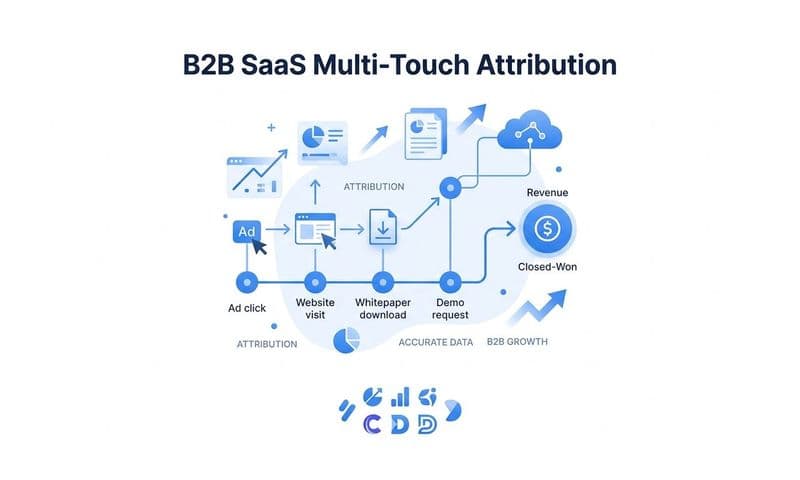
Beyond automation, attribution platforms solve a problem that manual CRM integration can't: multi-touch attribution. TikTok's native reporting uses last-click attribution within its own ecosystem. But what if a customer clicked a TikTok ad, then a Google ad, then came back directly before converting? TikTok claims the conversion, Google claims the conversion, and you're double-counting revenue. Understanding how to track conversions across multiple touchpoints shows you how each channel contributed to the conversion.
When setting up CRM event tracking, maintain consistent user identifiers. Use the same email address format, phone number format, and other identifiers that you're sending with your initial pixel and Events API events. Inconsistent identifiers break the connection between the ad click and the later conversion, creating gaps in your attribution.
Step 5: Enable Advanced Matching for Higher Match Rates
Even with perfect pixel implementation and server-side tracking, TikTok can only optimize your campaigns based on conversions it can definitively match back to specific ad interactions. Advanced matching improves this connection by giving TikTok more data points to identify users across sessions and devices.
Start with automatic advanced matching—the easiest implementation. In TikTok Events Manager, go to your pixel settings and toggle on "Automatic Advanced Matching." When enabled, TikTok's pixel code automatically collects email addresses and phone numbers from form fields on your site (without requiring user submission) and matches them to user profiles. This happens entirely in the browser and requires no additional code.
Automatic matching works well for basic setups, but manual advanced matching gives you more control and typically delivers better results. With manual matching, you explicitly pass hashed user data with each event. This is particularly valuable for logged-in user experiences where you already know the customer's email address.
Implement manual advanced matching by including user data parameters when firing pixel events. Hash the email address and phone number using SHA256, then include them in your event code. The email should be lowercase with no spaces. Phone numbers should be in E.164 format (country code included, no spaces or special characters) before hashing.
Your Event Match Quality score reflects how well TikTok can match your events to user profiles. Aim for "Good" or "Great" ratings on your key conversion events. These ratings directly impact campaign performance—higher match quality means TikTok's algorithm can more accurately identify which users are likely to convert and optimize delivery accordingly.
If you're seeing "Poor" or "Fair" match quality, troubleshoot systematically. First, verify that you're passing user identifiers with your events. Check the Test Events feature in Events Manager to see exactly what data TikTok is receiving. Common issues include: not hashing data before sending it, hashing incorrectly formatted data (like phone numbers with spaces), sending empty parameters, or using inconsistent email formats (some@email.com vs SOME@EMAIL.COM).
For e-commerce businesses, enable TikTok's Customer File matching by uploading your customer email list. This creates a matched audience that improves attribution for repeat customers. When someone from your customer file converts, TikTok can match them even without a fresh click ID, capturing conversions that might otherwise be attributed incorrectly.
Monitor your match rates over time. They should remain stable or improve as you refine your implementation. Sudden drops indicate a technical issue—perhaps a site update broke your parameter passing, or a form field changed and automatic matching stopped working. Mastering cross-device conversion tracking ensures you capture the full picture of user behavior.
Step 6: Validate Your Tracking and Optimize for Accuracy
Implementation is only half the battle. Without validation, you have no idea if your tracking actually works correctly. Many marketers discover tracking failures only after spending thousands on campaigns optimized for broken data.
Run a complete test conversion through your entire funnel. Start by clicking one of your own TikTok ads (or use TikTok's test mode if available). Complete every step of your conversion process—view a product, add to cart, check out, and purchase. If you're tracking lead generation, fill out your form and progress through your sales pipeline stages in your CRM.
Watch your Events Manager in real-time as you complete each action. You should see each event appear within seconds. Check that all parameters are populated correctly—values, currencies, content IDs, and user identifiers. If any event is missing or shows incomplete data, fix it before running live campaigns.
Compare TikTok's reported conversions against your source of truth. Pull a report from TikTok showing conversions for the past 30 days. Now pull the same date range from your e-commerce platform, CRM, or payment processor. Filter for traffic that came from TikTok (using UTM parameters or referral source). The numbers should align closely—within 10-15% is normal due to attribution window differences and cross-device behavior.
Large discrepancies indicate tracking problems. If TikTok shows significantly fewer conversions than your analytics, you're likely missing Events API implementation or have low match rates. If TikTok shows more conversions, check for duplicate events, incorrect attribution window settings, or view-through attribution counting that doesn't align with your business model. Following best practices for tracking conversions accurately helps you identify and resolve these issues.
Set up a regular tracking audit schedule. Every two weeks, spend 15 minutes checking your key metrics: Event Match Quality scores, event volume trends, conversion value accuracy, and discrepancies between TikTok and your internal systems. Catching issues early prevents bad data from influencing campaign decisions.
Use multi-touch attribution to understand how TikTok fits into your broader marketing ecosystem. Your customer journey rarely involves a single touchpoint. Someone might see a TikTok ad, click a Google search ad, receive an email, then convert directly. Single-platform reporting from TikTok, Google, and your email tool will show each claiming 100% credit for the same conversion. Learning to track conversions across multiple ad platforms distributes credit across touchpoints based on their actual influence.
This is where platform-agnostic attribution becomes essential. TikTok's reporting will always favor TikTok. Google's reporting favors Google. A neutral attribution system shows you the real customer journey and helps you make smarter budget allocation decisions. You might discover that TikTok is excellent at initial awareness but rarely closes deals alone—valuable information that changes how you measure success and set campaign goals.
Your TikTok Tracking Foundation Is Complete
You now have a tracking system that captures conversions across devices, browsers, and privacy settings. Run through your implementation checklist: TikTok Pixel installed and firing on all pages with properly configured events. Server-side Events API sending conversions that browser-based tracking misses. CRM connected to track revenue events beyond initial website actions. Advanced matching enabled to improve attribution accuracy. Validation process in place to catch issues before they impact decisions.
This foundation changes how you optimize TikTok campaigns. Instead of guessing based on incomplete data, you can make decisions grounded in actual business results. You know which campaigns drive qualified leads, not just form submissions. You can calculate true ROAS including the full customer lifetime value, not just initial purchase amounts. You can identify which creative approaches and audience segments deliver real revenue growth.
For marketers running ads across multiple platforms, the next evolution is bringing all your channel data together. TikTok tracking is crucial, but understanding how TikTok works alongside your Google, Meta, and other campaigns creates a complete picture of what drives results. When you can see the full customer journey across every touchpoint, you make smarter decisions about where to invest your next dollar.
Ready to elevate your marketing game with precision and confidence? Discover how Cometly's AI-driven recommendations can transform your ad strategy—Get your free demo today and start capturing every touchpoint to maximize your conversions.