Google Ads performs best when it knows which clicks actually turn into customers. Without accurate conversion data flowing back to the platform, its machine learning algorithms optimize blindly, often wasting budget on clicks that never convert.
Feeding conversion data to Google Ads gives the platform the signals it needs to find more people like your best customers. This guide walks you through the entire process, from setting up your conversion tracking foundation to sending enriched offline conversion data that captures the full customer journey.
Whether you are tracking simple website conversions or complex B2B sales cycles that happen weeks after the initial click, you will learn exactly how to configure your data pipeline for maximum campaign performance.
Step 1: Set Up Your Google Ads Conversion Actions
Before you can feed any conversion data to Google Ads, you need to tell the platform what counts as a conversion. This happens in the conversion actions section, where you define the specific user behaviors you want to track and optimize toward.
Navigate to Goals in your Google Ads interface, then click Conversions, and select Summary. From here, click the blue plus button to create a new conversion action. This is where you'll define what success looks like for your campaigns.
Google Ads offers several conversion source options: website conversions for actions happening on your site, app conversions for mobile app events, phone call conversions for tracking calls from ads, and import conversions for offline events that happen outside these channels. Choose the source that matches where your conversion actually occurs.
For most marketers starting out, website conversions are the natural first step. If you're tracking leads that become customers later in your CRM, you'll eventually add import conversions to capture the full journey.
The conversion settings you configure here directly impact how Google's algorithms optimize your campaigns. Set a conversion value if different conversions have different worth to your business. A demo request might be worth $100, while a direct purchase might be worth the actual transaction amount.
The count method determines whether Google counts every conversion or one conversion per click. Use "Every" for ecommerce transactions where multiple purchases from one click should all count. Use "One" for lead generation where you only want to count the first form submission per click.
Attribution windows define how long after a click or view Google can still attribute a conversion. The default is 30 days for clicks and 1 day for views, but you can extend this based on your sales cycle. B2B companies with longer consideration periods often extend click windows to 90 days. Understanding attribution window issues helps you configure these settings correctly.
Here's where it gets critical: mark your most valuable conversions as "Primary" and less critical ones as "Secondary." Primary conversions are what Smart Bidding optimizes toward. If you mark everything as primary, you're telling Google that a newsletter signup is just as valuable as a $10,000 purchase, which will confuse the optimization.
Use secondary conversions for tracking important metrics that shouldn't directly influence bidding, like email signups or content downloads. This gives you visibility without diluting your optimization signal.
Step 2: Install the Google Ads Tag on Your Website
Once your conversion actions are defined, you need to install tracking code on your website to capture when those conversions actually happen. Google provides two pieces of code: the global site tag and event snippets.
The global site tag, also called gtag.js, goes on every page of your website. This tag enables Google to track ad clicks by appending the GCLID parameter to your URLs and storing it in a cookie. Without this foundation tag, nothing else works.
Add the global site tag in the head section of your website template, right before the closing head tag. If you're using WordPress, you can add it through a header/footer plugin or directly in your theme files. For custom sites, add it to your master template so it appears on every page automatically.
Event snippets are conversion-specific code that fires when someone completes a conversion action. These go on specific pages like thank you pages, order confirmation screens, or anywhere a conversion happens. The event snippet tells Google "this person just completed the conversion action you care about."
When you create a conversion action in Step 1, Google generates the exact event snippet code you need. Copy this code and paste it on the relevant conversion page. For a form submission, it typically goes on the thank you page that appears after someone submits. Our Google conversion tracking complete guide covers these implementation details in depth.
If the idea of manually editing website code makes you nervous, Google Tag Manager offers a friendlier alternative. Tag Manager lets you deploy and manage all your tracking tags through a visual interface without touching your website code directly.
To use Tag Manager, install the Tag Manager container code on your site once, then configure your Google Ads tags within the Tag Manager interface. Create a new tag, select Google Ads Conversion Tracking as the tag type, enter your conversion ID and label, and set a trigger for when the tag should fire.
The beauty of Tag Manager is you can test tags in preview mode before publishing them live. Click Preview, navigate through your website, and Tag Manager will show you exactly which tags fired on which pages. This catches configuration errors before they cost you tracking data.
After installation, verify everything works using Google Tag Assistant, a free Chrome extension. It scans your pages and shows which Google tags are present, whether they're firing correctly, and flags any errors. A green checkmark means your tag is working. Red or yellow warnings need investigation.
Step 3: Capture and Store Google Click IDs (GCLID)
The GCLID is the bridge between an ad click and a conversion. When someone clicks your Google Ad, Google automatically appends a unique GCLID parameter to your landing page URL. This identifier is what allows Google to connect a conversion back to the specific ad, keyword, and campaign that drove it.
Here's the challenge: if someone clicks your ad, fills out a form, but doesn't convert immediately on your website, you need to preserve that GCLID so you can send it back to Google later when they do convert. This is especially critical for B2B companies where the sale happens days or weeks after the initial form fill.
The most reliable way to capture GCLID is through hidden form fields. Add a hidden field to your lead forms with a name like "gclid" or "google_click_id," then use JavaScript to extract the GCLID value from the URL and populate that hidden field automatically.
When someone submits the form, the GCLID gets submitted along with their name, email, and other information. Your form processor can then store it in your CRM or database alongside the lead record. Implementing first-party data tracking ensures this data remains accurate even as browser privacy restrictions tighten.
For marketers using marketing automation platforms, configure your platform to automatically capture URL parameters and store them with contact records. Most platforms like HubSpot, Marketo, and ActiveCampaign support this natively.
The GCLID has a 90-day attribution window. This means you must upload the conversion to Google Ads within 90 days of the original click for it to be attributed. After 90 days, Google can't match the conversion back to the click, and the data becomes useless for optimization.
This time limit makes it essential to have a systematic process for storing GCLIDs and uploading conversions regularly. Don't wait until someone becomes a customer six months later to try uploading their conversion. Google won't accept it.
Store the GCLID in a dedicated field in your CRM. Create a custom field called "Google Click ID" or "GCLID" and make sure every lead capture form populates it. When that lead eventually converts to a customer, you'll have the GCLID ready to send back to Google.
Step 4: Configure Offline Conversion Imports
Offline conversion tracking is how you tell Google about conversions that happen outside your website. This includes phone sales, in-person purchases, CRM deals closing, and any other conversion where the final action doesn't happen on a webpage with a tracking tag.
To set up offline conversion imports, create a new conversion action in Google Ads and select "Import" as the source. Choose "Track conversions from clicks" and select "Other data sources or CRMs" as your import method. This creates a conversion action specifically designed to receive uploaded data.
Google requires a specific data format for offline conversion uploads. Your file needs at minimum four columns: GCLID, conversion time, conversion name, and optionally conversion value. The GCLID is the click identifier you captured in Step 3. The conversion time is when the conversion actually happened, formatted in a specific way Google requires.
The conversion name must exactly match the conversion action name you created in Google Ads. If your conversion action is called "Demo Completed" in Google Ads, your upload file must say "Demo Completed" in the conversion name column. Mismatches cause upload failures.
Conversion time needs to be formatted as YYYY-MM-DD HH:MM:SS in the timezone of your Google Ads account. If your account is set to Pacific Time, use Pacific Time in your upload file. Timezone mismatches are one of the most common reasons conversions don't match correctly.
For conversion value, include the actual revenue amount without currency symbols. If someone purchased $500 worth of products, enter 500 in the conversion value column. Google will apply your account's currency automatically. Learning to feed conversion data back to ad platforms correctly maximizes your campaign optimization potential.
You can upload conversions manually through the Google Ads interface by going to Tools > Conversions > Uploads, then clicking the plus button and selecting your file. Google accepts CSV files up to 1 million rows, which is plenty for most businesses.
The real power comes from mapping CRM stages to conversion actions. Create different conversion actions for each meaningful stage in your pipeline: "Lead Created," "Demo Completed," "Opportunity Created," "Customer Won." Upload conversions as leads progress through each stage.
This progressive tracking gives Google increasingly valuable signals. Early-stage conversions like form fills provide quick feedback for optimization. Later-stage conversions like closed deals show which clicks generated actual revenue, allowing Smart Bidding to optimize for your most valuable outcomes.
Step 5: Automate Data Syncing with Server-Side Tracking
Manual conversion uploads work, but they don't scale. Every time you export data from your CRM, format it correctly, and upload it to Google Ads, you're burning time and risking errors. Server-side tracking automates this entire process.
Server-side tracking means your backend systems send conversion data directly to Google Ads in real time, without manual file uploads. When a lead becomes a customer in your CRM, your system automatically fires a conversion event to Google with all the relevant data.
The Google Ads API is the official method for programmatic conversion uploads. If you have development resources, you can build a direct integration between your CRM and Google Ads using the API. This gives you complete control over what data gets sent and when.
For most marketers, third-party attribution platforms offer a faster path to automation. Tools like Cometly connect to your ad platforms, website, and CRM to automatically sync conversion data across all your marketing channels, including Google Ads. Understanding how to feed quality data to ad algorithms helps you maximize these integrations.
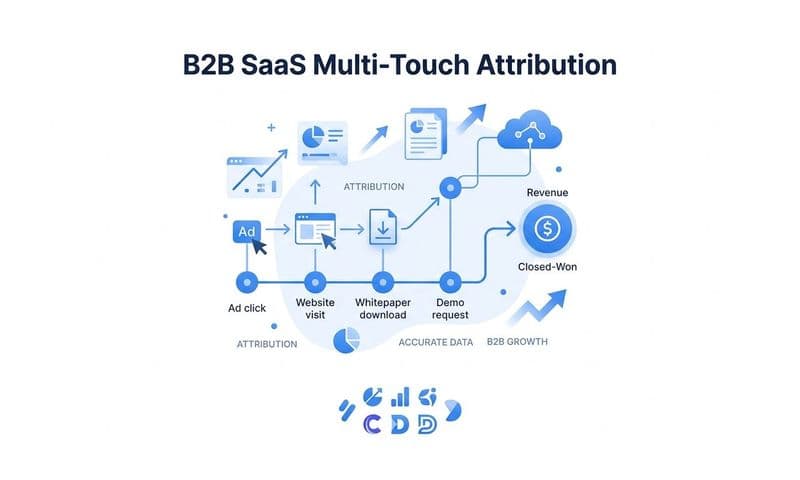
These platforms capture every touchpoint in the customer journey, from initial ad click through website visits, form fills, and final purchase. They automatically send conversion events back to Google Ads with the correct GCLID matching, timing, and value data.
The advantage of using an attribution platform is you get enriched conversion data. Instead of just sending "conversion happened," you can send revenue values, customer lifetime value predictions, and custom conversion properties that help Google's algorithms find more valuable customers.
Server-side tracking also solves browser-based tracking limitations. Ad blockers, cookie restrictions, and privacy features increasingly prevent browser tags from firing correctly. Server-side tracking bypasses these issues by sending data directly from your server to Google's server.
To set up automated syncing, connect your attribution platform to both Google Ads and your CRM. Map your CRM conversion events to Google Ads conversion actions. Configure the platform to automatically send conversion data whenever specific triggers occur in your CRM, like deal stage changes or purchase events.
The result is a continuous flow of fresh conversion data feeding Google's machine learning models. Your campaigns get smarter every day as Google learns which audiences, keywords, and ad variations drive your most valuable conversions.
Step 6: Validate Your Conversion Data and Troubleshoot Issues
Setting up conversion tracking is only half the battle. You need to verify that data is flowing correctly and troubleshoot issues when it's not. Google provides several diagnostic tools to check your conversion tracking health.
Start by checking your conversion action status in Google Ads. Navigate to Goals > Conversions > Summary and look at each conversion action. The status column shows whether Google is receiving data. "Recording conversions" means everything is working. "No recent conversions" means there's a problem.
Click into any conversion action to see detailed diagnostics. The diagnostics tab shows your GCLID match rate, which is the percentage of uploaded conversions that Google successfully matched back to ad clicks. A healthy match rate is above 80%. Lower rates indicate data quality issues. If you're experiencing conversion tracking issues, the diagnostics tab is your first stop for troubleshooting.
Common causes of low match rates include expired GCLIDs where you're uploading conversions more than 90 days after the click, incorrect GCLID formatting with extra characters or spaces, and timezone mismatches where your conversion time doesn't align with your account timezone.
The diagnostics tab also flags specific errors. "Invalid GCLID" means the GCLID format is wrong or the GCLID doesn't exist in Google's system. "Conversion time outside attribution window" means you're trying to upload conversions that happened too long after the click.
To verify accuracy, compare your Google Ads conversion counts against your source data. If your CRM shows 100 new customers this month but Google Ads only shows 60 conversions, you have a tracking gap. Either some customers didn't come from Google Ads, or your GCLID capture is missing clicks. Understanding conversion discrepancies helps you identify the root cause.
Test your tracking end-to-end by clicking one of your own ads, completing a conversion action, and verifying it appears in Google Ads. Use a test conversion action if you don't want to pollute your real data. This catches issues before they cost you optimization signal.
For offline conversion imports, download your recent uploads from the uploads section and check for rejected rows. Google flags rows that couldn't be processed with specific error messages. Fix these errors in your source data and re-upload.
Set up regular monitoring by scheduling weekly checks of your conversion data quality. Look at match rates, compare conversion volumes to historical averages, and investigate any sudden drops. Catching tracking breaks quickly prevents weeks of wasted ad spend on campaigns optimizing with incomplete data.
Your Conversion Tracking Foundation
Feeding accurate conversion data to Google Ads transforms your campaigns from guessing games into precision instruments. Start with basic website conversion tracking, then progress to offline conversion imports as your tracking matures.
The real performance gains come when you automate the entire process with server-side tracking, ensuring Google always has fresh, accurate data to optimize against. This continuous feedback loop allows Smart Bidding strategies to identify patterns in which clicks lead to valuable outcomes and find more people like your best customers.
Quick checklist: Create conversion actions in Google Ads with proper value and count settings. Install the global site tag and event snippets on your website. Capture and store GCLIDs with every lead in your CRM. Set up offline conversion imports for sales data that happens outside your website. Automate syncing with server-side tools to eliminate manual uploads. Regularly validate your data quality through diagnostics and match rate monitoring.
With this foundation in place, your Smart Bidding campaigns will find more high-value customers while spending less on clicks that never convert. The difference between campaigns with accurate conversion data and those without is the difference between optimization based on reality versus optimization based on incomplete signals.
Ready to elevate your marketing game with precision and confidence? Discover how Cometly's AI-driven recommendations can transform your ad strategy. Get your free demo today and start capturing every touchpoint to maximize your conversions.