
High ticket products present a unique challenge for marketers: the sales cycle is long, the touchpoints are many, and a single misattributed conversion can distort your entire ad strategy. When a deal is worth thousands of dollars, you cannot afford to rely on last-click attribution or a pixel that fires inconsistently. The stakes are simply too high.
For B2B SaaS companies selling premium plans, enterprise licenses, or high-value services, conversion tracking is not just a technical setup task. It is the foundation of every budget decision, every channel investment, and every campaign optimization. Without accurate tracking, you are essentially guessing which ads drove the revenue that closed last quarter.
This guide breaks down eight proven strategies to build a reliable, revenue-connected conversion tracking system for high ticket products. Each strategy addresses a specific gap that commonly exists in how marketing teams track long sales cycles, multi-touch journeys, and offline conversions. Whether you are running paid ads on Meta and Google Ads or managing a complex B2B funnel with multiple stakeholders, these approaches will help you connect ad spend directly to closed revenue so you can scale what works and cut what does not.
1. Track Micro-Conversions Across the Entire Funnel
The Challenge It Solves
High ticket B2B products rarely convert in a single session. When you only track final purchase events, ad platforms receive very little signal to work with, especially when deals take weeks or months to close. This data scarcity forces algorithms to optimize blindly, often targeting audiences that look nothing like your best buyers.
The result is wasted spend, poor audience quality, and campaigns that cannot improve because they lack the feedback they need to learn.
The Strategy Explained
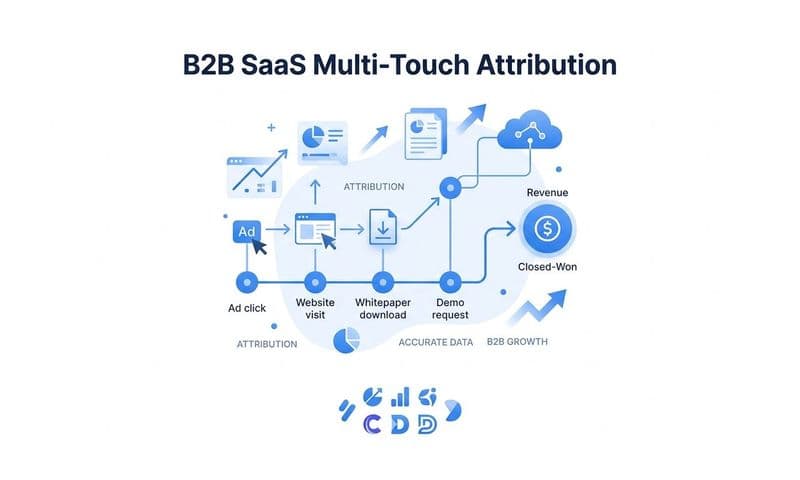
Micro-conversions are the smaller, meaningful actions a buyer takes before they ever speak to your sales team. Think of them as breadcrumbs along the path to a closed deal. Pricing page visits, demo requests, content downloads, webinar signups, free trial activations, and case study views all signal buying intent at different funnel stages.
By tracking these events and passing them back to your ad platforms, you give algorithms a much richer data set to optimize against. Instead of waiting months for a closed-won event to inform your campaigns, you are feeding platforms real-time intent signals that reflect where buyers are in their journey right now.
Implementation Steps
1. List every meaningful action a prospect can take from first visit to closed deal. Include content downloads, pricing page views, demo requests, trial signups, and any sales-stage transitions in your CRM.
2. Assign each micro-conversion a relative value based on how closely it correlates with eventual revenue. A demo request is worth more than a blog visit, so weight your events accordingly.
3. Implement tracking for each event using a combination of your pixel, server-side events, and CRM triggers. Ensure each event fires reliably and passes consistent parameters so ad platforms can use the data for optimization.
Pro Tips
Start with the two or three micro-conversions closest to revenue, such as demo requests and trial activations, before building out your full event map. This gives your campaigns immediate signal quality improvements while you build the rest of your tracking infrastructure. Revisit your micro-conversion list quarterly as your funnel evolves.
2. Use Server-Side Tracking to Eliminate Data Loss
The Challenge It Solves
Browser pixels are increasingly unreliable. Ad blockers, iOS privacy restrictions, and third-party cookie deprecation all erode the quality of browser-based tracking. For high ticket buyers who research across multiple sessions, devices, and browsers over an extended period, this signal loss is compounded with every touchpoint that goes unrecorded.
If your pixel is missing even a fraction of conversions, your ad platforms are optimizing on incomplete data, and your reported ROAS is inaccurate.
The Strategy Explained
Server-side tracking moves event collection from the buyer's browser to your own server. Instead of relying on a JavaScript pixel to fire correctly in a user's browser environment, your server captures the event and sends it directly to the ad platform. This approach bypasses ad blockers entirely and is not affected by browser privacy settings.
For high ticket products where a single recovered conversion can represent thousands of dollars in attributed revenue, even a modest improvement in event capture rate can meaningfully change how your campaigns are optimized and how your results are reported. Understanding why server-side tracking is more accurate is essential before making this infrastructure investment.
Implementation Steps
1. Set up a server-side tagging container using a tool like Google Tag Manager's server-side container or a dedicated tracking infrastructure. This becomes the hub through which your events are routed.
2. Configure your key conversion events to fire from the server rather than, or in addition to, the browser. Prioritize your highest-value events first, such as demo completions and trial activations.
3. Validate that your server-side events are being received and matched correctly by your ad platforms. Use platform diagnostic tools to confirm event match quality and coverage.
Pro Tips
Run server-side and browser-side tracking in parallel initially so you can compare event volumes and identify gaps. Once you are confident in your server-side setup, you can reduce reliance on browser pixels for your most critical events. A platform like Cometly handles server-side event routing natively, removing the need to build and maintain this infrastructure yourself.
3. Implement Multi-Touch Attribution to Credit Every Touchpoint
The Challenge It Solves
Last-click attribution is especially damaging for high ticket products. When a buyer spends weeks researching, reading content, watching demos, and comparing options before converting, crediting only the final click before the form fill systematically under-values the channels that started and nurtured the journey.
This creates a distorted picture of channel performance, causing marketers to over-invest in bottom-of-funnel channels and cut the top-of-funnel activity that actually generates demand.
The Strategy Explained
Multi-touch attribution distributes conversion credit across all the touchpoints that contributed to a deal. Models like linear attribution split credit equally across every interaction, while time-decay models give more weight to touchpoints closer to conversion. Data-driven attribution uses your actual conversion data to assign credit based on which touchpoints statistically influence outcomes.
For high ticket B2B products, choosing the right model means your ad reporting will reflect the true contribution of each channel, giving you the insight to invest confidently across the full funnel rather than just the bottom of it.
Implementation Steps
1. Audit your current attribution model and document which channels are currently receiving credit. This baseline helps you understand how your reporting will shift when you change models.
2. Select an attribution model that reflects your sales cycle length and buying behavior. For long cycles with multiple touchpoints, a linear or time-decay model is often a practical starting point before moving to data-driven attribution.
3. Configure your attribution model in your analytics platform and, where possible, in your ad platforms as well. Ensure your CRM and ad data are connected so attribution spans the full journey from first click to closed deal.
Pro Tips
Do not switch attribution models mid-campaign and compare results directly. Run models in parallel for a period before making budget decisions based on the new data. Understanding the differences between attribution models is essential before making this shift.
4. Connect CRM Data to Ad Platforms for Offline Conversion Tracking
The Challenge It Solves
Most high ticket deals close offline. A prospect fills out a demo request form online, then spends the next three weeks in calls, proposal reviews, and stakeholder conversations before signing. Ad platforms see the form fill but never see the deal close. Without that closed-won signal, your campaigns are optimizing toward leads rather than revenue.
This means your ad algorithms may be finding you plenty of leads that never convert, while the campaigns that actually drive closed revenue go unrecognized and underfunded.
The Strategy Explained
Offline conversion tracking allows you to import deal stage updates and closed-won events from your CRM back to Meta and Google. When a deal closes in your CRM, that event is sent back to the ad platform and matched to the original ad click that started the journey. The algorithm now knows which campaigns and audiences are generating actual revenue, not just form fills.
This feedback loop is particularly powerful for B2B SaaS companies where lead quality varies significantly and where the gap between a lead and a closed deal can span weeks or months. A dedicated offline conversion tracking strategy ensures your ad platforms receive the revenue signals they need to optimize effectively.
Implementation Steps
1. Ensure your CRM captures the original ad click data for each lead. This typically requires passing UTM parameters or a click ID through your lead forms and storing them in your CRM contact or deal record.
2. Set up an automated export or integration that sends deal stage updates and closed-won events from your CRM to Meta's Offline Conversions API and Google's offline conversion import feature.
3. Map your CRM deal stages to the appropriate conversion events in each ad platform. Include revenue values with each closed-won event so the platform can optimize toward high-value deals, not just any deal.
Pro Tips
The match rate between your CRM data and ad platform records is critical. Improve match rates by passing email addresses, phone numbers, and click IDs alongside each event. Higher match rates mean more of your closed revenue gets attributed back to the campaigns that drove it.
5. Leverage the Conversion API to Feed Ad Platforms First-Party Data
The Challenge It Solves
As third-party cookies disappear and browser privacy restrictions tighten, ad platforms receive less and less data from browser pixels. For high ticket buyers who research over extended periods across multiple devices, this signal degradation means ad algorithms have an increasingly incomplete picture of who your best customers are and what actions they take before converting.
Poor signal quality leads to poor audience targeting, which leads to wasted spend on prospects who will never buy a high-value product.
The Strategy Explained
The Conversion API (CAPI) for Meta and Google Enhanced Conversions allow you to send server-side, first-party event data directly to ad platforms. Unlike browser pixels that can be blocked or degraded, CAPI events originate from your server and carry enriched customer data such as hashed emails, phone numbers, and transaction IDs.
This enriched data improves event match quality, which directly affects how well ad platforms can identify and target users who resemble your best high-ticket customers. Better signal quality means better lookalike audiences, smarter bidding, and more accurate conversion reporting.
Implementation Steps
1. Set up Meta's Conversions API and Google's Enhanced Conversions through your server-side tracking infrastructure. Configure each to receive your key conversion events with as many customer data parameters as possible.
2. Hash all personally identifiable information before sending it to ad platforms. This is required for both Meta CAPI and Google Enhanced Conversions and ensures your data handling meets platform requirements.
3. Enable deduplication between your browser pixel and CAPI events by passing a consistent event ID with both. This prevents double-counting while ensuring maximum coverage across both tracking methods.
Pro Tips
Following a detailed Conversion API implementation tutorial handles the complexity of CAPI setup natively, routing enriched first-party events to Meta and Google automatically. This removes the need to manage custom server infrastructure while ensuring your ad platforms receive the high-quality signal they need to optimize toward your best buyers.
6. Assign Revenue Values to Conversion Events for True ROI Measurement
The Challenge It Solves
When every conversion is treated equally, your ad reporting tells you how many conversions you got but not how much revenue they represent. For high ticket products where deal sizes can vary significantly, a campaign that generates fewer conversions at higher average deal values may dramatically outperform a campaign with more conversions at lower values. Without revenue data attached to your events, you cannot see this distinction.
This leads to budget decisions based on conversion volume rather than revenue impact, which is a costly mistake when individual deals are worth thousands of dollars.
The Strategy Explained
By assigning dynamic revenue values to your conversion events, you transform your ad reporting from a volume metric into a revenue metric. Instead of optimizing for the most conversions, your campaigns can optimize for the highest revenue. This is especially powerful when combined with smart bidding strategies on Google and Meta, which can use revenue values to prioritize high-value outcomes.
For B2B SaaS companies, this means connecting your Stripe subscription data or CRM deal values to your ad conversion events so that actual contract values flow back into your ad platform reporting in real time. Reviewing best practices for tracking conversions accurately will help ensure your revenue values are configured correctly from the start.
Implementation Steps
1. Identify the conversion events where revenue values should be attached. For B2B SaaS, this typically includes trial-to-paid conversions, closed-won deals, and upsell or expansion events.
2. Configure your tracking to pass dynamic revenue values with each conversion event. For Stripe integrations, pull the actual subscription value from the payment event. For CRM-based deals, use the deal amount field from your closed-won record.
3. Update your ad platform bidding strategies to optimize toward conversion value rather than conversion count. This tells the algorithm to prioritize finding buyers who will generate the most revenue, not just the most form fills.
Pro Tips
If you cannot pass exact deal values in real time, use average deal values segmented by product tier or lead source as a proxy. Even approximate revenue values are significantly more useful for optimization than treating all conversions as equal. Refine your values as you accumulate more data on actual deal sizes by segment.
7. Map the Full Customer Journey Before Configuring Tracking
The Challenge It Solves
Many marketing teams configure tracking reactively, adding pixels and events as they build campaigns rather than designing a complete tracking architecture upfront. The result is a fragmented setup with gaps at critical handoff points, such as between your ad platform and CRM, or between your website and your sales team's activity. These gaps create misattribution that compounds over time.
For high ticket products with complex buying journeys, a tracking setup built without a documented journey map will almost always miss the moments that matter most.
The Strategy Explained
Journey mapping for tracking purposes means documenting every touchpoint a buyer encounters from their first ad impression to the moment a deal closes in your CRM. This includes paid ad clicks, landing page visits, content interactions, demo requests, sales calls, proposal stages, and final conversion events. Each touchpoint represents a data handoff that your tracking system needs to capture and connect.
When you have this map in front of you, it becomes immediately clear where your current tracking has gaps, where data is being lost between systems, and which events need to be added or improved to give you a complete picture of the buyer journey. Tools that surface conversion tracking gaps can accelerate this audit process significantly.
Implementation Steps
1. Bring together your marketing, sales, and analytics teams to document every stage of the buyer journey. Include both online and offline touchpoints, and note which system owns each stage: ad platform, website, CRM, or sales tool.
2. For each touchpoint, identify whether it is currently being tracked, partially tracked, or not tracked at all. Note which system captures the event and whether that data is being passed to your ad platforms and analytics tools.
3. Prioritize the gaps closest to revenue first. If your CRM deal stages are not connected to your ad platforms, that is a higher priority fix than adding a content download event to your pixel.
Pro Tips
Treat your journey map as a living document. As your product evolves, new touchpoints will emerge and old ones will become less relevant. Review and update your map at least once per quarter to ensure your tracking architecture reflects how buyers actually move through your funnel today, not how they moved through it when you first set up your tracking.
8. Audit and Deduplicate Conversion Events Regularly
The Challenge It Solves
When both a browser pixel and a server-side event fire for the same conversion, ad platforms can count it twice. This inflates your reported conversion numbers, makes your ROAS look better than it actually is, and feeds the algorithm misleading optimization signals. For high ticket products where accurate data is critical to every budget decision, duplicated events can cause you to significantly misread campaign performance.
The problem often goes undetected for months because inflated numbers feel like good news until you compare them against actual closed revenue.
The Strategy Explained
Deduplication is the process of ensuring that when multiple tracking methods capture the same conversion event, the ad platform counts it only once. This is typically handled by passing a unique event ID with both your browser pixel and server-side event. When the ad platform receives two events with the same ID, it recognizes them as duplicates and counts only one.
Beyond technical deduplication, a regular audit process helps you catch drift in your tracking setup over time. New pages, updated forms, and CRM changes can all introduce new duplication issues or break existing deduplication logic without anyone noticing until the data is already compromised. Recognizing the signs of inaccurate conversion tracking early is key to preventing these issues from influencing budget decisions.
Implementation Steps
1. Implement event deduplication by passing a consistent, unique event ID with every conversion event across both your browser pixel and server-side tracking. Use a transaction ID, form submission ID, or CRM record ID as your deduplication key.
2. Use your ad platform's event diagnostic tools to review event match rates and look for signs of duplication. A sudden spike in reported conversions without a corresponding increase in revenue is often a signal that duplication has occurred.
3. Schedule a recurring tracking audit, at minimum quarterly, that reviews your full event setup across all ad platforms. Check for duplicate events, broken pixels, missing parameters, and any changes to your website or CRM that may have affected tracking integrity.
Pro Tips
Cross-reference your ad platform conversion numbers against your CRM closed-won data regularly. If your ad platform reports significantly more conversions than your CRM shows closed deals, duplication or attribution errors are likely the cause. This simple sanity check can catch tracking problems before they influence major budget decisions.
Putting It All Together
Conversion tracking for high ticket products is not a one-time setup. It is an ongoing system that connects your ad platforms, CRM, and website into a single source of truth. The eight strategies outlined here each address a specific failure point that causes B2B marketers to misread their data and misallocate their budgets.
Start by auditing what you currently track and where your biggest gaps exist. If you are losing signal at the pixel level, prioritize server-side tracking and CAPI. If you are only crediting the last touchpoint before a deal closes, shift to a multi-touch attribution model. If your ad platforms have no visibility into closed revenue, connect your CRM data through offline conversion imports.
The order of operations matters. Map your customer journey first so you understand the full scope of what needs to be tracked. Then build your server-side infrastructure to capture events reliably. Layer in revenue values and CRM data to give your ad platforms the signal quality they need to optimize toward actual deals. Finally, audit regularly to ensure the system stays accurate as your funnel evolves.
Cometly is built to bring all of these layers together for B2B SaaS companies. It captures every touchpoint from first ad click to closed-won revenue, connects your ad spend to real pipeline data, and uses AI to surface which campaigns are actually driving growth. Instead of piecing together data from five different tools, you get one accurate, real-time view of what is working.
The companies that win with high ticket paid advertising are the ones that invest in tracking infrastructure first. Build the foundation, and the optimization follows. Ready to see exactly which ads are driving your highest-value deals? Get your free demo and start capturing every touchpoint to maximize your conversions.