Accurate conversion tracking has never been harder. Third-party cookies are fading, iOS privacy restrictions are fragmenting signals, and your customers are bouncing between devices, platforms, and channels before they ever convert. The result? Ad platform dashboards that confidently show numbers you simply cannot trust.
Choosing the right conversion tracking platform changes everything. It's the difference between scaling campaigns that actually drive revenue and pouring budget into channels that look good on paper but deliver nothing. The platforms below were evaluated on tracking accuracy, cross-platform support, ease of setup, integration depth, and value for the price. Here are the top conversion tracking platforms worth your attention in 2026.
1. Cometly
Best for: Marketers and agencies who need accurate cross-platform attribution with AI-powered optimization
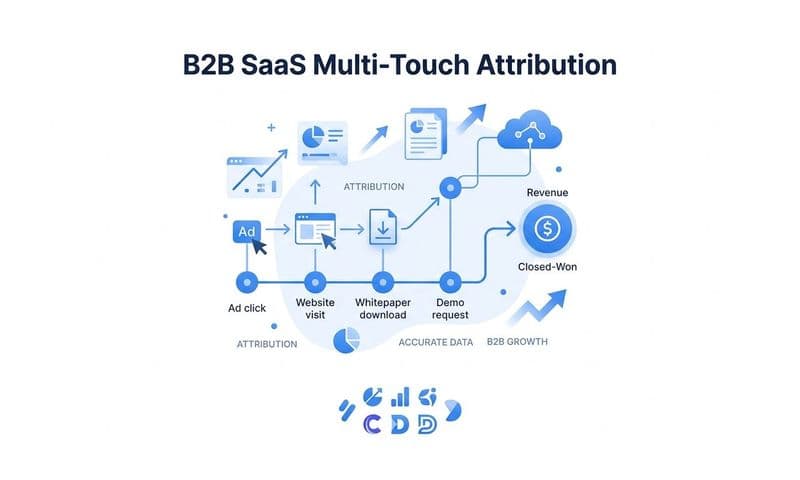
Cometly is an AI-powered marketing attribution platform that tracks every touchpoint from ad click to CRM event and feeds enriched conversion signals back to your ad platforms.
 9 Best Marketing Attribution Platforms to Compare in 2026
Where This Tool Shines
Cometly's server-side tracking architecture addresses one of the most frustrating problems in modern paid media: signal loss. When browser privacy restrictions and ad blockers strip out client-side tracking data, Cometly captures those conversions anyway, giving you a complete and accurate picture of what is actually driving revenue.
What sets it apart from standard analytics tools is the closed loop it creates between your data and your ad platforms. Instead of just reporting what happened, Cometly syncs enriched conversion events back to Meta, Google, TikTok, and more, helping those platforms' algorithms make smarter targeting and bidding decisions on your behalf.
Key Features
Server-Side Tracking: Captures conversion data accurately even when browser privacy settings or iOS restrictions would normally block it.
Multi-Touch Attribution: Tracks the full customer journey across Meta, Google, TikTok, LinkedIn, and other channels to show which touchpoints contribute to conversions.
Conversion Sync: Sends enriched, conversion-ready event data back to ad platforms to improve their targeting and optimization algorithms.
AI-Powered Recommendations: Identifies high-performing campaigns and provides budget allocation recommendations so you can scale with confidence.
AI Chat: Lets you query your marketing data in plain language, making reporting and analysis faster without needing to build custom dashboards.
Best For
Cometly is built for performance marketers, growth teams, and agencies managing paid campaigns across multiple channels who need reliable attribution data and want AI to help them act on it. It's especially valuable for teams frustrated by the gap between ad platform reporting and actual revenue in their CRM.
Pricing
Custom pricing based on ad spend volume. A free demo is available to explore the platform before committing.
2. Google Analytics 4 (GA4)
Best for: Businesses that want free conversion tracking tightly integrated with Google Ads
Google Analytics 4 is Google's event-based analytics platform with built-in conversion tracking, machine learning insights, and deep native integration across the Google ecosystem.
 11 Best Marketing Analytics Tools to Track and Optimize Campaign Performance in 2026
Where This Tool Shines
GA4's event-based data model gives you far more flexibility in defining what counts as a conversion compared to its predecessor. You can mark virtually any user interaction as a conversion event without needing custom code, which makes it genuinely accessible for smaller teams.
The Google Ads integration is the real draw. Importing conversions from GA4 into Google Ads is seamless, and sharing audiences between the two platforms takes minutes. For businesses running primarily Google Ads, this native connection reduces friction significantly.
Key Features
Event-Based Data Model: Flexible conversion definitions that can be applied to any tracked user interaction without complex configuration.
Predictive Audiences: Machine learning surfaces purchase probability and churn signals to help you build smarter remarketing lists.
Google Ads Integration: Native conversion import and audience sharing with Google Ads, reducing setup time and data discrepancies.
Google Signals: Cross-device and cross-platform tracking for users who are signed into their Google accounts.
Free Tier: Full-featured access at no cost for most small to mid-size businesses.
Best For
GA4 is ideal for businesses running Google Ads as their primary paid channel and teams that want solid baseline conversion tracking without a budget. It's less suited for cross-channel attribution across Meta, TikTok, or other platforms where its reporting gets limited.
We compare the leading options in our WooCommerce Meta ad tool roundup.
Pricing
Free for standard use. GA4 360, the enterprise tier, starts around $50,000 per year and unlocks higher data limits and SLA guarantees.
3. Triple Whale
Best for: DTC e-commerce brands on Shopify that need first-party attribution and creative analytics
Triple Whale is an e-commerce attribution platform built specifically for direct-to-consumer brands, combining a first-party pixel, Shopify-native data, and creative performance analytics in one dashboard.
 7 Best Funnel.io Alternatives for Marketing Data Analytics in 2026
Where This Tool Shines
Triple Whale was designed from the ground up for Shopify brands running paid social. The Shopify integration pulls in real-time revenue, customer lifetime value, and order data, so attribution is tied directly to actual purchases rather than proxy events.
The Creative Cockpit is a standout feature for paid social teams. It lets you analyze creative performance alongside attribution data, so you can see not just which ads converted but which creative formats and concepts are actually moving the needle.
Key Features
First-Party Pixel: Server-side conversion tracking that maintains accuracy despite browser privacy restrictions and iOS changes.
Creative Cockpit: Side-by-side creative performance and attribution analysis to identify which ad assets drive the most revenue.
Shopify-Native Integration: Real-time revenue, LTV, and order data pulled directly from your Shopify store.
Post-Purchase Survey: Zero-party attribution data collected directly from customers at the point of purchase.
Cohort Analysis: Customer journey visualization and cohort reporting for understanding retention and repeat purchase behavior.
Best For
DTC brands running paid social on Meta and TikTok with Shopify as their primary commerce platform. Less relevant for B2B, lead generation, or businesses not on Shopify.
For a deeper dive into this space, see our ecommerce Meta ad tool guide.
Pricing
Plans start around $100 per month and scale based on monthly revenue. Higher-tier plans unlock advanced analytics features.
4. Hyros
Best for: High-ticket businesses and info-product companies with complex, long-cycle funnels
Hyros is a conversion tracking platform designed for businesses where the sales cycle is long, the funnel is multi-step, and phone calls are part of the conversion process.
 9 Best Attribution Tracking Software for Smarter Ad Spend in 2026
Where This Tool Shines
Most attribution tools struggle when the gap between an ad click and a closed sale is measured in weeks or months. Hyros handles this with attribution windows of up to one year, making it a practical choice for high-ticket offers, coaching programs, and enterprise sales.
The integrated call tracking capability is genuinely differentiated. Hyros can tie a phone call conversion back to the specific ad click that started the journey, which is critical for businesses where a significant portion of revenue closes over the phone rather than through a digital checkout.
Key Features
Long-Window Attribution: Tracks conversions up to one year after the initial ad click, supporting extended sales cycles.
Integrated Call Tracking: Connects phone call conversions to their originating ad source for complete funnel visibility.
AI Ad Optimization: Provides recommendations for improving ad performance based on actual conversion data.
Deep Funnel Tracking: Tracks multi-step funnels including webinar registrations, applications, and approval-based sales processes.
Multi-Channel Support: Covers Meta, Google, YouTube, TikTok, and email in a single attribution view.
Best For
High-ticket coaches, course creators, agencies, and B2B companies with long sales cycles where standard 7 or 28-day attribution windows miss a large portion of actual conversions.
Pricing
Custom pricing; entry-level tiers for lower ad spend typically start around $100 per month, with costs scaling as ad spend increases.
5. Northbeam
Best for: Mid-market and enterprise DTC brands that want both granular attribution and macro-level media mix insights
Northbeam is an attribution platform that combines multi-touch attribution with media mix modeling, giving DTC brands a more complete and statistically grounded view of marketing performance.
 8 Best Hyros Alternatives for Marketing Attribution in 2026
Where This Tool Shines
The hybrid approach is what makes Northbeam interesting. Multi-touch attribution gives you granular, channel-level insight into individual conversion paths. Media mix modeling gives you a macro view of how your overall marketing investment is performing, even for channels that are difficult to track at the user level. Getting both in one platform is genuinely useful for teams making significant budget allocation decisions.
The machine learning-based attribution modeling also adapts to your specific data rather than applying a one-size-fits-all model, which tends to produce more accurate results for brands with unusual traffic mixes or purchase cycles.
Key Features
Hybrid MTA and MMM: Combines granular multi-touch attribution with media mix modeling for both tactical and strategic insights.
Machine Learning Attribution: Adaptive modeling that learns from your specific conversion patterns rather than applying static rules.
Creative Analytics: Performance breakdowns by individual ad asset to identify which creatives are driving conversions.
Incrementality Testing: Built-in tools to measure the true incremental lift of your campaigns.
Cross-Channel Dashboard: Unified view covering paid, organic, and direct traffic in a single reporting interface.
Best For
Mid-market and enterprise DTC brands spending significant budget across multiple paid channels who need more than standard MTA and want to incorporate statistical modeling into their decision-making.
Pricing
Custom pricing positioned for mid-market and enterprise budgets. Not typically suited for smaller brands or those with limited ad spend.
6. Ruler Analytics
Best for: B2B and lead generation businesses that need to track offline conversions and tie leads to revenue in their CRM
Ruler Analytics is a marketing attribution platform built specifically for B2B and lead-gen companies, tracking form fills, phone calls, and chat conversations back to their originating marketing source and connecting them to CRM revenue data.
 8 Best Attribution Tools with Onboarding Support in 2026
Where This Tool Shines
Most conversion tracking platforms are optimized for digital checkouts. Ruler Analytics focuses on the messier reality of B2B marketing, where a lead might fill out a form today, get a follow-up call next week, and close in a CRM three months later. It bridges that gap by connecting marketing touchpoints to actual closed revenue.
The phone call tracking capability is particularly strong. Ruler uses dynamic number insertion to track which marketing source triggered a call, then passes that attribution data into your CRM alongside the lead record, giving sales and marketing teams a shared view of what is actually working.
Key Features
Multi-Source Conversion Tracking: Tracks form fills, phone calls, and live chat conversations as conversion events tied to specific marketing sources.
Closed-Loop Revenue Attribution: Integrates with Salesforce, HubSpot, and other CRMs to connect marketing touchpoints to actual closed revenue.
Multi-Touch Attribution Models: Supports first click, last click, linear, time decay, and position-based models for flexible analysis.
Offline Conversion Tracking: Captures conversions that happen over the phone or in person and attributes them back to the originating digital touchpoint.
Ad Platform Sync: Sends conversion data back to Google Ads and Meta Ads to improve campaign optimization with offline signal data.
Best For
B2B companies, professional services firms, and any lead-gen business where a significant portion of conversions happen offline or through phone calls rather than digital transactions.
Pricing
Plans start around $200 per month, scaling based on features, traffic volume, and the number of tracked phone numbers needed.
7. Segment (by Twilio)
Best for: Engineering and data teams that need a flexible event routing layer to power multiple analytics and ad tools simultaneously
Segment is a customer data platform that acts as a central data collection and routing layer, capturing conversion events once and sending them to any combination of analytics, advertising, or data warehouse destinations.
 8 Best Attribution-Focused Platforms vs Segment: Which Approach Fits Your Marketing Stack in 2026
Where This Tool Shines
Segment is not a conversion tracking platform in the traditional sense. It's infrastructure. Instead of implementing separate tracking code for every tool in your stack, you instrument Segment once and route that data anywhere. For teams managing multiple analytics tools, ad platforms, and a data warehouse, this dramatically reduces implementation overhead and keeps data consistent across systems.
The identity resolution capability is valuable for conversion tracking specifically. Segment stitches together user behavior across devices and sessions, giving you a more complete view of the conversion journey than you'd get from any single platform's native tracking.
Key Features
Single API Event Collection: Collect conversion events once and route them to 400-plus integrations without additional implementation work.
Real-Time Event Streaming: Conversion data flows to destinations in real time, keeping ad platforms and analytics tools current.
Identity Resolution: Unifies user behavior across devices, sessions, and anonymous versus known states for a complete conversion picture.
Protocols: Data governance and schema enforcement to ensure conversion event data stays clean and consistent across all destinations.
Functions: Custom JavaScript transformations that let you modify or enrich event data before it reaches any destination.
Best For
Engineering teams, data-mature startups, and mid-to-enterprise companies that want a scalable data infrastructure layer rather than a standalone analytics tool. Less suited for small teams without engineering resources to manage the implementation.
Pricing
Free tier available with limited event volume. Team plan starts at $120 per month. Business plan is custom pricing for larger event volumes and advanced features.
8. Voluum
Best for: Affiliate marketers and media buyers who need granular click-level tracking with anti-fraud capabilities
Voluum is a performance marketing tracker built for affiliate marketers and media buyers, offering real-time click and conversion tracking with automated traffic distribution and built-in fraud detection.
Where This Tool Shines
Voluum operates at a level of granularity that most general analytics platforms don't attempt. Every click is tracked in real time, with data on traffic source, device, carrier, browser, landing page variant, and offer, giving media buyers the detail they need to optimize at the campaign and placement level.
The AI-powered traffic distribution feature automates A/B testing by automatically routing traffic toward better-performing landing pages and offers based on conversion data. For media buyers running high-volume campaigns across multiple offers, this kind of automation can meaningfully improve conversion rates without constant manual intervention.
Key Features
Real-Time Click Tracking: Granular click-level data including source, device, placement, and creative for every single visit.
AI Traffic Distribution: Automated routing that shifts traffic toward higher-converting landing pages and offers based on live performance data.
Anti-Fraud Kit: Built-in bot detection and click fraud filtering to keep conversion data clean and protect ad spend.
Custom Conversion Types: Track multiple conversion events with different payout values within a single campaign.
Traffic Source Integrations: Native integrations with major traffic sources and affiliate networks for streamlined data flow.
Best For
Affiliate marketers, media buyers, and performance marketing teams running high-volume campaigns across multiple offers and traffic sources where click-level granularity and fraud protection are priorities.
Pricing
The Profit plan starts at $199 per month. Higher-tier plans scale with event volume and unlock additional features like API access and advanced automation.
9. Adobe Analytics
Best for: Large enterprises that need deeply customizable conversion tracking within a broader digital experience platform
Adobe Analytics is an enterprise-grade analytics platform offering highly customizable conversion tracking, advanced segmentation, and native integration with the Adobe Experience Cloud.
Where This Tool Shines
Adobe Analytics gives enterprise teams a level of customization that most platforms simply cannot match. The conversion event framework, built around eVars and props, lets analysts define and capture virtually any business-specific conversion metric without being constrained by a predefined data model. This flexibility is genuinely valuable for large organizations with complex, non-standard conversion flows.
Attribution IQ is another standout capability. It lets analysts compare multiple attribution models side by side on the same dataset, so you can see how first-touch, last-touch, linear, and algorithmic models each tell a different story about your conversion performance. That kind of comparative analysis is difficult to replicate in simpler tools.
Key Features
Unlimited eVars and Props: Highly customizable conversion event framework that adapts to complex, enterprise-specific measurement needs.
Advanced Pathing and Flow Analysis: Visualizes the exact paths users take through your digital properties before converting.
Powerful Segmentation Engine: Granular audience and conversion segmentation for deep analysis of specific user groups and behaviors.
Attribution IQ: Side-by-side comparison of multiple attribution models on the same dataset for nuanced performance analysis.
Adobe Experience Cloud Integration: Native connections to Adobe Target, Adobe Campaign, and the broader Experience Cloud suite for unified data and activation.
Best For
Large enterprises with dedicated analytics teams, complex digital properties, and existing investments in the Adobe ecosystem. The cost and implementation complexity make it impractical for smaller organizations.
Pricing
Custom enterprise pricing. Contracts typically run into six figures annually, reflecting the platform's enterprise positioning and support requirements.
Which Conversion Tracking Platform Is Right for You?
The honest answer is that the best platform depends entirely on your business model, your tech stack, and where your conversions actually happen.
If you're a performance marketer or agency running paid campaigns across multiple channels and you need accurate attribution with AI-powered insights, Cometly is the strongest choice. Its server-side tracking solves the signal loss problem that plagues most teams, and the Conversion Sync feature creates a feedback loop that actively improves your ad platform algorithms over time. That combination of accuracy and optimization is difficult to find elsewhere.
For DTC brands on Shopify with a heavy paid social focus, Triple Whale or Northbeam are purpose-built for your world. B2B and lead-gen teams dealing with offline conversions and long sales cycles will find Ruler Analytics far more relevant than any e-commerce-focused tool. Affiliate marketers and media buyers running high-volume performance campaigns should look at Voluum for its click-level granularity. And if your team needs data infrastructure rather than a standalone analytics tool, Segment is the right layer to build on.
Before you commit to any platform, take an honest look at your current tracking setup. Are you relying entirely on ad platform reporting? Are iOS restrictions creating gaps in your conversion data? Is there a disconnect between what your ads dashboard shows and what your CRM or revenue data confirms? Those gaps are costing you money, and the right conversion tracking platform closes them.
If you're ready to move beyond unreliable ad platform data and start making decisions based on what is actually driving revenue, Get your free demo of Cometly and see how AI-powered attribution can change the way you scale your campaigns.